Why Your Dog Always Tries to Lick Your Face
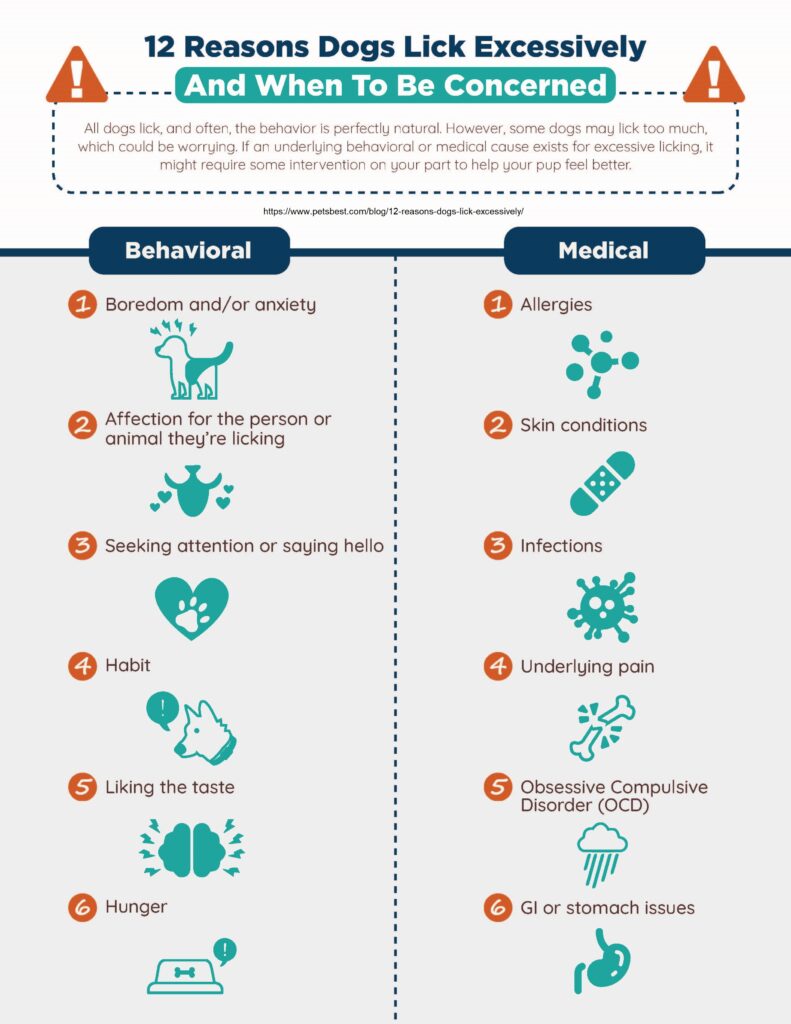
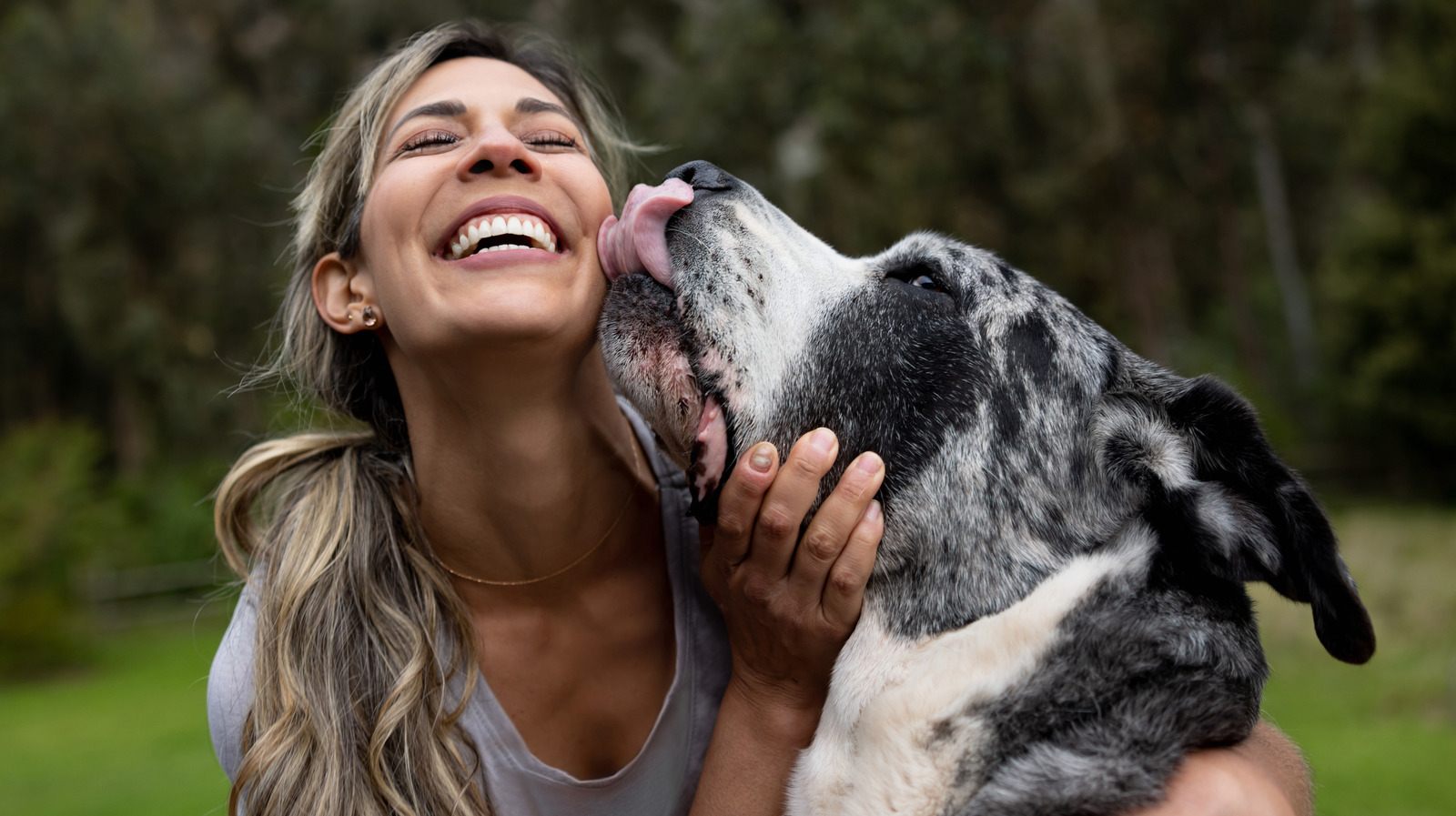
As a dog owner, you're probably no stranger to the slobbery sensation of your furry friend trying to lick your face. It's a behavior that can be both endearing and annoying, depending on your mood and the situation. But have you ever stopped to think about why your dog is so obsessed with licking your face? Is it a sign of affection, a way of gathering information, or something else entirely? In this article, we'll delve into the reasons behind this quirky canine behavior and explore what it might be trying to tell you.
Understanding Canine Communication
Dogs communicate in a variety of ways, including through body language, vocalizations, and physical contact. Licking is one of the primary ways that dogs interact with their environment and the people around them. By licking your face, your dog may be trying to convey a range of emotions and intentions, from affection and submission to curiosity and anxiety. To understand what your dog is trying to say, it's essential to consider the context in which the licking is happening. Are you sitting on the couch, or are you in the middle of a walk? Is your dog excited, calm, or stressed?

The Role of Pheromones
Pheromones are chemical signals that dogs use to communicate with each other and their human caregivers. When your dog licks your face, it's not just tasting your skin; it's also gathering information about your emotional state, health, and identity. Dogs have a unique organ called the vomeronasal organ, or Jacobson's organ, which is located in the nasal cavity and is responsible for detecting pheromones. By licking your face, your dog may be trying to detect the pheromones that you're producing, which can provide valuable insights into your mood, stress levels, and overall well-being.
For example, if you're feeling stressed or anxious, your body may be producing higher levels of cortisol, a hormone that can be detected through pheromones. Your dog may be able to pick up on these subtle chemical cues and respond accordingly, perhaps by trying to comfort you or provide emotional support. This highlights the incredible sensitivity and empathy of dogs, which are often attuned to our emotional states in ways that we're not even aware of.
Exploring the Science of Licking
From a scientific perspective, licking is a complex behavior that involves multiple sensory systems, including the olfactory, gustatory, and tactile systems. When your dog licks your face, it's using its tongue to gather information about the texture, temperature, and chemical composition of your skin. This information is then processed in the brain, where it's integrated with other sensory inputs to create a rich and nuanced picture of the environment. By studying the neuroscience of licking, researchers have gained a deeper understanding of the cognitive and emotional processes that underlie this behavior, and how it relates to dog-human interaction and bonding.

One of the most interesting aspects of canine licking behavior is its relationship to social bonding and attachment. In the wild, dogs use licking as a way of strengthening social bonds and reinforcing pack dynamics. By licking each other's faces, dogs are able to release oxytocin, a hormone that promotes feelings of trust, relaxation, and affection. This same mechanism is at play when your dog licks your face, as it's trying to stimulate the release of oxytocin and strengthen your emotional bond. This highlights the profound impact that dogs can have on our emotional lives, and the ways in which they can provide comfort, support, and companionship.
The Importance of Context
While licking can be a powerful way of communicating and bonding with your dog, it's essential to consider the context in which it's happening. If your dog is licking your face excessively or inappropriately, it may be a sign of anxiety, stress, or overexcitement. In these situations, it's crucial to address the underlying issue and provide your dog with alternative ways of coping and expressing itself. This might involve providing more exercise, training, or mental stimulation, or simply spending more time with your dog and engaging in activities that promote relaxation and calmness.

On the other hand, if your dog is licking your face in a gentle and affectionate way, it's likely a sign of love and devotion. In these moments, it's essential to respond in kind, providing your dog with attention, praise, and affection. By doing so, you're reinforcing the behavior and strengthening your bond with your dog, which can have a profound impact on its emotional and psychological well-being. This highlights the incredible reciprocity of dog-human relationships, where both parties are able to provide and receive love, comfort, and support.
Training and Management
While it's natural for dogs to lick their human caregivers, it's not always desirable or acceptable. In some situations, excessive licking can be annoying, embarrassing, or even hygienic. To manage this behavior, it's essential to establish clear boundaries and provide your dog with alternative ways of expressing itself. This might involve teaching your dog to lick a toy or a specific object, rather than your face, or providing it with a distracting treat or activity.
Consistency and patience are key when training your dog to manage its licking behavior. By setting clear expectations and rewarding good behavior, you can help your dog understand what is and isn't acceptable. It's also essential to remember that dogs are highly contextual, and what works in one situation may not work in another. By being flexible and adaptable, you can develop a deeper understanding of your dog's needs and preferences, and respond in ways that promote harmony and cooperation.
In conclusion, the reasons behind your dog's face-licking behavior are complex and multifaceted. By understanding the role of pheromones, social bonding, and contextual factors, you can gain a deeper appreciation for this quirky canine behavior and respond in ways that promote love, trust, and cooperation. Whether you're a seasoned dog owner or a newcomer to the world of canine companionship, it's essential to remember that dogs are highly individualized and context-dependent, and that every interaction is an opportunity to learn, grow, and connect with your furry friend.
Final Thoughts
As you navigate the intricacies of dog-human relationships, it's essential to approach each interaction with empathy, compassion, and an open mind. By doing so, you can develop a deeper understanding of your dog's needs, desires, and motivations, and respond in ways that promote happiness, health, and well-being. Whether your dog is licking your face, wagging its tail, or simply cuddling up beside you, every moment is an opportunity to connect, communicate, and celebrate the incredible bond that you share. So next time your dog tries to lick your face, remember to appreciate the complexity, nuance, and beauty of this behavior, and respond in kind with love, affection, and appreciation.
0 Response to "Why Your Dog Always Tries to Lick Your Face"
Post a Comment