Stop Feeding Bread to Ducks! Here’s Why

As a kid, I remember feeding bread to ducks at the local park with my family. It was a fun and exciting experience, watching those adorable creatures swim towards us, quacking and flapping their wings. However, as I grew older, I began to realize that feeding bread to ducks might not be as harmless as I thought. In fact, it's a practice that can have severe consequences for these beautiful birds. So, let's dive into the world of duck feeding and explore why it's time to stop feeding bread to ducks.
Why Bread is Bad for Ducks
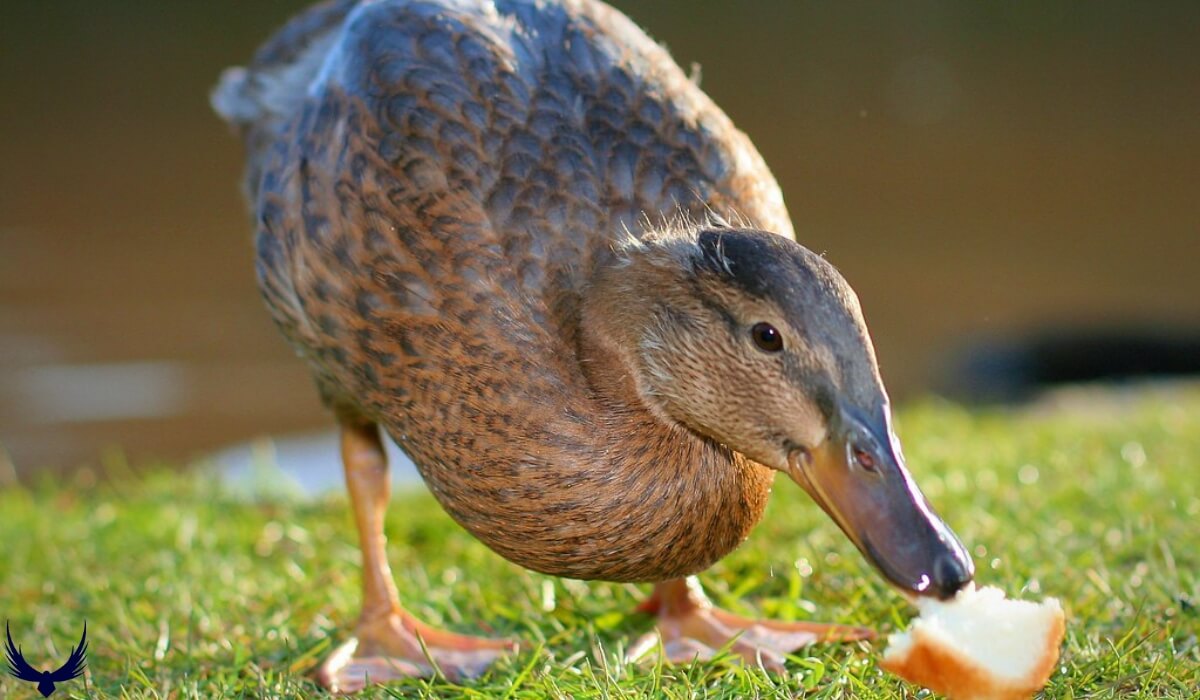
Bread might seem like a harmless snack for ducks, but it's actually a nutritional nightmare. White bread, in particular, is devoid of any real nutritional value, containing mostly empty calories. When ducks eat bread, they fill up on these calories, but they don't get the nutrients they need to stay healthy. This can lead to a range of problems, including malnutrition, digestive issues, and even death.
 Stop Feeding Bread to Ducks Heres Why Why Bread is Bad for Ducks" loading="lazy" style="max-width:700px;width:100%;height:auto;border-radius:8px;">
But that's not all - bread can also cause problems for ducklings. When ducklings eat bread, they can develop a condition called "angel wing," where their wings become deformed, making it difficult for them to fly. This is because bread is low in protein and high in carbohydrates, which can disrupt the development of their bones and feathers. As a result, many ducklings that are fed bread may not survive to adulthood, or they may be left with lifelong disabilities.
The Impact on Local Ecosystems
Feeding bread to ducks can also have a significant impact on local ecosystems. When ducks are fed bread, they can become dependent on humans for food, rather than foraging for their natural diet of plants, insects, and small aquatic animals. This can lead to an overpopulation of ducks in certain areas, which can cause problems for other wildlife. For example, ducks can compete with other birds for food and habitat, leading to a decline in biodiversity.

Additionally, when ducks are fed bread, they can produce more waste than they would if they were eating their natural diet. This can lead to an increase in algae growth, which can deplete the oxygen in the water, making it difficult for other aquatic animals to survive. In extreme cases, this can even lead to the formation of "dead zones," where the water is so depleted of oxygen that no life can exist. It's a stark reminder of the unintended consequences of our actions, and how they can have a ripple effect on the environment.
A Better Alternative
So, what can we feed ducks instead of bread? The good news is that there are plenty of healthy alternatives that are easy to find and fun to feed. Some great options include lettuce, spinach, and kale - these leafy greens are packed with nutrients and are easy to digest. You can also try feeding ducks fruits like berries, grapes, and sliced apples.
:max_bytes(150000):strip_icc()/__opt__aboutcom__coeus__resources__content_migration__mnn__images__2015__11__ducks-bread-2c3b58b3d5c7415b8b01755f5eca6e37.jpg)
Another option is to feed ducks commercial duck food, which is specifically formulated to meet their nutritional needs. This can be found at most pet stores or online, and it's a great way to ensure that you're providing ducks with the nutrients they need to stay healthy. Just be sure to follow the instructions on the package and only feed the recommended amount - overfeeding can be just as problematic as underfeeding.
It's also worth noting that some cities and parks are now providing duck-friendly feeding stations, where you can purchase healthy food for the ducks. These stations are usually stocked with nutritious options like duck pellets or birdseed, and they're a great way to support the local duck population while also promoting responsible feeding practices.
The Importance of Responsible Feeding Practices
So, why is it so important to adopt responsible feeding practices when it comes to ducks? The answer is simple: it's all about respect. When we feed ducks bread, we're not showing them respect - we're showing them that we don't care about their health or well-being. By feeding them healthy, nutritious food, we're showing them that we value their lives and want to help them thrive.
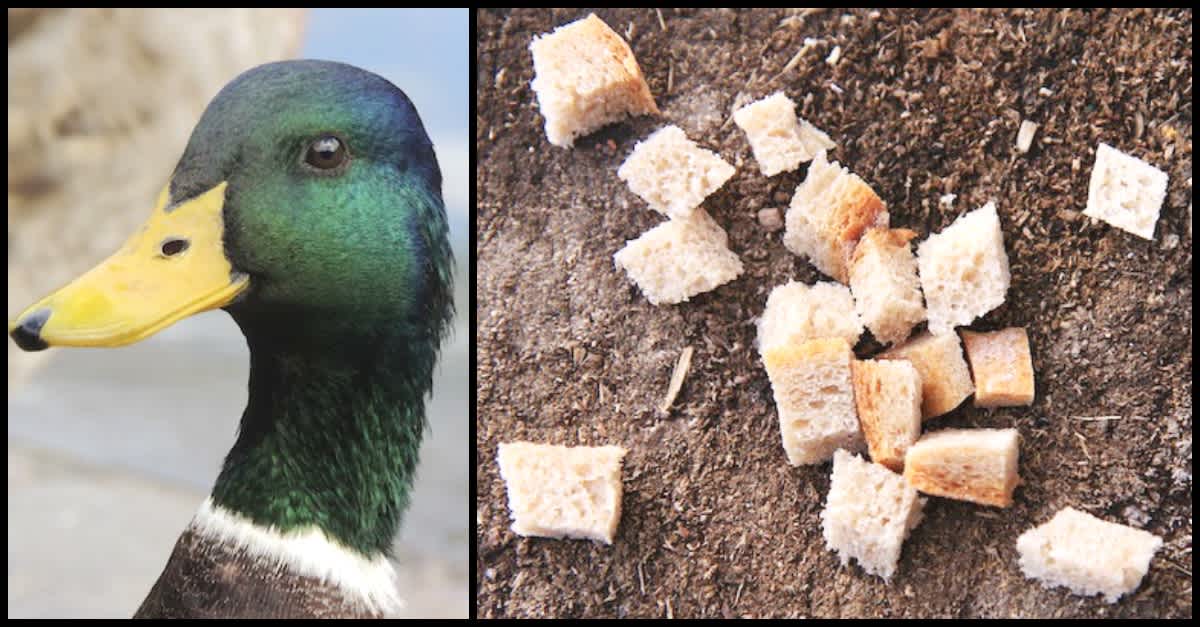
It's also about setting a good example for others. When we feed ducks responsibly, we're showing children and adults alike that it's possible to interact with wildlife in a way that's positive and respectful. We're promoting a culture of compassion and empathy, and encouraging others to do the same. And who knows - we might just inspire a new generation of wildlife enthusiasts and conservationists.
Of course, there are also the environmental benefits to consider. By feeding ducks healthy food, we're reducing the amount of waste and pollution in our waterways. We're also helping to maintain the balance of local ecosystems, which is essential for the health and well-being of all the plants and animals that live there. It's a small action that can have a big impact, and it's something that we can all get behind.
What You Can Do to Help
So, what can you do to help? The first step is to stop feeding bread to ducks, of course! Instead, try feeding them healthy, nutritious food like the options I mentioned earlier. You can also support local initiatives that promote responsible feeding practices, such as duck-friendly feeding stations or educational programs.

Another way to get involved is to participate in local clean-up initiatives. Many parks and waterways are affected by pollution and trash, which can harm ducks and other wildlife. By participating in clean-up events, you can help to make a positive impact on the environment and promote a healthier ecosystem for all the plants and animals that live there.
Finally, you can spread the word about the importance of responsible feeding practices. Share this article with your friends and family, and encourage them to make the switch to healthy, nutritious food for ducks. You can also share your own experiences and photos on social media, using hashtags like #Dont Feed The Ducks Bread or #Responsible Wildlife Feeding. Every little bit counts, and together we can make a big difference.
In conclusion, feeding bread to ducks might seem like a harmless activity, but it's actually a practice that can have severe consequences for these beautiful birds. By adopting responsible feeding practices and feeding ducks healthy, nutritious food, we can help to promote their health and well-being, while also supporting the local ecosystem. So next time you're at the park, remember: stop feeding bread to ducks, and start showing them the respect they deserve. [IMAGE]
0 Response to "Stop Feeding Bread to Ducks! Here’s Why"
Post a Comment