This Animal Can Mimic Human Voices

Have you ever heard of an animal that can mimic human voices? If you haven't, then you're in for a treat. The animal I'm talking about is the amazing lyrebird, a native Australian bird known for its incredible ability to mimic human voices and other sounds it hears in its environment. In this article, we'll delve into the world of the lyrebird and explore its fascinating ability to mimic human voices, as well as other interesting facts about this incredible bird.
Introduction to the Lyrebird
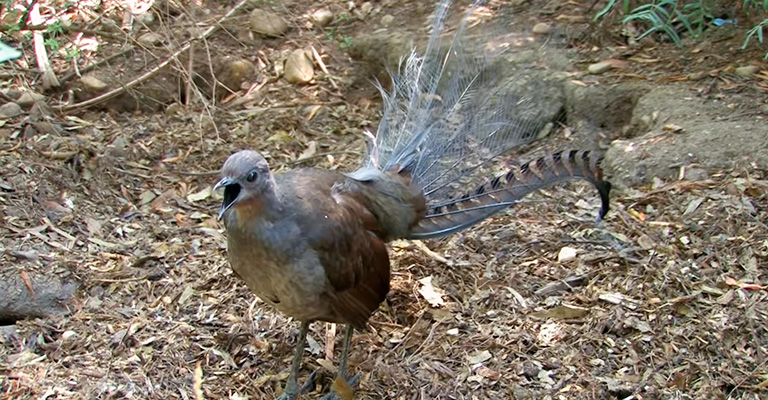
The lyrebird is a large, ground-dwelling bird that is found in the eastern regions of Australia. It's known for its striking plumage, which features a distinctive lyre-shaped tail, and its impressive courtship displays. But what really sets the lyrebird apart is its ability to mimic human voices and other sounds. This ability is so advanced that the lyrebird has been known to fool people into thinking that a human is nearby, when in fact it's just the bird mimicking a voice.
The Science Behind the Lyrebird's Mimicry
So, how does the lyrebird manage to mimic human voices so convincingly? The answer lies in the bird's syrinx, which is the vocal organ located at the base of the trachea. The syrinx is made up of two pairs of cartilaginous rings that are covered in muscles and connective tissue. This allows the lyrebird to produce a wide range of sounds, including the complex vocalizations that make up human speech. The lyrebird's brain is also specially adapted to allow it to learn and mimic the sounds it hears, including human voices.
In addition to its advanced syrinx and brain, the lyrebird also has a highly developed sense of hearing. This allows it to pick up on the subtlest sounds and nuances of human speech, and to mimic them with remarkable accuracy. The lyrebird's hearing is so acute that it can even detect the faint sounds of a car engine or a chainsaw, and mimic them perfectly.
Examples of the Lyrebird's Mimicry
One of the most famous examples of the lyrebird's mimicry is the story of a lyrebird that was known to mimic the sound of a car alarm. The bird was living in a zoo, and one day it began to mimic the sound of a car alarm that it had heard outside the zoo. The zookeepers were amazed by the bird's ability to mimic the sound so accurately, and soon the lyrebird was attracting visitors from all over who came to hear its incredible mimicry.
 This Animal Can Mimic Human Voices Conservation Status of the Lyrebird" loading="lazy" style="max-width:700px;width:100%;height:auto;border-radius:8px;">
Another example of the lyrebird's mimicry is the story of a lyrebird that was known to mimic the voice of its owner. The bird's owner was a farmer who lived in a rural area, and the lyrebird would often mimic the farmer's voice as he worked in the fields. The farmer was amazed by the bird's ability to mimic his voice, and would often have conversations with the lyrebird as if it were a person.
The lyrebird's mimicry is not limited to human voices and car alarms. It can also mimic a wide range of other sounds, including the calls of other birds, the rustling of leaves, and even the sound of running water. This ability to mimic different sounds allows the lyrebird to blend in with its environment and to communicate with other birds in a way that is unique to its species.
Conservation Status of the Lyrebird
Despite its incredible ability to mimic human voices, the lyrebird is a threatened species. Habitat destruction and fragmentation have reduced the lyrebird's population, and the bird is now listed as near threatened on the IUCN Red List. Conservation efforts are underway to protect the lyrebird and its habitat, but more needs to be done to ensure the long-term survival of this incredible bird.

One of the main threats to the lyrebird's survival is the destruction of its habitat. The lyrebird relies on dense, temperate rainforests to survive, but these habitats are being cleared at an alarming rate to make way for urban development and agriculture. The lyrebird is also vulnerable to climate change, which is altering the bird's food supply and making it harder for it to survive.
What Can We Do to Help the Lyrebird?
So, what can we do to help the lyrebird and ensure its survival? One of the most important things we can do is to support conservation efforts that protect the lyrebird's habitat. This can include donating to organizations that work to preserve the lyrebird's habitat, or volunteering our time to help with conservation efforts.
We can also help to raise awareness about the lyrebird and its plight. By sharing information about the lyrebird and its incredible ability to mimic human voices, we can help to inspire people to take action to protect the bird and its habitat. We can also support sustainable land-use practices that minimize the impact of human activity on the lyrebird's habitat.

In addition to these efforts, we can also support research into the lyrebird's behavior and ecology. By learning more about the lyrebird's habitat needs and behavior, we can develop more effective conservation strategies that protect the bird and its habitat. We can also work to reduce our carbon footprint and mitigate the effects of climate change, which is a major threat to the lyrebird's survival.
Conclusion
In conclusion, the lyrebird is an incredible bird with a unique ability to mimic human voices. Its advanced syrinx and brain allow it to produce a wide range of sounds, including the complex vocalizations that make up human speech. The lyrebird's mimicry is so advanced that it can fool people into thinking that a human is nearby, when in fact it's just the bird mimicking a voice.
Unfortunately, the lyrebird is a threatened species, and its population is declining due to habitat destruction and fragmentation. However, by supporting conservation efforts and raising awareness about the lyrebird's plight, we can help to protect the bird and its habitat. We can also support sustainable land-use practices and reduce our carbon footprint to mitigate the effects of climate change.
By working together, we can ensure the long-term survival of the lyrebird and its incredible ability to mimic human voices. The lyrebird is a truly unique and fascinating bird, and it deserves our protection and conservation efforts. So, let's get started and do our part to protect the lyrebird and its habitat.
0 Response to "This Animal Can Mimic Human Voices"
Post a Comment