Rare Animal You’ll Only See Once in a Lifetime
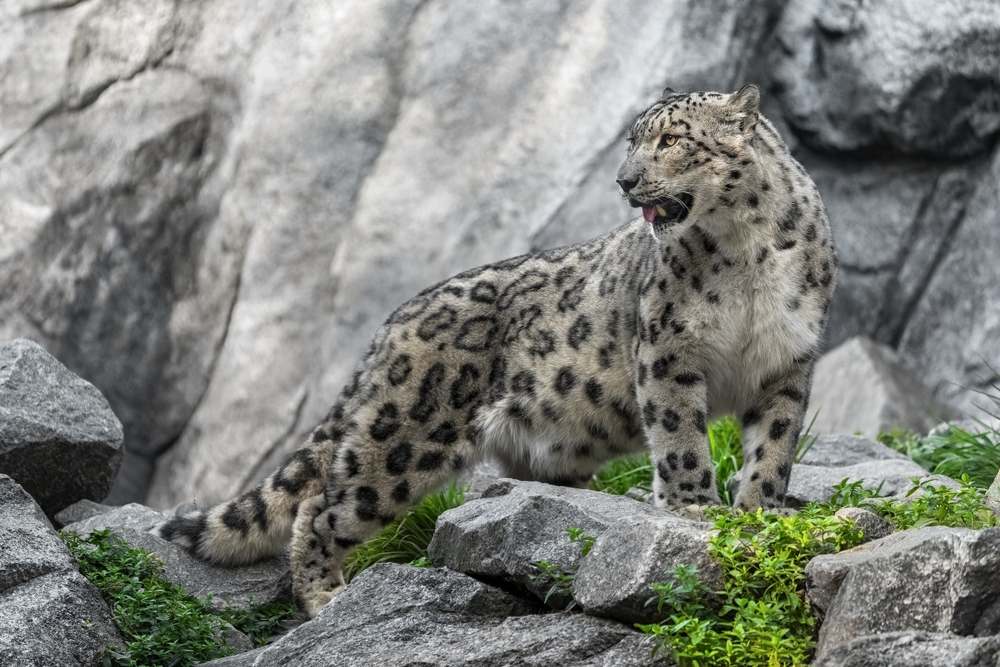
As animal lovers, we're always on the lookout for unique and fascinating creatures that we can learn about and admire. But have you ever come across an animal that's so rare, you'll only see it once in a lifetime? These incredible beings are often found in remote or hard-to-reach locations, and their populations are dwindling due to various threats such as habitat loss, climate change, and human activities. In this blog post, we'll take you on a journey to explore some of the rarest animals in the world that you might only see once in a lifetime.
Introduction to Rare Animals
Rare animals are those that have a limited population, and their numbers are often declining due to various threats. These animals can be found in different parts of the world, from the frozen tundras of the Arctic to the scorching deserts of Africa. They come in all shapes and sizes, from the tiny insects to the massive mammals. Despite their rarity, these animals play a crucial role in maintaining the balance of their ecosystems, and their loss can have significant impacts on the environment.
One of the main reasons why animals become rare is due to habitat loss and fragmentation. As humans continue to expand their territories, they encroach upon the natural habitats of these animals, leaving them with limited space to live and breed. Climate change is another major threat, as it alters the delicate balance of ecosystems and makes it difficult for animals to adapt. Human activities such as pollution, hunting, and poaching also contribute to the decline of rare animal populations.
The Aye-Aye: A Rare Lemur from Madagascar
The aye-aye is a type of lemur found only in Madagascar, and it's considered one of the rarest animals in the world. This long-fingered, bushy-tailed primate is known for its unique method of hunting, which involves tapping on trees with its long middle finger to find insects. The aye-aye is also known for its intelligence and dexterity, and it's considered one of the most unusual animals in the world. Despite its fascinating characteristics, the aye-aye is threatened by habitat loss and persecution, as many locals consider it to be a bad omen.
The aye-aye is a nocturnal animal, and it spends most of its time in the trees. It has a highly developed sense of touch and hearing, which it uses to navigate its environment and find food. The aye-aye is also a solitary animal, and it only comes together with other aye-ayes during the breeding season.
The Saola: A Rare Antelope from Vietnam
The saola is a rare antelope found in the Annamite Mountains of Vietnam and Laos. It was discovered as recently as 1993, and it's considered one of the most endangered animals in the world. The saola is known for its distinctive horns, which are straight and parallel to each other. It's a shy and elusive animal, and it's rarely seen by humans. The saola is threatened by habitat loss and hunting, and conservation efforts are underway to protect its habitat and reduce human-wildlife conflict.
The saola is a mysterious animal, and very little is known about its behavior and ecology. It's believed to be a solitary animal, and it's thought to inhabit the dense forests of the Annamite Mountains. The saola is also an important part of its ecosystem, and it plays a crucial role in maintaining the balance of nature.
The Vaquita: A Rare Porpoise from Mexico
The vaquita is a small porpoise found in the Gulf of California, and it's considered the rarest marine mammal in the world. It's a critically endangered species, and its population has been declining drastically over the years. The vaquita is known for its distinctive black rings around its eyes, and it's a shy and elusive animal. It's threatened by entanglement in fishing nets, and conservation efforts are underway to protect its habitat and reduce bycatch.
The vaquita is a small animal, reaching lengths of up to 1.5 meters. It's a carnivore, and it feeds on small fish and squid. The vaquita is also a social animal, and it's often found in small groups. Despite its small size, the vaquita plays a crucial role in maintaining the balance of its ecosystem, and its loss could have significant impacts on the environment.

Rare animals like the aye-aye, the saola, and the vaquita are an important part of our planet's biodiversity, and their loss could have significant impacts on the environment. It's essential that we take action to protect these animals and their habitats, and that we work to reduce the threats that they face. By supporting conservation efforts and spreading awareness about the importance of protecting rare animals, we can make a difference and ensure that these incredible creatures continue to thrive for generations to come.
Conservation Efforts: What Can We Do to Help?
There are many ways that we can help to protect rare animals and their habitats. One of the most effective ways is to support conservation efforts, such as donating to reputable organizations or volunteering our time. We can also make conscious choices in our daily lives, such as reducing our carbon footprint, using eco-friendly products, and avoiding products that contribute to deforestation and habitat destruction.
Another important way that we can help is by spreading awareness about the importance of protecting rare animals. We can share articles and videos on social media, talk to our friends and family about the issue, and support organizations that work to protect endangered species. By working together, we can make a difference and ensure that rare animals continue to thrive for generations to come.
The Importance of Protecting Rare Animals
Rare animals play a crucial role in maintaining the balance of their ecosystems, and their loss can have significant impacts on the environment. They contribute to seed dispersal, pollination, and nutrient cycling, and they help to maintain the health of their ecosystems. Rare animals also have important cultural and spiritual significance, and they're often considered sacred by indigenous communities.
Protecting rare animals is not just important for the environment; it's also important for human well-being. By preserving biodiversity, we can ensure that ecosystems continue to provide essential services such as clean air and water, food, and shelter. We can also learn from rare animals and the unique characteristics that they possess, which can inspire new technologies and innovations.
In conclusion, rare animals are an important part of our planet's biodiversity, and their loss could have significant impacts on the environment. By supporting conservation efforts, making conscious choices in our daily lives, and spreading awareness about the importance of protecting rare animals, we can make a difference and ensure that these incredible creatures continue to thrive for generations to come. Whether it's the aye-aye, the saola, or the vaquita, each rare animal has a unique story to tell, and it's up to us to protect them and preserve their place in the natural world.

0 Response to "Rare Animal You’ll Only See Once in a Lifetime"
Post a Comment