Prepare to Be Amazed by This Animal

As I sit here, researching and writing about the incredible animal I'm about to introduce you to, I can barely contain my excitement. You see, this animal is like nothing you've ever seen before - it's a true marvel of nature, with abilities and characteristics that will leave you speechless. So, prepare to be amazed by the axolotl, a creature that's been on our planet for millions of years, yet remains somewhat of a mystery to this day.
What is an Axolotl?
An axolotl (Ambystoma mexicanum) is a type of salamander that belongs to the family Ambystomatidae. It's native to Mexico, specifically to Lake Xochimilco and other lakes and canals in the region. The axolotl is also known as the Mexican walking fish, although it's not actually a fish, but an amphibian. It has the unique ability to regrow its limbs, eyes, and parts of its brain, making it a fascinating subject for scientists and animal lovers alike.
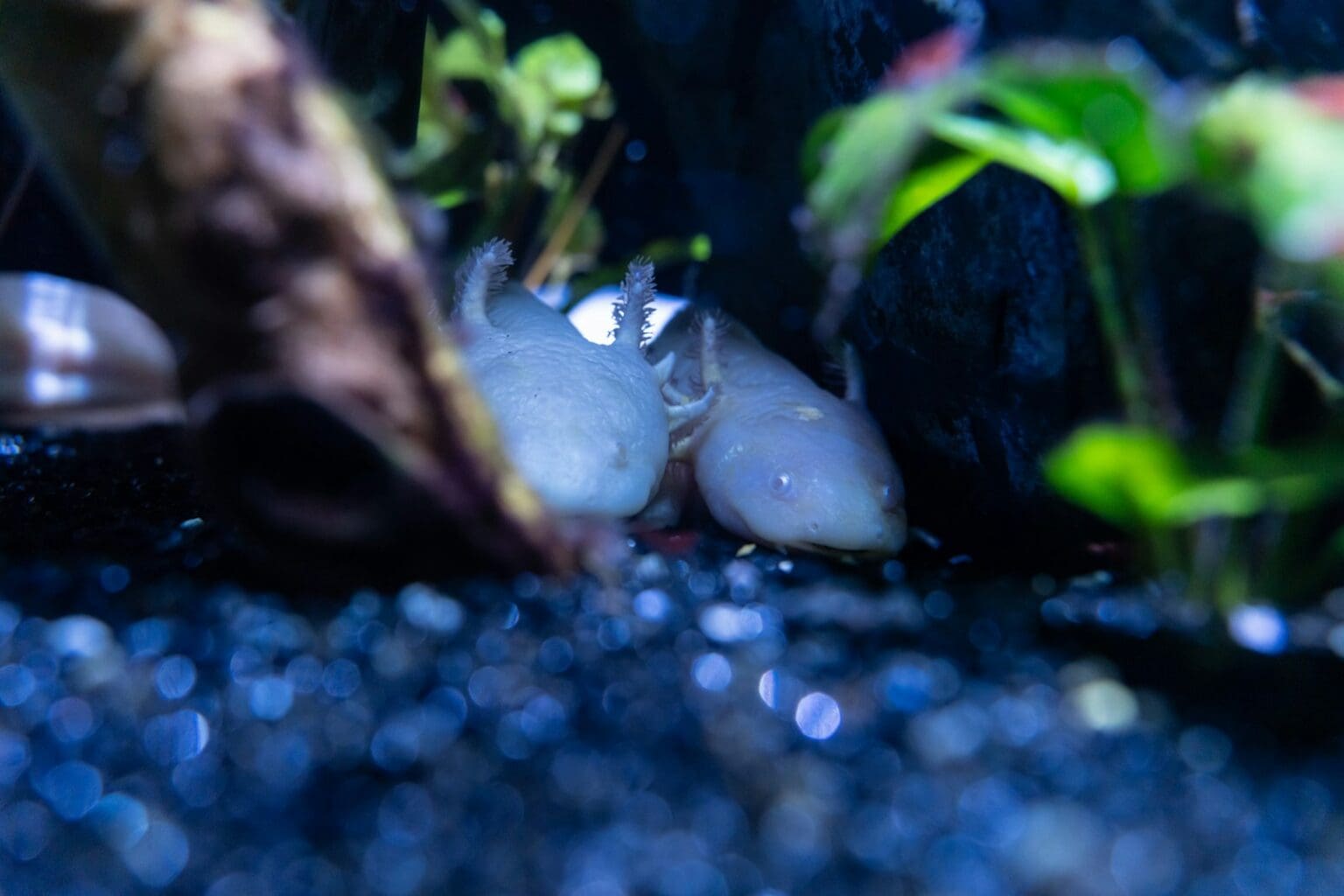
The axolotl has a rather unusual appearance, with a broad, flat head, small eyes, and a long, slender body. It's typically brown or gray in color, with feathery gills that allow it to breathe underwater. Axolotls can grow up to 12 inches in length, although the average size is around 6-8 inches. They're relatively small, but their impact on the scientific community and our understanding of regeneration is enormous.
Habitat and Diet
Axolotls are found in freshwater lakes, canals, and rivers in Mexico, where they inhabit the bottom of the waterbody, often hiding in underwater caves or beneath plants. They're carnivorous, feeding on a variety of food sources, including worms, crustaceans, and small fish. In captivity, axolotls are typically fed a diet of commercial pellets, earthworms, and bloodworms. They're relatively low-maintenance pets, but require a specialized environment to thrive, with cool water, low lighting, and a balanced diet.
In the wild, axolotls play a crucial role in their ecosystem, serving as both predators and prey. They help to control the population of smaller animals, while also being an important food source for larger predators, such as birds and fish. Unfortunately, axolotls are facing numerous threats in the wild, including habitat destruction, pollution, and overcollection for the pet trade. As a result, they're currently listed as an endangered species, and conservation efforts are underway to protect these incredible animals.

Regeneration and Healing
One of the most incredible things about axolotls is their ability to regrow lost limbs, eyes, and parts of their brain. This is due to the presence of stem cells throughout their body, which can differentiate into different types of tissue. Scientists are still trying to understand the secrets behind axolotl regeneration, but it's clear that it has the potential to revolutionize our approach to human medicine. Imagine being able to regrow a lost limb or repair damaged tissue - it's a prospect that's both exciting and daunting.
Axolotls are also able to regenerate their spinal cord, repair damaged hearts, and even rebuild their jaws. They can do this because they have a large pool of stem cells that can be mobilized to repair damaged tissue. This is in contrast to humans, who have a limited number of stem cells that are primarily used for repair and maintenance. By studying axolotls, scientists hope to gain a better understanding of how we can harness the power of stem cells to repair and regenerate human tissue.

In addition to their regenerative abilities, axolotls are also incredibly resilient. They can survive in low-oxygen environments, and are able to withstand extreme temperatures and pollution. This makes them an ideal subject for study in a variety of fields, from ecology to medicine. By learning more about axolotls and their unique characteristics, we can gain a deeper appreciation for the natural world and the incredible diversity of life on our planet.
Conservation Status
Unfortunately, axolotls are facing a number of threats in the wild, including habitat destruction, pollution, and overcollection for the pet trade. They're currently listed as an endangered species, and conservation efforts are underway to protect these incredible animals. The Mexican government has established a number of protected areas, including Lake Xochimilco, which is home to a large population of axolotls.
In addition to government-led conservation efforts, there are also a number of organizations and individuals working to protect axolotls and their habitats. These groups are involved in a variety of activities, including research, education, and community outreach. By working together, we can help to ensure the long-term survival of axolotls and the ecosystems they inhabit.

So, what can you do to help protect axolotls and their habitats? For starters, you can learn more about these incredible animals and the challenges they're facing. You can also support conservation efforts by donating to organizations that are working to protect axolotls and their habitats. Finally, you can make a difference by reducing your impact on the environment, whether it's by reducing your use of plastics, conserving water, or supporting sustainable agriculture.
Conclusion
As I finish writing this article, I'm left with a sense of awe and wonder at the incredible axolotl. This animal is truly one of a kind, with its unique appearance, incredible regenerative abilities, and fascinating habitat. By learning more about axolotls, we can gain a deeper appreciation for the natural world and the incredible diversity of life on our planet. So, next time you're thinking about the amazing animals that share our planet, be sure to include the axolotl on your list - it's an animal that's sure to amaze and inspire you.
In conclusion, the axolotl is an incredible animal that deserves our respect, admiration, and protection. By working together, we can help to ensure the long-term survival of this amazing species and the ecosystems they inhabit. So, let's all do our part to protect the axolotl and the natural world - it's a responsibility that we owe to ourselves, our children, and future generations.
As you've learned more about the axolotl, I hope you've been inspired by the incredible characteristics and abilities of this animal. From its regenerative powers to its unique habitat and conservation status, the axolotl is a true marvel of nature. So, next time you're thinking about the amazing animals that share our planet, be sure to include the axolotl on your list - it's an animal that's sure to amaze and inspire you. With its incredible abilities and fascinating habitat, the axolotl is an animal that will leave you in awe, and inspire you to learn more about the incredible diversity of life on our planet.
0 Response to "Prepare to Be Amazed by This Animal"
Post a Comment