The Cutest Miniature Animals
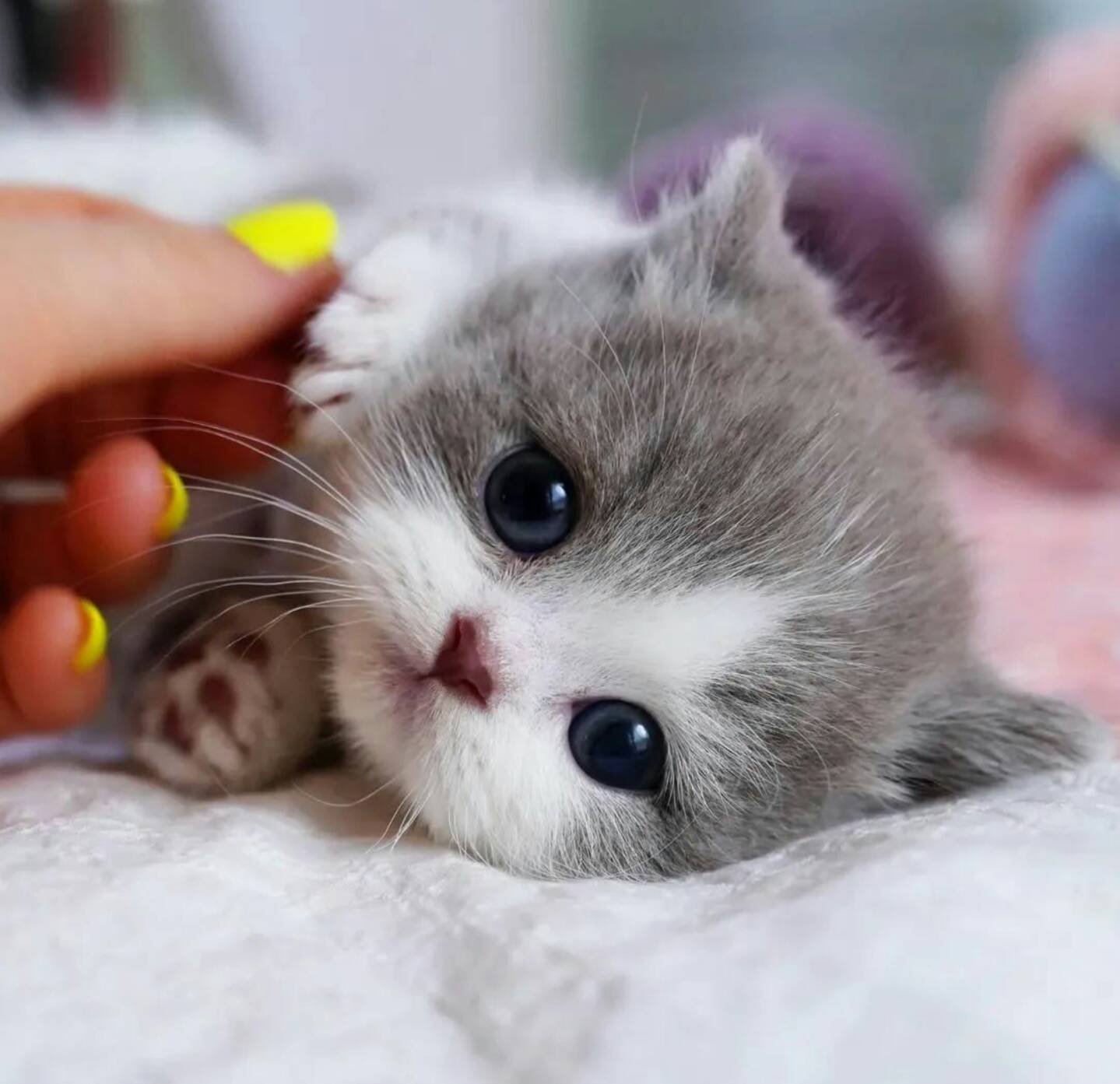
Have you ever felt your heart melt at the sight of something unbelievably tiny and adorable? From impossibly small piglets to miniature horses that look like they came straight out of a fairytale, the animal kingdom is full of creatures that redefine cuteness. Get ready to embark on a journey into the enchanting world of miniature animals, where every tiny paw and whisker is guaranteed to bring a smile to your face.
Sometimes, it feels like the world is just too big and overwhelming. We crave something small, something manageable, something that fits perfectly in the palm of our hand. But finding that perfect dose of adorable can be a challenge. Where do you even begin to look for these tiny treasures, and how do you make sure they're being cared for responsibly?
This article is for anyone who's ever felt a surge of joy at the sight of a puppy so small it fits in a teacup, or a kitten with eyes bigger than its head. It's for animal lovers of all ages who appreciate the unique charm and undeniable appeal of miniature animals. Whether you're looking for a daily dose of "aww," inspiration for a future pet, or simply want to learn more about these fascinating creatures, this guide is for you.
We'll be exploring the captivating realm of miniature animals, from the beloved miniature pig to the charming micro-cow, unveiling their unique traits, care requirements, and historical backgrounds. We'll also discuss ethical considerations surrounding breeding practices. So, prepare to be charmed by the pint-sized wonders of the animal world.
Discovering Teacup Pigs
The allure of a teacup pig first struck me when I stumbled upon a video of one waddling around a living room. Its tiny size and playful antics were instantly captivating. It looked like a living, breathing plush toy. It was at that moment I knew I had to know more about these miniature marvels. However, after some research, the truth behind these creatures becomes clear. Often advertised as "teacup" or "micro" pigs, these animals are typically pot-bellied pigs that have been bred selectively to be smaller than average. Although, their sizes and health conditions are quite different to what is advertised. While undeniably adorable, it's crucial to understand the realities of owning one. These pigs still require a significant amount of space, specialized veterinary care, and a dedicated owner prepared for their unique needs. Many so called "teacup pigs" are actually just piglets, but when they grow up, the owner does not know how to handle them. The weight of responsibility for owning one of these mini-pigs are high, as these animals require a lot of care. So whilst they are adorable, a lot of consideration has to go into owning one of these mini pigs.
What Makes a Miniature Horse So Special?
Miniature horses stand out due to their incredible proportions and gentle temperament. Bred down from larger horse breeds, they retain all the characteristics of a full-sized horse but in a scaled-down version. These horses are considered "miniature" when they measure no more than 34-38 inches tall at the withers. Their gentle and trainable nature make them popular as therapy animals, companions, and even assistance animals for individuals with disabilities. Their small size requires specific consideration for care. For instance, they need smaller saddles, horse shoes, and equipment. They also have smaller mouths, so require their food to be smaller. This is all in consideration for their overall health, as the food for mini-horses is different to food for normal horses. Despite their tiny stature, miniature horses pack a big personality and charm. They can be great, playful pets, as their fun loving nature makes them a great addition to any family.
The History and Myths Behind Miniature Cows
The history of miniature cows is fascinating, with breeds like the Dexter originating in Ireland as small, dual-purpose cattle. Farmers valued them for their milk, meat, and ability to thrive on limited resources. Over time, breeders further refined these breeds, creating even smaller versions that gained popularity as pets and homestead animals. The myths surrounding them often paint a picture of low-maintenance, effortless care. The truth is that mini-cows require diligent management, including specialized diets, regular hoof trimming, and veterinary attention. They can be prone to certain health conditions due to their small size, such as difficult births or joint problems. Responsible ownership involves understanding their specific needs and providing them with the best possible care. Some might think that owing a mini cow, might be like owning a normal cow. However, this is not the case as they require more care than a normal sized cow.
Unveiling the Hidden Secrets of Miniature Donkeys
Miniature donkeys often conceal their intelligence and trainability behind their endearing appearance. Bred down from larger donkey breeds, these gentle creatures are known for their friendly and affectionate personalities. What many people don't realize is that miniature donkeys are highly social animals. They thrive on companionship and can become lonely and depressed if kept in isolation. They require secure fencing to protect them from predators and ample space to roam and graze. It is important to understand the needs of these gentle creatures, and to provide an environment where they thrive. There is often an incorrect perception, that smaller animals require less care, but this is not true. Often, smaller animals require more care, due to their needs.
Recommendations for ethical Miniature Animal ownership
If you're considering adding a miniature animal to your family, it's crucial to prioritize ethical and responsible practices. Research reputable breeders who prioritize the health and well-being of their animals. Avoid breeders who engage in irresponsible breeding practices or those who sell animals before they are properly weaned. Visit the breeder's facility and observe the living conditions of the animals. Look for signs of good health and hygiene. A responsible breeder will be knowledgeable about the breed's specific needs and will be happy to answer your questions. Adopting from a rescue organization is another excellent option. Many miniature animals end up in shelters due to owners who were unprepared for their care. You can provide a loving home for an animal in need and help reduce the demand for irresponsible breeding. Ensure you understand the long term commitment and financial implications for owning one of these mini creatures. They might require specialist food, equipment, and regular veterinary care.
The Responsibilities of Miniature Animal Breeders
The responsibilities of miniature animal breeders are paramount. They must prioritize the health and well-being of their animals, ensuring genetic diversity to prevent inherited health problems. Responsible breeding practices include careful selection of breeding pairs, health testing to screen for genetic diseases, and providing a safe and enriching environment for the animals. Breeders must also be transparent with potential buyers about the breed's specific needs and potential health issues. They should be willing to provide ongoing support and guidance to new owners. In recent years, there has been a shift towards more ethical breeding practices, with organizations like the American Miniature Horse Association advocating for responsible breeding standards. Responsible breeders also play a vital role in conserving rare and endangered miniature breeds.
Essential Tips for Miniature Animal Care
Providing optimal care for miniature animals requires a keen understanding of their specific needs and a commitment to their well-being. First and foremost, ensure that your miniature animal has access to a safe and comfortable living environment. This includes providing appropriate shelter, bedding, and protection from the elements. Regular veterinary care is essential for maintaining their health. Schedule regular checkups, vaccinations, and deworming treatments. Be prepared to address any potential health issues promptly. Feeding your miniature animal a balanced and nutritious diet is crucial for their growth and development. Consult with a veterinarian or animal nutritionist to determine the appropriate diet for your specific animal. Provide plenty of opportunities for exercise and socialization. Miniature animals need regular physical activity to stay healthy and happy. Interact with your animal daily and provide them with opportunities to interact with other animals, if appropriate.
The Importance of Proper Nutrition for Miniature Animals
Proper nutrition is the cornerstone of a healthy and happy life for miniature animals. Their small size requires a carefully balanced diet to ensure they receive all the essential nutrients they need. Miniature horses, for example, are prone to obesity, so it's crucial to monitor their calorie intake and provide them with a diet high in fiber and low in sugar. Miniature pigs, on the other hand, require a diet that is specifically formulated for pigs, as feeding them human food can lead to health problems. It is also important to be aware of any potential allergies or sensitivities your miniature animal may have. Work closely with your veterinarian to develop a feeding plan that meets your animal's unique needs.
Fun Facts About Miniature Animals
The world of miniature animals is full of surprises and fascinating facts. Did you know that miniature donkeys are known for their calming influence on other animals? They are often used as companions for horses to reduce anxiety. Miniature pigs are incredibly intelligent and can be trained to do tricks. They can even be house-trained and walk on a leash. Miniature goats are known for their playful and mischievous personalities. They love to climb and explore, so it's important to provide them with a stimulating environment. Miniature cows are becoming increasingly popular as pets in urban areas. Some breeds are even small enough to live in a backyard. They provide milk for families, but also can be considered as great, playful pets. They love to be brushed, so are often cared for by their owners.
How to ethically source a Miniature Animal
Ethically sourcing a miniature animal is a crucial step in ensuring their well-being and supporting responsible breeding practices. Start by researching different breeds and understanding their specific needs. Consider adopting from a rescue organization or animal shelter. Many miniature animals end up in shelters due to owners who were unprepared for their care. If you choose to purchase from a breeder, do your homework and research their reputation. Visit their facility and observe the living conditions of the animals. Ask the breeder about their breeding practices and health testing protocols. A responsible breeder will be transparent and willing to answer your questions. Avoid purchasing from breeders who prioritize profit over the well-being of their animals.
What if Miniature Animals could talk?
Imagine a world where miniature animals could talk. What would they say? A miniature horse might regale you with tales of galloping through fields of wildflowers, their tiny legs carrying them on grand adventures. A miniature pig might share their thoughts on the best mud wallows and the joys of truffle hunting. A miniature donkey might offer words of wisdom and comfort, their gentle voices soothing your soul. It would be interesting to hear their inner thoughts, and hear their opinions on the world. It's also interesting to wonder if they would have accents, depending on where they were from. Imagining the possibilities can bring a smile to your face. Ultimately, miniature animals should be considered adorable, whatever they say.
The Cutest Miniature Animals - A listicle of the cutest miniature animals
Here is a list of some of the cutest miniature animals, that can be kept as pets.
1. Miniature Pig: These adorable creatures are known for their intelligence and playful personalities.
- Miniature Horse: With their gentle temperament and miniature stature, these horses make wonderful companions.
- Miniature Donkey: Known for their calming influence, miniature donkeys are often used as therapy animals.
- Miniature Cow: These gentle giants are becoming increasingly popular as pets in urban areas.
- Miniature Goat: With their playful and mischievous personalities, miniature goats are sure to bring a smile to your face.
- Miniature Rabbits: These fluffy balls of fur are incredibly cuddly. They can make great, playful pets, when handled correctly.
- Miniature Cats: These small felines have all of the playful natures of normal sized cats, but are much cuter in size.
- Miniature Dogs: These tiny pups are full of energy, and their tiny size means that you can hold them, anywhere you go.
Question and Answer Section
Q: Are miniature animals good pets for children?
A: It depends on the child and the specific animal. Some miniature animals, like miniature horses and donkeys, can be gentle and patient with children. However, it's important to teach children how to handle animals properly and to supervise their interactions closely. Some miniature animals, like miniature pigs, may not be suitable for young children due to their size and strength.
Q: What are the ethical concerns surrounding miniature animal breeding?
A: Some breeders prioritize profit over the well-being of their animals, resulting in health problems and unethical breeding practices. It's important to research breeders carefully and choose those who prioritize the health and well-being of their animals.
Q: How much does it cost to care for a miniature animal?
A: The cost of care can vary depending on the species, breed, and individual needs of the animal. However, it's important to factor in the cost of food, housing, veterinary care, and other supplies.
Q: Where can I find a reputable breeder of miniature animals?
A: You can start by contacting breed associations or rescue organizations. You can also ask your veterinarian for recommendations. Be sure to do your research and visit the breeder's facility before making a purchase.
Conclusion of The Cutest Miniature Animals
Exploring the world of miniature animals reveals their undeniable charm and captivating appeal. From the intelligent miniature pig to the gentle miniature horse, these creatures offer a unique blend of companionship and entertainment. However, responsible ownership is paramount. By understanding their specific needs, prioritizing ethical breeding practices, and providing optimal care, we can ensure that these tiny wonders thrive and enrich our lives. Miniature animals are adorable, and it is important to treat them with the love and care they deserve. By understanding that, we can create a safer, happier world for all these tiny creatures.
0 Response to "The Cutest Miniature Animals"
Post a Comment