How Wolves Inspired Human Folklore
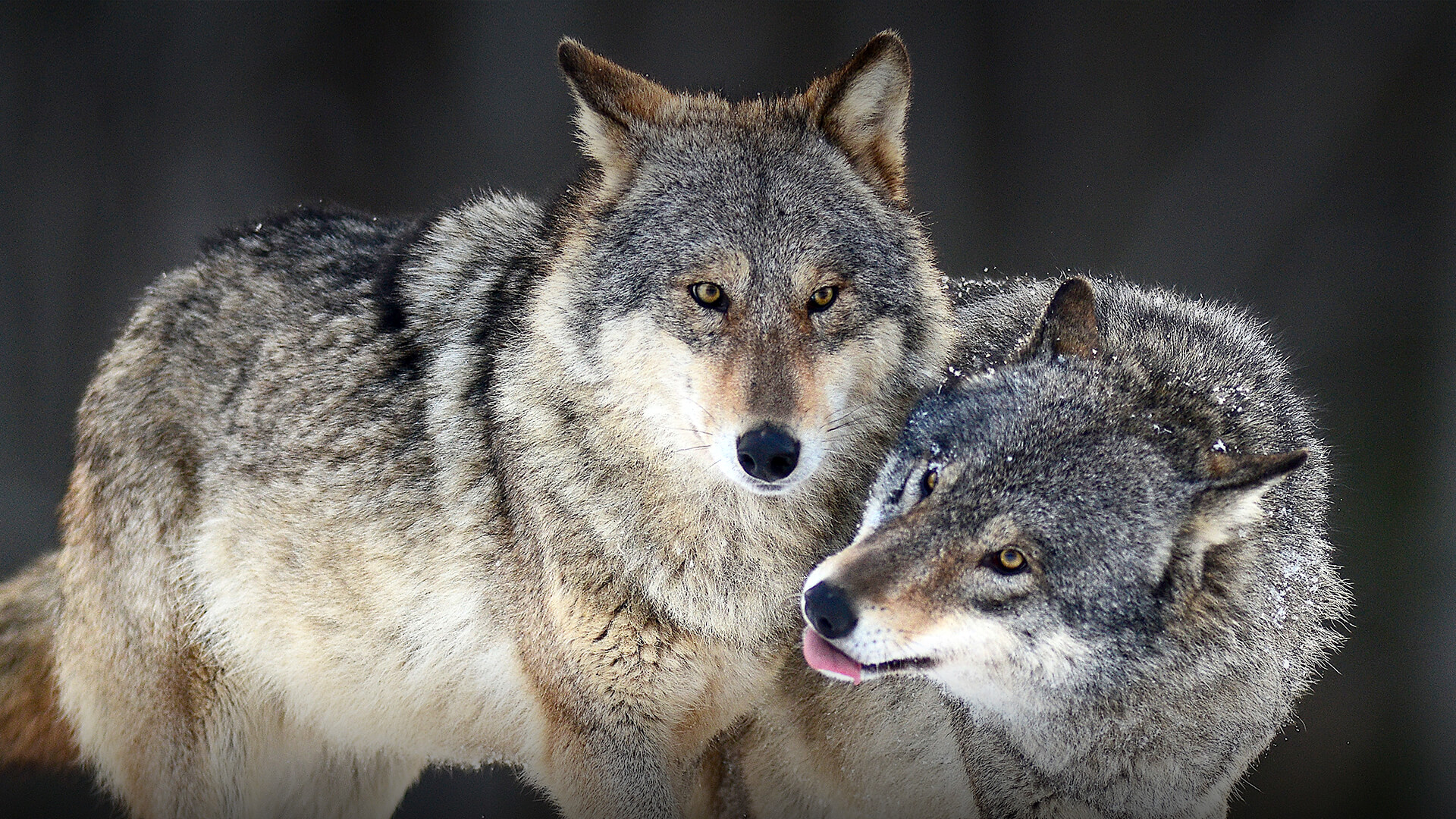
Have you ever gazed into the eyes of a wolf, even in a picture or video, and felt a shiver of something primal? It's a feeling that resonates deep within us, a whisper from a time when humans and wolves shared a very different, and much closer, relationship. That feeling isn't accidental; it's a legacy etched into our cultural DNA.
For millennia, the howling of the wolf has echoed through the dark forests of our collective imagination. But sometimes, deciphering the true meaning behind those echoes can be tricky. Was it fear, respect, or perhaps even a strange form of kinship that fueled the countless stories, myths, and legends that feature these enigmatic creatures? The lines between fact and fiction, admiration and dread, have often blurred, leaving us with a complex and multifaceted image of the wolf.
This article explores how wolves have inspired human folklore across cultures and throughout history. We'll delve into the diverse roles wolves play in our stories, from fearsome predators to loyal companions, and examine the psychological and environmental factors that shaped these enduring narratives.
From the Big Bad Wolf to Romulus and Remus, the impact of wolves on human storytelling is undeniable. We've painted them as villains, revered them as symbols of strength, and even imagined them as our ancestors. Understanding this multifaceted relationship sheds light not only on the wolf itself but also on our own deepest fears, aspirations, and cultural values. Key themes explored will include predator-prey dynamics, symbolism of the wolf in different cultures, the human-animal connection, and the power of storytelling. Now, let's howl our way into the heart of the matter!
Wolves as Villains: Fear and the Fairy Tale
Growing up, I was terrified of the Big Bad Wolf. He lurked in the shadows of "Little Red Riding Hood" and "The Three Little Pigs," a symbol of pure, unadulterated danger. I remember vividly hiding behind the sofa when my mom read those stories, convinced that the wolf could somehow reach out from the page and get me. That childhood fear, amplified by the power of storytelling, is a perfect example of how wolves have been cast as villains in many cultures.
This portrayal stems from a very real fear: the fear of predation. For our ancestors, wolves were a genuine threat, capable of taking livestock and, in some cases, even humans. This fear, coupled with the wolf's natural cunning and predatory behavior, made them easy targets for demonization. The wolf became a symbol of the wild, untamed forces of nature that threatened the safety and security of human settlements. Fairy tales served as a way to both acknowledge and control this fear, using the wolf as a cautionary figure to teach children about the dangers of straying from the path or trusting strangers. However, it's important to remember that these narratives often lacked nuance and perpetuated harmful stereotypes. The fear of the "other," the wild, and the unknown was projected onto the wolf, turning it into a convenient scapegoat for human anxieties.
Wolves as Heroes: Loyalty and the Legend
While often depicted as villains, wolves are also celebrated as heroes in many cultures. This duality highlights the complex relationship humans have with these animals. The story of Romulus and Remus, the founders of Rome, is a prime example. Abandoned as infants, they were suckled and raised by a she-wolf, an act of incredible compassion and nurturing. This legend not only speaks to the wolf's capacity for care but also elevates it to a symbol of strength, resilience, and maternal instinct.
This positive portrayal often stems from observing the wolf's pack behavior. Wolves are incredibly social animals, living in tightly knit family groups with strong bonds of loyalty and cooperation. Their hunting strategies, their dedication to their pups, and their unwavering defense of their territory all showcase admirable qualities. Cultures that valued these traits, such as Native American tribes, often revered the wolf as a teacher, a guide, and a symbol of community. The wolf became an embodiment of the values that were considered essential for survival and success. This positive image stands in stark contrast to the villainous portrayal, demonstrating the diverse ways in which humans have interpreted and projected their own values onto the wolf.
The Shifting Image: History and Myth
The image of the wolf in folklore has shifted dramatically throughout history, influenced by changing environmental conditions and human societal structures. In ancient times, when humans lived in closer proximity to the natural world, the wolf was often viewed with a mixture of respect and fear. They were seen as powerful hunters, worthy adversaries, and even spiritual guides. However, as human settlements expanded and agriculture became more widespread, the wolf's role shifted from a respected predator to a feared competitor for resources.
This shift is reflected in the myths and legends that emerged during the Middle Ages. With the rise of Christianity, the wolf became increasingly associated with evil and the devil. This negative portrayal was often used to reinforce social hierarchies and control the behavior of marginalized groups. Wolves were demonized as symbols of chaos, savagery, and the untamed wilderness, contrasting sharply with the order and civility of human society. This demonization contributed to widespread persecution of wolves, leading to their near extinction in many parts of Europe. However, despite this negative image, the wolf continued to hold a powerful grip on the human imagination, appearing in countless stories, songs, and works of art. The shifting image of the wolf throughout history serves as a reminder of the complex and ever-evolving relationship between humans and the natural world.
Hidden Secrets: Unveiling the Symbolism
Beneath the surface of the many wolf tales lie hidden secrets and symbolic meanings. The wolf, in its various depictions, often represents something deeper than just a wild animal. It can be a symbol of the wild within ourselves, the untamed instincts and desires that we try to control. It can also represent the outsider, the lone wolf who doesn't conform to societal norms. This symbolism resonates with our own struggles to find our place in the world, to balance our inner desires with the expectations of society.
Furthermore, the wolf can be seen as a symbol of transformation and change. Its association with the moon, with darkness, and with the cycles of nature all point to its ability to adapt and evolve. This is particularly evident in werewolf legends, where the human-wolf transformation represents a loss of control and a descent into primal instincts. But it can also be interpreted as a metaphor for the transformative power of nature, the ability to shed old skins and embrace new identities. By understanding these hidden layers of symbolism, we can gain a deeper appreciation for the enduring power of the wolf in human folklore. It is not simply a creature of fear or admiration but a multifaceted symbol that reflects our own complex relationship with the natural world and with ourselves.
Recommended Readings: Exploring Further
If you're intrigued by the topic of wolves in folklore, I highly recommend exploring some of the classic tales and academic studies on the subject. "Little Red Riding Hood" and "The Three Little Pigs" are essential starting points for understanding the wolf as a villain, while the legend of Romulus and Remus offers a contrasting perspective. For a more in-depth analysis of wolf symbolism, consider reading "Women Who Run With the Wolves" by Clarissa Pinkola Estés. This book explores the archetypal connection between women and wolves, drawing on folklore and mythology to reveal the power and wisdom of the wild feminine.
Additionally, research the folklore of different cultures to see how the wolf is portrayed around the world. Native American traditions often feature wolves as teachers and guides, while Siberian folklore depicts them as powerful spirits. By exploring these diverse perspectives, you can gain a more comprehensive understanding of the wolf's multifaceted role in human storytelling. Don't be afraid to delve into academic articles and anthropological studies as well. These resources can provide valuable insights into the historical and cultural context surrounding wolf folklore, helping you to understand the social and environmental factors that shaped these enduring narratives.
Deeper Dive: The Predator-Prey Dynamic
The predator-prey dynamic is a central theme in many wolf tales, reflecting the often-tenuous relationship between humans and nature. In these stories, the wolf embodies the forces of nature that threaten human survival, while the human characters represent the vulnerability and resilience of civilization. This dynamic is particularly evident in stories like "Little Red Riding Hood," where the wolf preys on a defenseless young girl, symbolizing the dangers of the wilderness and the importance of adhering to social norms. However, the predator-prey dynamic is not always straightforward. In some stories, humans actively hunt wolves, reversing the roles and highlighting the power of human agency over nature. This reversal can be seen as a reflection of humanity's increasing dominance over the natural world, but it also raises ethical questions about our relationship with other species.
Furthermore, the predator-prey dynamic can be interpreted on a symbolic level, representing the internal conflicts that exist within ourselves. The wolf can represent our own primal instincts and desires, which we must learn to control in order to function within society. The human characters can represent our rational minds, attempting to tame and subdue these wild impulses. By exploring this complex dynamic, we can gain a deeper understanding of both our own inner nature and our relationship with the natural world. It reminds us that we are both predators and prey, both capable of great destruction and great compassion.
Tips for Understanding Wolf Folklore
To truly understand wolf folklore, it's essential to consider the cultural context in which the stories originated. What were the environmental conditions? What were the social structures? What were the prevailing beliefs and values? By understanding these factors, you can gain a deeper appreciation for the meanings and motivations behind the stories. For example, a culture that lived in close proximity to wolves and relied on hunting for survival might have a very different perspective on wolves than a culture that primarily practiced agriculture and viewed wolves as a threat to livestock.
Another helpful tip is to look for recurring themes and patterns in wolf stories across different cultures. Do wolves often represent a specific aspect of nature, such as the wilderness or the moon? Are they often associated with certain human traits, such as cunning or loyalty? By identifying these recurring elements, you can begin to unravel the deeper symbolism and meanings embedded within the tales. Finally, don't be afraid to ask questions and challenge assumptions. Wolf folklore is not a static body of knowledge but a constantly evolving tapestry of stories and interpretations. By engaging with the material critically and creatively, you can contribute to a richer and more nuanced understanding of the wolf's enduring presence in the human imagination.
Unpacking Cultural Nuances
Delving into the cultural nuances of wolf folklore is crucial for understanding the diverse ways in which different societies have perceived and interacted with these animals. In some cultures, wolves are revered as sacred beings, possessing spiritual power and wisdom. Native American tribes, for example, often view wolves as teachers and guides, attributing to them qualities such as loyalty, courage, and intelligence. In these cultures, wolves are often seen as symbols of strength, leadership, and the importance of community.
In contrast, other cultures have demonized wolves, portraying them as symbols of evil, savagery, and destruction. European folklore, for example, is rife with tales of werewolves and other malevolent wolf creatures. This negative portrayal often stems from fear and misunderstanding, as well as from the wolf's role as a predator of livestock. By examining these contrasting perspectives, we can gain a deeper appreciation for the complex and often contradictory ways in which humans have related to wolves throughout history. It is important to remember that these cultural portrayals are not simply objective descriptions of the animal but rather reflections of human values, beliefs, and anxieties.
Fun Facts About Wolves in Folklore
Did you know that the word "werewolf" comes from the Old English word "wer," meaning "man"? The werewolf legend, which dates back to ancient times, reflects a deep-seated fear of the animalistic side of human nature. Another fun fact is that the story of Romulus and Remus, the founders of Rome, is just one example of many cultures that have featured wolves as nurturing figures. In some Native American traditions, wolves are even believed to have taught humans how to hunt and survive in the wild.
Furthermore, the color of a wolf can often carry symbolic meaning. Black wolves, for example, are often associated with darkness, mystery, and the unknown, while white wolves can symbolize purity, spirituality, and the divine. These symbolic associations vary depending on the culture and the specific context of the story. By paying attention to these details, we can gain a richer understanding of the complex and multifaceted role of the wolf in human folklore. It is a creature that both terrifies and inspires, a symbol of both our deepest fears and our highest aspirations.
How to Analyze Wolf Folklore
Analyzing wolf folklore requires a multi-faceted approach, drawing on insights from history, anthropology, psychology, and literary criticism. Start by examining the historical context in which the story originated. What were the environmental conditions? What were the social structures? What were the prevailing beliefs and values? Next, consider the anthropological perspective. How did the culture interact with wolves in real life? Were they hunted, revered, or simply coexisted with? Then, delve into the psychological symbolism of the wolf. What does the wolf represent in the story? Is it a symbol of fear, desire, or transformation?
Finally, apply literary criticism techniques to analyze the narrative structure, character development, and themes of the story. How does the author use language to create a specific image of the wolf? What is the overall message of the story? By combining these different approaches, you can gain a comprehensive understanding of the complex and multifaceted role of the wolf in human folklore. Remember that there is no single "correct" interpretation of a story. The beauty of folklore lies in its ability to be interpreted and reinterpreted across generations, reflecting the ever-evolving relationship between humans and the natural world.
What If Wolves Disappeared from Folklore?
Imagine a world where wolves never captured the human imagination. What if the Big Bad Wolf was replaced by a fluffy bunny, or Romulus and Remus were suckled by a gentle goat? The impact would be profound. Our cultural landscape would be devoid of a powerful and enduring symbol that reflects our deepest fears, aspirations, and anxieties. Fairy tales would lose their cautionary edge, myths would lack their primal power, and our understanding of the human-animal connection would be significantly diminished.
The absence of wolves in folklore would also impact our understanding of nature and our place within it. Wolves represent the untamed wilderness, the forces of nature that are both beautiful and dangerous. Without them, we might become complacent, forgetting the importance of respecting and protecting the natural world. Furthermore, the absence of wolf tales would rob us of a valuable opportunity to explore our own inner nature. The wolf, as a symbol of our primal instincts and desires, helps us to understand and confront the darker aspects of ourselves. Without this symbolic representation, we might be less aware of our own capacity for both good and evil. In short, the disappearance of wolves from folklore would leave a gaping hole in our cultural heritage, diminishing our understanding of ourselves, our relationship with nature, and the power of storytelling.
Listicle: Top 5 Wolf Folklore Tropes
Here's a quick listicle summarizing the most common wolf folklore tropes:
- The Big Bad Wolf: A symbol of fear, predation, and the dangers of the wilderness.
- The Nurturing Wolf: A symbol of maternal instinct, strength, and resilience.
- The Werewolf: A symbol of the animalistic side of human nature, transformation, and loss of control.
- The Lone Wolf: A symbol of independence, rebellion, and the outsider.
- The Spirit Guide: A symbol of wisdom, courage, and the connection to the natural world.
These tropes, while often simplified and stereotyped, offer a glimpse into the complex and multifaceted role of the wolf in human folklore. By understanding these common themes, you can begin to unravel the deeper meanings and symbolic associations embedded within these enduring narratives. Remember that each trope can be interpreted in different ways depending on the cultural context and the specific story being told.
Question and Answer About How Wolves Inspired Human Folklore
Q: Why are wolves often depicted as villains in fairy tales?
A: Wolves are often depicted as villains because they represented a real threat to humans and livestock in the past. They symbolized the wild, untamed forces of nature that threatened the safety and security of human settlements.
Q: Are there any cultures where wolves are viewed positively?
A: Yes, many cultures, particularly Native American tribes, view wolves as teachers, guides, and symbols of strength, loyalty, and community.
Q: What is the significance of the werewolf legend?
A: The werewolf legend reflects a deep-seated fear of the animalistic side of human nature and the potential for loss of control.
Q: How can we analyze wolf folklore to gain a deeper understanding of its meaning?
A: Analyzing wolf folklore requires considering the historical context, anthropological perspective, psychological symbolism, and literary criticism techniques.
Conclusion of How Wolves Inspired Human Folklore
The wolf, whether feared or revered, has left an indelible mark on human folklore. Its presence in our stories reflects our complex relationship with the natural world and our own inner selves. By exploring the diverse roles wolves play in our myths and legends, we gain a deeper understanding of our cultural values, our fears, and our aspirations. The howling of the wolf continues to echo through the corridors of our imagination, reminding us of the enduring power of storytelling and the enduring connection between humans and the wild.
0 Response to "How Wolves Inspired Human Folklore"
Post a Comment