How Often Should You Bathe Your Dog?
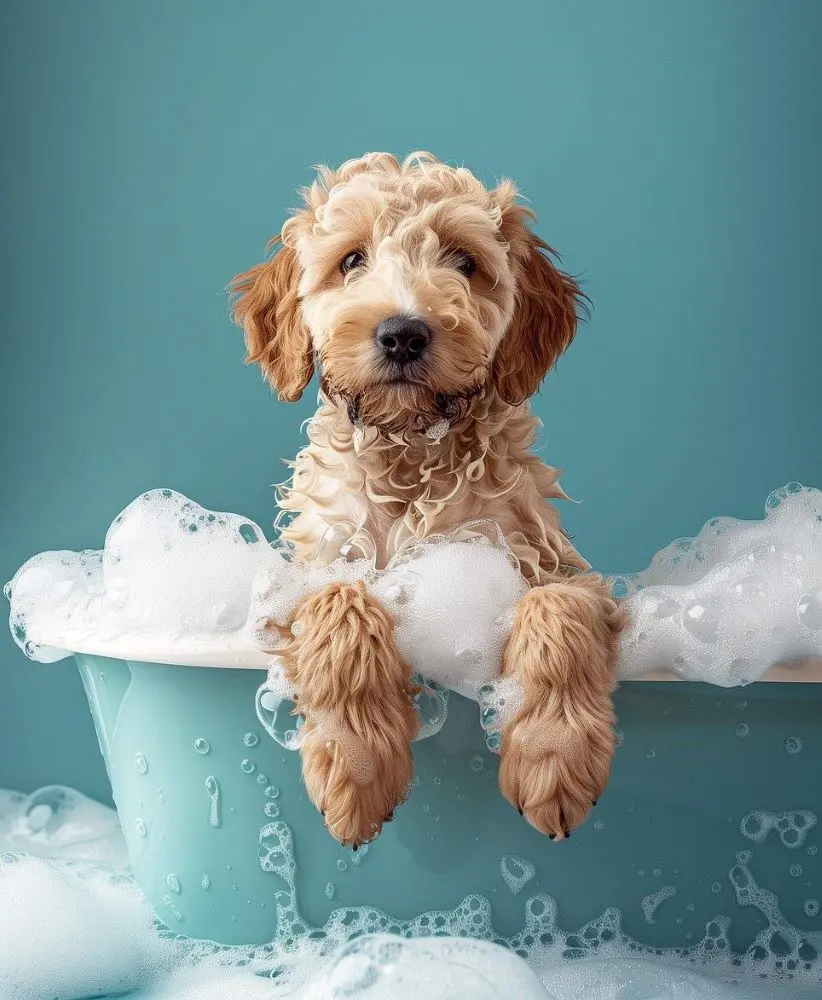
Have you ever wondered if you're bathing your furry friend too much or not enough? It's a common question among dog owners, and the answer isn't always straightforward. After all, we all want our canine companions to be clean, happy, and healthy, but overdoing it can sometimes do more harm than good.
We love our dogs, and keeping them clean seems like a natural extension of that love. But the truth is, figuring out the right bathing schedule can be tricky. Concerns about dry skin, allergies, and even just the hassle of bath time can leave us feeling unsure about the best course of action. We want to do what's right for our pups, but finding the right balance can be a challenge.
So, how oftenshouldyou bathe your dog? The general rule of thumb is that most dogs only need a bath every few months, but this can vary greatly depending on breed, lifestyle, and skin condition. Factors such as coat type, activity level (rolling in mud!), and any underlying skin issues play a significant role in determining the ideal frequency. Let's dive deeper into the world of dog bathing and uncover the secrets to a clean and happy pup!
Ultimately, the frequency of bathing your dog depends on their breed, lifestyle, and skin health. Over-bathing can lead to dry skin and irritation, while under-bathing can result in a smelly and potentially unhealthy coat. By understanding your dog's individual needs, you can create a bathing routine that keeps them clean, comfortable, and looking their best. Remember to use dog-specific shampoo and conditioner, and always be gentle during bath time.
Decoding Your Dog's Coat Type
Understanding your dog's coat is the first step in determining their bathing needs. When I first got my Golden Retriever, Buddy, I assumed he'd need frequent baths like the other dogs I'd owned. His long, flowing coat seemed to attract every bit of dirt and debris from the park! I started bathing him weekly, but soon noticed his skin becoming dry and flaky. He was constantly scratching, which made me feel terrible.
I consulted with my vet, who explained that Golden Retrievers have a double coat, designed to repel water and regulate their body temperature. Frequent bathing was stripping away the natural oils that kept his skin healthy and his coat shiny. She recommended switching to a monthly bath, using a moisturizing shampoo specifically formulated for dogs with sensitive skin. The change was remarkable! Buddy's skin cleared up, his coat regained its luster, and he stopped scratching constantly. This experience taught me the importance of understanding the specific needs of each dog's coat type.
Different coat types require different levels of care. Dogs with short, smooth coats, like Greyhounds or Boxers, generally need less frequent bathing than dogs with long, thick coats, like Samoyeds or Shih Tzus. Wire-haired breeds, such as Terriers, have a unique coat texture that benefits from regular grooming but not necessarily frequent baths. Even within the same breed, individual dogs can have different skin sensitivities and oil production levels, further influencing their bathing needs. Observing your dog's skin and coat condition is crucial for determining the right bathing schedule.
The Impact of Lifestyle on Bathing Frequency
A dog's daily activities play a significant role in how often they need a bath. A pampered pooch who spends most of their time indoors will naturally require fewer baths than an adventurous canine who loves to explore the great outdoors. Imagine a dog who loves nothing more than digging in the garden, rolling in the grass, or splashing in muddy puddles – they're bound to get dirtier faster than a dog who prefers to lounge on the couch.
If your dog frequently engages in activities that expose them to dirt, allergens, or other irritants, you'll likely need to bathe them more often. However, it's essential to avoid over-bathing, even with an active dog. Consider spot-cleaning or wiping down muddy paws and bellies between baths to minimize the need for full-body washing. Using a damp cloth or dog-friendly wipes can effectively remove dirt and grime without stripping away essential oils. Remember, the goal is to keep your dog clean and comfortable without compromising their skin health.
Beyond outdoor activities, certain indoor habits can also influence bathing frequency. For example, dogs who are prone to shedding or who spend a lot of time licking themselves may benefit from more regular baths to remove loose fur and prevent skin irritation. Ultimately, the key is to observe your dog's individual habits and adjust their bathing schedule accordingly. If you're unsure, consult with your veterinarian or a professional groomer for personalized advice.
Myths and Misconceptions About Dog Bathing
There are many misconceptions surrounding dog bathing, often stemming from well-intentioned but outdated advice. One common myth is that all dogs need to be bathed weekly to maintain good hygiene. While this may be true for some dogs with specific skin conditions or particularly dirty lifestyles, it's generally not necessary or even beneficial for most dogs. Over-bathing can strip away the natural oils that protect the skin and coat, leading to dryness, irritation, and even an increased risk of skin infections.
Another misconception is that human shampoo is safe for dogs. While it may seem convenient to use your own shampoo on your furry friend, human shampoos are formulated with a different p H balance than dog shampoos. Using human shampoo on a dog can disrupt their skin's natural p H, leading to dryness, itching, and other skin problems. It's always best to use a shampoo specifically designed for dogs, which will be gentler on their skin and coat.
Finally, some people believe that bathing a dog will get rid of fleas. While bathing can help to remove some fleas, it's not a substitute for proper flea prevention. Fleas are resilient creatures, and they can quickly re-infest a dog after a bath. To effectively control fleas, it's essential to use a veterinarian-recommended flea preventative medication, along with regular grooming and cleaning of your dog's environment. By debunking these common myths, we can make more informed decisions about our dog's bathing routines.
The Hidden Secrets to a Perfect Dog Bath
The secret to a perfect dog bath isn't just about getting them clean – it's about creating a positive and stress-free experience for both you and your furry friend. One hidden secret is to start acclimating your dog to baths from a young age. Introducing puppies to water and the bathing process gradually can help them develop a positive association with bath time, making it easier to manage as they grow older.
Another hidden secret is to use the right tools and products. Investing in a good quality dog shampoo, a non-slip mat for the tub, and a gentle sprayer can make a world of difference. Choose a shampoo that is specifically formulated for your dog's coat type and skin condition, and avoid using harsh chemicals or fragrances. A non-slip mat will help to prevent your dog from slipping and sliding in the tub, reducing their anxiety. A gentle sprayer will allow you to rinse your dog thoroughly without causing discomfort.
Finally, the most important hidden secret is to be patient and gentle. Bath time should be a positive experience for your dog, not a battle. Speak to them in a calm and reassuring voice, and offer plenty of praise and treats. If your dog is particularly anxious, consider breaking the bath into smaller sessions or enlisting the help of a friend or family member. With patience and a gentle approach, you can transform bath time from a chore into a bonding experience.
Recommendations for Dog Bathing Frequency
While there's no one-size-fits-all answer, here are some general recommendations for dog bathing frequency based on breed and lifestyle. For dogs with short, smooth coats, such as Greyhounds or Boxers, bathing every 2-3 months is usually sufficient. These breeds have relatively low maintenance coats and don't require frequent washing to stay clean.
Dogs with medium-length coats, such as Golden Retrievers or Labrador Retrievers, may need to be bathed every 1-2 months. Their coats tend to attract more dirt and debris than short-haired breeds, but over-bathing can still lead to dry skin. Adjust the frequency based on your dog's activity level and skin condition. If your dog is prone to shedding, you may want to bathe them more frequently during shedding season to help remove loose fur.
Dogs with long, thick coats, such as Samoyeds or Shih Tzus, may require more frequent bathing, typically every 2-4 weeks. These breeds have a lot of hair that can easily trap dirt and mats. Regular brushing is essential to prevent tangles and mats, and bathing can help to remove loose fur and keep their coats clean and healthy. Always use a moisturizing shampoo and conditioner to prevent dryness.
Factors Influencing Bathing Schedules
Several factors can influence your dog's ideal bathing schedule, including their age, health, and environment. Puppies, for example, may need more frequent baths than adult dogs, especially if they're still learning housetraining. Senior dogs, on the other hand, may have more sensitive skin and require less frequent bathing. Dogs with allergies or skin conditions may need to be bathed more often with a medicated shampoo to manage their symptoms.
The environment in which your dog lives can also affect their bathing needs. Dogs who live in urban areas may be exposed to more pollutants and allergens than dogs who live in rural areas. Dogs who spend a lot of time outdoors may get dirtier faster than dogs who spend most of their time indoors. Consider these factors when determining your dog's bathing schedule.
Ultimately, the best way to determine how often to bathe your dog is to observe their skin and coat condition. If their skin is dry, flaky, or itchy, you may be bathing them too often. If their coat is greasy, smelly, or full of dirt, you may not be bathing them often enough. Consult with your veterinarian or a professional groomer for personalized advice based on your dog's individual needs.
Tips for a Stress-Free Dog Bathing Experience
Making bath time a positive experience for your dog can be achieved with a few simple tips and tricks. Start by creating a calm and relaxing atmosphere. Choose a quiet time when you're not rushed or stressed, and make sure the bathroom is warm and comfortable. Gather all your supplies beforehand, including shampoo, conditioner, towels, and a non-slip mat.
Before you even turn on the water, take some time to get your dog comfortable with the bathing area. Let them sniff around the tub or shower, and offer treats and praise to create positive associations. Start by simply wetting their paws and legs, and gradually work your way up to their entire body. Use a gentle sprayer or a cup to pour water over them, avoiding their face and ears.
When shampooing, use a small amount and lather it gently, avoiding the eyes and ears. Rinse thoroughly to remove all traces of shampoo, as residue can irritate their skin. Towel-dry your dog as much as possible, and then let them air dry or use a dog-specific dryer on a low setting. Remember to offer plenty of praise and treats throughout the process to reinforce positive behavior. With patience and consistency, you can transform bath time from a dreaded chore into a bonding experience.
Choosing the Right Shampoo for Your Dog
Selecting the right shampoo is crucial for maintaining your dog's skin and coat health. There are countless dog shampoos on the market, each with its own unique ingredients and benefits. When choosing a shampoo, consider your dog's coat type, skin condition, and any allergies or sensitivities they may have. For dogs with dry skin, look for a moisturizing shampoo with ingredients like oatmeal, aloe vera, or shea butter.
For dogs with oily skin, choose a degreasing shampoo that will help to remove excess oil and prevent breakouts. For dogs with allergies or sensitive skin, opt for a hypoallergenic shampoo that is free of harsh chemicals, fragrances, and dyes. Medicated shampoos are available for dogs with specific skin conditions, such as eczema or fungal infections. These shampoos typically contain ingredients like ketoconazole or chlorhexidine, which can help to treat and prevent infections.
Always read the label carefully and follow the instructions provided by the manufacturer. Avoid using human shampoo on your dog, as it can disrupt their skin's natural p H balance and lead to dryness and irritation. If you're unsure which shampoo is best for your dog, consult with your veterinarian or a professional groomer for personalized recommendations.
Fun Facts About Dog Bathing
Did you know that dogs have been bathed for centuries? Ancient Egyptians were known to bathe their dogs in milk and honey to keep their coats soft and shiny. The Romans also valued cleanliness in their pets and used olive oil and herbs to cleanse and condition their dogs' fur. Throughout history, dog bathing has been associated with health, hygiene, and even social status.
Another fun fact is that some dogs actually enjoy bath time! While many dogs dread the tub, others find it to be a relaxing and enjoyable experience. These dogs may enjoy the warm water, the gentle massage of the shampoo, and the attention they receive from their owners. With proper training and positive reinforcement, even the most bath-averse dogs can learn to tolerate and even enjoy bath time.
Finally, dog bathing has evolved significantly over the years. From simple rinses with water to sophisticated grooming sessions with specialized products and equipment, dog bathing has become a multi-billion dollar industry. Today, dog owners have access to a wide range of shampoos, conditioners, dryers, and other grooming tools to keep their furry friends looking and feeling their best. Whether you're a DIY groomer or prefer to leave it to the professionals, dog bathing is an essential part of pet care.
How to Make Bath Time a Positive Experience
Transforming bath time into a positive experience for your dog requires patience, consistency, and a little bit of creativity. Start by creating a relaxing and comfortable environment. Choose a quiet time when you're not rushed or stressed, and make sure the bathroom is warm and well-ventilated. Gather all your supplies beforehand, including shampoo, conditioner, towels, and a non-slip mat.
Before you even turn on the water, take some time to get your dog comfortable with the bathing area. Let them sniff around the tub or shower, and offer treats and praise to create positive associations. Start by simply wetting their paws and legs, and gradually work your way up to their entire body. Use a gentle sprayer or a cup to pour water over them, avoiding their face and ears.
During the bath, speak to your dog in a calm and reassuring voice. Offer plenty of praise and treats to reinforce positive behavior. If your dog starts to get anxious or stressed, take a break and try again later. With patience and consistency, you can help your dog overcome their fear of bath time and learn to enjoy the experience.
What If You Bathe Your Dog Too Often?
Over-bathing your dog can have several negative consequences for their skin and coat health. Frequent washing can strip away the natural oils that protect the skin, leading to dryness, irritation, and even an increased risk of skin infections. Dry skin can become itchy and uncomfortable, causing your dog to scratch excessively, which can further damage their skin.
Over-bathing can also disrupt the natural p H balance of your dog's skin, making it more susceptible to bacteria and yeast infections. Additionally, some shampoos contain harsh chemicals that can irritate sensitive skin and trigger allergic reactions. If you notice that your dog's skin is dry, flaky, or itchy, or if they're scratching excessively after a bath, you may be bathing them too often.
To prevent over-bathing, stick to a bathing schedule that is appropriate for your dog's breed, lifestyle, and skin condition. Use a gentle, moisturizing shampoo that is specifically formulated for dogs, and avoid using harsh chemicals or fragrances. If you're unsure how often to bathe your dog, consult with your veterinarian or a professional groomer for personalized advice.
Listicle: 5 Signs You're Bathing Your Dog Too Much
1.Dry, Flaky Skin: If your dog's skin is constantly dry and flaky, even after using a moisturizing shampoo, you're likely bathing them too often.
2.Excessive Scratching: Frequent scratching, especially after a bath, is a telltale sign of dry, irritated skin caused by over-bathing.
3.Dull Coat: While bathing is supposed to make their coat shiny, over-bathing can strip away natural oils, resulting in a dull, lifeless coat.
4.Skin Redness or Inflammation: Redness, inflammation, or hot spots on your dog's skin can be caused by frequent bathing and harsh shampoos.
5.Increased Skin Sensitivity: If your dog's skin becomes easily irritated or sensitive to touch, it could be due to over-bathing and stripping away the protective oils.
Question and Answer About How Often Should You Bathe Your Dog?
Q: How often should I bathe my puppy?
A: Puppies generally need more frequent baths than adult dogs, especially while they're still learning housetraining. However, avoid bathing them too often, as their skin is more sensitive. A bath every 2-3 weeks is usually sufficient, unless they get particularly dirty.
Q: What type of shampoo should I use on my dog?
A: Always use a shampoo specifically formulated for dogs. Avoid using human shampoo, as it can disrupt their skin's natural p H balance. Choose a shampoo that is appropriate for your dog's coat type and skin condition, such as a moisturizing shampoo for dry skin or a hypoallergenic shampoo for sensitive skin.
Q: How can I make bath time less stressful for my dog?
A: Create a calm and relaxing atmosphere, use positive reinforcement (treats and praise), and introduce your dog to the bathing area gradually. Make sure the water is warm but not too hot, and avoid getting water in their eyes and ears.
Q: Can I use a hair dryer on my dog?
A: Yes, but use a hair dryer specifically designed for dogs or a regular hair dryer on a low, cool setting. Keep the dryer moving and avoid holding it too close to their skin to prevent burns. Towel-drying is always a gentler option if your dog is sensitive to noise or heat.
Conclusion of How Often Should You Bathe Your Dog?
Determining how often to bathe your dog is a balancing act, influenced by breed, lifestyle, and skin sensitivity. By understanding your dog's unique needs and observing their skin and coat condition, you can create a bathing routine that keeps them clean, comfortable, and healthy. Remember to use dog-specific shampoo and conditioner, be gentle during bath time, and consult with your veterinarian or a professional groomer if you have any concerns. A happy, healthy, and clean dog is a reward for every owner.
0 Response to "How Often Should You Bathe Your Dog?"
Post a Comment