How to Prevent Separation Anxiety in Dogs
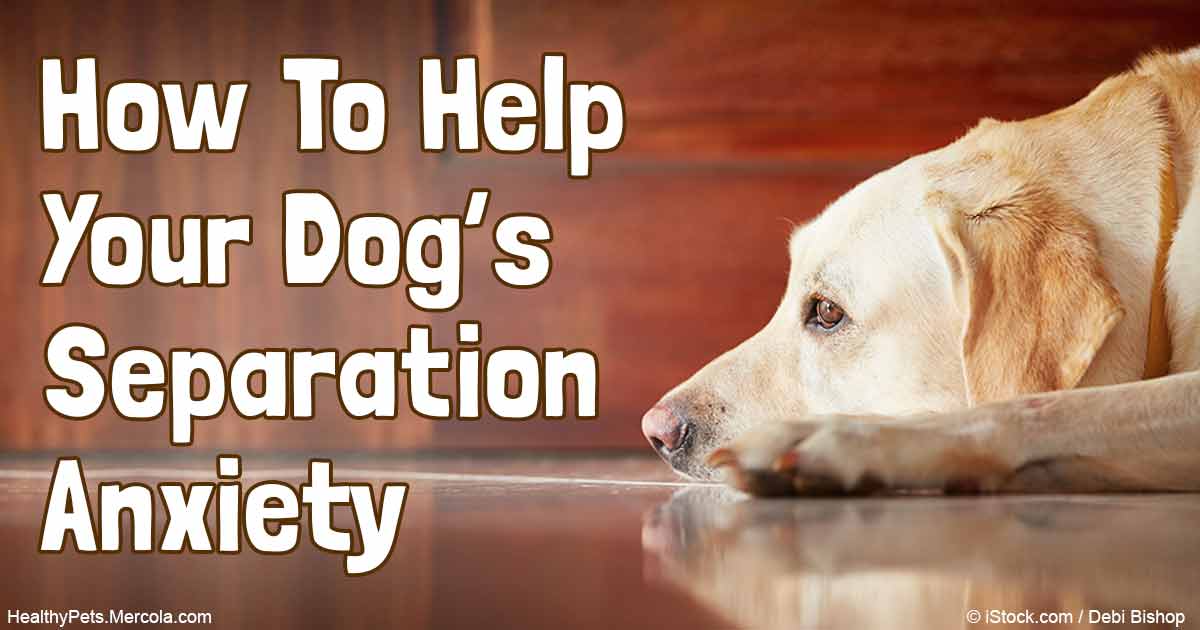
Imagine the scene: you're heading out the door, keys in hand, and your furry best friend is giving youthatlook. The one that melts your heart and fills you with guilt all at the same time. Is it just puppy love, or could it be something more? Could it be the beginnings of separation anxiety?
Leaving your dog can be tough, for both of you. The whimpers, the howls, the chewed-up furniture… it’s not just destructive behavior; it's a sign of distress. You want your dog to be happy and secure, even when you're not around. The thought of them suffering while you’re at work or running errands is heartbreaking, and you might even start dreading leaving the house altogether. It’s a heavy burden to carry, knowing your departure causes your beloved companion so much anguish.
This guide is dedicated to helping you understand and proactively address separation anxiety in dogs. We'll explore practical strategies and techniques to help your dog feel safe and secure when left alone, ultimately strengthening your bond and improving their overall well-being. We will look into preventative measures to ease that anxiety that your dog may experience when you are not present.
This post delves into the world of canine separation anxiety, providing insights into its causes, practical prevention methods, and effective coping strategies. From building independence through positive reinforcement to creating a safe and comfortable environment, we cover essential techniques for a happier, more confident dog. You will also discover history, myths, secret and fun facts, and tips about canine separation anxiety, including Q&A with conclusion.
Understanding the Root Causes
When my Golden Retriever, Buddy, was a puppy, I thought his clinginess was just a sign of affection. I worked from home back then, so he was rarely alone. But the first time I had to go out of town for a few days, leaving him with a trusted friend, I came back to a distraught pup and a slightly apologetic house-sitter. Buddy had refused to eat, whined constantly, and generally made everyone miserable. That's when I realized it wasn't just puppy love; it was something deeper.
Separation anxiety in dogs isn’t simply a matter of being lonely. It's a complex emotional response triggered by the absence of their primary caregiver. Several factors can contribute to the development of this anxiety. These may include a change in routine, such as a new work schedule or a move to a new home. Traumatic events, like spending time at a shelter or experiencing a period of isolation, can also play a significant role. Furthermore, some dogs are simply predisposed to anxiety due to their genetics or early experiences. Understanding the underlying cause is crucial for developing an effective prevention strategy. Identifying potential triggers allows you to proactively manage your dog's environment and minimize the risk of anxiety escalating.
Creating a Foundation of Independence
Building a dog’s sense of independence is crucial in preventing separation anxiety. A dog overly reliant on its owner for reassurance and entertainment is more likely to experience distress when left alone.
One of the best ways to foster independence is through structured training sessions. Teach your dog basic commands like "stay" and "go to your place." Reward them generously when they comply, creating a positive association with being alone. Puzzle toys and interactive feeders are also excellent tools for promoting independence. These toys keep your dog mentally stimulated and engaged, providing a constructive outlet for their energy when you're not around. Rotate the toys regularly to keep them fresh and exciting. Another helpful technique is to practice short departures. Start by leaving your dog alone for just a few minutes, gradually increasing the duration as they become more comfortable. This helps them learn that your departures are temporary and that you always come back. Avoid making a fuss when you leave or return. Keep your departures and arrivals calm and low-key, minimizing the emotional impact on your dog.
Dispelling the Myths Around Separation Anxiety
There are many misconceptions surrounding separation anxiety in dogs. One common myth is that it's simply a behavioral problem stemming from a lack of training or discipline. This is far from the truth. Separation anxiety is a genuine anxiety disorder, rooted in fear and distress, not disobedience.
Another misconception is that getting a second dog will automatically solve the problem. While companionship can sometimes alleviate anxiety, it's not a guaranteed solution. In some cases, the anxious dog may become even more reliant on the other dog, exacerbating the problem when both are left alone. Furthermore, the second dog may even develop separation anxiety as a result of observing the first dog's distress. It's crucial to address the underlying anxiety directly rather than relying on a quick fix. Some people also believe that ignoring the dog's anxiety will make it go away on its own. This approach is not only ineffective but can also be harmful. Ignoring a dog's distress can intensify their fear and anxiety, potentially leading to more severe behavioral problems. It's essential to acknowledge your dog's feelings and provide them with the support and reassurance they need. By understanding and dispelling these myths, you can approach separation anxiety with a more informed and compassionate perspective.
Unveiling the Secrets to a Calm Canine Companion
The secret to preventing separation anxiety isn't about eliminating all alone time, but about creating a positive association with it. It's about teaching your dog that being alone can be safe, comfortable, and even enjoyable.
One hidden secret is the power of scent. Leaving an old t-shirt or blanket with your scent on it can provide your dog with a sense of comfort and security in your absence. Your scent acts as a familiar and reassuring presence, helping to alleviate their anxiety. Another often overlooked secret is the importance of routine. Dogs thrive on predictability. Establishing a consistent daily routine, including feeding times, walks, and playtime, can create a sense of stability and security for your dog. A predictable routine helps them anticipate your departures and arrivals, reducing the anxiety associated with the unknown. Furthermore, consider creating a "safe space" for your dog. This could be a comfortable crate, a cozy bed, or a specific room in your house. Fill this space with their favorite toys and blankets, making it a haven where they feel secure and relaxed. By unveiling these secrets, you can create a more positive and supportive environment for your dog, minimizing their risk of developing separation anxiety.
Tailoring Your Approach: Personalized Recommendations
Every dog is an individual, and what works for one may not work for another. A personalized approach is key to effectively preventing separation anxiety. Observe your dog's behavior closely to identify any specific triggers or anxieties.
If your dog is particularly sensitive to visual cues, such as you putting on your shoes or grabbing your keys, try desensitizing them to these triggers. Pick up your keys and put them down several times throughout the day without actually leaving. This helps to break the association between these actions and your departure. If your dog is highly food-motivated, use puzzle toys or treat-dispensing toys to keep them occupied while you're gone. Fill the toys with high-value treats that they only get when you're away, creating a positive association with your absence. For dogs with high energy levels, ensure they get plenty of exercise before you leave. A tired dog is more likely to relax and nap while you're gone. Consider hiring a dog walker or sending your dog to daycare a few times a week for socialization and exercise. If your dog's anxiety is severe, consult with a veterinarian or a certified dog trainer. They can provide you with personalized recommendations and, if necessary, prescribe medication or recommend behavior modification techniques. Remember, patience and consistency are essential. It takes time and effort to help your dog feel comfortable and secure when left alone.
The Power of Counter-Conditioning
Counter-conditioning involves changing your dog's emotional response to being alone from a negative one to a positive one. This is achieved by pairing your departures with something your dog loves, such as a special treat or a fun activity.
For example, you could give your dog a Kong filled with peanut butter every time you leave the house. Make sure the Kong is only available when you're gone, creating a strong association between your departure and something positive. As your dog enjoys the treat, they'll gradually start to associate your absence with a pleasurable experience. Another counter-conditioning technique is to play a specific type of music or white noise while you're away. Choose music that is calming and relaxing for dogs, such as classical music or reggae. The familiar sounds can provide a sense of comfort and security, masking any outside noises that might trigger anxiety. It's important to note that counter-conditioning takes time and consistency. Don't expect to see results overnight. Keep practicing the techniques regularly, and gradually increase the duration of your departures as your dog becomes more comfortable. If your dog shows signs of distress, such as refusing to eat the treat or becoming agitated, reduce the duration of your departures and consult with a professional dog trainer or veterinarian. With patience and persistence, you can help your dog learn to associate your absence with positive experiences, reducing their anxiety and improving their overall well-being.
Simple Yet Effective Tips and Tricks
Preventing separation anxiety doesn't always require complex solutions. Sometimes, the simplest tricks can be the most effective. One easy tip is to create a "departure ritual."
This involves performing the same sequence of actions every time you leave, such as putting on your shoes, grabbing your keys, and saying a specific phrase to your dog. The consistency of the ritual can help your dog anticipate your departure and feel more secure. Another helpful trick is to leave the TV or radio on while you're away. The background noise can provide a sense of company and mask any unsettling outside sounds. Choose a channel or station that plays calming music or talk shows. Avoid channels with loud or jarring sounds, such as action movies or news programs. You can also try using a pheromone diffuser designed to reduce anxiety in dogs. These diffusers release synthetic versions of the pheromones produced by nursing mothers, creating a sense of calm and security for your dog. Place the diffuser in your dog's safe space or in an area where they spend most of their time. Remember to keep your departures and arrivals low-key. Avoid making a fuss or showering your dog with attention when you leave or return. This can inadvertently reinforce their anxiety by making your departure seem like a big deal. By incorporating these simple tips and tricks into your routine, you can create a more comfortable and secure environment for your dog, reducing their risk of developing separation anxiety.
Desensitization Techniques
Desensitization involves gradually exposing your dog to the triggers that cause their anxiety, starting with very low levels of exposure and gradually increasing the intensity over time. The goal is to help your dog become accustomed to these triggers without experiencing anxiety.
For example, if your dog gets anxious when you put on your shoes, start by simply picking up your shoes and holding them for a few seconds. Reward your dog with a treat or praise if they remain calm. Gradually increase the duration of time you hold your shoes, and eventually start putting them on without leaving the house. If your dog gets anxious when you grab your keys, start by simply picking up your keys and putting them down. Reward your dog if they remain calm. Gradually increase the duration of time you hold your keys, and eventually start jingling them without leaving the house. The key to successful desensitization is to move at your dog's pace. If they show signs of anxiety, such as whining, pacing, or panting, reduce the intensity of the exposure and try again later. It's also important to be patient and consistent. It may take several weeks or even months for your dog to become fully desensitized to their triggers. Consider consulting with a professional dog trainer or behaviorist for guidance on implementing desensitization techniques. They can help you identify your dog's specific triggers and develop a personalized desensitization plan.
Fun Facts About Canine Separation Anxiety
Did you know that separation anxiety is more common in rescue dogs? This is likely due to the trauma they may have experienced before being adopted. Shelter dogs often experience a lot of transition. These frequent transitions can be a cause of distress for them.
Another interesting fact is that certain breeds are more prone to separation anxiety than others. Breeds known for their high energy levels and strong attachment to their owners, such as German Shepherds, Border Collies, and Labrador Retrievers, are often more susceptible to the condition. Separation anxiety can manifest in a variety of ways, from mild whining and pacing to destructive chewing and excessive barking. Some dogs may even experience physiological symptoms, such as vomiting or diarrhea. Contrary to popular belief, separation anxiety is not a sign of bad behavior or a lack of training. It's a genuine anxiety disorder that requires understanding and compassion. Dogs with separation anxiety are not deliberately being destructive or disobedient. They are simply reacting to the fear and distress they experience when left alone. Early intervention is key to preventing separation anxiety from becoming a chronic problem. The sooner you address the issue, the easier it will be to manage and resolve. By understanding these fun facts about canine separation anxiety, you can gain a deeper appreciation for the challenges faced by dogs with this condition and provide them with the support and care they need.
How to Implement a Gradual Departure Strategy
A gradual departure strategy involves slowly increasing the duration of time you leave your dog alone, allowing them to adjust to your absence gradually. Start with very short departures and gradually increase the duration as your dog becomes more comfortable.
Begin by leaving your dog alone for just a few minutes at a time. Step outside the door, close it, and then immediately come back in. Reward your dog with a treat or praise if they remain calm. Gradually increase the duration of your departures, adding a few minutes each time. For example, you could leave for five minutes, then ten minutes, then fifteen minutes, and so on. Monitor your dog's behavior closely during your departures. If they show signs of anxiety, such as whining, pacing, or barking, reduce the duration of your departures and try again later. It's important to be patient and consistent with this strategy. It may take several weeks or even months for your dog to become fully comfortable being left alone. You can also use technology to help monitor your dog's behavior while you're away. Set up a webcam or pet camera to watch them remotely. This will allow you to see if they're showing signs of anxiety and adjust your departure strategy accordingly. Gradual departure is an effective way to desensitize your dog to your absence. By slowly increasing the duration of time you leave them alone, you can help them learn that your departures are temporary and that you always come back.
What If Prevention Isn't Enough? Addressing Existing Anxiety
Even with the best preventative measures, some dogs may still develop separation anxiety. If your dog is already exhibiting signs of anxiety when left alone, it's important to address the issue promptly and effectively.
First, consult with a veterinarian or a certified dog trainer. They can help you determine the severity of your dog's anxiety and develop a personalized treatment plan. In some cases, medication may be necessary to manage your dog's anxiety. Your veterinarian can prescribe anti-anxiety medications that can help to calm your dog and reduce their distress. Behavior modification techniques, such as desensitization and counter-conditioning, can also be used to address existing anxiety. These techniques involve gradually exposing your dog to the triggers that cause their anxiety and pairing those triggers with positive experiences. Creating a safe and comfortable environment for your dog is also crucial. Make sure they have a comfortable bed, plenty of toys, and access to fresh water. You can also try using a pheromone diffuser or leaving an old t-shirt with your scent on it to provide them with a sense of comfort and security. Remember, patience and consistency are essential. It takes time and effort to help a dog overcome separation anxiety. Don't get discouraged if you don't see results immediately. Keep working with your dog and seeking professional guidance as needed. With the right approach, you can help your dog feel more secure and confident when left alone.
Quick Guide to Prevent Separation Anxiety
Here's a listicle to quickly guide and help you remember the steps to prevent separation anxiety.
1.Create a Safe Space: Designate a specific area in your home as your dog's "safe space." This could be a comfortable crate, a cozy bed, or a quiet room. Fill this space with their favorite toys, blankets, and treats to create a positive association.
2.Practice Gradual Departures: Start by leaving your dog alone for just a few minutes at a time and gradually increase the duration as they become more comfortable. This helps them learn that your departures are temporary and that you always come back.
3.Desensitize to Triggers: Identify the triggers that cause your dog's anxiety, such as putting on your shoes or grabbing your keys, and gradually desensitize them to these triggers by performing these actions without leaving the house.
4.Provide Mental Stimulation: Keep your dog mentally stimulated with puzzle toys, interactive feeders, and training sessions. A bored dog is more likely to develop anxiety.
5.Establish a Routine: Create a consistent daily routine, including feeding times, walks, and playtime. Dogs thrive on predictability, and a regular routine can help them feel more secure.
6.Exercise Regularly: Make sure your dog gets plenty of exercise before you leave. A tired dog is more likely to relax and nap while you're gone.
7.Use Pheromone Diffusers: Pheromone diffusers can help to create a sense of calm and security for your dog. Place the diffuser in their safe space or in an area where they spend most of their time.
8.Consider Professional Help: If your dog's anxiety is severe, consult with a veterinarian or a certified dog trainer. They can provide you with personalized recommendations and, if necessary, prescribe medication or recommend behavior modification techniques.
Question and Answer
Here are some frequently asked questions about separation anxiety in dogs:
Q: What are the signs of separation anxiety in dogs?
A: Signs can include excessive barking or howling, destructive chewing, inappropriate urination or defecation, pacing, panting, and attempts to escape.
Q: Is separation anxiety the same as normal dog behavior?
A: No. While some whining or mild destructiveness might occur with boredom, separation anxiety is characterized by intense distress and often more severe behaviors. It’s driven by panic, not just boredom or lack of training.
Q: Can separation anxiety be cured?
A: While a complete "cure" isn't always possible, separation anxiety can be effectively managed with consistent training, behavior modification techniques, and, in some cases, medication.
Q: Is crate training a good idea for dogs with separation anxiety?
A: For some dogs, a crate can provide a safe and secure space. However, for dogs with severe separation anxiety, being confined to a crate can worsen their anxiety. It's important to introduce crate training gradually and positively, and to never use the crate as a punishment.
Conclusion of How to Prevent Separation Anxiety in Dogs
Preventing separation anxiety in dogs is an ongoing process that requires patience, understanding, and consistency. By implementing the strategies outlined in this guide, you can create a more secure and comfortable environment for your furry friend, reducing their risk of developing this distressing condition. Remember to tailor your approach to your dog's individual needs and to seek professional guidance when necessary. With dedication and commitment, you can help your dog feel safe and confident when left alone, strengthening your bond and improving their overall well-being.
0 Response to "How to Prevent Separation Anxiety in Dogs"
Post a Comment