Dog Refuses to Drink Without Ice Cubes
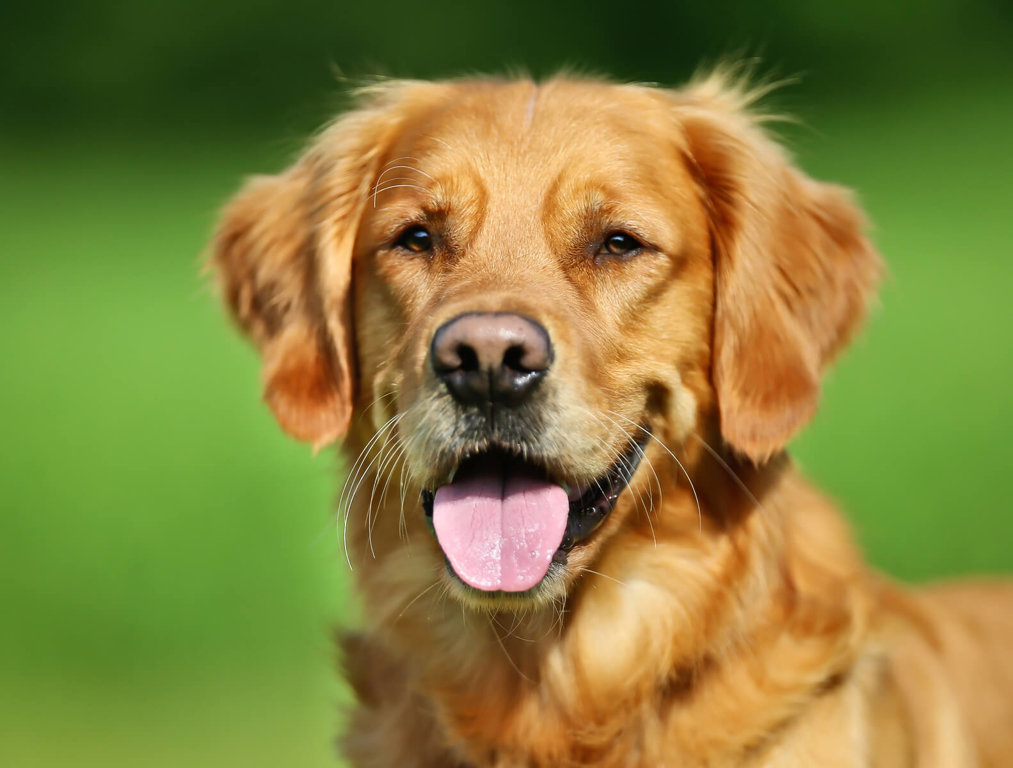
Is your furry friend suddenly turning their nose up at their water bowl unless it's filled with ice? You're not alone! It can be puzzling, frustrating, and even a little concerning when your dog develops such a specific preference. We all want our dogs to stay hydrated and healthy, so when they become picky drinkers, it's natural to wonder what's going on.
It’s stressful watching your dog seemingly refuse water, especially on a hot day. You might worry they're not getting enough fluids, leading to dehydration or other health problems. The constant trips to the freezer for ice can also become tiresome, and you might wonder if you're creating a bad habit or masking a deeper issue.
This article aims to explore the reasons behind a dog's insistence on ice water, offering potential explanations and solutions to ensure your canine companion stays properly hydrated. We'll delve into the possible causes, from temperature sensitivity to underlying health conditions, and provide practical tips to encourage your dog to drink more water, with or without ice.
We'll explore the potential reasons why your dog might prefer ice water, including heightened senses, dental issues, learned behaviors, and even the simple joy of a cold treat. We'll also discuss strategies to encourage hydration, address potential underlying health concerns, and offer tips to make water more appealing to your discerning dog. Staying hydrated is important, especially for our canine companions, so let's dive into the world of picky pups and icy water!
The Picky Pup Phenomenon
I remember when my golden retriever, Buddy, suddenly decided plain water was beneath him. One sweltering summer day, I tossed a few ice cubes into his bowl, and he lapped it up with gusto. After that, the drama began. He'd sniff his regular water, give me a pointed look, and then whine dramatically at the freezer. I thought it was a cute quirk at first, but the constant ice runs became a bit much. Was I creating a monster? Was something wrong? I started researching and experimenting. It turned out, Buddy just enjoyed the novelty and the coldness, especially during the hotter months. We live in Southern California, so summers can be brutal. I tried different bowls, different water sources, and even different times of day. Eventually, I realized that consistency was key. I still offer him ice water occasionally, but I also make sure he always has access to fresh, plain water. The key is to make the regular water as appealing as possible. Some dogs are simply more sensitive to temperature than others. A slight chill can make the water more palatable, especially if the tap water has a slightly metallic or chlorine taste. This heightened sense of taste and smell can lead them to prefer the cleaner, colder taste of iced water.
Decoding the Icy Demand
So, what exactly does it mean when your dog refuses to drink without ice cubes? It could be a simple preference, driven by heightened senses or a learned behavior. Dogs have a much stronger sense of smell and taste than humans, and they can easily detect subtle differences in water temperature and quality. The ice might mask unpleasant tastes or odors in the water, making it more appealing. Dental issues can also play a role. Cold water can soothe inflamed gums or sensitive teeth, providing temporary relief and encouraging them to drink more. Behaviorally, your dog might have learned that ice water leads to positive attention or rewards, reinforcing the preference. You might inadvertently be rewarding your dog for only drinking icy water by giving them extra attention or treats. It's also worth considering the breed and size of your dog. Some breeds are more prone to dehydration than others, and smaller dogs might be more sensitive to temperature changes. Underlying medical conditions, such as kidney disease or diabetes, can also increase thirst and potentially alter taste preferences. Finally, make sure to rule out potential health issues with your veterinarian before assuming it is just a behavioral problem.
A Chilling History (and Myths!)
The phenomenon of dogs preferring ice water isn't exactly new, but it hasn't been extensively studied. Anecdotally, many dog owners report similar experiences, especially during warmer months. There's no real "history" to the trend, but rather a growing awareness of canine preferences and sensitivities. As for myths, one common misconception is that ice water can cause bloat in dogs. Bloat, or gastric dilatation-volvulus (GDV), is a serious condition that primarily affects large, deep-chested breeds. While the exact cause of bloat is unknown, factors like rapid eating, exercising after eating, and stress are considered contributing factors. There's no scientific evidence to suggest that ice water directly causes bloat. However, some veterinarians advise caution, suggesting that large gulps of very cold water might contribute to the risk in predisposed dogs. The myth might stem from the general concern about bloat, leading owners to be cautious about anything that could potentially trigger it. Another myth is that dogs "need" ice water to stay hydrated. While some dogs clearly prefer it, plain water is perfectly adequate for hydration as long as it is fresh and readily available.
The Secret Language of Thirst
The "hidden secret" behind a dog's ice water preference often lies in their sensory experience. Dogs experience the world through smell and taste in ways we can only imagine. Their sense of smell is estimated to be 10,000 to 100,000 times more sensitive than ours, allowing them to detect minuscule differences in water quality. Similarly, their taste buds, while fewer in number than humans, are still capable of discerning subtle flavors. The secret isn't that ice water is inherently superior, but rather that it masks or alters the taste and smell of the water, making it more palatable to sensitive pups. This can be particularly true if your tap water contains chlorine or other chemicals. Cold temperatures also slow down the release of volatile organic compounds, which are responsible for many of the unpleasant tastes and odors in water. Essentially, the ice acts as a natural filter, creating a cleaner, more refreshing drinking experience for your dog. The secret, then, is understanding that your dog isn't being picky for the sake of being picky. They're simply responding to sensory information that we might not even be aware of.
Icy Recommendations for Hydration
If your dog has developed a penchant for ice water, there are several ways to manage their hydration and ensure they're getting enough fluids. First, make sure fresh, plain water is always available, even if they seem to ignore it. Consistency is key. Experiment with different types of bowls (ceramic, stainless steel, plastic) to see if your dog has a preference. Consider using a water fountain, which can provide a constant supply of fresh, filtered water. If your dog refuses plain water, try adding a small amount of unsalted chicken or beef broth to make it more appealing. You can also try flavoring the water with a few drops of pet-safe electrolyte solution, especially during hot weather or after exercise. If you do offer ice water, use filtered water to make the ice cubes, and avoid giving them too many at once, especially to large dogs prone to bloat. Finally, don't overthink it. If your dog is otherwise healthy and happy, their ice water preference might simply be a harmless quirk. Monitor their water intake and consult with your veterinarian if you have any concerns.
Alternative Hydration Methods
Beyond ice water, several other methods can help keep your dog hydrated. Consider incorporating wet food into their diet, as it contains a higher percentage of water than dry kibble. You can also offer hydrating treats like watermelon or cucumber slices (in moderation, of course). If your dog enjoys chewing, freeze some broth or plain yogurt in ice cube trays for a refreshing and hydrating snack. During walks, carry a portable water bottle and collapsible bowl to offer water frequently. Pay attention to your dog's body language. Signs of dehydration include sunken eyes, dry gums, and decreased skin elasticity. If you suspect your dog is dehydrated, consult with your veterinarian immediately. Regular veterinary checkups can also help identify any underlying health conditions that might be affecting their thirst or water intake. Ultimately, the goal is to find a hydration strategy that works for your dog and their individual needs. A little experimentation and observation can go a long way in ensuring they stay happy, healthy, and well-hydrated.
Tips and Tricks for Picky Drinkers
Encouraging a picky dog to drink can feel like a constant battle, but there are several strategies you can try. Start by ensuring that their water bowl is clean and fresh. Bacteria can build up quickly in water bowls, making the water less appealing. Wash the bowl daily with soap and water. Try placing multiple water bowls in different locations around the house. This can make water more accessible and encourage them to drink more frequently. Elevate the water bowl if your dog is older or has mobility issues. This can make it easier for them to reach the water without straining their neck or joints. Consider using a different type of water. Some dogs prefer filtered water, while others prefer bottled water or even tap water that has been left out to dechlorinate. If your dog is hesitant to drink from a bowl, try offering water from a syringe or a spoon. This can be especially helpful if they are recovering from an illness or surgery. Finally, be patient and persistent. It might take some time to find a strategy that works for your dog, but don't give up. Consistency and positive reinforcement are key to success.
Making Water Irresistible
To truly entice your picky drinker, think about making water an exciting experience. Add a few dog-safe toys to their water bowl to encourage them to play and drink at the same time. Try creating a "water obstacle course" by placing water bowls at different heights and locations, encouraging them to explore and drink along the way. You can also try using a flavored water enhancer specifically designed for pets. These enhancers come in a variety of flavors, such as chicken, beef, and peanut butter, and can make water more appealing to picky drinkers. Remember to introduce new strategies gradually and observe your dog's reaction. If they seem stressed or uncomfortable, try a different approach. The goal is to make drinking water a positive and enjoyable experience, not a chore. By getting creative and experimenting with different techniques, you can find a way to keep your picky pup hydrated and happy.
Fun Facts About Canine Hydration
Did you know that dogs are about 70% water? This highlights the importance of staying properly hydrated for their overall health and well-being. Here's another fun fact: dogs don't sweat like humans do. They primarily regulate their body temperature through panting, which can lead to significant water loss, especially during hot weather or exercise. The average dog needs about one ounce of water per pound of body weight per day. However, this can vary depending on their activity level, diet, and overall health. Smaller breeds typically require more water per pound of body weight than larger breeds. Puppies also need more water than adult dogs to support their rapid growth and development. Dehydration can have serious consequences for dogs, including organ damage, seizures, and even death. That's why it's so important to ensure that your dog has access to fresh water at all times and to recognize the signs of dehydration early on. So, keep those water bowls filled and pay attention to your furry friend's drinking habits!
How To Encourage Hydration in Picky Dogs
When a dog turns their nose up at plain water, getting creative is essential. Consider the location of the water bowl. Is it in a high-traffic area? Some dogs prefer a quiet, secluded spot. Experiment with different bowls – ceramic, stainless steel, glass. Each material can subtly affect the water's taste. Try filtered water or even bottled water to see if it makes a difference. Add a splash of unsalted broth to the water, but be sure it's free of onion and garlic, which are toxic to dogs. Freezing bone broth into ice cubes is another tasty way to add flavor and hydration. You can also add a few pieces of their favorite kibble to the water to encourage them to drink. For picky eaters, try a pet water fountain. The flowing water can be more enticing than a still bowl. Some dogs prefer their water slightly chilled, so add a few ice cubes (especially on warm days) to make it more appealing. However, make sure the water isn't too cold, as this can sometimes cause stomach upset. Keep the water bowl clean, as bacteria can make the water less appealing. Regularly wash the bowl with soap and water.
What If My Dog Still Refuses To Drink?
If your dog consistently refuses to drink, even with the above suggestions, it's crucial to consult with a veterinarian. Persistent refusal to drink could indicate an underlying health issue, such as kidney disease, diabetes, or a urinary tract infection. Your vet can perform a physical exam and run diagnostic tests to determine the cause of the problem. Dehydration can quickly become a serious problem for dogs, so it's important to seek veterinary attention as soon as possible. In some cases, your vet may recommend subcutaneous fluids to rehydrate your dog. This involves injecting fluids under the skin, which are then absorbed into the bloodstream. They might also prescribe medications to address the underlying health condition. It's also important to monitor your dog's urine output. If they are not urinating regularly or their urine is dark and concentrated, this could be a sign of dehydration. Don't wait to see if the problem resolves on its own. Prompt veterinary care can make a significant difference in your dog's health and well-being.
Listicle: Top Reasons Why Dogs Refuse Plain Water
Here's a quick rundown of potential reasons why your dog might be turning up their nose at plain water:
1.Taste Sensitivity: Dogs have a heightened sense of taste and smell and can detect subtle differences in water quality.
2.Bowl Preference: The material, shape, or size of the bowl can affect their willingness to drink.
3.Temperature Preference: Some dogs prefer their water slightly chilled, while others prefer it at room temperature.
4.Underlying Health Conditions: Kidney disease, diabetes, and urinary tract infections can affect their thirst and water intake.
5.Dental Issues: Sore gums or teeth can make drinking painful.
6.Medications: Some medications can cause dehydration or affect their taste preferences.
7.Learned Behavior: They may have learned that they get more attention when they refuse plain water.
8.Water Source: They may not like the taste of tap water due to chlorine or other chemicals.
9.Age: Senior dogs may be less active and therefore drink less water.
10.Environmental Factors: Hot weather or strenuous activity can increase their water needs.
Question and Answer
Q: Is it safe to give my dog ice water?
A: Generally, yes. There's no scientific evidence that ice water causes bloat. However, some vets recommend avoiding large amounts of very cold water, especially for large, deep-chested breeds prone to bloat.
Q: How much water should my dog drink per day?
A: A general guideline is one ounce of water per pound of body weight. Factors like activity level and diet can influence this. Consult your vet for personalized recommendations.
Q: What are the signs of dehydration in dogs?
A: Common signs include sunken eyes, dry gums, decreased skin elasticity, and lethargy.
Q: What if my dog won't drink anything, even with ice?
A: Consult your veterinarian immediately. Persistent refusal to drink could indicate a serious underlying health issue.
Conclusion of Dog Refuses to Drink Without Ice Cubes
Understanding why your dog insists on ice water requires a bit of detective work. By considering factors like sensory sensitivities, potential health concerns, and learned behaviors, you can create a hydration strategy that keeps your furry friend happy and healthy. Remember to consult your veterinarian if you have any concerns about your dog's water intake or overall health. With a little patience and creativity, you can ensure your dog stays properly hydrated, with or without the ice!
0 Response to "Dog Refuses to Drink Without Ice Cubes"
Post a Comment