Dog Chews Slippers Then Hides Evidence
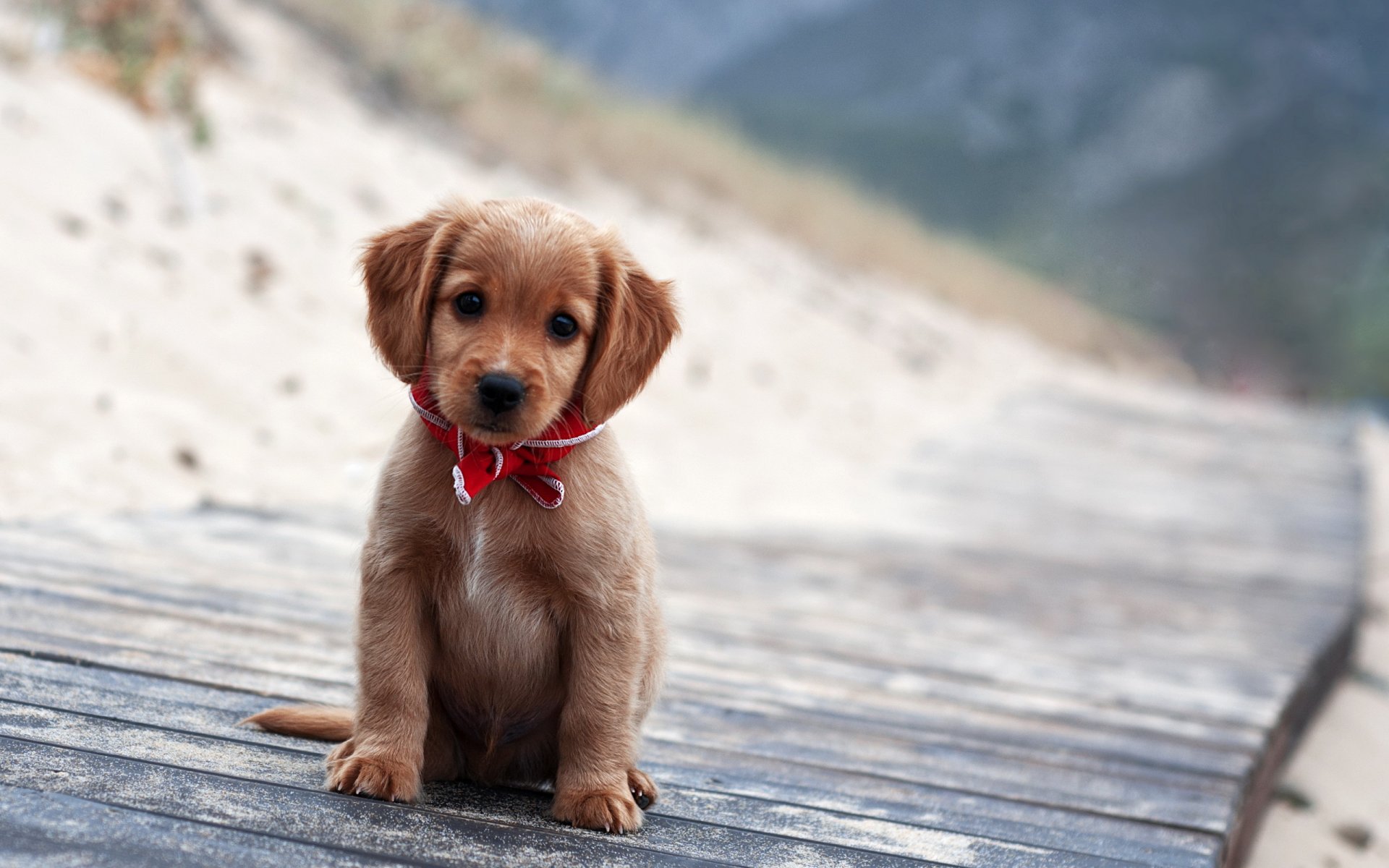
Ever come home to find your favorite slippers looking like they've been through a paper shredder, only to discover the culprit, your adorable dog, is nowhere to be seen? The mystery deepens when, after a frantic search, you find the soggy, chewed remains stashed under the sofa cushions or buried in the laundry basket. It's a canine caper of epic proportions, and you're left wondering, "Why, oh why, does my dog do this?"
The frustration is real. Beyond the cost of replacing shoes, there's the concern for your dog's safety – are they swallowing pieces? Will this habit escalate to more valuable items? And the sheer bewilderment of the "hide and seek" game they seem to be playing with destroyed property can leave you feeling defeated.
This blog post is dedicated to unraveling the mystery of why dogs chew slippers and then attempt to conceal the evidence. We'll explore the underlying reasons for this behavior, from puppyhood habits to anxiety triggers, and provide practical strategies to curb the destructive chewing and promote a happier, healthier relationship with your furry friend.
We will look at a dog's motivation behind the slipper heist and the subsequent cover-up. We will also talk about effective strategies to deter this behavior, focusing on providing appropriate chew toys, addressing potential anxiety issues, and creating a safe and enriching environment for your canine companion. Learn to outsmart your slipper-snatching, evidence-hiding dog and restore peace (and footwear) to your home!
Decoding the Canine Mind: Why Slippers?
I remember when my golden retriever, Gus, was a puppy. Everything was a chew toy – furniture legs, remote controls, and, you guessed it, my slippers. It was incredibly frustrating, especially the times I couldn't find my slippers anywhere. One morning, I was getting ready for work and couldn't find my left slipper. After searching high and low, I eventually found it buried in Gus's toy basket, surrounded by his other chew toys. It was then that I realized he wasn't necessarily being malicious, but simply following his natural instincts. Puppies explore the world with their mouths, and the soft, textured surface of a slipper is undeniably appealing. The scent of their owner, deeply embedded within the slipper's fibers, adds an extra layer of comfort and security, making it an irresistible target. Moreover, teething puppies experience discomfort, and chewing provides relief. So that was the reason Gus was chewing my slippers. But what about adult dogs that continue this behavior? Often, it's rooted in boredom or anxiety. A dog left alone for long periods without sufficient mental and physical stimulation might turn to destructive chewing as a way to release pent-up energy. Similarly, dogs with separation anxiety might chew on slippers or other items that smell like their owner in an attempt to self-soothe.
The Sneaky Cover-Up: Why Hide the Evidence?
So, the slipper has been chewed. But why the elaborate attempt to hide the evidence? The answer lies in a combination of instincts and learned behavior. Think about it from a dog's perspective. They're not necessarily thinking, "I've done something wrong, so I need to hide it." Instead, they might be instinctively trying to protect their "treasure" – the slipper they find so appealing. Hiding food or prized possessions is a natural behavior for many dogs, stemming from their wild ancestors who needed to secure resources. In the case of a chewed slipper, the dog might view it as a valuable item and instinctively try to bury or conceal it. Another possibility is that the dog has learned, through experience, that chewing slippers leads to a negative reaction from their owner. If you've scolded your dog in the past for chewing on forbidden items, they might associate the slipper with your displeasure and attempt to hide it to avoid getting in trouble. It's important to remember that dogs don't understand right and wrong in the same way that humans do. They're simply reacting to your behavior and trying to anticipate your response.
A Potted History of Dogs and Chewing
The connection between dogs and chewing goes back millennia, deeply rooted in their evolutionary history. Wild canids, the ancestors of our domestic dogs, relied on chewing to break down bones and extract nutrients from their prey. This instinctual behavior has been passed down through generations, even though modern dogs have access to readily available, processed food. Chewing also plays a crucial role in maintaining dental hygiene. Gnawing on bones and other tough materials helps to scrape away plaque and tartar, promoting healthy gums and teeth. For puppies, chewing is an essential part of development. As they explore their environment and experience teething discomfort, chewing provides both mental stimulation and physical relief. While the specific act of chewing slippers might not have a long and storied history, the underlying instinct to chew is deeply ingrained in a dog's DNA. The prevalence of this behavior throughout canine history highlights the importance of providing appropriate outlets for chewing, such as durable chew toys and bones, to satisfy their natural urges and prevent destructive chewing.
Unveiling the Hidden Secrets of Chewing
The secret behind a dog's affinity for slippers lies in a combination of sensory appeal and emotional association. Slippers often carry the scent of their owner, providing a comforting and familiar aroma that can soothe anxiety or boredom. The texture of slippers, especially those made from soft materials like fleece or sheepskin, can be particularly appealing to dogs who enjoy chewing on pliable objects. Beyond the sensory aspects, there might be a deeper emotional connection at play. A dog might chew on a slipper as a way to feel closer to their owner, especially when they're feeling lonely or insecure. The act of chewing can also be a displacement behavior, a way of releasing pent-up energy or frustration when they're feeling stressed or anxious. By understanding the underlying motivations behind the chewing, you can gain valuable insights into your dog's needs and develop strategies to address the root cause of the behavior.
Recommendations for Slipper-Saving Success
The key to preventing slipper chewing is to address the underlying cause of the behavior and provide alternative outlets for your dog's chewing instincts. Start by ensuring that your dog has access to a variety of durable chew toys that are appropriate for their size and chewing style. Rotate the toys regularly to keep them interesting and prevent boredom. Puzzle toys, which require the dog to work to extract treats, can provide mental stimulation and keep them occupied for extended periods. If you suspect that your dog is chewing out of boredom or anxiety, increase their physical and mental stimulation. Take them for longer walks, play fetch in the park, or engage them in training sessions. Consider enrolling them in doggy daycare or hiring a dog walker if you're unable to provide sufficient exercise yourself. If separation anxiety is the culprit, consult with a veterinarian or certified dog trainer to develop a behavior modification plan. This might involve desensitization techniques, such as gradually increasing the amount of time your dog is left alone, or counter-conditioning techniques, such as associating being alone with positive experiences like receiving a tasty treat.
Addressing Underlying Anxiety
One of the most effective ways to stop slipper chewing is to address any underlying anxiety that might be driving the behavior. Dogs with separation anxiety often exhibit destructive chewing as a way to cope with the stress of being left alone. Other anxiety triggers might include loud noises, thunderstorms, or changes in the environment. Identifying and addressing these triggers can significantly reduce the likelihood of destructive chewing. Create a safe and comfortable space for your dog where they can retreat when they're feeling anxious. This might be a crate, a bed in a quiet room, or a designated area with their favorite toys and blankets. Use positive reinforcement techniques to help your dog associate the space with positive experiences, such as giving them treats or praise when they're calmly relaxing in the space. Consider using calming aids, such as pheromone diffusers or calming chews, to help reduce anxiety. Consult with a veterinarian or certified dog trainer to develop a comprehensive anxiety management plan that is tailored to your dog's specific needs.
Top Tips for Outsmarting Your Slipper Bandit
Prevention is key when it comes to slipper chewing. Keep your slippers out of reach when you're not wearing them. Store them in a closet, drawer, or on a high shelf where your dog can't access them. Provide your dog with plenty of appropriate chew toys to satisfy their chewing instincts. Rotate the toys regularly to keep them interesting and prevent boredom. Make sure the toys are durable and safe for your dog to chew on. Supervise your dog when they're around your slippers. If you see them approaching your slippers with chewing intentions, redirect their attention to a chew toy or engage them in a game. Use positive reinforcement techniques to reward your dog for making good choices. Give them treats and praise when they choose to chew on their toys instead of your slippers. Never punish your dog for chewing on slippers. This can create fear and anxiety, which can actually worsen the behavior. Instead, focus on redirecting their attention and providing them with appropriate chew toys.
The Importance of Redirection
Redirection is a powerful tool for preventing slipper chewing. When you catch your dog in the act of approaching your slippers with chewing intentions, immediately redirect their attention to a more appropriate activity. This might involve offering them a chew toy, engaging them in a game of fetch, or taking them for a walk. The key is to interrupt the unwanted behavior and provide them with a positive alternative. When redirecting your dog, use a firm but gentle tone of voice. Avoid yelling or scolding, as this can create fear and anxiety. Instead, focus on capturing their attention and guiding them towards a more desirable activity. Reward your dog with praise and treats when they respond to your redirection and choose to engage in the alternative activity. This will help them learn that making good choices leads to positive outcomes. Be consistent with your redirection efforts. The more consistently you redirect your dog away from your slippers, the more likely they are to learn that chewing on slippers is not acceptable behavior.
Fun Facts About Canine Chewing
Did you know that puppies have 28 teeth, while adult dogs have 42? This explains why teething puppies have such a strong urge to chew. Chewing is a natural stress reliever for dogs. The act of chewing releases endorphins, which have a calming effect on the body. Some dogs have a specific preference for certain textures and materials. This is why some dogs might prefer chewing on soft slippers, while others prefer harder bones or toys. The average dog spends approximately 4 hours a day chewing. This highlights the importance of providing them with appropriate chew toys to satisfy their natural instincts. Chewing can help prevent dental problems in dogs. Gnawing on bones and other tough materials helps to scrape away plaque and tartar, promoting healthy gums and teeth. These fun facts underscore the importance of understanding and addressing a dog's natural chewing instincts in a healthy and constructive way.
How to Train Your Dog to Leave Slippers Alone
Training your dog to "leave it" is a valuable skill that can help prevent slipper chewing and other unwanted behaviors. Start by placing a slipper on the floor in front of your dog. When your dog approaches the slipper, say "leave it" in a firm but gentle tone of voice. If your dog backs away from the slipper, immediately reward them with a treat and praise. Repeat this process several times, gradually increasing the difficulty by placing the slipper closer to your dog. Once your dog consistently backs away from the slipper when you say "leave it," you can start to generalize the behavior to other objects. Practice the "leave it" command in different locations and with different objects. Be patient and consistent with your training. It might take some time for your dog to fully understand and master the "leave it" command. Use positive reinforcement techniques to reward your dog for making good choices. Never punish your dog for not leaving the slipper alone, as this can create fear and anxiety.
What If the Chewing Persists?
If your dog continues to chew on slippers despite your best efforts, it's important to seek professional help. Consult with a veterinarian or certified dog trainer to rule out any underlying medical or behavioral issues that might be contributing to the behavior. A veterinarian can perform a physical exam to check for any dental problems or other medical conditions that might be causing discomfort and leading to excessive chewing. A certified dog trainer can assess your dog's behavior and develop a customized training plan to address the underlying cause of the chewing. They can also provide guidance on how to manage any anxiety or stress that might be contributing to the behavior. In some cases, medication might be necessary to manage anxiety or other behavioral issues. Your veterinarian can prescribe appropriate medication and monitor your dog's response to treatment.
A Slipper-Chewing Survival Guide: 5 Tips
1.Slipper Storage: Keep slippers out of reach in closets, drawers, or high shelves.
2.Chew Toy Abundance: Provide a variety of durable chew toys and rotate them regularly.
3.Mental & Physical Exercise: Ensure adequate physical activity and mental stimulation through walks, games, and training.
4.Anxiety Management: Address underlying anxiety with calming aids, safe spaces, or professional help.
5.Positive Reinforcement: Reward good behavior with treats and praise, focusing on redirection rather than punishment.
Question and Answer
Q: My dog only chews my slippers when I'm not home. Why?
A: This is a common sign of separation anxiety. Your dog is likely chewing on your slippers as a way to cope with the stress of being left alone, as the scent of your slippers is comforting.
Q: What kind of chew toys are best for preventing slipper chewing?
A: Durable chew toys that are appropriate for your dog's size and chewing style are ideal. Consider toys made from rubber, nylon, or rope. Puzzle toys can also provide mental stimulation and keep your dog occupied.
Q: Is it okay to give my dog old slippers to chew on?
A: It's generally not recommended, as it can reinforce the behavior of chewing slippers. Your dog might not be able to distinguish between old slippers and new ones, leading to further destruction.
Q: When should I seek professional help for my dog's slipper-chewing habit?
A: If you've tried various strategies to prevent the behavior and it persists, or if you suspect that your dog has underlying anxiety or medical issues, it's best to consult with a veterinarian or certified dog trainer.
Conclusion of Dog Chews Slippers Then Hides Evidence
Understanding why your dog chews slippers and then attempts to hide the evidence is the first step towards resolving the issue. By addressing the underlying causes, providing appropriate chew toys, and creating a stimulating and enriching environment, you can curb the destructive chewing and promote a happier, healthier relationship with your furry friend. Remember to be patient, consistent, and positive in your approach, and don't hesitate to seek professional help if needed. With a little effort and understanding, you can outsmart your slipper-snatching dog and restore peace (and footwear) to your home!
0 Response to "Dog Chews Slippers Then Hides Evidence"
Post a Comment