Dog Chases Shadow Like It’s Alive
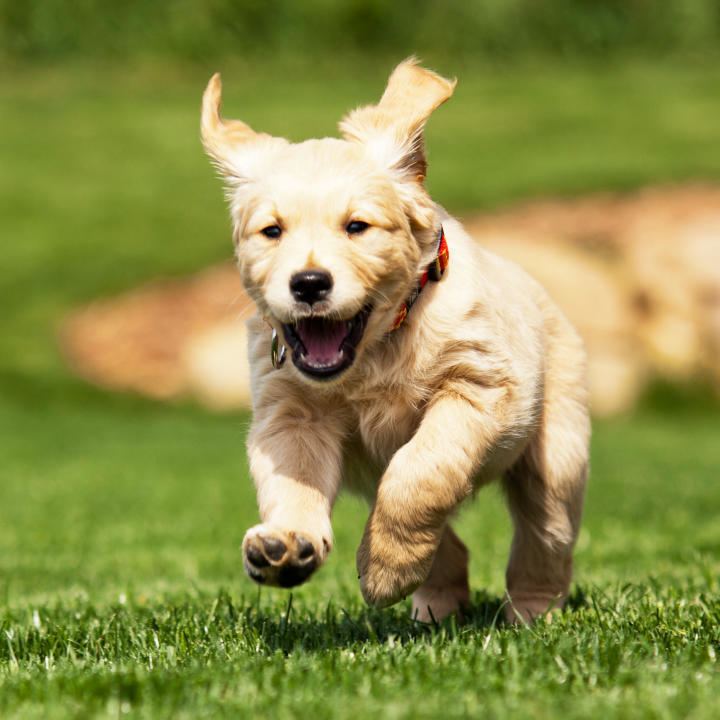
Have you ever watched a dog fixate on something invisible, tail wagging furiously, eyes darting back and forth as if engaged in a high-stakes game of tag? Sometimes, that "invisible" thing isn't so invisible after all. It's their own shadow, and the dedication they display in chasing it is nothing short of comical and, at times, a little perplexing.
We've all been there, puzzled by our furry friend's quirky habits. It's those moments of head-scratching confusion, wondering if their odd behaviors are normal, harmless quirks, or perhaps a sign that something's amiss. It's easy to find yourself worrying about their well-being, especially when they seem consumed by something that's clearly not real.
This blog post dives deep into the curious world of dogs chasing their shadows. We'll explore the reasons behind this behavior, whether it's playful fun or something more, and what you should do if your canine companion becomes overly preoccupied with their shadowy doppelganger.
So, what drives a dog to relentlessly pursue its own shadow? It could be simple playfulness, boredom, a learned behavior, or, in rare cases, an underlying medical issue. Understanding the potential causes can help you determine if your dog's shadow-chasing is just a quirky pastime or something that requires further attention. Let's unravel this mystery together, exploring everything from the science behind canine vision to possible interventions.
Why is My Dog Chasing Shadows?
I remember when my golden retriever, Buddy, first started chasing shadows. It was a sunny afternoon, and we were playing fetch in the backyard. Suddenly, he stopped, his attention completely fixated on the dark shape moving with him on the grass. He started barking, lunging, and spinning in circles, clearly trying to catch it.At first, I thought it was cute, a funny little quirk. But as the days went on, the shadow chasing became more frequent and intense. He'd do it indoors, outdoors, anywhere there was a light source. It was almost like he was obsessed, and I started to worry. Was he bored? Anxious? Was there something wrong with his eyes? I spent hours researching online, trying to figure out what was going on. Turns out, many dogs chase shadows for a variety of reasons, ranging from pure entertainment to compulsive behavior. Sometimes it can stem from boredom and excess energy. For high-energy breeds like Border Collies or Australian Shepherds, chasing shadows can be a way to expend pent-up energy when they aren't getting enough physical and mental stimulation. In other cases, it can be a learned behavior. If a dog chases a shadow and receives positive attention (even accidentally), they might repeat the behavior to get that attention again. In rare cases, excessive shadow chasing can be a sign of an underlying medical issue, such as a vision problem or a neurological disorder. It's important to rule out any medical causes before assuming it's just a behavioral quirk.
Is Shadow Chasing Normal Dog Behavior?
Generally, a bit of shadow chasing is pretty normal, especially in puppies and younger dogs. Think of it like a game, a way to explore the world and react to moving shapes. Many dogs, especially those with high prey drives, are naturally drawn to chasing things. Shadows, with their unpredictable movements, can trigger this instinct. However, it's important to distinguish between occasional playful shadow chasing and compulsive behavior. If your dog is constantly chasing shadows, to the point where it's interfering with their daily life or causing them distress, it might be a sign of a problem. Look for signs of obsession, such as relentless pursuit, difficulty focusing on other activities, and anxiety or frustration when they can't "catch" the shadow. Also, consider the environment. Are there specific lighting conditions that seem to trigger the shadow chasing? Is it happening more often indoors than outdoors? Understanding the triggers can help you manage the behavior. It's also worth considering your dog's breed. Some breeds, like herding dogs, are more prone to chasing behaviors due to their natural instincts. While it's not necessarily "abnormal," it might be more pronounced in these breeds.
The History and Myth of Shadow Play
The fascination with shadows isn't new; it's woven into human history and mythology. Think about ancient cave paintings, where early humans depicted animals and hunting scenes in shadow form. Shadow puppets have been used for centuries in various cultures to tell stories and entertain audiences. Even in folklore, shadows often represent the darker aspects of ourselves or the unknown. For dogs, however, the "myth" of the shadow is probably much simpler: it's just another moving object to be investigated and potentially conquered. They don't necessarily understand that it's a projection of themselves; they just see something that moves and triggers their instincts. But, there are myths related to dogs too. Some cultures believe dogs have a heightened sense of the supernatural, able to see things we can't. While that might be a bit of a stretch, it's true that dogs have different sensory perceptions than humans. They can detect movements more easily, and their vision is more sensitive to changes in light. This might explain why they're so fascinated by shadows that we barely notice. Perhaps they see subtle shifts and flickers that we miss, making the shadows more intriguing to them.
The Hidden Secrets of Shadow Chasing
The hidden secret to understanding why your dog chases shadows lies in understanding their individual personality and environment. There's no one-size-fits-all answer. Some dogs are just naturally more playful and curious than others. They might see shadows as a fun game, a way to entertain themselves. Others might be seeking attention, even if it's negative attention. If they know that chasing shadows gets a reaction from you, they might do it to get your attention, even if you're scolding them. It's important to consider your dog's overall well-being. Are they getting enough exercise? Are they mentally stimulated? Are they feeling anxious or stressed? Addressing any underlying issues can often help reduce or eliminate the shadow chasing behavior. Another hidden secret is to observe your dog closely. Pay attention to when and where they chase shadows, what triggers the behavior, and how they react when they can't "catch" the shadow. This information can provide valuable insights into the underlying cause and help you develop a targeted approach to manage the behavior. Ultimately, understanding your dog's individual needs and personality is the key to unlocking the mystery of their shadow-chasing obsession.
Recommendations for Shadow-Chasing Dogs
If your dog's shadow chasing is becoming a problem, there are several things you can do. First and foremost, ensure they're getting enough physical exercise and mental stimulation. A tired dog is less likely to be bored and seek entertainment in chasing shadows. Try increasing their daily walks, playing fetch or frisbee, or providing puzzle toys that challenge their minds. If you suspect the shadow chasing is attention-seeking behavior, try ignoring it. Don't give them any attention, positive or negative, when they're chasing shadows. Instead, focus on rewarding them when they're engaged in other activities, such as playing with a toy or obeying a command. Another helpful technique is to redirect their attention. When you see them starting to chase shadows, try calling their name and offering them a treat or a toy. The goal is to interrupt the behavior and redirect their focus to something else. If the shadow chasing is severe or you suspect an underlying medical issue, consult with your veterinarian or a certified professional dog trainer. They can help you rule out any medical causes and develop a customized training plan to address the behavior. Remember to be patient and consistent. It takes time and effort to change a dog's behavior, so don't get discouraged if you don't see results immediately. Celebrate small victories and focus on building a positive relationship with your dog.
Shadow Chasing and Anxiety
Shadow chasing can sometimes be a manifestation of underlying anxiety. If your dog is generally anxious or fearful, they might be more prone to developing compulsive behaviors like shadow chasing. In these cases, it's important to address the underlying anxiety. This might involve identifying and eliminating potential stressors in their environment, such as loud noises, unfamiliar people, or changes in routine. You can also try using calming aids, such as pheromone diffusers or calming supplements, to help reduce their anxiety levels. In some cases, medication might be necessary to manage severe anxiety. Consult with your veterinarian to determine the best course of action. It's also important to provide your dog with a safe and secure environment. Make sure they have a comfortable place to retreat to when they're feeling overwhelmed or anxious. This could be a crate, a bed, or even just a quiet corner in the house. Teach them relaxation techniques, such as deep breathing or progressive muscle relaxation, to help them calm down when they're feeling anxious. By addressing the underlying anxiety, you can often significantly reduce or eliminate the shadow chasing behavior. Remember that anxiety is a complex issue, and it might take time and effort to find the right combination of strategies to help your dog.
Tips for Managing Shadow Chasing
Here are a few additional tips for managing shadow chasing in dogs: Create a predictable routine. Dogs thrive on routine, so establishing a consistent schedule for feeding, walking, and playing can help reduce anxiety and boredom, which can contribute to shadow chasing. Provide plenty of enrichment. Puzzle toys, chew toys, and interactive games can help keep your dog mentally stimulated and prevent them from seeking entertainment in chasing shadows. Train your dog to focus on you. Teach them commands like "look at me" or "leave it" to help redirect their attention when they start chasing shadows. Use positive reinforcement. Reward your dog for engaging in positive behaviors, such as playing with a toy or obeying a command. This will help them associate those behaviors with positive experiences and make them more likely to repeat them. Avoid using punishment. Punishment can increase anxiety and make the shadow chasing behavior worse. Focus on rewarding positive behaviors and redirecting unwanted behaviors. Be patient and consistent. It takes time and effort to change a dog's behavior, so don't get discouraged if you don't see results immediately. Stay consistent with your training and management strategies, and celebrate small victories along the way. Consult with a professional. If you're struggling to manage your dog's shadow chasing behavior on your own, don't hesitate to seek help from a certified professional dog trainer or veterinary behaviorist.
Recognizing the Signs of Compulsive Behavior
It's crucial to differentiate between normal shadow chasing and compulsive behavior. Compulsive shadow chasing is characterized by its intensity, frequency, and the impact it has on the dog's overall well-being. Signs of compulsive behavior include: Relentless pursuit: The dog chases shadows constantly, regardless of the environment or circumstances. Difficulty focusing: The dog is unable to focus on other activities, even when offered treats or toys. Anxiety or frustration: The dog becomes anxious or frustrated when they can't "catch" the shadow. Self-mutilation: In severe cases, the dog might engage in self-mutilating behaviors, such as biting or licking themselves excessively, in an attempt to relieve the frustration. Loss of appetite or sleep: The dog might lose their appetite or have difficulty sleeping due to their preoccupation with chasing shadows. If you observe these signs in your dog, it's important to seek professional help. Compulsive behavior is a serious issue that can significantly impact a dog's quality of life, and it often requires a combination of behavioral therapy and medication to manage.
Fun Facts About Dogs and Shadows
Did you know that dogs see the world differently than we do? Their vision is dichromatic, meaning they only see two primary colors: blue and yellow. They also have poorer depth perception and visual acuity than humans. This might explain why they're so fascinated by shadows, which can appear distorted and unpredictable to them. Another fun fact is that some dogs are more prone to shadow chasing than others. Certain breeds, such as herding dogs and terriers, are known for their high prey drives and tendency to chase moving objects. However, any dog can develop a shadow chasing habit, regardless of their breed or age. Shadow chasing can also be influenced by environmental factors. Dogs are more likely to chase shadows in brightly lit environments or when they're bored or anxious. By understanding these fun facts, you can gain a better appreciation for your dog's perspective and develop strategies to manage their shadow chasing behavior more effectively. Ultimately, shadow chasing is just one of the many quirky and endearing behaviors that make dogs so special.
How to Discourage Shadow Chasing
If you want to discourage your dog from chasing shadows, the key is to redirect their attention and provide them with alternative activities. Here's a step-by-step approach: Identify the triggers: Pay attention to when and where your dog chases shadows. Are there specific lighting conditions or times of day that trigger the behavior? Once you identify the triggers, you can try to avoid them or manage them more effectively. Redirect their attention: When you see your dog starting to chase shadows, try calling their name and offering them a treat or a toy. The goal is to interrupt the behavior and redirect their focus to something else. Provide alternative activities: Make sure your dog has plenty of opportunities for physical exercise and mental stimulation. This will help prevent them from becoming bored and seeking entertainment in chasing shadows. Teach them commands: Teach your dog commands like "leave it" or "look at me" to help redirect their attention when they start chasing shadows. Use positive reinforcement: Reward your dog for engaging in positive behaviors, such as playing with a toy or obeying a command. This will help them associate those behaviors with positive experiences and make them more likely to repeat them. Be consistent: It's important to be consistent with your training and management strategies. If you allow your dog to chase shadows sometimes but not others, it will confuse them and make it more difficult to change the behavior.
What if the Shadow Chasing is Harmful?
In rare cases, shadow chasing can become harmful to dogs. If your dog is chasing shadows to the point where they're injuring themselves, neglecting their basic needs, or experiencing significant distress, it's important to seek professional help immediately. Harmful shadow chasing can manifest in several ways: Self-injury: The dog might run into objects, scratch themselves excessively, or even bite themselves in an attempt to "catch" the shadow. Neglecting basic needs: The dog might lose their appetite, refuse to drink water, or neglect their grooming due to their preoccupation with chasing shadows. Anxiety and stress: The dog might become increasingly anxious, stressed, or fearful as a result of their shadow chasing behavior. Obsessive-compulsive disorder (OCD): In severe cases, shadow chasing can be a symptom of OCD, a mental disorder characterized by repetitive, intrusive thoughts and compulsive behaviors. If you suspect that your dog's shadow chasing is harmful, consult with your veterinarian or a veterinary behaviorist. They can help you determine the underlying cause of the behavior and develop a treatment plan that might include medication, behavioral therapy, or a combination of both. Remember that harmful shadow chasing is a serious issue that requires professional intervention. Don't hesitate to seek help if you're concerned about your dog's well-being.
Listicle: 5 Ways to Help Your Dog Stop Chasing Shadows
Here's a quick list of actionable steps you can take to help your dog curb their shadow-chasing habit: 1. Increase Physical Activity: A tired dog is a happy dog! More walks, playtime, and engaging activities will help expend excess energy that might be fueling their shadow obsession.
2. Mental Stimulation is Key: Puzzle toys, training sessions, and interactive games can keep their minds sharp and reduce boredom, a common trigger for shadow chasing.
3. Redirect, Redirect, Redirect: The moment you see them fixating on a shadow, interrupt with a favorite toy, a treat, or a fun command.
4. Create a Shadow-Free Zone: If certain areas of your home are more prone to shadow play, try adjusting the lighting or blocking off those areas.
5. Consult a Professional: If the chasing is obsessive or causing distress, don't hesitate to reach out to a vet or certified trainer for personalized guidance.
Question and Answer Section
Here are some frequently asked questions about dogs chasing shadows:
Q: Is shadow chasing a sign of intelligence in dogs?
A: Not necessarily. While intelligent dogs might be more likely to engage in complex behaviors, shadow chasing is often more related to instinct, boredom, or anxiety than pure intelligence.
Q: Can puppies grow out of shadow chasing?
A: Yes, many puppies will grow out of shadow chasing as they mature and their brains develop. However, if the behavior persists or becomes excessive, it's important to address it.
Q: Is it cruel to stop a dog from chasing shadows?
A: Not at all. If the shadow chasing is causing the dog distress or interfering with their well-being, it's important to intervene. Redirection and alternative activities can help them find more productive and fulfilling ways to spend their time.
Q: Are certain breeds more prone to shadow chasing?
A: Yes, herding breeds and terriers tend to exhibit chase behaviours due to their instincts. However, shadow chasing can develop in any breed if there are triggers.
Conclusion of Dog Chases Shadow Like It’s Alive
Ultimately, the reasons behind a dog's shadow chasing behavior can be complex and varied. While it's often a harmless quirk or a sign of playfulness, it can sometimes indicate underlying issues such as boredom, anxiety, or even a medical condition. By observing your dog closely, understanding their individual personality, and implementing appropriate management strategies, you can help them find more fulfilling ways to spend their time and ensure their overall well-being. If you have any concerns about your dog's shadow chasing behavior, don't hesitate to consult with your veterinarian or a certified professional dog trainer for guidance and support.
0 Response to "Dog Chases Shadow Like It’s Alive"
Post a Comment