Cat Watches You Sleep With Judgmental Eyes
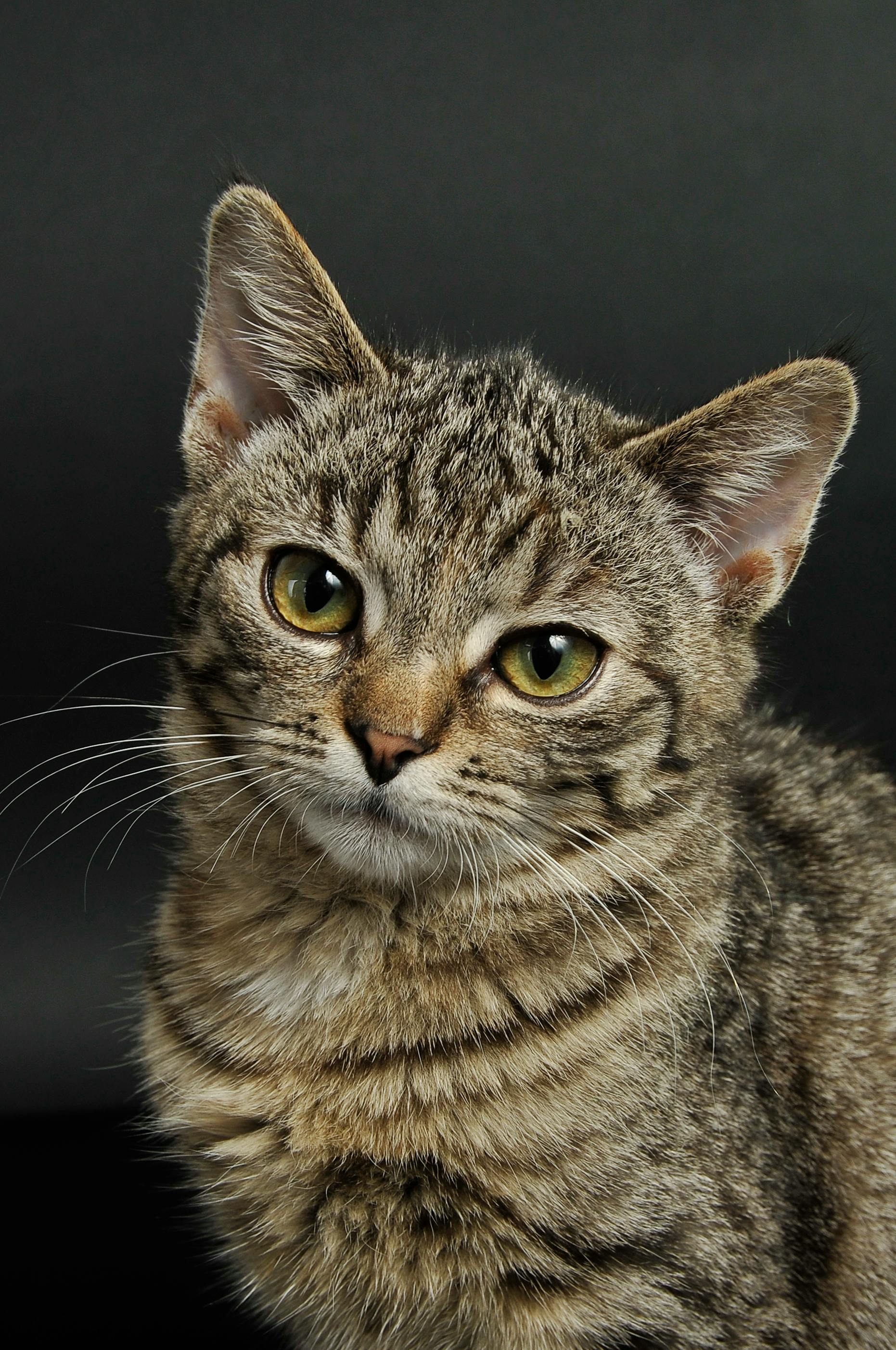
Have you ever woken up and felt like you were being watched? Then you slowly turn your head and BAM! There it is, your cat, perched somewhere, eyes locked on you with an expression that could curdle milk. What are they thinking? Are they judging your sleeping position? Your snoring? Or perhaps something far more sinister?
Many cat owners experience a certain…unease when they notice their feline friend’s unwavering gaze. It's a feeling that your privacy is non-existent, that you're under constant surveillance. You might start questioning your worth, or maybe even wondering if you accidentally offended your cat in your sleep. This feeling of being scrutinized, especially when vulnerable, can be quite unsettling.
This article is for anyone who has ever felt the weight of their cat's stare, especially while sleeping. Whether you're a seasoned cat owner or a newbie, we'll delve into the possible reasons behind this peculiar behavior, exploring the feline mind and attempting to decipher those judgmental eyes.
We've explored the potential reasons why your cat might be watching you sleep. It could be a sign of affection, a hunting instinct, or simply boredom. By understanding their motivations, you can ease your anxieties and maybe even see the humor in your cat's watchful gaze. We've covered everything from ancient myths to modern science, offering insights into the complex relationship between humans and their feline companions. Remember, those judgmental eyes might just be saying, "I love you, but please stop snoring."
Decoding the Stare: Is It Affection or Something Else?
I remember the first time I truly noticed Mittens watching me sleep. It was a particularly rough week, deadlines looming and stress levels at an all-time high. I finally crashed, only to wake up an hour later, completely disoriented, to Mittens sitting on the bookshelf, staring intently. Her eyes were narrowed, and her tail gave a slight twitch. My initial reaction was, "What did I do wrong?" I felt like I'd failed some sort of secret cat test. Was I not providing enough head scratches? Were the treats subpar? This single experience really made me question everything. Later that day, after reading a lot about cat behavior, I figured out it could be due to her affection for me, her owner. Cats are most vulnerable when they are sleeping, and so are we. So when she is awake and we're sleeping, she's likely protecting us and showing affection. That's how I learned to decode her stare.
The Science Behind Feline Observation
Cats are naturally curious creatures, and their heightened senses make them excellent observers. Their vision, especially in low light, is far superior to ours, allowing them to see what we can't, even in the dimmest bedroom. But it's not just about seeing; it's about interpreting. Cats are constantly analyzing their environment, looking for patterns, potential threats, and, of course, opportunities for food. When you're asleep, you're essentially an inert object, a large, warm, and slightly noisy lump. From a cat's perspective, this is fascinating! They might be studying your breathing patterns, your movements, or even just the way the light reflects off your skin. This isn't necessarily judgmental; it's simply data collection. They're gathering information about their surroundings, and you just happen to be a prominent feature of that landscape.
Ancient Myths and Modern Interpretations
Cats have long been associated with mystery and the supernatural. In ancient Egypt, they were revered as gods, symbols of protection and good fortune. But even in cultures where they weren't worshipped, cats were often seen as having a special connection to the spiritual realm, possessing the ability to see things that humans couldn't. This mystical aura contributes to the perception of their judgmental gaze. We tend to project our own anxieties and beliefs onto them, imagining that they're privy to some hidden knowledge. Perhaps they see our souls when we're at our most vulnerable, or maybe they're just judging our taste in pajamas. Whatever the reason, the myths surrounding cats only amplify the unsettling feeling of being watched.
The Hidden Secrets of the Cat's Gaze
One of the most fascinating aspects of cat behavior is their ability to communicate without words. A subtle flick of the tail, a twitch of the ear, or a slow blink can all convey a range of emotions. The gaze is particularly powerful. A direct stare can be a sign of aggression, while a soft, unfocused gaze can indicate contentment. But what does it mean when they're staring at you while you're sleeping? It could be a sign of possessiveness, a way of marking you as their territory. Or it could be a sign of concern, a way of checking on you to make sure you're still alive and breathing. Ultimately, the meaning of the gaze is context-dependent, influenced by the cat's personality, its relationship with you, and the surrounding environment. The real secret lies in understanding your own cat's unique communication style.
Recommendations for the Watched
So, what can you do if you're tired of being scrutinized by your feline overlord? First, try not to take it personally. Remember, cats are just being cats. Second, create a stimulating environment to keep them entertained during the day. Provide plenty of toys, scratching posts, and climbing structures to satisfy their natural instincts. A tired cat is less likely to be bored and fixated on your sleeping form. Third, consider investing in a cat bed near your bed. This allows them to be close to you without invading your personal space. Finally, try to establish a consistent sleep schedule. Cats are creatures of habit, and they'll eventually learn when it's time to sleep and when it's time to play. With a little patience and understanding, you can coexist peacefully with your judgmental feline companion.
Why Do Cats Stare? A Deeper Dive
The question of why cats stare is a complex one, with no single definitive answer. It's a combination of instinct, curiosity, and communication. Cats are inherently predatory animals, hardwired to observe their surroundings and identify potential prey. This instinct doesn't disappear just because they're domesticated. Even if they're well-fed and cared for, they still retain the urge to hunt and observe. In addition to their predatory instincts, cats are also highly intelligent and curious creatures. They're constantly learning and exploring, trying to make sense of their world. Staring is a way of gathering information, of analyzing their environment and identifying potential threats or opportunities. Finally, staring is a form of communication. Cats use their eyes to express a range of emotions, from affection to aggression. A slow blink, for example, is often a sign of trust and contentment, while a direct stare can be a challenge. By understanding the context of the stare, you can gain valuable insights into your cat's thoughts and feelings.
Tips for a Peaceful Night's Sleep (For You and Your Cat)
If your cat's watchful gaze is disrupting your sleep, there are several strategies you can try. First, ensure your cat has plenty of attention and playtime during the day. A tired cat is more likely to sleep through the night. Second, establish a consistent bedtime routine. This could involve feeding them dinner at the same time each night, followed by a short play session. Third, create a comfortable sleeping environment for your cat. Provide a soft bed, a warm blanket, and a quiet space where they can relax. Fourth, consider using a pheromone diffuser. These diffusers release synthetic cat pheromones that can help reduce anxiety and promote relaxation. Finally, if all else fails, you can try gently redirecting your cat's attention when they start staring. A soft voice or a gentle nudge can sometimes be enough to break their focus. With a little effort, you can create a peaceful and restful sleep environment for both you and your feline friend.
Decoding the Tail Twitch: What Does It Mean?
The tail is a powerful indicator of a cat's mood, and a twitching tail can mean a variety of things. A slow, gentle twitch often indicates contentment or relaxation, while a rapid, agitated twitch can signal frustration or excitement. When combined with a watchful stare, a twitching tail can provide valuable clues about your cat's intentions. If the tail is twitching slowly and gently, they might simply be observing you out of curiosity or affection. If the tail is twitching rapidly and agitatedly, they might be feeling anxious or threatened. They could be picking up on subtle cues in your body language or the surrounding environment that are causing them concern. Pay attention to the other signals your cat is giving you, such as their ear position, body posture, and vocalizations, to get a complete picture of their emotional state. Understanding the nuances of cat body language can help you build a stronger bond with your feline companion and address any underlying issues that might be causing them anxiety.
Fun Facts About Feline Observation
Did you know that cats have a specialized layer of tissue in their eyes called the tapetum lucidum, which reflects light back through the retina, enhancing their night vision? This is why their eyes seem to glow in the dark! And did you know that cats can see much better at night than during the day? Their pupils can dilate to an incredible degree, allowing them to gather even the faintest light. Another interesting fact is that cats have a blind spot directly below their nose. This is why they sometimes have trouble finding food that's right in front of them! Finally, cats can see a wider range of colors than dogs, although their color vision is still limited compared to humans. They can see shades of blue, green, and yellow, but they have difficulty distinguishing red and orange. All of these fascinating adaptations contribute to their ability to observe the world around them with such keenness and precision.
How to Stop the Stare: Practical Solutions
If you're truly bothered by your cat's staring, there are several practical steps you can take to minimize the behavior. First, consider blocking their access to your bedroom at night. This might seem drastic, but it can be a simple and effective solution. Second, provide them with an alternative vantage point. Place a cat tree or a window perch in another room where they can still observe the world without focusing on you. Third, try using a motion-activated deterrent. These devices emit a loud noise or a burst of air when triggered, which can discourage your cat from entering your bedroom. Fourth, consult with a veterinarian or a certified cat behaviorist. They can help you identify any underlying medical or behavioral issues that might be contributing to the staring. Finally, remember to be patient and consistent. It might take time for your cat to adjust to the new boundaries, but with persistence, you can create a more peaceful sleep environment for yourself.
What If It's More Than Just Staring?
Sometimes, a cat's staring can be a sign of a more serious underlying issue. If your cat's behavior has changed suddenly, or if they're exhibiting other unusual symptoms, such as loss of appetite, lethargy, or changes in litter box habits, it's important to consult with a veterinarian. Staring can be a sign of pain, discomfort, or cognitive dysfunction. Older cats, in particular, are prone to cognitive decline, which can manifest as confusion, disorientation, and changes in sleep patterns. It's also possible that your cat is experiencing anxiety or stress. Loud noises, changes in the household, or the introduction of a new pet can all trigger anxiety in cats. By ruling out any medical or behavioral issues, you can ensure that your cat is happy, healthy, and comfortable.
The Ultimate Listicle of Reasons Why Your Cat Watches You Sleep
- They love you and are protecting you.
- They're bored and you're the only show in town.
- They're plotting world domination (starting with your house).
- They're waiting for you to wake up and feed them.
- They're fascinated by your strange human habits.
- They're ensuring you haven't been replaced by an alien.
- They're judging your snoring.
- They're dreaming of chasing mice.
- They're simply being cats.
- They're trying to figure out the meaning of life (and you're the closest thing they've got).
Question and Answer
Q: Is it normal for my cat to stare at me while I sleep?
A: Yes, it's a very common behavior. It could be due to affection, curiosity, or even boredom.
Q: Should I be worried if my cat stares at me while I sleep?
A: Not necessarily. Unless there are other concerning symptoms, it's likely just a normal cat behavior.
Q: How can I stop my cat from staring at me while I sleep?
A: Try providing them with more playtime during the day, creating a comfortable sleeping environment, or blocking their access to your bedroom.
Q: Could my cat's staring be a sign of a medical problem?
A: If the staring is a sudden change in behavior or accompanied by other symptoms, it's best to consult with a veterinarian to rule out any underlying medical issues.
Conclusion of Cat Watches You Sleep
Ultimately, the mystery of the cat's judgmental gaze may never be fully solved. But by understanding their instincts, their communication style, and their unique perspective on the world, we can gain a deeper appreciation for these enigmatic creatures. So, the next time you wake up to find your cat watching you with those piercing eyes, try to remember that it's probably not personal. They're just being cats, observing, analyzing, and perhaps, just perhaps, offering a silent, furry form of love.
0 Response to "Cat Watches You Sleep With Judgmental Eyes"
Post a Comment