Cat Taps Shoulder to Be Noticed
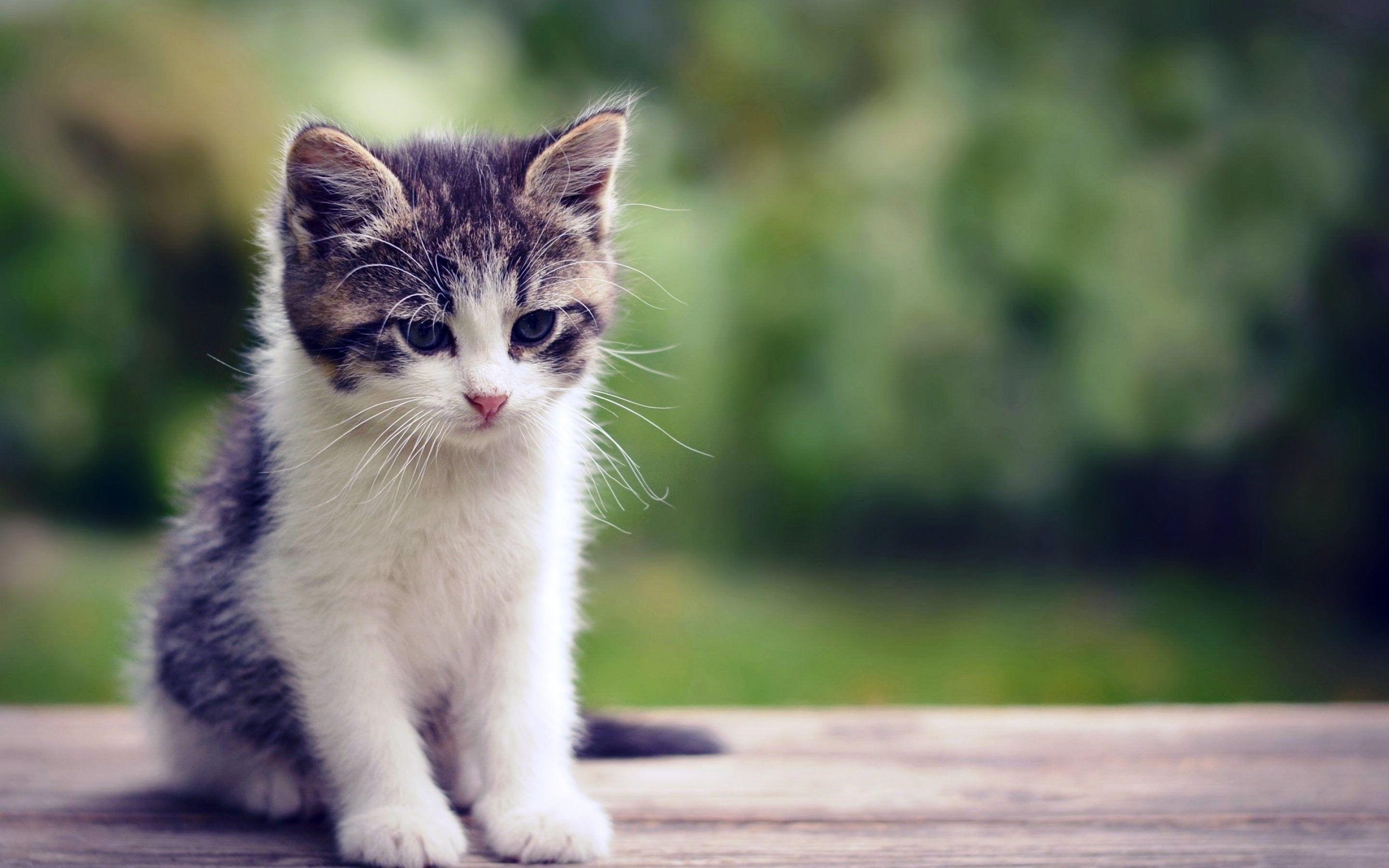
Ever felt a gentle tap on your shoulder, only to turn around and find... your cat? It's not a dream; it's a surprisingly common (and utterly adorable) way our feline friends try to get our attention. But what does it mean, and why do they do it?
It can be frustrating when your cat seems to need constant attention, especially when you're trying to work, relax, or even just use the restroom in peace. You might wonder if they're bored, lonely, or if something else is going on. It can sometimes feel like you're deciphering a complex code just to understand what your furry companion wants.
This post is for anyone who's ever experienced the curious phenomenon of a cat tapping their shoulder and wants to understand the motivations behind it. We'll explore the various reasons why cats use this unique form of communication, what it might be signaling, and how you can respond to better connect with your feline friend.
In essence, a cat tapping your shoulder is often a simple request for attention, whether it's for food, play, or just some cuddles. Understanding the nuances of this behavior, along with related feline communication cues, can lead to a stronger bond with your cat. Let's dive in!
The "Hey, Pay Attention to Me!" Tap
My own cat, Whiskers, is a master of the shoulder tap. I remember one afternoon, I was deeply engrossed in a work project, completely oblivious to the world around me. Suddenly, a gentle tap startled me. I turned to see Whiskers, perched on the back of my chair, his paw extended towards my shoulder with a look of utter determination in his eyes. He wasn't being aggressive; it was a deliberate, almost polite, request for attention. I initially dismissed it as him just being playful, but the tapping continued, and the look in his eyes told me it was more than that. He was hungry! His food bowl was empty. It was a clear signal that he needed something, and he knew how to get my attention. This experience made me more attuned to his other subtle cues. Now I know when to look for certain things, such as if he is in pain, not feeling well, or just plain needs attention.
This behavior is driven by the cat's need for interaction and their understanding of how to elicit a response from their human. They have learned that a gentle tap is more effective than meowing incessantly or scratching furniture. It's a direct, targeted communication strategy. Factors such as the cat's personality, past experiences, and the specific context of the situation influence the frequency and intensity of these taps. Some cats may only tap occasionally when they are truly desperate for attention, while others may use it as a regular means of communication.
Why Cats Tap: Decoding the Meowsage
A cat's tap on your shoulder is rarely random. It's a deliberate attempt to communicate, and understanding the potential reasons behind it is crucial for building a strong bond with your feline companion. The most common reason is a simple request for attention. Cats are social creatures, and they crave interaction with their human family members. When they feel ignored or neglected, they may resort to tapping as a way to get your attention and remind you of their presence.
Another common reason is hunger or thirst. If your cat's food or water bowl is empty, they may tap your shoulder to let you know that it's time for a refill. This is especially common if you have established a regular feeding schedule, and your cat knows when to expect their next meal. Sometimes, cats tap because they want to play. If they are bored or have pent-up energy, they may tap your shoulder to initiate a play session. This is particularly common in younger cats and kittens, who have a lot of energy to burn. Your cat could also be signaling a need for comfort or reassurance. If they are feeling anxious, scared, or unwell, they may tap your shoulder to seek comfort and protection from you. This is more common in cats who have a strong bond with their owners.
The Purrfect History of the Shoulder Tap
While the exact origins of the "shoulder tap" behavior in cats are difficult to trace, it's safe to assume that it developed over time through observation and learning. Cats are intelligent creatures, and they are constantly observing their human companions, learning what behaviors elicit a response. It's likely that at some point, a cat accidentally tapped their owner's shoulder and received a positive reaction, such as attention, food, or playtime. This positive reinforcement would have encouraged the cat to repeat the behavior in the future, eventually leading to the development of the shoulder tap as a deliberate communication strategy.
Myths surrounding cats often portray them as aloof and independent creatures, but the reality is that they are highly social animals who crave interaction with their human family members. The shoulder tap is a perfect example of this, as it demonstrates their desire to connect with their owners and communicate their needs. In some cultures, cats are revered as sacred animals, and their behaviors are often interpreted as having deeper meanings. While there may not be any specific myths surrounding the shoulder tap, the overall respect and admiration for cats in these cultures may contribute to a greater understanding and appreciation of their unique communication style.
Unveiling the Secrets Behind the Tap
The real secret to understanding the cat shoulder tap isn't about decoding a complex message, but rather about attuning yourself to your cat's individual personality and needs. Is your cat generally affectionate and attention-seeking? If so, the tap is likely a simple request for companionship. Does your cat only tap when their food bowl is empty? Then it's a clear signal that they're hungry. By paying attention to the context in which the tap occurs, as well as your cat's overall demeanor, you can gain valuable insights into their motivations.
Sometimes, the shoulder tap can also indicate an underlying medical issue. If your cat suddenly starts tapping more frequently or if the tapping is accompanied by other unusual behaviors, such as decreased appetite, lethargy, or changes in litter box habits, it's important to consult with a veterinarian. These symptoms could be indicative of an underlying medical condition that needs to be addressed.
Another hidden secret behind the tap is that your cat might be bored. Cats need mental and physical stimulation to stay happy and healthy. If they are not getting enough playtime or enrichment, they may resort to tapping as a way to relieve their boredom and get your attention.
Recommendations: Responding to the Tap
When your cat taps your shoulder, the most important thing to do is acknowledge their attempt to communicate. Even if you are busy or unable to give them your full attention at that moment, a simple verbal acknowledgment, such as "Okay, I see you," can go a long way in reassuring them that you are aware of their presence.
Once you have acknowledged their tap, try to determine what they are trying to tell you. Are they hungry, thirsty, bored, or simply seeking attention? By paying attention to the context of the situation, as well as your cat's overall demeanor, you can usually figure out what they need. If they are hungry or thirsty, refill their food or water bowl. If they are bored, engage them in a play session. If they simply want attention, give them some pets, cuddles, or playtime.
It's important to be consistent in your responses to your cat's taps. If you consistently ignore their attempts to communicate, they may eventually give up on tapping and resort to other, less desirable behaviors, such as scratching furniture or meowing incessantly. By responding promptly and consistently to their taps, you can reinforce their positive communication behavior and build a stronger bond with them.
Reading Between the Paws: Understanding Feline Body Language
Beyond the shoulder tap, understanding feline body language is key to truly communicating with your cat. A slow blink, for example, is a sign of affection and trust. A puffed-up tail and arched back indicate fear or aggression. By learning to interpret these subtle cues, you can gain a deeper understanding of your cat's emotions and needs.
Another important aspect of feline body language is their posture. A relaxed cat will often lie down with their paws tucked underneath them, while a tense cat will stand with their body hunched and their tail tucked between their legs. Their ears can also provide valuable clues about their mood. Ears that are pointed forward indicate alertness or interest, while ears that are flattened against their head indicate fear or aggression.
By paying attention to these subtle cues, you can gain a much better understanding of what your cat is trying to tell you. This will not only help you to respond to their needs more effectively, but it will also strengthen your bond with them and make your relationship even more rewarding. Observe your cat's tail. Is it held high, indicating confidence, or tucked low, suggesting fear? What about their eyes? Are they dilated, which could indicate excitement or fear, or are they narrowed, suggesting contentment or relaxation?
Tips for Decoding Your Cat's Shoulder Taps
One of the best ways to decode your cat's shoulder taps is to keep a journal of when and where they occur. Note the time of day, your cat's behavior leading up to the tap, and your response. Over time, you may start to notice patterns that can help you understand what your cat is trying to communicate. For example, you might find that your cat always taps your shoulder around dinnertime, indicating that they are hungry. Or you might find that they tap your shoulder when you are working on the computer, indicating that they want attention.
Another helpful tip is to pay attention to your cat's body language. Are they purring, meowing, or rubbing against you when they tap your shoulder? These cues can provide additional clues about their motivations. If they are purring and rubbing against you, they are likely seeking affection. If they are meowing incessantly, they may be trying to tell you something important. It's also essential to rule out any medical issues. If your cat suddenly starts tapping your shoulder more frequently or if the tapping is accompanied by other unusual behaviors, such as decreased appetite, lethargy, or changes in litter box habits, it's important to consult with a veterinarian.
You can also try experimenting with different responses to your cat's taps. If you're not sure what they want, try offering them a variety of options, such as food, water, playtime, or cuddles. By observing their reaction, you can get a better sense of what they were looking for.
Addressing Underlying Issues: Boredom and Anxiety
If your cat's shoulder taps are driven by boredom or anxiety, it's important to address these underlying issues in order to reduce the frequency of the taps. For boredom, provide your cat with plenty of opportunities for play and mental stimulation. This could include interactive toys, scratching posts, puzzle feeders, and even just some good old-fashioned playtime with you.
For anxiety, identify and address the source of your cat's stress. This could include changes in the environment, loud noises, or other pets in the household. Provide your cat with a safe and comfortable space where they can retreat when they are feeling stressed, such as a cozy bed or a quiet room.
It's also important to make sure that your cat is getting enough attention and affection from you. Even if you are busy, take a few minutes each day to cuddle, pet, or play with your cat. This will help them to feel loved and secure, which can reduce their anxiety and make them less likely to tap your shoulder for attention.
Consider using calming aids such as pheromone diffusers or calming treats to help reduce your cat's anxiety. These products can help to create a more relaxed and comfortable environment for your cat.
Fun Facts About Cat Communication
Did you know that cats primarily meow to communicate with humans, not with other cats? Cats communicate with each other mostly through scent marking, body language, and the occasional hiss or growl. The meow is a behavior they seem to have developed specifically to get our attention.
Another interesting fact is that each cat has a unique "meowprint," just like humans have unique fingerprints. This means that no two cats meow exactly the same way. Their meows can vary in pitch, tone, and duration, depending on their personality and the situation.
Cats also have a highly developed sense of smell, which they use to communicate with each other and to navigate their environment. They have scent glands on their cheeks, chin, paws, and tail, which they use to mark their territory and leave messages for other cats.
And finally, did you know that cats can make over 100 different vocalizations, while dogs can only make about 10? This makes cats one of the most vocally expressive animals on the planet.
How to Encourage Positive Communication
To encourage positive communication with your cat, it's important to create a safe and comfortable environment where they feel secure and loved. This means providing them with plenty of food, water, shelter, and affection.
It's also important to be consistent in your responses to their communication attempts. If you consistently ignore their meows, taps, or other signals, they may eventually give up on trying to communicate with you. By responding promptly and consistently to their communication attempts, you can reinforce their positive communication behavior and build a stronger bond with them.
You can also try using positive reinforcement to encourage desired behaviors. For example, if your cat comes to you and purrs, give them a treat or some petting. This will help them to associate positive experiences with their communication behavior, making them more likely to repeat it in the future.
Be patient and understanding with your cat. It takes time and effort to learn their unique communication style. By paying attention to their body language, vocalizations, and other cues, you can gradually gain a deeper understanding of their needs and desires.
What if the Taps Become Excessive?
If your cat's shoulder taps become excessive, it's important to investigate the underlying cause. As mentioned earlier, this could be due to boredom, anxiety, or even a medical condition.
If you suspect that boredom is the culprit, try providing your cat with more opportunities for play and mental stimulation. This could include interactive toys, scratching posts, puzzle feeders, and even just some good old-fashioned playtime with you.
If you suspect that anxiety is the cause, identify and address the source of your cat's stress. This could include changes in the environment, loud noises, or other pets in the household. Provide your cat with a safe and comfortable space where they can retreat when they are feeling stressed, such as a cozy bed or a quiet room.
It's also important to rule out any medical issues. If your cat suddenly starts tapping your shoulder more frequently or if the tapping is accompanied by other unusual behaviors, such as decreased appetite, lethargy, or changes in litter box habits, it's important to consult with a veterinarian.
In some cases, excessive tapping may be a sign of feline hyperesthesia syndrome, a neurological condition that can cause increased sensitivity to touch and other stimuli. If you suspect that your cat may have hyperesthesia syndrome, it's important to consult with a veterinarian for diagnosis and treatment.
A Purrfect List: Reasons Behind the Tap
Here's a quick list of possible reasons your cat might be tapping your shoulder:
- Hunger: They want food, and they want it now!
- Thirst: Their water bowl is empty, and they're parched.
- Boredom: They need some playtime to burn off energy.
- Attention: They just want some cuddles or pets.
- Anxiety: They're feeling stressed and need reassurance.
- Medical Issues: They're not feeling well and need veterinary attention.
- Empty Litter Box: They are trying to let you know they need a clean litter box.
- Feeling Cold: They are cold and want you to turn up the heat.
- A Change In Surroundings: They want you to know they see the changes and may not feel comfortable.
- Affection: They love you and they want to make sure you know it!
Each cat is different, and the reasons behind their taps can vary depending on their personality, past experiences, and current circumstances. By paying attention to their body language, vocalizations, and other cues, you can gradually gain a deeper understanding of their needs and desires.
Question and Answer
Q: My cat only taps my shoulder when I'm on the phone. Why?
A: Your cat likely associates your phone use with a decrease in attention. They may be tapping your shoulder to remind you of their presence and to try to get you to put down the phone and pay attention to them.
Q: Is it okay to ignore my cat when they tap my shoulder?
A: While it's not always possible to give your cat your full attention, consistently ignoring their taps can lead to frustration and other behavioral problems. It's important to acknowledge their attempts to communicate, even if you can't respond immediately.
Q: My cat is tapping my shoulder so hard it hurts. What should I do?
A: This is likely not aggressive behavior, but rather a lack of awareness of their own strength. Try gently redirecting their attention to a toy or petting them in a way that is more comfortable for you. You can also trim their nails to minimize the impact of their taps.
Q: How can I teach my cat to tap more gently?
A: Use positive reinforcement. When they tap gently, reward them with praise, treats, or petting. When they tap too hard, gently say "Ouch!" and stop giving them attention. They will eventually learn that gentle taps are more effective at getting what they want.
Conclusion of Cat Taps Shoulder to Be Noticed
Ultimately, the "cat taps shoulder" phenomenon is a testament to the unique and complex communication that exists between cats and their humans. By understanding the potential reasons behind this behavior, and by responding with patience and understanding, you can strengthen your bond with your feline companion and create a more harmonious and fulfilling relationship.
0 Response to "Cat Taps Shoulder to Be Noticed"
Post a Comment