Cat Falls Off Table Then Acts Casual
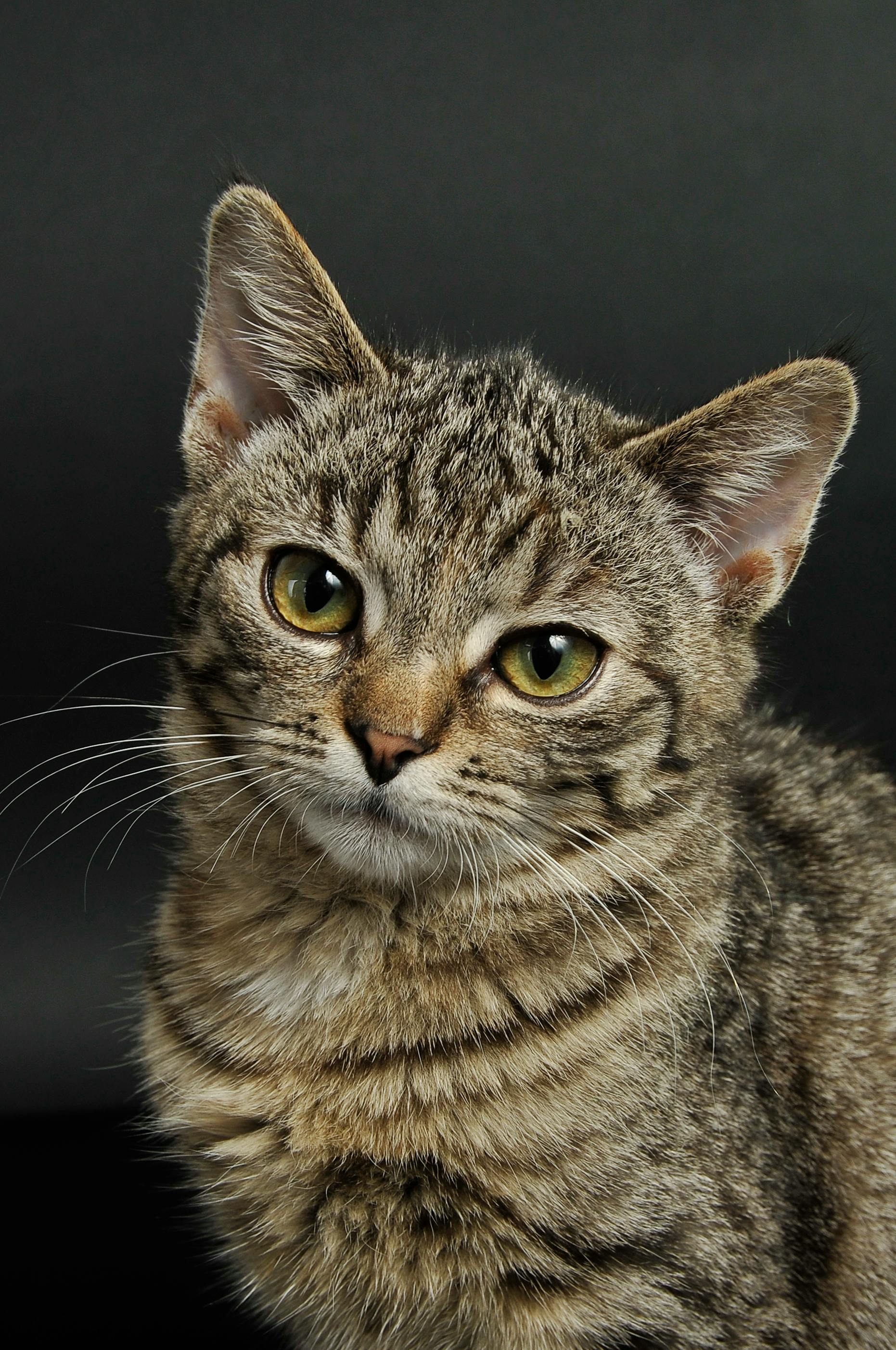
We've all been there, haven't we? The moment of sheer panic followed by an almost comical attempt at nonchalance. It's a universal experience, especially for those of us who share our lives with feline companions. Today, we're diving deep into the mysterious world of cats, specifically, that age-old scenario: a graceful (or not-so-graceful) fall from a height, followed by the perfectly executed "nothing to see here" act.
It's a scene that plays out in homes across the globe: the crash, the startled human, and the cat attempting to regain its composure as if gravity had absolutely nothing to do with its sudden relocation. The anxiety sets in – is kitty okay? Did they hurt themselves? But then, the cat starts grooming itself meticulously, casually strolling away, leaving you to wonder if you imagined the whole thing. We've all asked ourselves, why do they do that?
This article is for anyone who's ever witnessed their cat take an unexpected tumble and then pretend like nothing happened. We'll explore the reasons behind this behavior, the science of feline agility, and what to look out for to ensure your furry friend is genuinely unharmed. We'll also delve into the cultural perception of cats and their perceived invincibility.
In this post, we'll explore why cats act so casual after a fall, discussing their natural reflexes, their evolutionary adaptations for surviving falls, and the "embarrassment factor." We'll also provide tips on assessing your cat's condition after a fall and when it's necessary to seek veterinary attention. Prepare to gain a deeper understanding of your feline friend's quirky behavior and perhaps even learn a thing or two about feline resilience.
The Physics of Feline Falls and the "Righting Reflex"
I once witnessed my cat, Mittens, a fluffy Persian, attempting to leap from the top of a bookshelf to the curtain rod. It was a sight to behold, a slow-motion disaster unfolding before my eyes. She misjudged the distance, landed awkwardly on a pile of books, and then, after a brief moment of stunned silence, proceeded to wash her face with an air of utter indifference. I rushed over, heart pounding, but she just looked at me as if I were interrupting her grooming session.
This seemingly nonchalant reaction is deeply rooted in the physics of feline falls and a remarkable adaptation called the "righting reflex." Cats possess an incredibly flexible spine and a lack of a clavicle, allowing them to contort their bodies in mid-air. This, coupled with a highly developed sense of balance and inner ear, allows them to orient themselves and land on their feet more often than not.
The righting reflex is a complex sequence of movements that begins almost immediately after a fall. The cat uses its vision and inner ear to determine which way is up. Then, it twists its body to align itself with the ground. The cat also spreads its legs to increase air resistance, slowing its descent and distributing the impact force. While not all landings are perfect, this reflex significantly increases their chances of surviving falls from significant heights.
Why the Act? The Embarrassment Factor and Feline Psychology
So, they land on their feet, but why the charade of indifference? Why the immediate grooming session? Is it truly just embarrassment? While we can't definitively know what a cat is thinking, experts believe that there's a psychological component at play. Cats are naturally independent creatures, and showing vulnerability might be perceived as a weakness, especially in a multi-cat household.
The grooming behavior, often exhibited after a fall, could be a displacement activity. This means that when a cat is feeling stressed, anxious, or uncertain, it engages in a behavior that seems unrelated to the situation at hand. Grooming, in this context, is a way for the cat to calm itself down and regain a sense of control. It's essentially a way of saying, "I'm fine, everything is normal," even when it's not.
Another theory suggests that cats simply have a different perception of what constitutes a "big deal." A minor tumble for a cat might not be as significant as it would be for a human. Their bodies are designed for agility and resilience, so they may genuinely not be fazed by a fall that would leave us reaching for the ice pack.
A History of Myth and Mystery: The Nine Lives Legend
The myth of cats having nine lives is deeply ingrained in our culture, and it likely stems from their uncanny ability to survive falls that would be fatal to other animals (and humans). This legend dates back to ancient times, with different cultures attributing various mystical qualities to cats.
In ancient Egypt, cats were revered as sacred animals, associated with the goddess Bastet, protector of the home and family. Their agility and grace were seen as signs of divine favor, and their ability to survive falls only reinforced this belief. Over time, the legend of nine lives spread across the globe, solidifying the perception of cats as creatures of extraordinary resilience and luck.
While the nine lives legend is undoubtedly a myth, it highlights our fascination with feline agility and our tendency to anthropomorphize their behavior. We project our own understanding of vulnerability and pain onto them, leading us to marvel at their seeming invincibility. The truth, of course, is more nuanced. Cats are not immortal, and they can be injured in falls. The key is to understand their natural abilities and to be vigilant in ensuring their safety.
The Hidden Secret: Assessing the Aftermath of a Fall
The "nothing to see here" act can be deceiving. Even if your cat appears perfectly fine after a fall, it's crucial to carefully assess their condition. Internal injuries can be difficult to detect without a veterinary examination, and a seemingly minor limp could indicate a more serious problem.
Start by observing your cat's behavior. Are they eating and drinking normally? Are they using the litter box without difficulty? Are they grooming themselves as usual? Pay close attention to their gait and posture. Are they favoring one leg? Are they holding their head at an unusual angle? Gently palpate their body, looking for any signs of pain or swelling. Check for any wounds or abrasions.
If you notice any signs of distress, such as difficulty breathing, loss of consciousness, or severe pain, seek immediate veterinary attention. Even if your cat seems fine, it's always best to err on the side of caution. A quick checkup with your vet can provide peace of mind and ensure that any underlying injuries are addressed promptly.
Recommendations: Creating a Cat-Friendly and Safe Environment
Prevention is always better than cure. Creating a cat-friendly and safe environment can significantly reduce the risk of falls and injuries. This includes providing plenty of climbing opportunities, such as cat trees and shelves, to satisfy their natural instinct to explore vertical spaces.
Secure any unstable furniture that could topple over if your cat jumps on it. Keep windows and balconies screened to prevent accidental falls. Be mindful of items that could be tempting for your cat to play with, such as dangling cords or small objects that could be ingested. Regularly check your home for potential hazards and address them accordingly.
Also, consider your cat's age and physical condition. Older cats or those with underlying health conditions may be more prone to falls. Provide them with easier access to their favorite spots, such as ramps or steps, to reduce the risk of injury. By taking these simple precautions, you can create a safer and more enjoyable environment for your feline companion.
Understanding Feline Anatomy and Balance
To truly understand why cats seem so adept at surviving falls, it's essential to delve into their anatomy and how it contributes to their remarkable balance. As mentioned earlier, their flexible spine and lack of a clavicle are crucial. However, there's more to it than just that.
Cats have a high muscle-to-bone ratio, which provides them with exceptional strength and agility. Their powerful leg muscles allow them to generate the force needed to jump and climb, while their long tails act as counterweights, helping them maintain balance. Their paws are also specially designed for gripping, with retractable claws that provide traction on various surfaces.
Furthermore, cats have a highly developed vestibular system, which is located in the inner ear and responsible for balance and spatial orientation. This system works in conjunction with their vision to provide them with a constant stream of information about their position in space. This allows them to make rapid adjustments and maintain their equilibrium, even in challenging situations.
Tips for Cat Owners: Observing Your Cat After a Fall
After your cat has experienced a fall, careful observation is key. It's not enough to simply assume they're okay based on their seemingly nonchalant behavior. You need to become a detective, looking for subtle clues that might indicate an underlying injury.
Start by watching how they move. Are they limping? Are they hesitant to jump or climb? Are they holding their head at an odd angle? Pay attention to their posture. Are they hunched over? Are they reluctant to stretch or arch their back? Check their paws for any signs of injury, such as cuts, swelling, or tenderness.
Also, observe their eating and drinking habits. A sudden loss of appetite or difficulty swallowing could indicate a problem. Check their litter box habits as well. Difficulty urinating or defecating could be a sign of internal injuries. If you notice any of these signs, don't hesitate to contact your veterinarian.
The Importance of Veterinary Care
While home observation is crucial, it's not a substitute for professional veterinary care. Even if your cat seems fine, it's always a good idea to schedule a checkup after a significant fall. Your veterinarian can perform a thorough examination to rule out any internal injuries or fractures.
They may also recommend X-rays or other diagnostic tests to get a better understanding of your cat's condition. Depending on the severity of the injury, treatment options may include pain medication, anti-inflammatory drugs, or even surgery. Early diagnosis and treatment can significantly improve your cat's chances of a full recovery. Remember, your veterinarian is your best resource for ensuring your cat's health and well-being.
Fun Facts About Feline Falls and Agility
Did you know that cats are most likely to survive falls from seven stories or higher? This phenomenon is known as "high-rise syndrome." The increased air resistance at greater heights slows their descent and gives them more time to right themselves. However, this doesn't mean that falls from lower heights are harmless. They can still result in serious injuries.
Another interesting fact is that cats can reach speeds of up to 30 miles per hour when running. This speed, combined with their agility and balance, allows them to navigate complex environments with ease. They are also capable of jumping up to six times their height, making them masters of vertical exploration.
These fascinating facts highlight the remarkable adaptations that have evolved over millions of years to make cats the agile and resilient creatures we know and love. While their ability to survive falls is impressive, it's essential to remember that they are not invincible. We must do our part to ensure their safety and well-being.
How to Prevent Cat Falls: A Practical Guide
Preventing falls is a crucial aspect of responsible cat ownership. Start by assessing your home for potential hazards. Identify any high places that your cat might attempt to jump to, such as bookshelves, cabinets, or curtain rods. Secure any unstable furniture that could topple over if your cat lands on it.
Keep windows and balconies screened to prevent accidental falls. If you have a balcony, consider installing a cat-proof netting to create a safe outdoor space for your feline friend. Provide plenty of climbing opportunities, such as cat trees and shelves, to satisfy their natural instinct to explore vertical spaces. Make sure these structures are sturdy and stable.
Regularly check your home for potential hazards, such as dangling cords, loose wires, or small objects that could be ingested. Keep these items out of your cat's reach. By taking these simple precautions, you can significantly reduce the risk of falls and injuries.
What If Your Cat Is Injured? Immediate Steps to Take
If you suspect that your cat has been injured in a fall, it's crucial to act quickly and calmly. The first step is to carefully assess the situation. Is your cat conscious and breathing? Are there any obvious signs of injury, such as bleeding or broken bones?
If your cat is conscious, approach them slowly and gently. Avoid making sudden movements or loud noises that could startle them. If possible, try to confine them to a small space, such as a carrier or a room, to prevent them from moving around and potentially exacerbating their injuries.
Contact your veterinarian immediately and explain the situation. They will provide you with instructions on how to transport your cat safely to the clinic. If you're unable to reach your veterinarian, take your cat to the nearest emergency veterinary clinic. Remember, prompt veterinary care is essential for ensuring the best possible outcome for your injured feline companion.
Listicle: Top 5 Signs Your Cat Needs Veterinary Attention After a Fall
- Difficulty breathing or rapid, shallow breathing.
- Loss of consciousness or disorientation.
- Severe pain, indicated by vocalization, restlessness, or hiding.
- Limping or inability to bear weight on one or more legs.
- Bleeding or open wounds.
If you observe any of these signs after your cat has experienced a fall, seek immediate veterinary attention. These are all red flags that could indicate a serious underlying injury. Don't hesitate to err on the side of caution. Your cat's health and well-being are worth it.
Question and Answer
Q: Is it normal for my cat to act like nothing happened after falling off the counter?
A: Yes, it's quite common. Cats often exhibit a "nothing to see here" attitude after a fall due to a combination of factors, including their righting reflex, their natural independence, and the potential for displacement behavior (grooming to calm themselves).
Q: When should I be concerned about my cat after a fall?
A: You should be concerned if you notice any signs of injury, such as limping, difficulty breathing, loss of appetite, or changes in litter box habits. It's always best to err on the side of caution and consult with your veterinarian if you have any concerns.
Q: How can I make my home safer for my cat?
A: To make your home safer, secure unstable furniture, keep windows and balconies screened, provide plenty of climbing opportunities, and regularly check for potential hazards such as dangling cords or small objects that could be ingested.
Q: Can cats really survive falls from any height?
A: While cats are remarkably resilient and can often survive falls from significant heights, there's no guarantee that they'll be unharmed. Falls from any height can result in injuries. It's essential to take precautions to prevent falls and to seek veterinary care if your cat experiences a tumble.
Conclusion of Cat Falls Off Table Then Acts Casual
Cats are fascinating creatures, full of surprises and quirks. Their ability to survive falls and then act like nothing happened is a testament to their incredible agility and resilience. However, it's essential to remember that they are not invincible. By understanding the science behind their falls, recognizing the signs of injury, and creating a safe environment, we can ensure that our feline companions live long and healthy lives, even if they occasionally misjudge a jump. So, the next time you witness your cat's aerial acrobatics, take a moment to appreciate their remarkable abilities, but also be vigilant in ensuring their safety.
0 Response to "Cat Falls Off Table Then Acts Casual"
Post a Comment