Cat Chases Water Drops in Sink
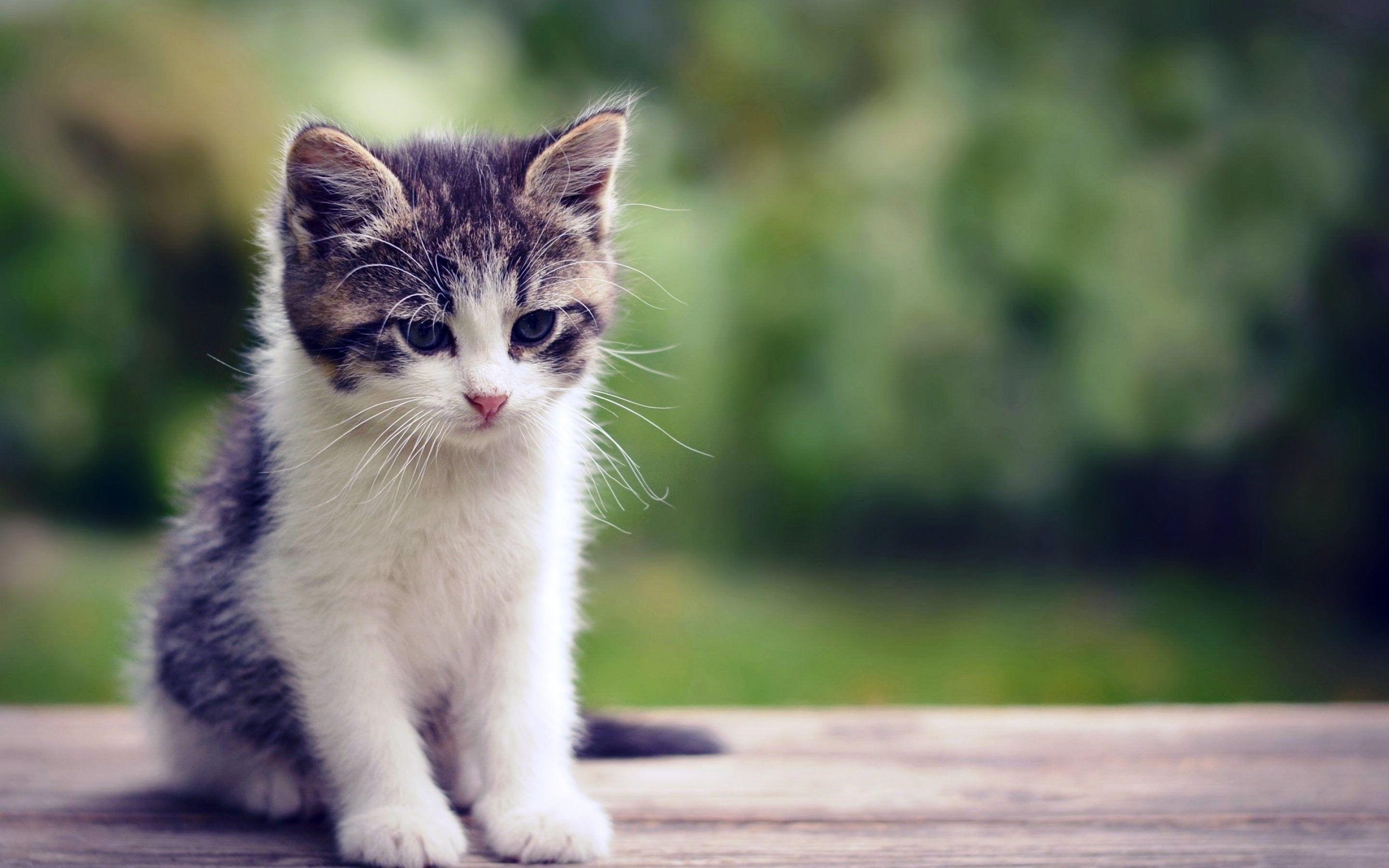
Ever watched your feline friend become utterly mesmerized by the simple drip, drip, drip of a leaky faucet? It's a common and often comical sight: a cat, perched precariously on the edge of the sink, batting at the elusive water droplets with focused intensity. What is it about this watery game that captivates our cats so completely?
We often see our cats engaging in behaviors that seem… well, a little odd. Are they bored? Thirsty? Just plain weird? It can be hard to decipher their motivations, especially when their actions involve a pristine, porcelain sink and a seemingly endless supply of dripping water. We worry about wasting water, about the mess, and even about our cat slipping and hurting themselves in their watery pursuit.
This post will explore the fascinating phenomenon of cats chasing water drops in the sink. We'll delve into the reasons behind this behavior, discuss whether it's something to encourage or discourage, and offer some tips for managing your cat's aquatic obsession. We'll look at their natural instincts, potential health concerns, and ways to keep your cat happy and hydrated without turning your bathroom into a water park.
So, why do cats become so enthralled with dripping water? This article covers the instinctive drives, potential thirst issues, and even entertainment aspects behind this common feline behavior. We'll also explore whether you should encourage or redirect this behavior and provide tips for ensuring your cat stays hydrated and happy, all while keeping your sink (relatively) dry.
Personal Experience with a Water-Obsessed Feline
My own cat, a mischievous tabby named Oliver, is a prime example of a water-drop enthusiast. It all started innocently enough. A leaky faucet, a curious paw, and suddenly, we had a full-blown obsession on our hands. Every morning, without fail, Oliver would leap onto the bathroom counter and demand the "water game." He'd sit patiently, ears perked, eyes glued to the faucet, waiting for the first precious drop. The moment it appeared, he'd pounce, batting at the droplet with playful ferocity. At first, I found it endearing, but the constant dripping (and the subsequent water bill) soon became a concern. I tried everything: fixing the faucet (obviously), ignoring him (he’d just meow incessantly), even providing him with a fancy water fountain (which he promptly ignored in favor of the sink). It wasn't until I started understanding the underlying reasons for his behavior that I could effectively manage his obsession. I realized he wasn't necessarily thirsty; he was bored and stimulated by the visual and tactile sensation of the water. Understanding this was key to finding ways to redirect his energy and provide him with alternative sources of entertainment. The dripping faucet became a symbol of a deeper need for stimulation and play in his life, and addressing that need has made both him and me much happier. His interest in the dripping water stemmed from a combination of curiosity, the allure of moving objects, and possibly even a remnant of his hunting instincts. We'll explore these reasons in more detail below, helping you understand your own water-loving feline a little better.
Understanding Cat Behavior
At its core, a cat chasing water drops is driven by instinct and curiosity. Cats are natural hunters, and even domesticated felines retain a strong prey drive. The erratic movement of a dripping water droplet mimics the movement of small prey, triggering their hunting instincts. They see it as a challenge, a tiny, elusive creature to be captured. The sound and visual stimulation of the water are also highly engaging for them. It's a sensory experience that activates their brains and provides them with entertainment. The cool, smooth surface of the sink also adds to the allure. For cats that enjoy playing in water, the sink becomes a playground. Water provides a novel texture and a change of pace from their usual environment. Furthermore, some cats might simply be seeking attention. They learn that their antics in the sink draw your attention, and they might be using this behavior as a way to interact with you. If you react positively (even if it's just to tell them to stop), they're likely to repeat the behavior. Understanding these underlying motivations can help you address the behavior in a constructive way. By providing alternative forms of play and stimulation, you can redirect their attention away from the sink and satisfy their natural instincts in a more appropriate manner.
History and Myth of Cats and Water
The relationship between cats and water has always been a complex one. Contrary to popular belief, not all cats dislike water. In fact, some breeds, like the Turkish Van, are known for their love of swimming. The myth that cats universally hate water likely stems from their origins as desert animals. Their coats aren't designed to repel water, and getting soaked can make them feel cold and uncomfortable. However, even cats that generally avoid getting wet can be fascinated by dripping water. This fascination likely taps into their hunting instincts, as mentioned earlier. In some cultures, cats are associated with water spirits and are seen as having a special connection to the element. In ancient Egypt, cats were revered and often depicted in artwork alongside water, symbolizing fertility and abundance. Regardless of the cultural interpretations, the image of a cat playing with water droplets has become a common and endearing one. It's a testament to their playful nature and their ability to find entertainment in the simplest of things. The fascination with water drops could also be linked to the cat's evolutionary history. As predators, they would have relied on water sources for survival, and their innate curiosity might lead them to investigate any available water source, even if it's just a dripping faucet. This inherited behavior, combined with their playful nature, contributes to the captivating sight of a cat chasing water drops in the sink.
Unveiling the Hidden Secret
The seemingly simple act of a cat chasing water drops in the sink may hold a hidden secret about their well-being. While it might appear purely playful, it could also be an indication of underlying thirst issues or boredom. If your cat is consistently drawn to dripping water, it's worth considering whether they are getting enough hydration from their regular water bowl. Some cats prefer running water, and a dripping faucet might be the most appealing source of water available to them. Alternatively, the behavior could be a sign of boredom or a lack of environmental enrichment. Cats are intelligent creatures that require mental stimulation to thrive. If they're not provided with enough toys, scratching posts, or playtime, they might seek out alternative sources of entertainment, such as chasing water drops. The "secret" lies in understanding the individual cat and their specific needs. By observing their behavior closely and considering their overall environment, you can gain valuable insights into their physical and emotional well-being. Are they only interested in the water when you're not around? Are they exhibiting other signs of boredom, such as excessive grooming or destructive behavior? Answering these questions can help you determine the underlying cause of their water obsession and address it accordingly. Providing them with fresh, clean water in an appealing bowl or fountain, along with plenty of opportunities for play and exploration, can often resolve the issue and keep them happy and healthy.
Recommendations for a Water-Loving Cat
If you have a cat who enjoys chasing water drops in the sink, there are several ways to manage their behavior while still satisfying their needs. First, ensure they have access to fresh, clean water at all times. Consider trying a water fountain, which provides a continuous stream of flowing water that many cats find irresistible. If they still prefer the sink, try placing a small bowl of water near the sink. They might be attracted to the location and start using the bowl instead. Second, provide plenty of alternative forms of entertainment. Puzzle toys, scratching posts, and interactive play sessions can help keep them mentally stimulated and reduce their boredom. Experiment with different toys to see what they enjoy the most. Some cats love chasing laser pointers, while others prefer batting around toy mice. Third, if the dripping faucet is the main attraction, fix it! A leaky faucet not only wastes water but also encourages your cat's obsession. If you can't fix it yourself, call a plumber. Finally, don't punish your cat for chasing water drops. This will only confuse them and damage your relationship. Instead, try to redirect their attention to a more appropriate activity. If you see them heading for the sink, call them over and offer them a toy or a treat. With patience and understanding, you can manage your cat's water obsession and keep them happy and entertained.
Understanding the "Hunting Instinct"
The "hunting instinct" is a deeply ingrained behavioral drive in cats, stemming from their evolutionary history as solitary predators. Even though domesticated cats are fed regularly, they still retain the urge to hunt and capture prey. This instinct is triggered by various stimuli, including movement, sound, and texture. In the case of water droplets, the erratic movement and shimmering appearance activate their hunting instincts, making them see the water as a potential "prey" to be stalked and captured. The act of chasing and batting at the water provides them with a sense of accomplishment and satisfies their natural hunting urges. This also explains why cats often bring "gifts" of dead animals (or sometimes toys) to their owners. They're not necessarily trying to feed you; they're simply sharing their "catch" with their social group, a behavior inherited from their wild ancestors. Understanding this instinct is crucial for providing cats with appropriate outlets for their energy and preventing them from becoming bored or frustrated. Providing them with toys that mimic the movement of prey, such as feather wands or laser pointers, can help satisfy their hunting instincts in a safe and controlled environment. You can also create a stimulating environment by hiding treats around the house or providing them with puzzle toys that require them to "hunt" for their food. By catering to their natural instincts, you can help them lead happier and more fulfilling lives.
Tips and Tricks for Managing Water Play
Managing a cat's fascination with water drops requires a combination of understanding their motivations and providing alternative outlets for their energy. Here are some practical tips and tricks: First, ensure adequate hydration: Make sure your cat has access to multiple sources of fresh, clean water. Experiment with different types of bowls (ceramic, stainless steel, glass) and locations to find what they prefer. A water fountain can also be a great option, as many cats are drawn to moving water. Second, provide enrichment: Boredom is a major driver of unwanted behaviors. Provide your cat with plenty of toys, scratching posts, and opportunities for play. Rotate their toys regularly to keep them engaged and prevent them from becoming bored. Third, redirect their attention: When you see your cat heading for the sink, try to redirect their attention to a toy or a play session. This can help break the habit and teach them that there are more rewarding ways to spend their time. Fourth, protect your sink: If your cat is constantly scratching at the sink, consider placing a mat or a scratching pad nearby. This can help protect the surface and provide them with a more appropriate place to scratch. Fifth, be patient and consistent: It takes time and consistency to change a cat's behavior. Don't get discouraged if they don't stop chasing water drops overnight. Keep providing them with alternative outlets for their energy and be patient. With time and effort, you can help them develop healthier habits and keep them happy and entertained. Remember, the goal is not to punish them, but to understand their motivations and provide them with appropriate ways to express their natural instincts.
Addressing Potential Health Concerns
While a cat chasing water drops might seem harmless, it's essential to consider potential underlying health concerns. Excessive thirst, also known as polydipsia, can be a symptom of various medical conditions, including diabetes, kidney disease, and hyperthyroidism. If your cat is suddenly drinking significantly more water than usual and spending excessive time near water sources, it's crucial to consult with a veterinarian. They can perform a thorough examination and run diagnostic tests to rule out any underlying health issues. Similarly, if your cat is exhibiting other unusual behaviors, such as lethargy, weight loss, or changes in appetite, it's essential to seek veterinary attention. Early diagnosis and treatment of underlying health conditions can significantly improve your cat's quality of life. Furthermore, be aware of the potential dangers of allowing your cat to play in the sink. Cleaning products and other harmful substances can be present in the sink drain, posing a risk of ingestion. Always rinse the sink thoroughly after cleaning and never leave hazardous materials within reach of your cat. Maintaining a clean and safe environment is crucial for protecting your cat's health and preventing accidental poisoning or injury. By being vigilant and proactive, you can ensure that your cat's fascination with water remains a harmless and enjoyable pastime.
Fun Facts About Cats and Water
Did you know that some cats actually enjoy swimming? Breeds like the Turkish Van and the Maine Coon are known for their affinity for water. Their coats are naturally water-resistant, and they often enjoy splashing around in pools or streams. Another fun fact is that cats have a highly developed sense of smell, which they use to detect the quality of water. They can often detect subtle differences in taste and odor that humans can't, which is why they might be picky about the water they drink. Cats also use their paws to test the temperature of water before drinking it, ensuring it's not too hot or too cold. This sensitivity to temperature is a survival mechanism that helps them avoid potentially harmful water sources. Furthermore, cats' whiskers play a crucial role in helping them navigate around water sources. Their whiskers are highly sensitive to changes in air currents, allowing them to detect the presence of nearby objects, even in low-light conditions. This is particularly helpful when they're reaching into a sink or a water bowl. The shape of a cat's tongue is also specially adapted for drinking water. Tiny barbs on the tongue help them scoop up water and bring it to their mouths efficiently. These barbs create a natural "spoon" that allows them to lap up water quickly and effectively. All of these unique adaptations contribute to the complex relationship between cats and water, making their behavior both fascinating and endearing.
How to Encourage Safe Water Play
While you might want to discourage your cat from chasing water drops in the sink, you can also encourage safe and controlled water play in other ways. One option is to provide them with a shallow container of water to play in. A plastic tub or a large bowl can work well. Make sure the water is clean and fresh, and avoid adding any soap or chemicals. Another option is to create a "water table" using a shallow tray filled with water and some floating toys. Ping pong balls, rubber ducks, or even ice cubes can provide hours of entertainment. Supervise your cat closely during water play to ensure their safety and prevent them from making a mess. You can also teach them to associate certain commands with water play, such as "splash" or swim.This can help you control the activity and prevent them from becoming too enthusiastic. If your cat enjoys playing with water in the bathtub, you can let them do so under your supervision. Fill the tub with a small amount of water and let them splash and play. However, always be careful not to overfill the tub and never leave them unattended. Finally, remember to dry your cat thoroughly after water play to prevent them from getting cold. Use a soft towel to gently pat them dry, and avoid using a hair dryer, as it can be stressful and uncomfortable for them. By providing safe and controlled opportunities for water play, you can satisfy your cat's natural instincts and keep them happy and entertained.
What if the Behavior Becomes Obsessive?
If your cat's water-chasing behavior becomes obsessive, it's essential to take a closer look at the underlying cause. Obsessive behaviors are often a sign of stress, anxiety, or boredom. If your cat is spending excessive amounts of time near water sources, neglecting other activities like eating or grooming, it's time to seek professional help. Consult with a veterinarian or a certified animal behaviorist to assess your cat's overall well-being and identify any potential stressors. They can help you develop a behavior modification plan to address the underlying issues and reduce the obsessive behavior. The behavior modification plan might involve providing more enrichment, reducing stress, and teaching your cat alternative behaviors. Enrichment can include providing more toys, scratching posts, and opportunities for play. Reducing stress might involve creating a calmer and more predictable environment, avoiding sudden changes in routine, and providing them with a safe and comfortable space to retreat to. Teaching alternative behaviors can involve rewarding them for engaging in other activities, such as playing with toys or interacting with you. In some cases, medication might be necessary to manage anxiety or obsessive-compulsive disorder. However, medication should only be used as a last resort and always under the guidance of a veterinarian. With patience, consistency, and professional help, you can help your cat overcome their obsessive behavior and lead a happier and more balanced life. The key is to identify the root cause of the behavior and address it in a compassionate and effective manner.
A Listicle of Ways to Entertain Your Water-Loving Cat
Here’s a fun list of ideas to keep your water-loving cat entertained without turning your bathroom into a water park: 1. Water Fountain: Invest in a cat water fountain. The moving water is often irresistible to cats.
2. Ice Cube Fishing: Drop a few ice cubes into a bowl of water and let your cat "fish" them out.
3. Floating Toys: Fill a shallow tub with water and add some floating toys like ping pong balls or rubber ducks.
4. Drip Game: If you must, control the drip! Let a faucet drip slowly under supervision for a limited time.
5. Bathtub Fun: Let your cat explore an empty bathtub with some dry toys. The smooth surface and echoes can be entertaining.
6. Window Watching: Place a bird feeder outside a window. Watching the birds can be a great source of entertainment.
7. Puzzle Toys: Use puzzle toys to challenge your cat mentally and physically.
8. Scratching Posts: Provide plenty of scratching posts to satisfy their natural scratching instincts.
9. Interactive Play: Spend time playing with your cat using toys like feather wands or laser pointers.
10. Create a Catio: A catio is an enclosed outdoor space that allows your cat to enjoy the outdoors safely. By providing a variety of activities and enrichment, you can keep your cat happy and prevent them from becoming bored or obsessed with water drops. The key is to find what your cat enjoys and provide them with plenty of opportunities to express their natural instincts. Remember, a happy cat is a well-behaved cat!
Question and Answer
Here are some frequently asked questions about cats chasing water drops in the sink:
Q: Is it normal for my cat to chase water drops in the sink?
A: Yes, it's a relatively common behavior. It's often driven by their hunting instincts, curiosity, or boredom.
Q: Should I discourage my cat from chasing water drops?
A: It depends. If it's becoming obsessive or causing a mess, it's best to redirect their attention to other activities. If it's just occasional play, it's generally harmless.
Q: How can I keep my cat hydrated if they only seem interested in dripping water?
A: Try a water fountain, offer multiple water bowls in different locations, and ensure the water is always fresh and clean. You can also try adding a small amount of tuna juice to their water to make it more appealing.
Q: Could chasing water drops be a sign of a health problem?
A: It could be. Excessive thirst can be a symptom of underlying health conditions like diabetes or kidney disease. If you notice a sudden increase in their water intake, consult with a veterinarian.
Conclusion of Cat Chases Water Drops in Sink
In conclusion, the phenomenon of cats chasing water drops in the sink is a multifaceted behavior driven by a combination of instinct, curiosity, and environmental factors. Understanding the underlying motivations behind this behavior can help you manage it effectively and ensure your cat's well-being. By providing alternative sources of entertainment, ensuring adequate hydration, and addressing any potential health concerns, you can keep your feline friend happy, healthy, and entertained, all while keeping your bathroom (relatively) dry. Remember, the key is to understand your cat's individual needs and provide them with a stimulating and enriching environment that satisfies their natural instincts in a safe and appropriate manner.
0 Response to "Cat Chases Water Drops in Sink"
Post a Comment