Cat Chases Shadows Like They’re Enemies
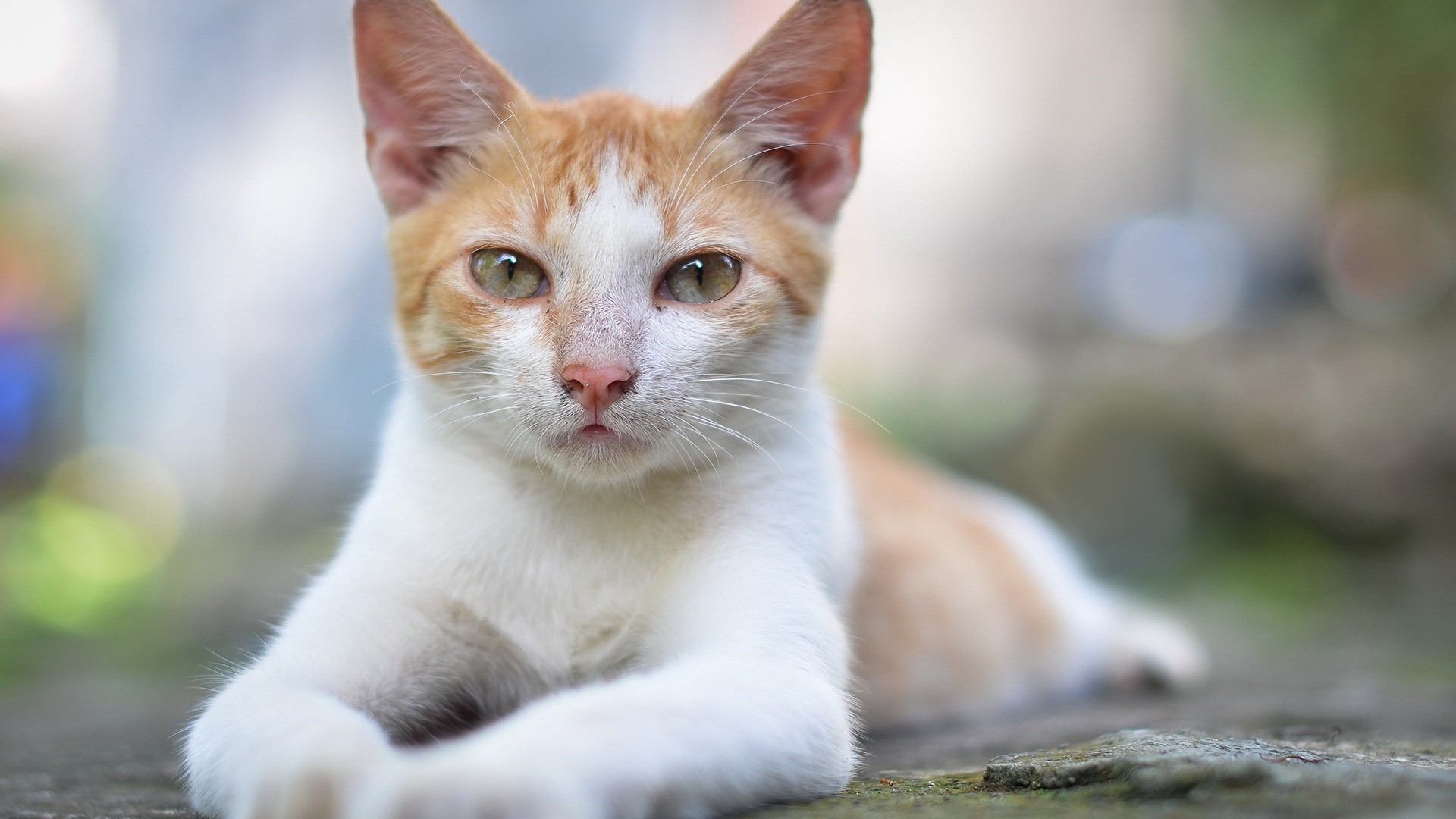
Ever watched your feline friend suddenly leap into action, eyes wide, batting at seemingly nothing? It's a common, often hilarious, sight: your cat chasing shadows like they're the most dangerous prey imaginable. But what's really going on in that furry little head?
We've all been there, scratching our heads and wondering what unseen forces are captivating our cat's attention. Is it boredom? A sign of something more serious? Or are they simply wired differently than we are, perceiving the world in ways we can't fully grasp?
This blog post is for every cat owner who has ever been baffled by their cat's shadow-hunting antics. We'll explore the reasons behind this behavior, offering insights and tips to understand and even manage your cat's fascination with the ethereal world of shadows.
In this article, we'll delve into the psychology and physiology behind why cats chase shadows, exploring the role of instinct, boredom, and even potential health issues. We'll also discuss how to enrich your cat's environment to provide alternative outlets for their energy and predatory instincts, helping to curb excessive shadow chasing. Prepare to unlock the secrets of your cat's shadow obsession!
The Thrill of the Hunt: Why Cats Are Predatory by Nature
I remember when I first brought Mittens home, a tiny ball of fluff with enormous eyes. Within days, she'd transformed from a timid kitten into a miniature predator, stalking dust bunnies and pouncing on anything that dared to move – especially shadows. One evening, I was reading by lamplight, and the flickering shadows on the wall became Mittens' ultimate enemy. She crouched low, her tail twitching, and then launched herself with surprising agility, batting at the wall with determined focus. It was both amusing and a little perplexing.
Cats are, by nature, predators. Their instincts are honed over millennia to hunt and capture prey. Even domesticated cats retain this innate drive. Shadows, with their unpredictable movements and fleeting appearances, trigger this predatory response. The flickering light mimics the movement of small prey, such as mice or insects, stimulating the cat's instinct to chase and capture. This behavior is especially pronounced in younger cats, who are still developing their hunting skills and learning to navigate their environment. Providing alternative outlets for this predatory energy, such as interactive toys and regular play sessions, can help to redirect their focus away from shadows and towards more appropriate targets. It's about understanding their inherent needs and providing a stimulating environment that satisfies their natural instincts.
What Exactly is Shadow Chasing in Cats?
Shadow chasing in cats is characterized by a heightened awareness and intense focus on shadows, followed by stalking, pouncing, and batting at them as if they were tangible prey. This behavior can manifest in various ways, from a casual glance and a playful swat to a full-blown hunting expedition across the room. Cats may stalk shadows slowly and deliberately, or they may launch themselves into action with lightning speed. The intensity and frequency of shadow chasing can vary depending on the cat's age, breed, personality, and environment.
At its core, shadow chasing is a form of play for cats. It allows them to exercise their hunting instincts and release pent-up energy. However, excessive shadow chasing can also be a sign of boredom or a lack of environmental enrichment. If a cat spends too much time indoors with limited opportunities for physical and mental stimulation, they may turn to shadows as a way to entertain themselves. In some cases, shadow chasing can also be a symptom of underlying medical or behavioral issues. For instance, vision problems or cognitive dysfunction can sometimes lead to increased shadow chasing. Understanding the underlying causes of shadow chasing is crucial for determining the best course of action to address the behavior.
The History and Myth Behind Feline Shadow Play
Throughout history, cats have been associated with the mystical and the unseen. Ancient Egyptians revered them as deities, believing they possessed supernatural powers. In folklore, cats are often depicted as having a connection to the spirit world, capable of seeing things that humans cannot. This association with the mystical may contribute to our perception of their shadow-chasing behavior as something more than just a playful pastime.
There's no concrete historical evidence to suggest that ancient cultures specifically attributed shadow chasing to supernatural abilities. However, the general mystique surrounding cats likely influenced how people interpreted their behavior. In modern times, we understand that shadow chasing is primarily driven by instinct and environmental factors. However, the lingering association with the mystical may still color our perception of this behavior. The idea that cats are somehow attuned to the unseen world persists in popular culture, adding another layer of intrigue to their shadow-chasing antics. It's a reminder that our relationship with cats is not just based on scientific understanding, but also on cultural beliefs and historical associations that have shaped our view of these enigmatic creatures.
Unveiling the Hidden Secrets of Shadow Obsession
While instinct and boredom are common explanations for shadow chasing, there may be hidden secrets to this behavior that are often overlooked. For example, some cats may be more sensitive to certain types of light or movement than others. Cats have excellent night vision, and they can detect subtle changes in light that humans cannot perceive. This heightened sensitivity may make them more attuned to shadows and more likely to chase them.
Another hidden secret could be related to the cat's mental and emotional state. Cats are creatures of habit, and changes in their routine or environment can cause stress and anxiety. Shadow chasing may be a coping mechanism for dealing with these feelings. It provides a distraction and an outlet for pent-up energy. Additionally, some cats may have underlying neurological conditions that contribute to their shadow-chasing behavior. In rare cases, compulsive shadow chasing can be a symptom of feline hyperesthesia syndrome, a condition that causes heightened sensitivity to touch and pain. Exploring these hidden secrets can provide a more complete understanding of why cats chase shadows and help to identify any underlying issues that may need to be addressed.
Recommendations to Manage and Enrich Your Cat's Shadow-Chasing Behavior
If your cat's shadow chasing is becoming excessive or disruptive, there are several recommendations you can follow to manage and enrich their environment. First, ensure that your cat has plenty of opportunities for physical and mental stimulation. Interactive toys, such as puzzle feeders and laser pointers, can provide a healthy outlet for their hunting instincts. Regular play sessions can also help to burn off excess energy and reduce boredom. Consider providing climbing structures, scratching posts, and window perches to create a stimulating environment that satisfies their natural behaviors.
Another recommendation is to minimize the appearance of shadows in your home. Use blinds or curtains to block out direct sunlight, and avoid using flickering lights that may trigger their predatory response. If your cat is particularly sensitive to shadows, you may want to consider consulting with a veterinarian or a certified cat behaviorist. They can help to identify any underlying medical or behavioral issues that may be contributing to the problem. In some cases, medication or behavioral therapy may be necessary to manage the behavior. The key is to create a stimulating and enriching environment that meets your cat's physical and mental needs, while also minimizing the triggers that lead to excessive shadow chasing.
Understanding Feline Vision and Shadow Perception
A cat's vision is remarkably different from our own. Their eyes are specifically designed for hunting in low-light conditions, giving them a distinct advantage when it comes to detecting movement and shadows. While they may not see colors as vividly as humans, their ability to perceive subtle changes in light and shadow is far superior. This enhanced vision is crucial for detecting prey in dimly lit environments, making them highly sensitive to any flickering or moving shadows.
The tapetum lucidum, a reflective layer behind the retina, further enhances their night vision by reflecting light back through the photoreceptors. This adaptation allows them to see approximately six to eight times better than humans in low light. Additionally, their wider field of view and higher proportion of rod cells (responsible for detecting motion) make them incredibly adept at spotting even the slightest movement. This combination of factors contributes to their heightened awareness of shadows and their tendency to perceive them as potential prey. Understanding these unique aspects of feline vision can shed light on why cats are so fascinated by shadows and why they may chase them with such enthusiasm. It's a testament to their evolutionary adaptations that have shaped them into the skilled hunters they are today.
Tips and Tricks to Divert a Shadow-Obsessed Cat
If your cat is constantly chasing shadows, you might want to try some tips and tricks to divert their attention. One effective strategy is to redirect their focus with an engaging toy. A feather wand, a laser pointer, or a catnip-filled mouse can all be used to simulate the thrill of the hunt and provide a more appropriate target for their predatory instincts. When you see your cat starting to fixate on a shadow, immediately introduce the toy and encourage them to chase and capture it instead.
Another helpful tip is to create a stimulating environment that offers plenty of alternative activities. Climbing structures, scratching posts, and window perches can all provide opportunities for exercise and exploration. Consider rotating your cat's toys regularly to keep them engaged and prevent boredom. You can also try hiding treats around the house to encourage them to hunt and explore. Additionally, providing regular play sessions is crucial for burning off excess energy and reducing the likelihood of shadow chasing. Aim for at least 15-20 minutes of active play each day, focusing on activities that mimic hunting behaviors, such as stalking, pouncing, and capturing. These simple tips and tricks can go a long way in diverting your cat's attention from shadows and providing them with a more enriching and fulfilling life.
Environmental Enrichment for Shadow-Chasing Cats
Environmental enrichment is key to addressing shadow-chasing behavior in cats. By creating a stimulating and engaging environment, you can help to satisfy their natural instincts and reduce their reliance on shadows for entertainment. This can involve providing a variety of toys, climbing structures, scratching posts, and hiding places. Consider rotating your cat's toys regularly to keep them interested and prevent boredom. Puzzle feeders can also be a great way to provide mental stimulation and encourage them to work for their food.
In addition to physical enrichment, consider providing sensory enrichment as well. Cats enjoy exploring different textures, smells, and sounds. You can introduce new scents by sprinkling catnip around the house or providing a cat-safe herb garden. Playing calming music or nature sounds can also help to create a relaxing and stimulating environment. Furthermore, ensure that your cat has access to a safe and comfortable space where they can retreat and relax. This could be a cozy bed, a window perch, or a quiet room where they can escape the hustle and bustle of the household. By providing a rich and stimulating environment, you can help to reduce your cat's reliance on shadows for entertainment and promote their overall well-being.
Fun Facts About Cats and Their Shadowy Pursuits
Did you know that kittens are more likely to chase shadows than adult cats? This is because they are still developing their hunting skills and exploring their environment. Shadow chasing is a way for them to practice their predatory instincts and learn about the world around them. Another fun fact is that certain breeds of cats are more prone to shadow chasing than others. Oriental breeds, such as Siamese and Burmese, are known for their high energy levels and playful personalities, which may make them more likely to engage in this behavior.
It's also interesting to note that cats can sometimes mistake reflections for shadows. They may see their own reflection in a mirror or a window and perceive it as another cat, leading them to stalk and pounce on it. Additionally, some cats may develop a shadow-chasing habit as a way to get attention from their owners. They quickly learn that their shadow-chasing antics are amusing and entertaining, and they may repeat the behavior to elicit a response. Finally, it's worth mentioning that shadow chasing can sometimes be a sign of a more serious underlying medical or behavioral issue. If your cat's shadow chasing is sudden, excessive, or accompanied by other unusual behaviors, it's important to consult with a veterinarian to rule out any potential health problems. These fun facts highlight the complex and often mysterious nature of feline behavior and remind us that there's always more to learn about our furry companions.
How to Distinguish Playful Shadow Chasing from a Problem
It's important to be able to distinguish between playful shadow chasing and a more serious problem. Playful shadow chasing is usually sporadic, short-lived, and accompanied by other signs of playfulness, such as purring, kneading, and relaxed body language. The cat may chase shadows occasionally but is easily distracted and able to engage in other activities. On the other hand, problematic shadow chasing is often obsessive, persistent, and accompanied by signs of stress or anxiety, such as hissing, growling, dilated pupils, and excessive grooming.
The cat may become fixated on shadows and unable to be easily distracted. They may also exhibit other behavioral issues, such as aggression, destructiveness, or changes in appetite. If you're concerned that your cat's shadow chasing is becoming problematic, it's important to monitor their behavior closely and consult with a veterinarian or a certified cat behaviorist. They can help to identify any underlying medical or behavioral issues that may be contributing to the problem and recommend appropriate treatment options. It's also crucial to provide a stimulating and enriching environment that meets your cat's physical and mental needs. This can help to reduce their reliance on shadows for entertainment and promote their overall well-being. Remember, early intervention is key to addressing any behavioral issues and ensuring that your cat lives a happy and healthy life.
What if Shadow Chasing Becomes Excessive or Harmful?
If your cat's shadow chasing becomes excessive or harmful, it's crucial to take action to address the underlying cause. Excessive shadow chasing can lead to several problems, including anxiety, frustration, and physical injury. The cat may become so fixated on shadows that they neglect their basic needs, such as eating, drinking, and grooming. They may also injure themselves by running into walls or furniture while chasing shadows.
Harmful shadow chasing can also disrupt the household and create stress for both the cat and their owners. The constant chasing and pouncing can be noisy and destructive, and the cat's anxiety can be contagious. If you're concerned that your cat's shadow chasing is becoming excessive or harmful, it's important to consult with a veterinarian or a certified cat behaviorist. They can help to identify any underlying medical or behavioral issues that may be contributing to the problem and recommend appropriate treatment options. This may involve medication, behavioral therapy, or environmental modifications. It's also crucial to provide a stimulating and enriching environment that meets your cat's physical and mental needs. This can help to reduce their reliance on shadows for entertainment and promote their overall well-being. Remember, early intervention is key to preventing shadow chasing from becoming a chronic and debilitating problem.
Top 5 Toys for Cats Obsessed with Chasing Shadows
If your feline friend is constantly on the hunt for shadows, providing them with alternative outlets for their energy and hunting instincts is crucial. Here's a list of the top 5 toys that are sure to captivate even the most dedicated shadow chaser:
- Laser Pointer: The classic go-to for a reason! The erratic movement of the laser mimics the unpredictable nature of shadows, providing a similar thrill of the chase. Just be sure to end the session with a tangible reward, like a treat or toy, to satisfy their hunting instinct.
- Feather Wand Toy: These toys allow for interactive play, letting you control the "prey" and engage your cat's natural stalking and pouncing behaviors. The feathers' realistic texture and movement are irresistible to most cats.
- Interactive Puzzle Feeders: These toys require your cat to work for their food, providing mental stimulation and engaging their problem-solving skills. They can help redirect their focus from shadows to a more rewarding activity.
- Catnip-Filled Toys: Catnip is a natural attractant for cats, and toys filled with catnip can provide hours of entertainment. The scent stimulates their senses and encourages them to play and explore.
- Crinkle Balls: The crinkling sound of these balls mimics the sound of prey rustling in the underbrush, triggering their hunting instincts. They're lightweight and easy to bat around, providing a fun and engaging activity.
Question and Answer
Q: Is shadow chasing always a sign of a problem?
A: Not necessarily. Occasional shadow chasing is a normal behavior for cats, especially kittens, as they explore their environment and practice their hunting skills. However, excessive or obsessive shadow chasing can be a sign of boredom, lack of stimulation, or underlying medical or behavioral issues.
Q: How can I tell if my cat's shadow chasing is excessive?
A: Look for signs such as constant fixation on shadows, inability to be distracted, neglect of basic needs like eating or grooming, and other behavioral issues like aggression or anxiety. If you notice these signs, it's best to consult with a veterinarian or a certified cat behaviorist.
Q: What can I do to stop my cat from chasing shadows?
A: Provide plenty of alternative outlets for their energy and hunting instincts, such as interactive toys, climbing structures, and regular play sessions. Minimize the appearance of shadows in your home by using blinds or curtains and avoiding flickering lights. If the behavior is excessive, consult with a professional to rule out any underlying issues.
Q: Is there anything I shouldn't do when my cat is chasing shadows?
A: Avoid scolding or punishing your cat, as this can increase their anxiety and make the behavior worse. Don't use laser pointers directly in their eyes, as this can cause damage. And don't ignore the behavior if it becomes excessive or harmful, as early intervention is key to addressing any underlying issues.
Conclusion of Cat Chases Shadows Like They’re Enemies
Understanding why cats chase shadows is crucial for providing them with a happy and fulfilling life. By recognizing the underlying causes, whether it's instinct, boredom, or a potential health issue, you can take steps to address the behavior and enrich their environment. Remember to provide plenty of alternative outlets for their energy, minimize the appearance of shadows in your home, and consult with a professional if you have any concerns. With a little patience and understanding, you can help your cat channel their inner predator in a healthy and constructive way.
0 Response to "Cat Chases Shadows Like They’re Enemies"
Post a Comment