Animals You’ll Find in Yellowstone National Park
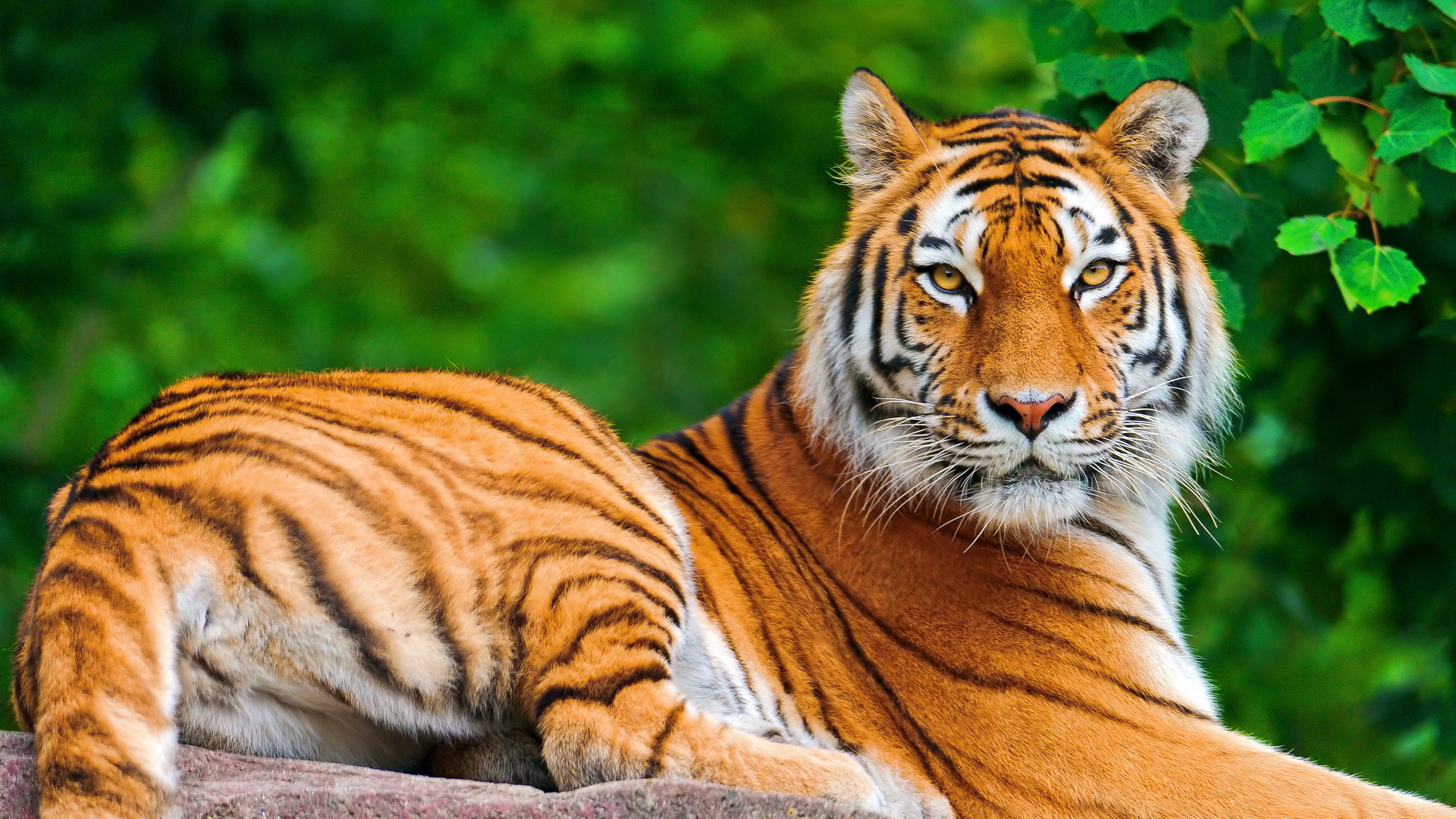
Imagine standing in a vast, untouched wilderness, the crisp mountain air filling your lungs, and the chance to witness some of the most majestic creatures North America has to offer roaming freely. Yellowstone National Park is a haven for wildlife enthusiasts, a place where you can connect with nature on a profound level. But knowing what to expect can make all the difference in your experience.
Many visitors dream of seeing the iconic animals of Yellowstone, but the sheer size of the park and the unpredictability of wildlife can lead to disappointment. It's easy to feel overwhelmed, unsure of where to look, or when the best time to visit is for optimal viewing. And, of course, safety is paramount; respecting these animals' space is crucial for both their well-being and yours.
This guide aims to introduce you to the incredible array of animals you might encounter in Yellowstone National Park, providing information on where they typically reside, tips for safe viewing, and interesting facts about their behavior and ecology. Prepare to be amazed by the biodiversity this unique ecosystem holds!
In Yellowstone, you'll find iconic species like bison, elk, wolves, and bears, alongside other fascinating creatures such as pronghorn, moose, bighorn sheep, and various bird species. Knowing their habitats and habits is key to a memorable and safe wildlife viewing experience. So, get ready to explore the wild side of Yellowstone!
My First Bison Encounter
I remember my first trip to Yellowstone vividly. I was driving along a seemingly empty road when suddenly, a massive bison emerged from the trees, casually strolling across the asphalt. It was an awe-inspiring moment, witnessing such a powerful animal so close. That experience sparked my fascination with Yellowstone's wildlife, and I've been returning ever since to learn more. Bison, also known as buffalo, are one of the most recognizable symbols of the American West and a keystone species in Yellowstone's ecosystem. They graze on the park's vast grasslands, playing a vital role in shaping the landscape and influencing plant diversity. Keep an eye out for them in Hayden Valley, Lamar Valley, and near the geyser basins. Remember to keep a safe distance – these seemingly docile creatures can be surprisingly quick and aggressive if they feel threatened. Always adhere to park regulations and maintain a distance of at least 25 yards from bison and elk, and 100 yards from bears and wolves. Observing wildlife safely and responsibly ensures both your well-being and the protection of these magnificent animals.
Understanding Yellowstone's Elk Population
Elk are another common sight in Yellowstone, particularly during the fall rutting season. These majestic deer, also known as wapiti, are known for their distinctive bugling calls, which echo through the valleys as males compete for mates. Elk are herbivores, primarily feeding on grasses, sedges, and shrubs. Their grazing habits help to shape the park's vegetation and influence the distribution of other animals. During the winter months, elk often congregate in lower-elevation areas, seeking refuge from the harsh conditions. Look for them in meadows, along rivers, and in areas with dense forests. Like bison, elk are powerful animals and should be treated with respect. During the rut, bull elk can be particularly aggressive, so it's important to give them plenty of space. Observing elk in their natural habitat is a truly unforgettable experience, but it's crucial to do so responsibly and safely.
The History and Myth of Wolves in Yellowstone
The reintroduction of wolves to Yellowstone in the mid-1990s is a remarkable conservation success story. After being extirpated from the park in the early 20th century, wolves have made a dramatic comeback, playing a crucial role in restoring the ecosystem's natural balance. Their presence has had a cascading effect, influencing everything from elk populations to vegetation patterns. Wolves are highly intelligent and social animals, living in packs that typically consist of a breeding pair and their offspring. They are apex predators, primarily feeding on elk, deer, and bison. The reintroduction of wolves was not without controversy, as some ranchers and hunters expressed concerns about livestock depredation and competition for game. However, scientific studies have shown that wolves have had a positive impact on the ecosystem as a whole. They have helped to control elk populations, preventing overgrazing and allowing vegetation to recover. This, in turn, has benefited other species, such as beavers and songbirds. Observing wolves in Yellowstone is a challenging but rewarding experience. Look for them in Lamar Valley, often referred to as "America's Serengeti," where they are frequently spotted hunting elk and bison.
Uncovering the Secrets of Yellowstone's Bears
Yellowstone is home to both grizzly bears and black bears, two iconic species that evoke both awe and respect. Grizzly bears are larger and more powerful than black bears, with a distinctive hump on their shoulders. They are opportunistic omnivores, feeding on a wide variety of foods, including berries, insects, fish, and ungulates. Black bears are more adaptable and can thrive in a wider range of habitats. They are also omnivores, but their diet is typically more plant-based than that of grizzlies. Both species are known to frequent areas near human development, particularly in search of food. This can lead to conflicts, which is why it's crucial to store food properly and avoid approaching bears. When hiking in bear country, it's recommended to carry bear spray and make noise to avoid surprising them. Observing bears in Yellowstone is an incredible experience, but it's essential to do so safely and responsibly. Learn to distinguish between grizzly bears and black bears, and always be aware of your surroundings. Respect their space and avoid any behavior that could provoke them. Remember, a fed bear is a dead bear, so never leave food unattended or attempt to feed them.
Recommendations for Wildlife Viewing in Yellowstone
To maximize your chances of seeing wildlife in Yellowstone, consider visiting during the early morning or late evening hours, when animals are most active. Bring a pair of binoculars or a spotting scope to get a closer look without disturbing them. Patience is key, as wildlife sightings are never guaranteed. Lamar Valley and Hayden Valley are known for their abundant wildlife, including bison, elk, wolves, and pronghorn. The Yellowstone River corridor is a good place to look for moose, while the higher elevations are home to bighorn sheep and mountain goats. Consider hiring a guide or joining a wildlife tour to learn more about the park's fauna and increase your chances of spotting elusive species. A knowledgeable guide can provide valuable insights into animal behavior and ecology, and they can also help you navigate the park's vast landscape. Remember to respect wildlife by keeping a safe distance and avoiding any behavior that could disrupt their natural activities. Observe from a distance, use binoculars or spotting scopes for a closer look, and never approach or feed animals. Store food properly to avoid attracting bears and other wildlife to campsites and picnic areas.
The Importance of Responsible Wildlife Viewing
Responsible wildlife viewing is crucial for protecting both the animals and their habitat. By following park regulations and respecting wildlife, you can help ensure that future generations will have the opportunity to enjoy these magnificent creatures. Avoid disturbing animals by making loud noises or approaching them too closely. Keep a safe distance, use binoculars or spotting scopes for a closer look, and never attempt to feed them. Store food properly to avoid attracting bears and other wildlife to campsites and picnic areas. Pack out all trash and leave no trace of your visit. Stay on designated trails to avoid trampling vegetation and disturbing wildlife habitat. Report any sightings of injured or distressed animals to park rangers. Be aware of your surroundings and avoid any behavior that could put you or the animals at risk. Remember, wildlife is wild, and they should be treated with respect. By practicing responsible wildlife viewing, you can help ensure that these animals continue to thrive in Yellowstone's unique ecosystem.
Tips for Safe Wildlife Viewing
Safety is paramount when observing wildlife in Yellowstone. Always maintain a safe distance from animals, and never approach or attempt to feed them. Carry bear spray when hiking in bear country and know how to use it. Make noise to avoid surprising bears and be aware of your surroundings. Store food properly to avoid attracting bears and other wildlife to campsites and picnic areas. Follow park regulations and heed any warnings or closures. Be prepared for encounters with wildlife, and know what to do if you encounter a bear, bison, elk, or other potentially dangerous animal. If you encounter a bear, slowly back away and avoid making direct eye contact. If a bear charges, use your bear spray. If you encounter a bison or elk, give them plenty of space and avoid approaching them. If they charge, move away quickly. Remember, wildlife is unpredictable, and it's important to be prepared for any situation. By following these safety tips, you can enjoy a safe and memorable wildlife viewing experience in Yellowstone National Park.
Understanding Bear Spray
Bear spray is a highly effective deterrent against bears, but it's important to know how to use it properly. Purchase bear spray from a reputable source and read the instructions carefully. Practice using the spray in a safe location so you're familiar with how it works. Carry the spray in an easily accessible location, such as a holster on your belt or chest. If you encounter a bear that is charging or behaving aggressively, remove the safety clip and aim the spray at the bear's face. Depress the nozzle and spray in short bursts, covering the bear's eyes, nose, and mouth. Back away slowly while continuing to spray if necessary. Bear spray is not a substitute for common sense and responsible behavior. It's important to avoid attracting bears in the first place by storing food properly and making noise when hiking. However, if you do encounter a bear, bear spray can be a lifesaver.
Fun Facts About Yellowstone's Wildlife
Did you know that bison can run up to 35 miles per hour? Or that elk can jump over eight feet high? Yellowstone is full of fascinating facts about its wildlife. Pronghorn are the fastest land animals in North America, capable of reaching speeds of up to 60 miles per hour. Beavers are ecosystem engineers, building dams that create wetlands and provide habitat for a variety of other species. River otters are playful and intelligent animals, often seen sliding down snowbanks or playing in the water. Bald eagles are majestic birds of prey, often seen soaring over Yellowstone's rivers and lakes. These are just a few of the many fun facts about Yellowstone's wildlife. The park is a treasure trove of biodiversity, and there's always something new to discover. By learning more about these animals, you can gain a deeper appreciation for their role in the ecosystem and the importance of protecting them.
How to Spot Wildlife in Yellowstone
Spotting wildlife in Yellowstone requires patience, observation skills, and a bit of luck. Start by identifying areas where animals are likely to be found, such as Lamar Valley, Hayden Valley, and the Yellowstone River corridor. Use binoculars or a spotting scope to scan the landscape for signs of wildlife, such as tracks, scat, or disturbed vegetation. Look for movement in the trees or along the edges of meadows. Pay attention to your surroundings and listen for animal calls. Be patient and persistent, as wildlife sightings are never guaranteed. If you spot an animal, observe it from a distance and avoid disturbing it. Respect its space and allow it to behave naturally. By following these tips, you can increase your chances of spotting wildlife in Yellowstone and having a memorable experience.
What if You Encounter a Bear?
Encountering a bear in Yellowstone can be a thrilling but potentially dangerous experience. If you encounter a bear, remain calm and assess the situation. Identify the species of bear (grizzly or black) and observe its behavior. If the bear is unaware of your presence, slowly back away and avoid making any sudden movements. If the bear is aware of your presence but not acting aggressively, talk to it in a calm voice and let it know you're there. Slowly back away and give it plenty of space. If the bear is acting aggressively, such as charging, swatting, or vocalizing, use your bear spray. Aim the spray at the bear's face and depress the nozzle in short bursts. Back away slowly while continuing to spray if necessary. If the bear attacks, fight back using any means possible. Focus on the bear's face and eyes. Report the encounter to park rangers as soon as possible. By knowing what to do in the event of a bear encounter, you can increase your chances of staying safe.
Top 5 Animals to See in Yellowstone
Here's a list of five iconic animals you should try to spot in Yellowstone: 1. Bison: These massive herbivores are a common sight in the park's grasslands and valleys.
2. Elk: Listen for their bugling calls during the fall rutting season.
3. Wolves: Look for them in Lamar Valley, often hunting in packs.
4. Grizzly Bears: Keep a safe distance and carry bear spray when hiking in bear country.
5. Pronghorn: Watch these speedsters race across the open plains. These are just a few of the many amazing animals you can see in Yellowstone. With patience and a bit of luck, you'll have an unforgettable wildlife viewing experience.
Question and Answer
Q: What is the best time to visit Yellowstone for wildlife viewing?
A: The best time is generally early spring (May-June) or early fall (September-October). Animals are more active during these periods, and the crowds are smaller.
Q: Where are the best places to see wolves in Yellowstone?
A: Lamar Valley is often called "America's Serengeti" due to its abundant wildlife, including wolves. Hayden Valley is another good option.
Q: How close is too close to an animal in Yellowstone?
A: Maintain a distance of at least 25 yards from bison and elk, and 100 yards from bears and wolves.
Q: What should I do if I see a bear while hiking?
A: Remain calm, slowly back away, and avoid direct eye contact. If the bear charges, use your bear spray.
Conclusion of Animals You’ll Find in Yellowstone National Park
Yellowstone National Park offers an unparalleled opportunity to witness diverse and magnificent wildlife in their natural habitat. By understanding their behaviors, respecting their space, and following safety guidelines, you can have a memorable and responsible wildlife viewing experience. From the iconic bison to the elusive wolf, Yellowstone's animals are a testament to the park's ecological importance and the need for continued conservation efforts. So, pack your binoculars, grab your camera, and prepare to be amazed by the wild wonders of Yellowstone!
0 Response to "Animals You’ll Find in Yellowstone National Park"
Post a Comment