Cat Watches TV Like a Human
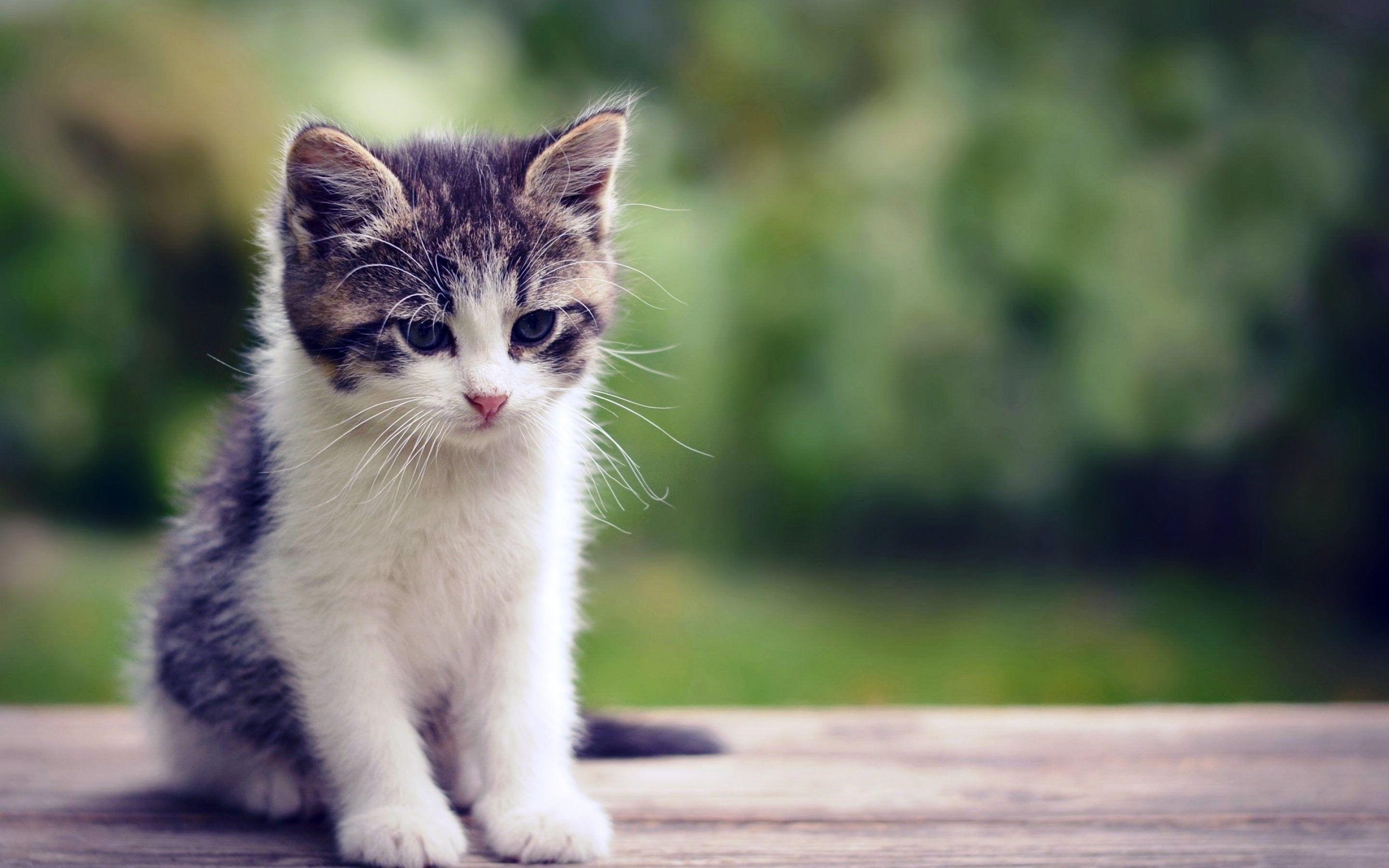
Have you ever caught your feline friend staring intently at the television, seemingly engrossed in the program like a tiny, furry human? It's a sight that sparks curiosity and amusement, leading many to wonder: what's really going on in their little cat minds when they watch TV?
It can be perplexing when your cat ignores that brand-new, expensive cat tree but becomes absolutely mesmerized by the flickering images on the screen. Maybe you're concerned they're not getting enough "real" stimulation, or perhaps you're simply curious about this odd behavior. Is it normal? Are they actually understanding what they're seeing?
This article explores the fascinating phenomenon of cats watching television, diving into the reasons behind their captivating behavior and offering insights into what they might be experiencing as they sit glued to the screen. We'll uncover the science, the potential motivations, and the possible benefits (or drawbacks) of this increasingly common feline pastime.
We'll examine the visual capabilities of cats, the types of content that tend to grab their attention, and debunk some common myths about their screen-watching habits. Prepare to be enlightened about the secret lives of your TV-loving kitties! So, let's explore this quirky and endearing behavior.
My Cat's Bizarre TV Obsession
My own cat, Mittens, a fluffy Persian with a perpetually unimpressed expression, has a peculiar addiction: nature documentaries. It started innocently enough. I was watching a program about the Serengeti when I noticed Mittens perched on the armrest, her eyes fixated on the screen. At first, I dismissed it as a fluke. But the next day, and the day after that, she returned, settling in to watch the lions, zebras, and wildebeests as if they were the most fascinating creatures on Earth. What makes a cat behave like a human in front of the TV? Is it truly understanding the content, or is it simply responding to the movement and colors? The answer, as with most things involving cats, is a bit complicated.
Cats possess a visual system that is different from humans. Their world is painted in shades of blue and yellow, and while their color perception is limited, their ability to detect motion is exceptional. This explains why fast-paced action scenes and programs featuring animals are particularly appealing to them. They are attuned to the subtle movements and visual cues that we might miss, turning the television into an interactive hunting simulation. Furthermore, the flickering of the screen itself can be stimulating, activating their natural instincts and providing a source of entertainment. However, it's unlikely that they are comprehending the narrative or the complexities of the storyline. Instead, they are engaging with the visual and auditory stimuli in a way that aligns with their predatory nature.
What Does it Mean When Your Cat Watches TV?
When a cat watches TV, it's not necessarily mirroring human behavior. Their engagement stems from their unique sensory perceptions. Cats' vision is optimized for detecting movement, which makes fast-paced scenes with animals particularly captivating. The flickering of the screen itself can also be stimulating, mimicking the movement of prey. But their reaction might not indicate understanding the content like humans do. Instead, they're reacting to the visual and auditory stimuli in a way that aligns with their predatory instincts.
The television, to a cat, might represent an animated hunting ground filled with intriguing moving objects. Consider the types of programs that capture their attention: nature documentaries with birds and rodents, or even cartoons with exaggerated movements. These visual elements tap into their primal instincts, triggering their hunting drive and providing a source of entertainment. However, it's crucial to remember that their perception of the world differs significantly from ours. They are not interpreting the narrative or understanding the plot in the same way. Instead, they are engaging with the raw visual and auditory data, responding to the stimuli in a way that is deeply ingrained in their feline nature. In addition to visual and auditory stimuli, the sounds emanating from the television can also play a role in capturing a cat's attention. The chirping of birds, the rustling of leaves, or the squeaking of rodents can all trigger their hunting instincts, drawing them closer to the source of the sound.
The History and Myths of Cats Watching TV
The phenomenon of cats watching TV is relatively recent, coinciding with the widespread adoption of television technology in homes. Before the advent of television, cats relied on the natural world for stimulation, hunting in fields, forests, and gardens. The invention of television introduced a novel source of visual and auditory stimuli, instantly captivating the curious minds of our feline companions. In the early days of television, the flickering screen and grainy images may not have been as appealing to cats as the high-definition displays we have today. However, as technology advanced and television screens became sharper and more vibrant, cats began to show a greater interest in the moving images.
One common myth is that cats watch TV because they understand what they're seeing. While they may recognize certain animals or objects, their comprehension is unlikely to extend to understanding plotlines or narratives. Another myth is that all cats are equally interested in television. Just like humans, cats have individual personalities and preferences. Some may be fascinated by the screen, while others may prefer to spend their time napping in a sunbeam or chasing a laser pointer. Furthermore, the type of content being displayed on the television can also influence a cat's interest. For instance, a cat that enjoys hunting birds might be more captivated by a nature documentary featuring avian wildlife than a sitcom with human actors. Similarly, a cat with a strong prey drive might be more drawn to a video game with fast-paced action than a slow-moving drama.
The Hidden Secrets of Cats and Their TV Habits
One of the hidden secrets behind cats' fascination with TV lies in their superior motion detection. Their eyes are designed to pick up even the slightest movements, making them excellent hunters. The rapid flickering of the screen, combined with the movement of objects within the frame, creates a stimulating experience for their highly sensitive visual system. Another hidden secret is the role of sound. Cats have a keen sense of hearing, and the sounds emanating from the TV can trigger their hunting instincts. The chirping of birds, the squeaking of mice, or even the rustling of leaves can all pique their interest, drawing them closer to the source of the noise. What if your cat is watching TV because there is something they are missing in real life?
However, there's more to it than just visual and auditory stimulation. The social aspect of watching TV with their human companions can also play a role. Cats are social creatures, and they often enjoy spending time with their families. Watching TV together can provide a sense of bonding and companionship, strengthening the relationship between cats and their owners. In addition, the warmth emitted by the television can be appealing to cats, providing a cozy and comfortable spot to relax. This combination of visual stimulation, auditory cues, social interaction, and physical comfort may explain why some cats are so drawn to the television.
Recommendations for Your TV-Loving Cat
If your cat enjoys watching TV, there are several ways to enhance their viewing experience. Consider playing nature documentaries or videos specifically designed for cats. These videos often feature close-ups of birds, rodents, and other small animals, providing a stimulating and engaging visual feast. Remember, these visual stimuli are often what will bring your cat back to the screen.
Additionally, you can try interactive games that mimic the hunting experience. There are numerous apps available that display moving targets on the screen, allowing your cat to "hunt" and pounce on virtual prey. These games can provide mental and physical stimulation, helping to keep your cat entertained and engaged. However, it's important to moderate your cat's screen time. Excessive exposure to electronic screens can potentially lead to eye strain or other health problems. Limit their viewing sessions to a reasonable amount of time each day and ensure that they have plenty of opportunities for other activities, such as playing with toys, exploring their environment, and interacting with their human companions. Furthermore, it's crucial to consider the safety of your cat when they are watching TV. Ensure that the television is securely mounted to prevent it from falling over and potentially injuring your cat. Also, keep electrical cords out of reach to prevent them from chewing on them and getting electrocuted.
Understanding Your Cat's Viewing Habits
Delving deeper, understanding your cat's viewing habits can provide valuable insights into their personality and preferences. Do they prefer fast-paced action scenes or slow-moving nature documentaries? Are they more interested in visual stimuli or auditory cues? By observing their reactions to different types of content, you can gain a better understanding of what appeals to them and tailor their viewing experience accordingly. Furthermore, you can use this knowledge to enrich their lives in other ways. For instance, if your cat enjoys watching birds on TV, you could consider setting up a bird feeder outside a window to provide them with a real-life source of entertainment. If they are captivated by the sounds of mice, you could try hiding small toys around the house for them to "hunt" and discover. This is where you will know what makes your cat tick!
This deeper understanding can also help you to identify any potential problems with your cat's vision or hearing. If you notice that they are no longer interested in watching TV, or if they seem to be struggling to see or hear the images and sounds, it's important to consult with a veterinarian to rule out any underlying health conditions. Early detection and treatment can help to preserve your cat's vision and hearing, ensuring that they can continue to enjoy their favorite activities for years to come. In addition, understanding your cat's viewing habits can also help you to create a more stimulating and enriching environment for them. By providing them with a variety of toys, activities, and opportunities for social interaction, you can help to keep them mentally and physically stimulated, preventing boredom and promoting their overall well-being.
Tips for Creating a Purr-fect TV Experience
Creating the perfect TV experience for your cat is easier than you might think. Start by choosing content that aligns with their natural instincts. Nature documentaries with birds, squirrels, and other small animals are typically a hit. Look for videos with bright colors and fast-paced action to keep their attention. As a cat parent, you are likely the first one to be able to determine what the cat enjoys on TV.
Next, create a comfortable viewing environment. Provide a soft blanket or cushion for them to sit on, and make sure the room is at a comfortable temperature. Consider adding a scratching post nearby so they can stretch and scratch while they watch. Another important tip is to moderate their screen time. While it's tempting to let them watch TV all day, excessive exposure to electronic screens can potentially lead to eye strain or other health problems. Limit their viewing sessions to a reasonable amount of time each day and make sure they have plenty of opportunities for other activities, such as playing with toys, exploring their environment, and interacting with their human companions. Finally, be mindful of the volume level. Cats have sensitive hearing, so avoid blasting the sound too loud. Keep the volume at a moderate level that is comfortable for both you and your cat. By following these tips, you can create a purr-fect TV experience for your feline friend, providing them with a stimulating and engaging source of entertainment.
Ensuring Safe Viewing Habits for Your Cat
Ensuring safe viewing habits for your cat is essential for their well-being. One of the most important things is to prevent them from getting too close to the screen. Some cats may try to swat at the images, potentially damaging the TV or injuring themselves. To prevent this, consider using a screen protector or placing a barrier between the TV and your cat. Another important safety tip is to keep electrical cords out of reach. Cats are notorious for chewing on cords, which can be dangerous. Use cord protectors or hide the cords behind furniture to prevent them from becoming a tempting target. What can happen if a cat chews on cables?
In addition, be mindful of the potential for screen burn-in. If your cat spends a lot of time watching the same type of content, the images could become permanently imprinted on the screen. To prevent this, vary the content they watch and avoid leaving the TV on for extended periods of time with a static image displayed. Finally, be aware of the potential for eye strain. While it's unlikely that watching TV will cause permanent damage to your cat's eyes, prolonged exposure to electronic screens can still lead to temporary eye strain. If you notice that your cat is squinting, rubbing their eyes, or showing other signs of discomfort, limit their screen time and consult with a veterinarian. By following these safety tips, you can ensure that your cat enjoys their TV viewing experience without compromising their health or well-being.
Fun Facts About Cats Watching TV
Did you know that cats are more likely to watch high-definition TVs than older, lower-resolution models? The sharper images and brighter colors are more appealing to their sensitive eyes. It's like upgrading from a flip phone to the latest smartphone – the clarity just makes everything more engaging!
Here's another fun fact: cats can distinguish between different types of content on TV. Studies have shown that they prefer programs with animals, especially birds and rodents, over shows with humans. It's as if they have their own internal remote control, flipping through channels until they find something that satisfies their inner hunter. Furthermore, some cats have even been known to interact with the TV screen, swatting at the images or chasing them around the room. This behavior is particularly common in younger cats, who are more playful and curious. However, even older cats may occasionally exhibit this behavior, especially when they are particularly engaged in what they are watching. In addition, cats are often drawn to the sounds emanating from the television, such as the chirping of birds or the squeaking of mice. These sounds can trigger their hunting instincts, prompting them to investigate the source of the noise. However, it's important to be mindful of the volume level, as cats have sensitive hearing and can be easily startled by loud noises.
How to Encourage Your Cat to Watch TV
If your cat isn't already a TV enthusiast, there are ways to encourage them to join the viewing party. Start by creating a comfortable and inviting space near the TV. Place a soft blanket or cushion on the couch or floor, and make sure the room is at a comfortable temperature. Try not to change the position of the cat abruptly, as they may get a scare!
Next, choose content that is likely to appeal to them. Start with nature documentaries or videos specifically designed for cats. These videos often feature close-ups of animals, such as birds, rodents, and fish, which can be highly stimulating for their hunting instincts. In addition, try playing with them near the TV. Use a laser pointer or a feather toy to entice them to chase after the moving images on the screen. This can help them associate the TV with fun and excitement. However, it's important to be patient. Not all cats are naturally inclined to watch TV, and it may take some time for them to develop an interest. Don't force them to watch if they are not enjoying it. Instead, continue to offer them opportunities to engage with the TV in a positive and playful way. With a little patience and persistence, you may be able to turn your cat into a dedicated TV viewer.
What If Your Cat Doesn't Watch TV?
Don't worry if your cat isn't interested in television. It's perfectly normal! Just like people, cats have individual preferences. Some cats are simply not visually oriented and prefer other forms of stimulation, such as playing with toys, exploring their environment, or interacting with their human companions. Instead of focusing on trying to force your cat to watch TV, concentrate on providing them with a stimulating and enriching environment that caters to their unique needs and interests.
Provide them with a variety of toys to play with, including interactive toys that challenge their minds and puzzle toys that reward them with treats. Create opportunities for them to explore their environment, such as setting up a cat tree or providing them with access to a safe outdoor space. Spend quality time with them each day, engaging in activities that they enjoy, such as petting, grooming, or playing games. By focusing on their individual needs and preferences, you can create a fulfilling and enriching life for your cat, regardless of whether or not they are interested in watching TV. Remember, the most important thing is to provide them with love, care, and attention, and to ensure that they are happy and healthy.
Listicle of Reasons Cats Watch TV
Here's a quick listicle of why your cat might be glued to the screen:
- Motion Detection: Their eyes are designed to spot even the slightest movements.
- Visual Stimuli: They enjoy bright colors and fast-paced action.
- Auditory Cues: Sounds of birds, rodents, and other animals trigger their hunting instincts.
- Hunting Instincts: The TV provides a simulated hunting experience.
- Social Bonding: They enjoy spending time with their human companions.
- Comfort: The warmth of the TV can be appealing.
- Curiosity: They are simply curious about the moving images.
- Entertainment: The TV provides a source of stimulation and amusement.
- Routine: Watching TV may become a part of their daily routine.
- Individual Preferences: Some cats simply enjoy watching TV more than others.
Question and Answer Section
Q: Is it bad for my cat to watch TV?
A: In moderation, it's generally not harmful. However, limit screen time to prevent potential eye strain or overstimulation.
Q: What kind of TV shows do cats like?
A: Nature documentaries, videos with animals, and anything with fast-paced action are often popular.
Q: Can cats understand what they are watching?
A: They are likely responding to the visual and auditory stimuli rather than understanding the narrative.
Q: How can I tell if my cat is enjoying watching TV?
A: Look for signs of engagement, such as focused attention, head tilting, and occasional swatting at the screen.
Conclusion of Cat Watches TV Like a Human
The mystery of cats watching television may never be fully solved, but understanding their visual capabilities, instincts, and individual preferences can shed light on this quirky behavior. Whether they're captivated by the flickering images, the sounds of prey, or simply enjoying the company of their human companions, TV-watching cats offer a glimpse into the fascinating world of feline perception. So, the next time you find your cat glued to the screen, take a moment to appreciate the unique perspective they bring to the viewing experience.
0 Response to "Cat Watches TV Like a Human"
Post a Comment