Cat Brings Live Frog into House as Gift
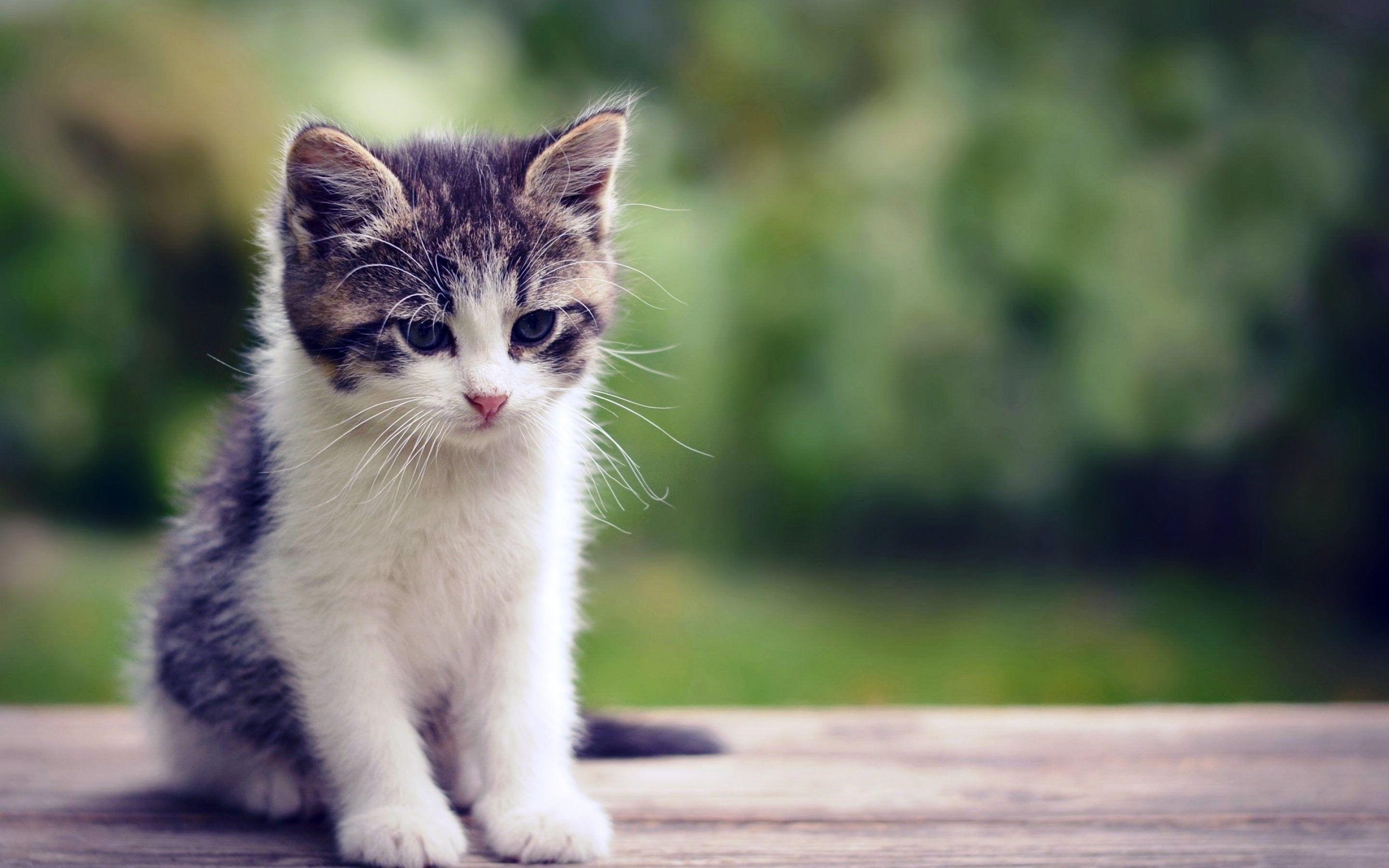
You're settling in for a cozy evening, maybe watching your favorite show, when suddenly a small, green blur darts across your living room floor. Panic sets in as you realize what it is: a live frog, courtesy of your beloved feline companion. It’s a scenario many cat owners have faced, and it raises a multitude of questions and, let's be honest, a fair amount of bewilderment.
Dealing with a cat's "gifts" can be, shall we say, unsettling. It’s not just the surprise of finding a slimy amphibian in your house. It's the worry about the frog's well-being, your cat's health (did they eat it?), and the nagging feeling that your home has become a wild animal sanctuary, whether you like it or not. It can be frustrating, confusing, and even a little gross.
This article aims to shed some light on why cats bring live frogs (or other creatures) into the house. We'll explore the reasons behind this behavior, discuss the potential implications for both your cat and the frog, and offer some practical tips on how to manage your cat's hunting instincts and minimize these unexpected deliveries.
We'll delve into the natural hunting instincts of cats, exploring why they feel compelled to bring these "gifts" home. We'll discuss the health and safety concerns associated with cats and frogs, and offer advice on how to deter your cat from hunting while still satisfying their innate needs. We'll also look at some fun facts and frequently asked questions related to this common feline behavior, helping you better understand and manage your cat's wild side. Understanding the behavior, focusing on cat behavior, pet ownership, frog safety, and home environment solutions, will help minimize those future gifts!
The First Encounter: My Froggy Fiasco
I'll never forget the first time my cat, a fluffy ginger named Marmalade, brought a frog into the house. It was a warm summer evening, and I was working late at my desk. Suddenly, I heard a series of frantic meows, followed by a strange, rhythmic croaking. I cautiously approached the sound, and there it was – a small, green frog hopping erratically across my rug, with Marmalade proudly tail-twitching beside it. My initial reaction was a mixture of shock, disgust, and a frantic desire to catch the slippery amphibian before it disappeared under the furniture. After a comical chase involving a laundry basket and a lot of strategic maneuvering, I finally managed to scoop up the frog and release it back into the garden. Marmalade, meanwhile, looked utterly bewildered, as if wondering why his thoughtful present had been so poorly received. This experience highlights the core issue: cats are driven by instinct. Bringing a frog (or a mouse, or a bird) isn't meant to be malicious; it's an expression of their natural hunting drive and, in their minds, a valuable contribution to the household. Understanding this is the first step to addressing the behavior without resorting to punishment or negativity.
Why Frogs? Understanding the Prey
The question isn't just "why animals?", but "whyfrogsspecifically?" For many cats, frogs represent an ideal prey item. They're relatively easy to catch (compared to, say, a squirrel), they move in an interesting way that triggers a cat's hunting instincts, and they're often abundant in areas where cats roam. The size and texture of a frog also make it a satisfying "toy" for a cat to bat around and play with. From a feline perspective, the frog is a stimulating and rewarding target. However, this behavior is not without risk. Frogs can carry parasites or toxins that could harm your cat if ingested. Additionally, certain frog species may be endangered or protected, making it important to discourage your cat from hunting them. The key to mitigating this behavior is to provide your cat with alternative outlets for their hunting instincts, such as interactive toys, puzzle feeders, and supervised outdoor playtime in a secure environment.
A Tale of Two Species: History and Myth
The relationship between cats and frogs is steeped in folklore and observations that predate scientific understanding. In many cultures, cats are seen as independent hunters, while frogs are often associated with transformation and good luck. The act of a cat bringing a frog into the house can be interpreted in various ways, from a sign of the cat's hunting prowess to a symbolic offering of good fortune. Historically, cats were valued for their ability to control rodent populations, but their impact on other species, like frogs, was often overlooked. In some regions, the decline of amphibian populations has been linked, in part, to predation by domestic cats. This underscores the importance of responsible pet ownership and the need to minimize the impact of cats on local ecosystems. Myths surrounding cats and frogs often portray them as adversaries, but in reality, the interaction is primarily driven by the cat's instinct to hunt and the frog's vulnerability as prey.
The Hidden Secret: What Your Cat Is Really Saying
Beyond the immediate shock of finding a frog in your house, there's a deeper message that your cat might be trying to convey. Bringing home prey can be an expression of affection, a demonstration of hunting skills, or even a sign of boredom or unmet needs. In some cases, a cat might bring home prey because they perceive their human as being incapable of hunting for themselves. It's a bizarrely endearing thought – your cat thinks you're a terrible hunter and is trying to help you out! Alternatively, a cat who is not getting enough stimulation or playtime might resort to hunting as a way to occupy their time and satisfy their instincts. The secret lies in understanding your individual cat's personality, behavior, and environmental factors. Is your cat an avid hunter by nature? Are they getting enough playtime and mental stimulation? Are there abundant frogs in your yard? Answering these questions can help you decipher the hidden meaning behind your cat's "gifts" and address the underlying cause of the behavior.
Recommendations: Taming the Hunter Within
Strategies for Success
So, how can you curb your cat's frog-hunting habits without stifling their natural instincts? The key is to redirect their hunting drive towards more acceptable outlets. Start by providing plenty of interactive toys that mimic the movements of prey, such as feather wands, laser pointers, and toy mice. Rotate these toys regularly to keep your cat engaged and prevent them from becoming bored. Puzzle feeders can also be a great way to stimulate your cat's mind and provide a rewarding hunting experience. Consider creating a safe and stimulating outdoor environment for your cat, such as a catio or a fenced-in area where they can explore and hunt insects without posing a threat to local wildlife. Finally, make sure your cat is getting plenty of attention and playtime from you. A tired and contented cat is less likely to seek out other forms of entertainment, like hunting frogs.
Top 5 Tips: A Proactive Approach
Here are five actionable tips to help you manage your cat's frog-hunting tendencies: 1.Bell the Cat: Attaching a bell to your cat's collar can alert potential prey, giving them a better chance to escape.
2.Supervise Outdoor Time: Keep a close eye on your cat when they're outdoors, and intervene if you see them stalking a frog or other animal.
3.Enrich the Indoor Environment: Provide plenty of toys, scratching posts, and climbing structures to keep your cat entertained and stimulated indoors.
4.Seal Entry Points: Make sure your house is properly sealed to prevent frogs from entering in the first place.
5.Train Your Cat: Use positive reinforcement techniques to train your cat to come when called and to leave prey alone.
Training Techniques in Depth
Positive reinforcement is your best friend when it comes to training your cat to leave prey alone. Start by rewarding your cat for simply noticing a frog (or a toy that resembles one) without attempting to pounce. Gradually increase the difficulty by rewarding them for approaching the frog but then backing away. Use high-value treats and plenty of praise to motivate your cat. If you catch your cat in the act of hunting a frog, use a firm but gentle "no" and immediately redirect their attention to a toy or activity. Consistency is key. By consistently rewarding your cat for making good choices, you can gradually modify their behavior and reduce their urge to hunt.
Fun Facts: The Amphibian Agenda
Did you know that some frogs can jump up to 20 times their body length? Or that frogs breathe through their skin? These fascinating facts highlight the incredible adaptations that frogs have developed to survive in their environment. Understanding the biology and behavior of frogs can also help you better understand why they might be attractive to your cat. For example, frogs are most active at night, which is also when cats tend to be most active. This overlap in activity patterns increases the likelihood of encounters between cats and frogs. Furthermore, the moist and humid conditions that frogs prefer are also attractive to insects, which can attract cats to those same areas. By recognizing these factors, you can take steps to reduce the opportunities for your cat to encounter frogs in your yard.
How To: Frog-Proof Your Home and Garden
Creating a frog-friendly yet cat-deterrent environment involves a few key strategies. In your garden, consider creating areas that are less accessible to cats, such as dense plantings or rock gardens. Avoid using pesticides or herbicides, which can harm both frogs and your cat. Install a fence around your yard to keep your cat from roaming too far and encountering frogs in neighboring properties. Inside your house, seal any cracks or openings that frogs might use to enter. Regularly check under appliances and furniture for any unwelcome guests. If you have a pond or water feature in your yard, consider adding netting or fencing to prevent your cat from accessing it. By taking these steps, you can create a safe and harmonious environment for both frogs and your feline friend.
What If: The Frog Gets Inside?
Despite your best efforts, a frog might occasionally find its way into your house. In this situation, it's important to act quickly and calmly to minimize stress for both the frog and your cat. First, try to contain the frog in a small area, such as a bathroom or laundry room. Then, gently scoop it up with a container or towel and release it back into your garden or a nearby natural habitat. Avoid handling the frog with your bare hands, as this can transfer oils and contaminants that could harm it. Keep your cat away from the frog during the rescue process to prevent any further stress or injury. After the frog has been safely removed, clean any surfaces that it may have touched to remove any potential contaminants. With a little patience and care, you can safely resolve the situation and prevent it from happening again.
Listicle: 10 Ways To Stop Your Cat Bringing You "Gifts"
Here's a quick list of ways to stop your cat bringing you "gifts":
1.Bell the Cat: An oldie, but a goodie!
2.Indoor Cat Enrichment: Keep your cat entertained inside, so they don't need to seek out prey.
3.Cat-Proof Your Garden: Reduce access to areas where prey animals might live.
4.Supervise Outdoor Time: Keep an eye on your cat's hunting habits.
5.Positive Reinforcement Training: Reward good behavior, not the capture of prey.
6.Regular Vet Checks: Rule out any underlying medical conditions that might be driving the behavior.
7.Puzzle Feeders: Provide mental stimulation and a hunting-like experience.
8.Rotate Toys Regularly: Keep your cat engaged and interested.
9.Consider a Catio: A safe outdoor space for cats.
10.Acceptance (with Boundaries): Understand the instinct, but set limits.
Question and Answer
Q: Why does my cat bring me dead animals?
A: Cats bring home dead animals as a demonstration of their hunting skills and as a gift for their human family, who they may perceive as being less capable hunters.
Q: Is it safe for my cat to eat frogs?
A: No, it's not safe for your cat to eat frogs. Frogs can carry parasites and toxins that can harm your cat.
Q: How can I stop my cat from hunting birds?
A: You can reduce bird hunting by keeping your cat indoors, attaching a bell to their collar, and providing them with plenty of indoor enrichment.
Q: What should I do if I find a frog in my house?
A: Gently scoop up the frog with a container or towel and release it back into your garden or a nearby natural habitat. Keep your cat away from the frog during the rescue process.
Conclusion of Cat Brings Live Frog into House as Gift
While finding a live frog in your living room might not be your idea of a pleasant surprise, understanding the motivations behind your cat's behavior can help you respond in a way that is both effective and compassionate. By providing your cat with alternative outlets for their hunting instincts, creating a safe and stimulating environment, and taking steps to protect local wildlife, you can minimize the chances of future froggy encounters and maintain a harmonious relationship with your feline companion. Remember, it's all about understanding their needs and redirecting that energy!
0 Response to "Cat Brings Live Frog into House as Gift"
Post a Comment