Bird Pecks Phone When Ignored
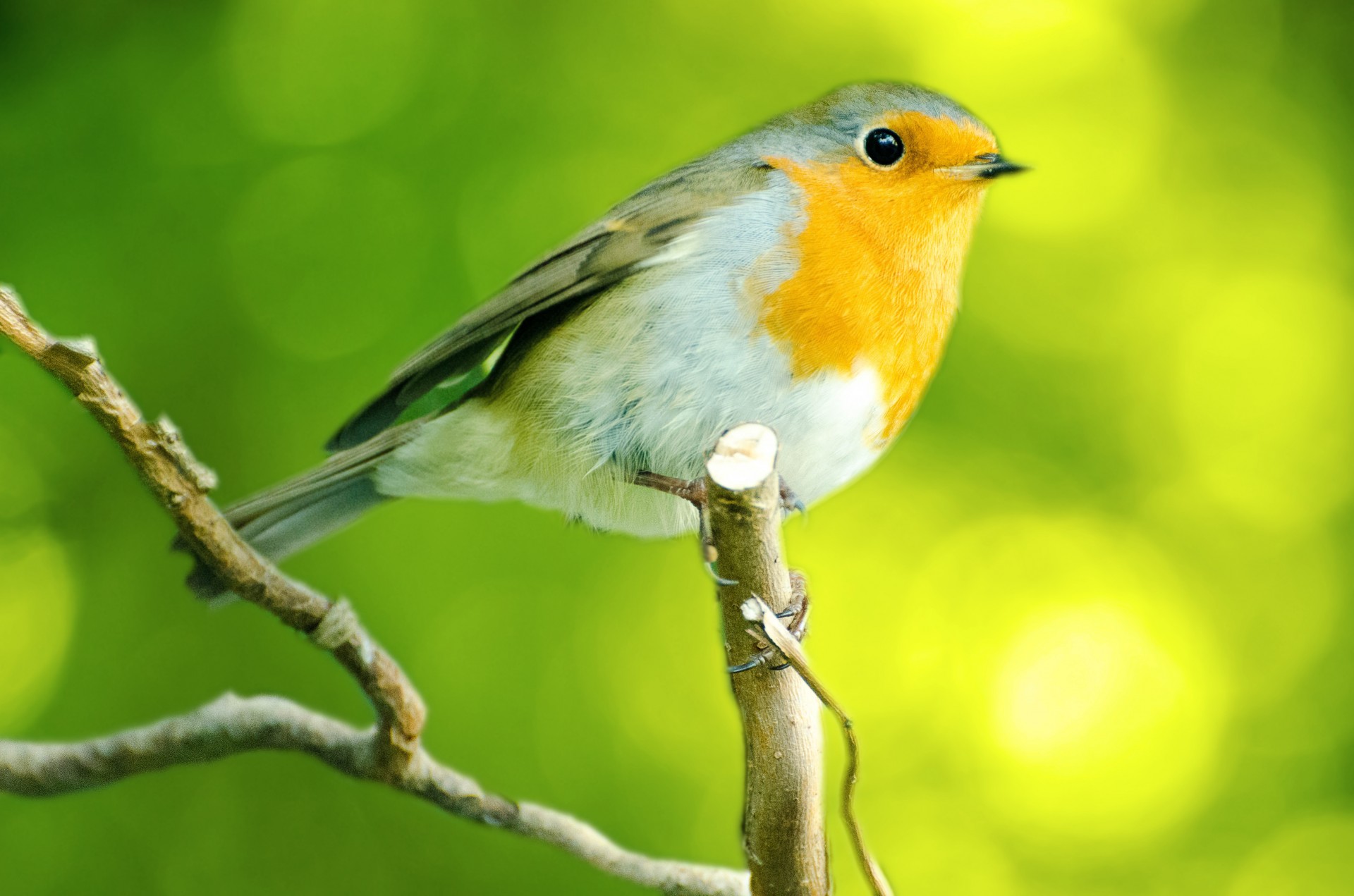
Ever been so engrossed in your phone that you felt a sharp tap, tap, tapping on your hand, only to look down and see a beady eye staring back at you? It’s not some horror movie, it’s likely a feathered friend letting you know you’re neglecting them for a glowing screen!
We all know the feeling of being glued to our phones. Whether it's endless scrolling, catching up on news, or working, those devices seem to demand our constant attention. But what about the other important things in our lives? The creatures who depend on us for companionship, food, and affection? Sometimes, our digital habits can create a disconnect.
This post is for anyone who's ever been on the receiving end of a disgruntled peck from a bird, a nudge from a dog, or a plaintive meow from a cat, all because they were too busy staring at their phone. It's for those who want to understand why our animal companions might react this way and how we can better balance our digital lives with their needs.
We'll explore the reasons behind a bird's seemingly aggressive (but often attention-seeking) behavior when you're absorbed in your phone. We'll delve into the communication needs of birds, the frustration they might experience when ignored, and ways to create a healthier balance between screen time and quality time with your avian companion. We will dive deep into the world of avian behavior, and how it intersects with our modern digital lifestyles.
Understanding Bird Behavior: Why the Peck?
My cockatiel, Pip, used to do this all the time. I'd be deep into an email, and suddenly,BAM, a sharp peck on my finger! It was annoying at first, but then I started to notice a pattern. It only happened when I was on my phone or laptop for extended periods. He wasn't being malicious; he was saying, "Hey! I'm here! Remember me?" Birds are highly social creatures, and many species thrive on interaction with their flock (that's you!). When you're staring at a screen, they perceive that you're ignoring them, leading to them feeling lonely and neglected. They associate your attention with positive reinforcement, such as scritches, talking, or playing. When that attention disappears, they resort to more direct methods to get your focus back. The peck, while seemingly aggressive, is often their way of saying, "Pay attention to me!" They're not trying to hurt you; they're trying to communicate.
Think about it from their perspective: you're their world. Your presence signifies safety, food, and affection. When you're engrossed in your phone, you're essentially withdrawing from that role, leaving them feeling insecure and anxious. The pecking is an attempt to re-establish that connection. By understanding this behavior, you can start to address the underlying issue: your bird's need for attention and interaction. Instead of simply reacting to the peck, try to anticipate it. Set aside specific times each day for dedicated playtime and interaction with your bird. This will not only reduce the unwanted pecking but also strengthen your bond and create a happier, healthier relationship.
Decoding the Peck: It's All About Communication
At its core, "Bird Pecks Phone When Ignored" highlights a breakdown in communication between pet and owner. Birds communicate through a variety of methods, including vocalizations, body language, and physical touch. When we're absorbed in our phones, we become less receptive to these cues. We miss the subtle body language signals that indicate our bird wants attention, and we fail to respond to their vocalizations. This leaves them feeling unheard and frustrated. The peck then becomes their last resort, a desperate attempt to break through our digital barrier. It’s a clear sign that your bird needs your attention and isn't getting it through other means. The "peck" is less about aggression and more about demanding interaction. They want to be part of your world and feel included in your activities.
Consider this scenario: You're watching TV and your bird is preening on their perch. All seems well. But then you pick up your phone and start scrolling through social media. Suddenly, your bird starts squawking loudly and flapping their wings. You ignore it, engrossed in a funny meme. That's when the pecking starts. Your bird has already tried to get your attention through vocalizations and body language, but you've missed the cues. The peck is their final attempt to communicate their needs. It's a signal that they're feeling ignored and want you to engage with them. By recognizing these early warning signs, you can prevent the pecking from happening in the first place. Pay attention to your bird's body language and vocalizations, and respond to their needs before they resort to more drastic measures.
Historical and Mythological Perspectives on Avian Attention-Seeking
While "Bird Pecks Phone When Ignored" is a very modern problem, the underlying concept of animals seeking attention from humans has deep historical roots. In many cultures, birds have been seen as messengers from the gods, possessing special insights and connections to the spiritual realm. Their actions were often interpreted as omens or signs, demanding careful observation and interpretation. In ancient Greece, for example, the flight patterns of birds were used to predict the future. Similarly, in many indigenous cultures, birds played a crucial role in storytelling and mythology, often representing freedom, intelligence, and the power of nature. These historical perspectives highlight the importance of observing and understanding avian behavior, even if the context is now a digital one. Although we might not interpret a peck as a divine message, we can still recognize it as a significant form of communication.
The mythologies surrounding birds often emphasize their intelligence and sensitivity. Stories of birds guiding travelers, warning of danger, or carrying messages of love and hope abound in folklore around the world. These narratives reflect a deep human understanding of birds' capacity for connection and communication. Therefore, a modern context of "Bird Pecks Phone When Ignored" is a reflection of the ancient context of how we see and treat birds. It is as if we are neglecting an ancient symbol that can bring us something more than what we are paying attention to. When a bird pecks your phone, it is trying to bring you a message from the spiritual and natural world.
Unveiling the Hidden Secrets of a Bird's Peck
The seemingly simple act of a bird pecking your phone hides a complex web of motivations and emotions. Beyond the obvious desire for attention, the peck can also be a sign of boredom, anxiety, or even possessiveness. A bored bird might peck at your phone simply because they have nothing else to do. They're seeking stimulation and entertainment, and your phone happens to be the nearest available object. An anxious bird might peck as a way to relieve stress. The repetitive action can be calming, and the physical contact provides a sense of security. A possessive bird might see your phone as a rival for your affection and peck it out of jealousy. Understanding these hidden motivations is crucial for addressing the underlying issue and finding more effective ways to meet your bird's needs.
To uncover these hidden secrets, it's important to observe your bird's behavior closely. Pay attention to the context in which the pecking occurs. Does it happen only when you're on your phone? Or does it happen at other times as well? What is your bird's body language like before the pecking? Are they displaying signs of boredom, anxiety, or possessiveness? By carefully analyzing your bird's behavior, you can gain valuable insights into their motivations and develop a more tailored approach to addressing their needs. For example, if you suspect your bird is bored, try providing them with more toys and opportunities for enrichment. If you suspect they're anxious, try creating a more calming and secure environment. If you suspect they're possessive, try reinforcing your bond with them through positive reinforcement and affection. The key is to understand the underlying cause of the pecking and address it directly.
Recommendations for a Harmonious Relationship with Your Bird
The best way to address "Bird Pecks Phone When Ignored" is to prevent it from happening in the first place. This requires a proactive approach to meeting your bird's needs and creating a healthy balance between your digital life and your avian companionship. Start by setting aside specific times each day for dedicated playtime and interaction with your bird. This could include talking to them, playing games, offering scritches, or simply allowing them to sit on your shoulder. During these times, put your phone away and give your bird your undivided attention. This will reinforce the idea that they are important to you and that their needs will be met. It's equally important to provide your bird with a stimulating and enriching environment. This includes a variety of toys, opportunities for foraging, and a spacious cage where they can move around freely. A bored bird is more likely to seek attention in negative ways, so keeping them entertained is crucial.
Another important recommendation is to be mindful of your body language and vocal cues when you're on your phone. Even if you're not directly interacting with your bird, they can still sense your mood and energy. If you're stressed or preoccupied, they might pick up on that and become anxious. Try to maintain a calm and relaxed demeanor, and speak to your bird occasionally, even if you're on a call or reading an email. This will reassure them that you're still present and aware of their needs. Finally, consider training your bird to perform tricks or behaviors that earn them your attention. This can be a fun and rewarding way to redirect their attention-seeking behavior and create a stronger bond between you. Positive reinforcement, such as treats and praise, can be highly effective in training birds. By implementing these recommendations, you can create a more harmonious relationship with your bird and minimize the chances of unwanted pecking.
Deeper Dive into Avian Communication Methods
Birds use a complex system of communication that goes far beyond simple chirps and tweets. They communicate through a combination of vocalizations, body language, and physical touch. Understanding these different methods is essential for interpreting your bird's behavior and responding to their needs effectively. Vocalizations can range from soft coos and chirps to loud squawks and screams. Each vocalization has a specific meaning, and the context in which it's used can provide valuable clues about your bird's mood and intentions. For example, a soft coo might indicate contentment, while a loud squawk might indicate fear or distress. Body language plays an equally important role in avian communication. Birds use a variety of postures and movements to express their emotions and intentions. A puffed-up chest might indicate aggression, while a preening gesture might indicate affection. By carefully observing your bird's body language, you can gain insights into their state of mind and respond accordingly.
Physical touch is also an important form of communication for birds. Many birds enjoy being petted and scratched, and these physical interactions can strengthen the bond between them and their owners. However, it's important to respect your bird's boundaries and avoid touching them in areas that they find uncomfortable. Some birds are more sensitive to touch than others, so it's important to observe their reactions and adjust your approach accordingly. In the context of "Bird Pecks Phone When Ignored," the peck itself is a form of physical communication. It's a direct and unambiguous way for your bird to get your attention and communicate their needs. However, by understanding the other communication methods that birds use, you can often prevent the pecking from happening in the first place. By paying attention to your bird's vocalizations, body language, and physical cues, you can anticipate their needs and respond to them before they resort to more drastic measures.
Tips for Balancing Screen Time and Bird Time
Finding a healthy balance between your screen time and your bird's needs is crucial for maintaining a harmonious relationship. Here are some practical tips to help you achieve this balance: First, schedule dedicated bird time each day. Just like you schedule meetings or appointments, block out specific times for interacting with your bird. This could be 15 minutes in the morning, 30 minutes in the evening, or a combination of shorter periods throughout the day. During these times, put your phone away and give your bird your undivided attention. Second, create a bird-friendly workspace. If you work from home, try to set up your workspace in a way that allows your bird to be near you. This could involve placing their cage in your office or setting up a perch near your desk. Having your bird nearby will allow you to interact with them more frequently and reduce their feelings of isolation. Third, use your phone as a tool for bird enrichment. There are many apps and websites that offer bird-related games, videos, and sounds. You can use these resources to provide your bird with mental stimulation and entertainment.
Fourth, be mindful of your body language when you're on your phone. Even if you're not directly interacting with your bird, they can still sense your mood and energy. Try to maintain a relaxed and positive demeanor, and speak to your bird occasionally, even if you're on a call or reading an email. Fifth, teach your bird to entertain themselves. Provide them with a variety of toys and activities that they can enjoy independently. This will help them stay occupied when you're busy and reduce their reliance on your attention. Sixth, don't feel guilty about setting boundaries. It's important to prioritize your own needs and responsibilities, even if it means spending less time with your bird. Just be sure to compensate for this by providing them with extra attention and enrichment when you are available. By following these tips, you can create a balanced and fulfilling life for both yourself and your bird.
Understanding Bird Body Language: A Detailed Guide
Decoding bird body language is like learning a new language – it takes time, patience, and careful observation. Each posture, movement, and feather position can reveal a wealth of information about a bird's emotional state and intentions. For instance, a bird that's relaxed and comfortable will often have smooth, sleek feathers and a relaxed posture. They might be preening their feathers or gently chirping. On the other hand, a bird that's feeling threatened or anxious will often puff up their feathers to make themselves look larger and more intimidating. They might also exhibit defensive behaviors like hissing or biting. A bird that's feeling playful and energetic might engage in acrobatic displays, such as swinging from their perch or flapping their wings vigorously. They might also vocalize loudly and enthusiastically.
Specific body language cues can be particularly helpful in understanding your bird's needs. For example, a bird that's bobbing their head might be asking for attention or food. A bird that's regurgitating food might be showing affection or attempting to feed you. A bird that's fanning their tail feathers might be trying to attract a mate or displaying dominance. By paying attention to these specific cues, you can gain a deeper understanding of your bird's motivations and respond to their needs more effectively. Resources like books, websites, and avian behaviorists can offer further insights into bird body language and help you interpret your bird's behavior with greater accuracy. The key is to be observant, patient, and willing to learn.
Fun Facts About Bird Behavior and Communication
Did you know that some birds can mimic human speech with incredible accuracy? Parrots, mynah birds, and even some crows have been known to imitate human words and phrases, sometimes even using them in context. This remarkable ability highlights the intelligence and cognitive abilities of birds. Another fascinating fact is that birds can see colors that humans can't. They have four types of color-sensitive cone cells in their eyes, while humans only have three. This allows them to perceive a wider range of colors, including ultraviolet light. This enhanced color vision likely plays a crucial role in their ability to find food, attract mates, and navigate their environment. Birds also have an incredible sense of hearing. They can detect subtle variations in sound that humans can't, allowing them to locate prey, communicate with each other over long distances, and avoid predators.
The social lives of birds are just as complex and fascinating as their physical abilities. Many birds live in flocks or colonies, where they cooperate to find food, raise young, and defend themselves against predators. These social structures can be highly intricate, with clear hierarchies and communication systems. Some birds even engage in cooperative breeding, where multiple adults help to raise a single brood of chicks. These fun facts demonstrate the remarkable diversity and complexity of avian behavior and communication. By learning more about these fascinating creatures, we can gain a deeper appreciation for their intelligence, sensitivity, and unique place in the natural world.
How to Train Your Bird for Positive Attention
Training your bird to perform tricks or behaviors that earn them positive attention is a fantastic way to redirect their attention-seeking behavior and strengthen your bond. The key to successful training is positive reinforcement. This involves rewarding your bird with treats, praise, or other positive stimuli when they perform the desired behavior. Start with simple behaviors, such as stepping up onto your finger or waving their foot. Use a clicker to mark the exact moment your bird performs the desired behavior, followed immediately by a reward. The clicker acts as a bridge between the behavior and the reward, helping your bird understand what they did correctly. Be patient and consistent with your training. It may take several repetitions for your bird to learn a new behavior. Don't get discouraged if they don't get it right away. Keep practicing, and eventually they'll master the skill.
As your bird progresses, you can gradually increase the difficulty of the behaviors you're teaching. You can also chain together multiple behaviors to create more complex tricks. For example, you could teach your bird to step up onto your finger, then wave their foot, then fly to a perch. Make sure to keep the training sessions fun and engaging for your bird. If they start to lose interest, take a break and try again later. The goal is to create a positive association with training, so that your bird enjoys learning new things. In the context of "Bird Pecks Phone When Ignored," you can train your bird to perform a specific behavior, such as ringing a bell or saying a word, when they want your attention. When they perform this behavior, immediately put down your phone and give them your undivided attention. This will teach them that they can get your attention in a positive and constructive way, rather than resorting to pecking. It's as simple as the bird ringing the bell, and then you put the phone down to interact with it. If you don't, the bird will be less likely to ring the bell again.
What If the Pecking Continues Despite My Best Efforts?
Sometimes, despite your best efforts to provide your bird with attention, enrichment, and training, the pecking behavior may persist. In these cases, it's important to consider other potential causes. Medical issues can sometimes manifest as behavioral changes, so it's a good idea to consult with an avian veterinarian to rule out any underlying health problems. Stress or anxiety can also contribute to pecking behavior. If your bird is experiencing stress, try to identify the source and eliminate it. This could involve reducing loud noises, providing a more secure environment, or addressing any social conflicts with other birds in the household. If the pecking is related to territoriality or aggression, you may need to consult with an avian behaviorist to develop a specific behavior modification plan. This could involve techniques like desensitization and counterconditioning to help your bird learn to interact more peacefully with you and other members of your household.
Remember that every bird is an individual, and what works for one bird may not work for another. It may take some trial and error to find the right approach for your bird. Be patient, persistent, and willing to seek professional help if needed. The most important thing is to maintain a loving and supportive relationship with your bird, even when they're exhibiting challenging behaviors. By working together, you can overcome these challenges and create a harmonious and fulfilling life for both of you. And it is important to note that some birds are just jerks, and maybe you should try giving it away to someone who knows how to handle it. There may be something inherently wrong with it, but there is no shame in admitting that the bird is not right for you.
A Listicle of Ways to Stop Your Bird From Pecking Your Phone
Here's a quick list of things you can do to curb that pecking habit when you're on your phone:
1.Scheduled Bird Time: Set aside specific times for quality interaction, phone-free.
2.Enrichment is Key: Toys, foraging opportunities, and a spacious cage prevent boredom.
3.Bird-Friendly Workspace: Keep your bird nearby so they feel included.
4.Positive Reinforcement: Reward good behavior with treats and praise.
5.Ignore the Peck (Initially): Avoid giving attention to the pecking itself, as this can reinforce the behavior.
6.Distraction Techniques: Offer a toy or treat when you pick up your phone.
7.Training Sessions: Teach alternative behaviors that earn attention.
8.Rule Out Medical Issues: Consult an avian vet to ensure there are no underlying health problems.
9.Consult a Behaviorist: Seek professional help if the pecking persists.
10.Be Patient and Consistent: It takes time and effort to change a bird's behavior.
Remember, understanding your bird's needs and creating a positive and stimulating environment are the keys to success. If you incorporate the tips in the list, there is a greater chance that the bird will stop the habit of pecking at the phone and that the owner will be able to have some time alone.
Question and Answer: Bird Pecks Phone When Ignored
Q: Why does my bird only peck my phone and not other objects?
A: Your bird likely associates your phone with a period of inattention towards them. They've learned that when you're on your phone, you're less likely to interact with them. Therefore, they target the phone as the source of their frustration.
Q: What if I can't give my bird constant attention due to work or other commitments?
A: It's understandable that you can't always be available. The key is to provide structured interaction times, environmental enrichment (toys, foraging opportunities), and a bird-safe and stimulating environment that encourages independent play when you're busy.
Q: Is my bird being aggressive when it pecks my phone?
A: While it might seem aggressive, it's usually not the primary intention. Most often, it's a communication attempt, a way to say, "Hey, I'm here! Pay attention to me!" However, if the pecking is accompanied by other aggressive behaviors, it's best to consult with an avian behaviorist.
Q: How long will it take to stop my bird from pecking my phone?
A: It varies depending on the bird's personality, the consistency of your training, and the underlying cause of the behavior. With consistent positive reinforcement, environmental enrichment, and dedicated interaction time, you should start to see improvements within a few weeks. However, it may take several months to completely eliminate the behavior.
Conclusion of Bird Pecks Phone When Ignored
In conclusion, a bird pecking your phone when ignored isn't just a quirky anecdote; it's a window into the complex world of avian communication and the importance of meeting your feathered friend's needs. By understanding the motivations behind the pecking, providing ample attention and enrichment, and establishing clear communication patterns, you can create a harmonious relationship with your bird and break the cycle of digital neglect. Remember that a happy, engaged bird is far less likely to resort to pecking as a means of getting your attention. So, put down your phone, pick up a toy, and reconnect with your avian companion – you'll both be better for it.
0 Response to "Bird Pecks Phone When Ignored"
Post a Comment