Dog Smiles for Photos – Always on Cue
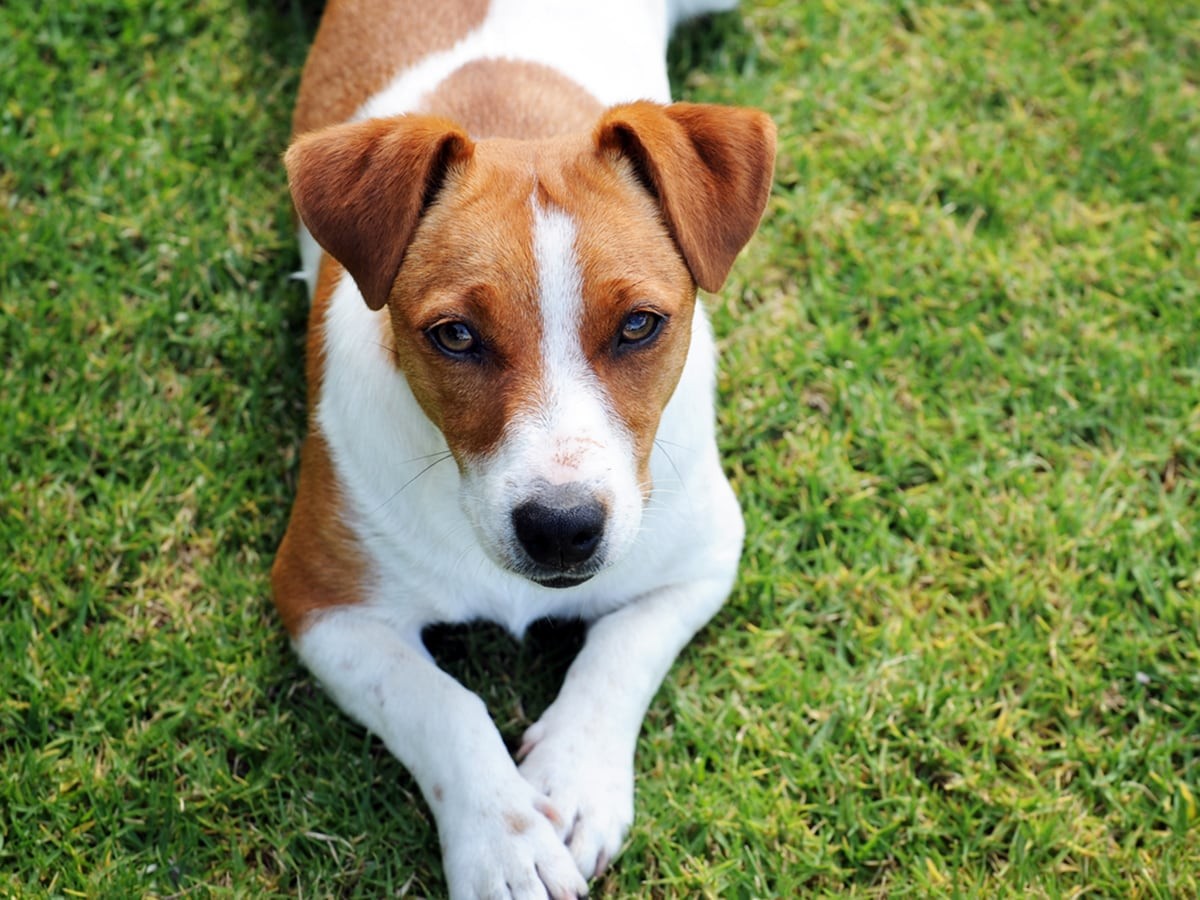
Ever scroll through Instagram and see those impossibly perfect dog photos? The ones where the pup is beaming, looking directly at the camera, as if they just told the world's best joke? You wonder, how do they DO that? Is it some kind of dog-whispering magic? Or is it just pure, dumb luck?
Let's face it, getting a decent photo of your dog can feel like an Olympic sport. They're either blurry streaks of fur, have their eyes closed, are actively trying to eat the camera, or, worst of all, are giving you that "why are you doing this to me?" side-eye. And forget about a smile – that's like asking them to solve a complex equation. It feels impossible to capture that happy, goofy spirit we know they have inside.
This article is your guide to unlocking your dog's inner supermodel. We're diving deep into the secrets of capturing genuine dog smiles on camera, turning those frustrating photo sessions into moments of joy (and adorable pictures!). Get ready to learn the tricks, the tips, and the techniques that will have your dog grinning on cue, ready for their close-up!
In this article, we'll explore the various methods to encourage "dog smiles" for photos, understanding that it's not necessarily a human-like smile, but rather a relaxed and happy expression. We'll delve into training techniques, positive reinforcement, understanding dog body language, and using props or sounds to elicit the desired response. We'll also touch on the importance of patience and creating a positive association with the camera. Ultimately, we'll provide a comprehensive guide to capturing those precious, smiley moments with your furry friend, helping you create lasting memories through beautiful photographs.
My Personal Journey to Doggy Grins
It all started with Bella, my goofy golden retriever. I dreamt of capturing her radiant joy in photos, but every attempt resulted in a blurry nose or a yawn that looked more like a grimace. I felt defeated, like I was failing at capturing her true essence. One afternoon, while playing fetch in the park, I noticed that Bella always "smiled" – a relaxed pant with upturned corners of her mouth – when I held up her favorite tennis ball. A light bulb went off! Maybe the key wasn't forcing a smile, but creating the right environment, associating the camera with something she loved.
So, I started slowly. I'd bring out the camera during playtime, rewarding her with praise and the ball whenever she looked in my direction. I'd make silly noises and act excited to get her attention, and when I saw that telltale "smile," I'd quickly snap the picture. It took time, but gradually, Bella began to associate the camera with fun and excitement. Now, when she sees me pick up my phone, she wags her tail and gives me her best goofy grin, knowing that good things are about to happen. It's not just about the photos anymore; it's about the connection we've built, and the joy we share in those moments. I began using high value treats to ensure success, and now I can almost always get a great shot. Sometimes I even use peanut butter.
What Even IS a "Dog Smile," Anyway?
Let's be clear: dogs don't "smile" in the same way humans do. They don't consciously decide to turn up the corners of their mouths to express happiness. A "dog smile" is typically a combination of relaxed facial muscles, a slightly open mouth (often panting), and relaxed eyes. The corners of the mouth might appear upturned, creating the illusion of a smile. It's usually accompanied by other positive body language cues like a wagging tail, relaxed posture, and playful energy.
Often, what we interpret as a smile is actually a submissive grin. This is when a dog pulls back their lips to show their teeth, but it's not a sign of aggression. It's an appeasement gesture, showing that they're not a threat. It's crucial to differentiate between a submissive grin and a genuine happy "smile," as the context and overall body language will differ. A truly happy dog will have relaxed eyes and a wagging tail, while a submissive grin might be accompanied by a lowered head and averted gaze.
The key is to observe your dog and learn their individual cues. Some dogs are naturally more expressive than others, and some breeds are known for their "smiley" faces. Paying attention to your dog's body language and understanding what makes them happy is the first step to capturing those precious "smiles" on camera.
The History and Mythology of the Dog Smile
The concept of dogs "smiling" has been around for centuries, often romanticized and anthropomorphized in art and literature. Ancient cultures often depicted dogs with human-like qualities, including the ability to express emotions like happiness and joy through facial expressions. The idea of a dog smile is often found in folklore, with tales of loyal companions who greet their owners with happy grins.
However, it's important to separate the mythology from the scientific understanding of dog behavior. While we might project our own emotions onto our dogs, their facial expressions have evolved for different reasons. Canine communication relies heavily on body language, vocalizations, and scent. The "smile" we perceive is likely a result of natural facial muscle movements associated with relaxation and happiness, rather than a conscious effort to express joy.
Nevertheless, the enduring image of the smiling dog reflects our deep bond with these animals. It represents the unconditional love, loyalty, and companionship they offer us. While the scientific explanation might differ from the romanticized version, the feeling of warmth and joy that a dog's "smile" evokes is undeniable.
Unlocking the Secret to the Perfect Dog Photo
The real secret to capturing a dog's smile on camera isn't about forcing it, but about creating an environment where the dog feels comfortable, relaxed, and happy. It's about understanding their individual personality and preferences, and tailoring your approach accordingly. Some dogs might respond to treats, while others might prefer praise or a favorite toy.
Timing is also crucial. Trying to photograph a tired or anxious dog is unlikely to result in a happy expression. Choose a time when your dog is well-rested, has had some exercise, and is in a playful mood. Avoid stressful situations or environments that might make them feel uncomfortable.
Most importantly, be patient. Don't get discouraged if your first few attempts don't yield the desired results. Keep practicing, experimenting with different techniques, and learning what works best for your dog. Remember, the goal is to create a positive experience for both of you, not just to get a perfect picture. The more fun you have, the more likely your dog is to relax and show off that adorable smile.
Recommendations for Getting Great Photos
My biggest recommendation for consistently capturing great photos of your dog, especially those elusive "smiles," is to practice and build a positive association with the camera. Don't just pull out the camera when you want to take a picture; instead, incorporate it into your daily routine. Let your dog see you using the camera, and reward them with treats or praise when they remain calm and relaxed around it.
Consider using a clicker training technique. Associate the sound of the clicker with a reward, and then use it to mark the exact moment your dog displays the desired expression. This helps them understand what you're looking for and encourages them to repeat the behavior.
Another recommendation is to enlist the help of a friend or family member. One person can focus on getting the dog's attention and eliciting the desired expression, while the other can focus on taking the picture. This can be especially helpful if your dog is easily distracted or has a short attention span. Finally, don't be afraid to experiment with different angles and lighting. Sometimes a simple change in perspective can make all the difference in capturing a truly stunning photo. Using natural light is almost always best, so try photographing your dog outdoors or near a window. Avoid using flash, as it can startle your dog and ruin the shot.
Understanding Dog Body Language
To truly capture a genuine "smile," you need to become fluent in dog body language. A relaxed and happy dog will typically display soft eyes, a loose tail wag, relaxed ears, and a slightly open mouth. Watch out for signs of stress or anxiety, such as whale eye (when you can see the whites of their eyes), tucked tail, flattened ears, or excessive panting. If your dog is displaying any of these signs, it's best to stop the photo session and try again later. Remember, the goal is to create a positive and enjoyable experience for your dog, not to force them into uncomfortable situations.
It's also important to recognize breed-specific body language. For example, some breeds naturally have more expressive faces than others. Some breeds also have docked tails, making it more difficult to read their emotions through their tail wags. Pay attention to your dog's individual personality and learn to recognize their unique cues. The more you understand your dog's body language, the better you'll be able to capture those authentic "smiles" on camera.
Tips and Tricks for the Perfect Shot
Here are some practical tips and tricks to help you capture those elusive dog smiles: Use high-value treats:Find a treat that your dog absolutely loves and only use it during photo sessions. This will make the experience more rewarding and motivating for them.
Make silly noises: Experiment with different sounds to get your dog's attention and elicit a playful expression. Squeaky toys, whistles, or even just making funny faces can work wonders.
Use a familiar background: Photographing your dog in a familiar environment will help them feel more comfortable and relaxed.
Keep it short and sweet: Dogs have short attention spans, so keep your photo sessions brief. Aim for just a few minutes at a time to avoid overwhelming them.
Be patient: It takes time and practice to capture the perfect shot. Don't get discouraged if you don't see results immediately. Keep experimenting and have fun!
The Importance of Positive Reinforcement
Positive reinforcement is key to creating a positive association with the camera and encouraging your dog to "smile" on cue. Instead of scolding or punishing them for not cooperating, focus on rewarding them for good behavior. This can include treats, praise, petting, or even a favorite toy. The goal is to make the photo session a fun and enjoyable experience for your dog, so they're more likely to cooperate in the future.
Avoid using negative reinforcement or punishment, as this can create fear and anxiety, making it even more difficult to capture a happy expression. Instead, focus on building a positive relationship with your dog and creating a trusting environment. The more comfortable and relaxed they feel, the more likely they are to show off their adorable smile.
Fun Facts About Dog Smiles
Did you know that some breeds are more prone to "smiling" than others? Breeds like Golden Retrievers, Labrador Retrievers, and Siberian Huskies are known for their expressive faces and tendency to show off their teeth in a playful grin. This is likely due to a combination of genetics and temperament. These breeds are typically outgoing, friendly, and eager to please, which makes them more likely to display happy expressions.
Another fun fact is that dogs can actually mirror human emotions. Studies have shown that dogs can recognize and respond to human facial expressions, including smiles. This suggests that they might be able to understand and empathize with our emotions, which could explain why they often "smile" back at us when we're happy.
However, it's important to remember that not all dogs are created equal. Some dogs might never "smile" in the traditional sense, and that's perfectly okay. Every dog is unique, and their individual personality should be celebrated, regardless of their facial expressions.
How to Train Your Dog to "Smile" on Cue
While you can't force a dog to smile, you can train them to associate a specific cue with a happy expression. Here's a step-by-step guide:
1.Choose a cue: Select a word or phrase that you'll use to signal your dog to smile.This could be something like "Say cheese!" or "Show me your teeth!"
2.Capture the behavior: Wait for your dog to naturally display a happy expression, and then immediately say your cue word and reward them with a treat.
3.Repeat: Repeat this process several times a day, until your dog starts to associate the cue word with the reward.
4.Gradually increase the difficulty: Once your dog understands the cue, start to delay the reward slightly. This will encourage them to hold the "smile" for a longer period of time.
5.Practice in different environments: Once your dog has mastered the trick in a quiet setting, start practicing in more distracting environments, like the park or the pet store.
Remember to be patient and consistent, and always use positive reinforcement. With enough practice, you can train your dog to "smile" on cue, creating adorable photo opportunities for years to come.
What If Your Dog Just Doesn't "Smile?"
It's important to acknowledge that not all dogs are naturally expressive, and some may never display what we perceive as a smile.That's perfectly fine! Every dog is unique, and their personality shines through in different ways. Don't force your dog to do something that makes them uncomfortable, and focus on capturing their natural beauty and charm.
If your dog isn't a "smiler," there are still plenty of ways to take amazing photos of them. Focus on capturing their playful energy, their loving gaze, or their goofy personality. Experiment with different angles and lighting to find what works best for your dog's features.
Ultimately, the goal is to capture the essence of your dog's unique spirit. Whether they're smiling, sleeping, or chasing a ball, every photo is a precious memory of your beloved companion.
Top 5 Ways to Get Your Dog to "Smile" for Photos
Here’s a quick listicle of the best ways to encourage a happy expression for your dog photos:
1.The Treat Tease: Hold a high-value treat just out of reach, encouraging focus and a slightly open mouth.
2.The Squeaky Toy Surprise: A quick squeak of a favorite toy can elicit a curious and playful expression.
3.The Happy Talk: Use an excited, upbeat tone of voice to get your dog's tail wagging and their face relaxed.
4.The Playful Pose: Engage in a quick game of fetch or tug-of-war to loosen them up and capture a genuine smile.
5.The Comfortable Calm: Create a relaxed environment and let your dog be themselves. Sometimes the best smiles happen naturally when they're feeling comfortable and loved.
These tips are just starting points. It is very important to test out different strategies, to observe their reactions, and find what works best for your individual dog's personality. The key is to create positive associations with the photo-taking process so that your dog is more relaxed and likely to show those adorable, happy expressions.
Question and Answer
Here are some common questions about getting your dog to smile for photos:Q: My dog gets stressed when I bring out the camera. What should I do?
A: Start by desensitizing your dog to the camera. Leave it out in a common area where they can get used to seeing it. Gradually introduce the camera during playtime, rewarding them with treats for staying calm.
Q: What if my dog only focuses on the treat and doesn't look at the camera?
A: Try holding the treat near the camera lens to encourage them to look in that direction. You can also use a helper to hold the treat while you focus on taking the photo.
Q: Are there certain breeds that are easier to photograph than others?
A: Some breeds are naturally more expressive than others, but every dog is unique. Focus on understanding your dog's individual personality and finding what motivates them.
Q: How often should I practice taking photos of my dog?
A: Short, frequent sessions are better than long, infrequent ones. Aim for a few minutes each day, focusing on creating a positive experience for your dog.
Conclusion of Dog Smiles for Photos
Capturing that perfect "dog smile" might seem like a daunting task, but with patience, understanding, and a few helpful tricks, you can unlock your furry friend's inner supermodel. Remember, it's not just about getting a picture; it's about building a stronger bond with your dog and creating lasting memories. So grab your camera, gather your treats, and get ready to capture those adorable, smiley moments that make your dog so special. And remember, even if you don't get a perfect "smile," every photo is a celebration of your unique and loving relationship.
0 Response to "Dog Smiles for Photos – Always on Cue"
Post a Comment