Dog Sings Along to Piano Tunes
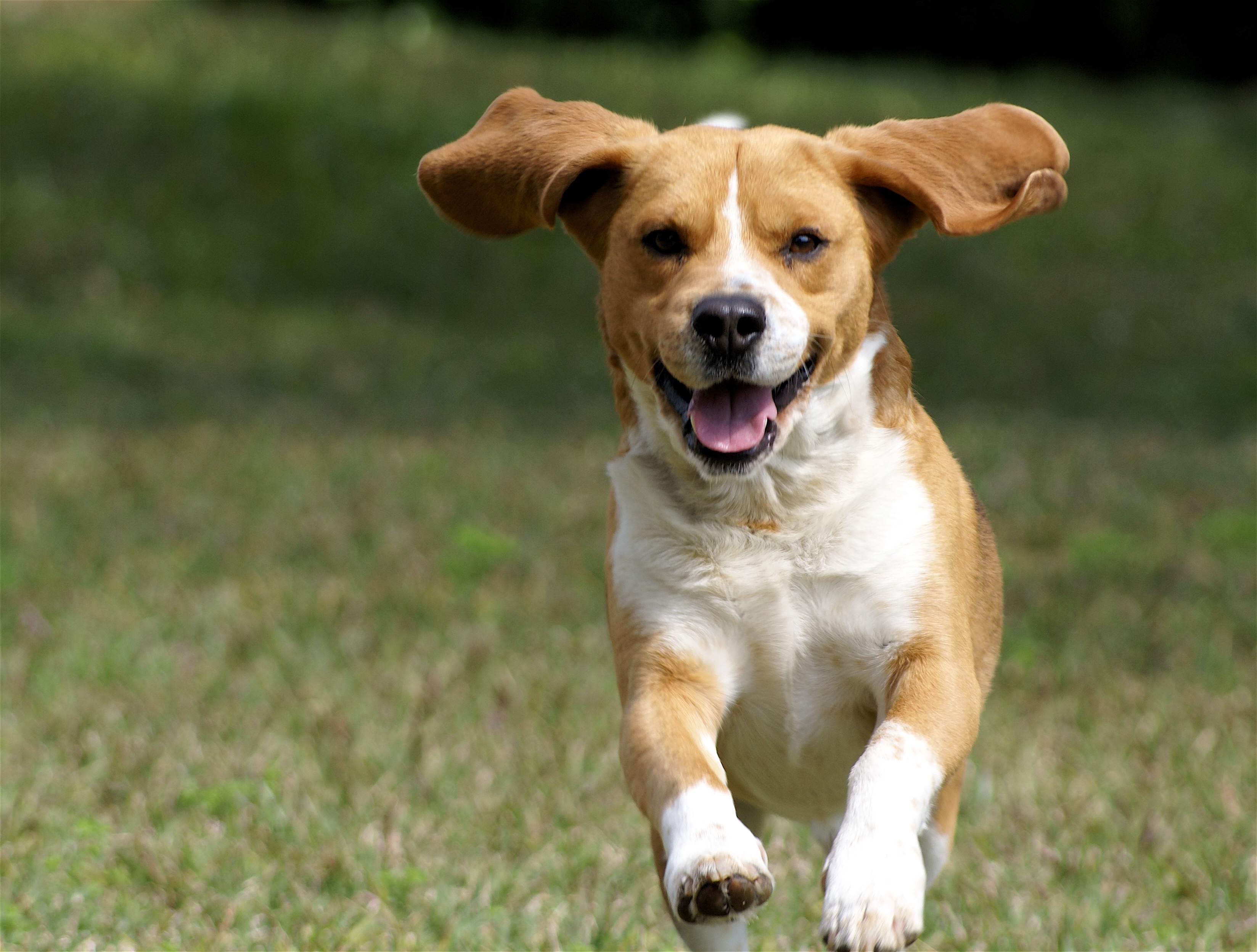
Ever wonder if your furry friend has a hidden talent? Forget fetching and rolling over – imagine your dog belting out tunes alongside a piano! It sounds like something out of a Disney movie, but the reality might be closer than you think. Prepare to be amazed by the fascinating world of dogs and their surprising musical abilities.
For many dog owners, understanding their pet's behavior can be a constant puzzle. We try to interpret their barks, whines, and howls, but sometimes it feels like we're missing a crucial piece of the communication puzzle. Is that howling just random noise, or is there something more melodic happening? Are we just projecting our own musical desires onto our canine companions?
This article aims to explore the phenomenon of dogs seemingly "singing" along to piano music. We'll delve into the reasons behind this behavior, explore the science (and maybe a little bit of myth) surrounding it, and offer some insights into how you can potentially encourage (or at least understand) your dog's musical inclinations.
We'll explore the various reasons why a dog might howl or vocalize when hearing piano music, from mimicking sounds to expressing anxiety or excitement. We'll also touch on the idea of musical sensitivity in dogs and whether certain breeds are more prone to "singing" than others. Ultimately, this is about understanding your dog better and appreciating their unique way of interacting with the world around them, especially when that world involves the enchanting melodies of a piano.
Decoding the Howl: Is it Really Singing?
My childhood dog, a scruffy terrier mix named Sparky, had a peculiar habit. Whenever my mom played the piano – usually classical pieces like Beethoven or Chopin – Sparky would let out this long, mournful howl. At first, we thought he hated the music! We'd stop playing, feeling guilty, but he'd just look at us with these big, sad eyes, as if to say, "Keep going!" It was confusing, and honestly, a little hilarious. Was he truly trying to sing along, or was he just expressing discomfort in a very dramatic way?
The reality is likely a combination of factors. Dogs have an incredible sense of hearing, far more sensitive than our own. The piano's high-pitched notes and sustained tones can be particularly stimulating to them. Sometimes, the howling is simply a form of mimicking. Dogs are pack animals, and howling is a way to communicate with their pack. They might be trying to match the pitch of the piano, essentially "joining" the musical performance. Other times, the howling could be an expression of anxiety or excitement. High-frequency sounds can be startling, and a dog might howl as a way to release pent-up energy. Understanding the context of the howling is key. Is the dog relaxed or agitated? Are they wagging their tail or pacing nervously? These clues can help you determine the true meaning behind their musical outburst. Think of it as a doggy duet – sometimes beautiful, sometimes a little off-key, but always an interesting expression of their inner world.
What Does "Dog Sings Along" Really Mean?
"Dog sings along" is a bit of a whimsical phrase, isn't it? It conjures up images of a perfectly harmonized canine vocalist, hitting all the right notes with professional precision. While the reality might be a little less polished, the core concept is still intriguing: a dog vocalizing in response to music, particularly the sound of a piano. It's important to understand that dogs aren't singing in the same way that humans do. They aren't consciously creating melodies or interpreting lyrics. Instead, they're responding to the sounds in a way that mimics singing, often through howls, whines, or barks that are close in pitch to the music.
The term "dog sings along" is more of an anthropomorphic interpretation of their behavior, meaning we're attributing human-like qualities to their actions. However, this doesn't diminish the fascinating nature of the phenomenon. The fact that dogs are drawn to music, and that they choose to express themselves vocally in response to it, speaks volumes about their emotional and sensory connection to the world. It's a reminder that our canine companions are complex creatures with a wide range of behaviors, and that even something as seemingly simple as a howl can have multiple layers of meaning. So, while your dog might not be winning any singing competitions anytime soon, their musical responses are still a testament to their intelligence and their ability to connect with us on a deeper level.
A History of Musical Hounds: Myth and Reality
The idea of animals responding to music has been around for centuries, often intertwined with folklore and mythology. In ancient Greece, stories were told of Orpheus, a legendary musician whose lyre playing could charm animals and even move inanimate objects. While these tales are obviously embellished, they reflect a long-held belief in the power of music to influence the animal kingdom. The specific concept of "dog sings along" is less documented in historical records, likely because it's a relatively recent observation aided by the prevalence of pianos in homes and the rise of viral videos.
However, anecdotal evidence of dogs responding to music has existed for generations. Farmers might have noticed their dogs howling along to church bells, or families might have observed their pets becoming more relaxed during live musical performances. With the advent of the internet and social media, these individual observations have become amplified, leading to a greater awareness of the phenomenon. While there's no ancient "Dog Sings Along" myth, the idea fits into a broader narrative of animals being receptive to sound and vibration. Science is slowly catching up to the folklore, with studies exploring the impact of music on animal behavior, stress levels, and even cognitive function. So, while the image of a dog belting out opera might remain firmly in the realm of humor, the underlying connection between dogs and music is a subject worthy of serious investigation.
Unveiling the Secrets: Why Do Dogs "Sing" to Pianos?
What's the secret ingredient that makes piano music so irresistible to some dogs? It's not as simple as them having a favorite genre or a keen appreciation for classical compositions. The reasons behind this behavior are multifaceted and often depend on the individual dog. One key factor is the frequency range of piano music. Pianos produce a wide spectrum of sounds, including high-pitched notes that are particularly audible to dogs. These frequencies can trigger a response, either positive or negative, depending on the dog's sensitivity and temperament.
Another potential explanation lies in the social nature of dogs. Howling is a form of communication within a pack, and when a dog hears a piano, they might interpret it as a call to join in. They're essentially trying to participate in the "pack activity" by adding their own vocalization to the mix. The rhythm and melody of the music could also be influencing their behavior. Dogs are highly attuned to patterns and routines, and the structured nature of music might be appealing to them on a subconscious level. It's also possible that some dogs simply enjoy the vibration of the piano. The sound waves can create a physical sensation that they find soothing or stimulating. Ultimately, there's no single definitive answer to why dogs "sing" to pianos. It's a complex interaction of auditory sensitivity, social instincts, and individual preferences, making it a fascinating area of ongoing research.
Recommended Tunes: What Kind of Music Do Dogs Prefer?
While we can't ask our dogs directly about their musical preferences, we can observe their reactions to different types of music and try to draw some conclusions. Generally speaking, dogs tend to prefer music that is calming and predictable. Studies have shown that classical music, particularly slow-tempo pieces, can have a soothing effect on dogs, reducing their heart rate and anxiety levels. On the other hand, heavy metal or hard rock music, with its aggressive rhythms and dissonant sounds, can often have the opposite effect, leading to increased agitation and stress.
However, it's important to remember that every dog is an individual, and their musical tastes can vary widely. Some dogs might enjoy upbeat pop music, while others might prefer the gentle sounds of nature. The key is to experiment with different genres and observe your dog's response. Pay attention to their body language. Are they relaxed and attentive, or are they restless and anxious? Do they approach the sound source or try to move away? By carefully observing your dog's behavior, you can start to get a sense of their musical preferences and create a playlist that they genuinely enjoy. And who knows, maybe you'll even discover a hidden musical talent along the way!
The Science Behind the Serenade
The scientific community is increasingly interested in understanding the effects of music on animals, including dogs. Studies have explored the physiological and behavioral responses of dogs to different types of music, measuring factors such as heart rate, cortisol levels (a stress hormone), and activity levels. These studies have provided valuable insights into the potential therapeutic benefits of music for dogs. For example, music therapy is sometimes used to help calm anxious dogs in shelters or during veterinary procedures. Specific genres, like classical music, have been shown to reduce stress and promote relaxation in dogs. This is likely due to the slow tempos, predictable melodies, and lack of sudden changes in dynamics that characterize classical compositions. However, it's important to note that not all dogs respond to music in the same way. Some dogs might be completely indifferent, while others might show a strong positive or negative reaction.
Furthermore, the specific types of music that are most effective can vary depending on the individual dog and their background. Factors such as breed, age, and previous experiences can all influence a dog's musical preferences. While research in this area is still ongoing, the evidence suggests that music can indeed have a profound impact on the well-being of dogs. By understanding the science behind the serenade, we can use music to create a more enriching and harmonious environment for our canine companions.
Tips for Encouraging (or Discouraging) Musical Expression
So, you're curious about your dog's potential musical abilities? Whether you want to encourage them to "sing" along to the piano or discourage the behavior if it's disruptive, there are a few tips you can try. If you want to encourage their musical expression, start by playing different types of music and observing their reaction. Choose genres that are known to be calming, such as classical or reggae, and see if your dog shows any signs of interest or enjoyment. If they seem receptive, try playing the music at a lower volume and gradually increasing it to see how they respond. You can also try playing the piano yourself and see if your dog joins in with their own vocalizations.
On the other hand, if you want to discourage the behavior, the key is to identify the triggers that cause your dog to "sing" and avoid them. If certain frequencies or types of music seem to be the culprit, try playing different music or using soundproofing measures to reduce the noise level. You can also try redirecting your dog's attention to a different activity when they start to sing.Offer them a chew toy, take them for a walk, or engage them in a game of fetch. With patience and consistency, you can help your dog develop a more balanced relationship with music and create a more harmonious environment for everyone.
The Breed Factor: Are Some Dogs More Musical Than Others?
Is there a specific breed that's more likely to become a canine crooner? While there's no definitive evidence to suggest that certain breeds are inherently more musical than others, some breeds do have a reputation for being more vocal. For example, Siberian Huskies are known for their distinctive howls, which they often use to communicate with their pack or express their emotions. Other breeds, such as Beagles and Coonhounds, are bred for hunting and have a loud, baying bark that can sometimes resemble singing. However, it's important to remember that individual dogs within a breed can vary widely in their vocal tendencies. Just because a dog belongs to a vocal breed doesn't necessarily mean that they'll be inclined to "sing" along to piano music.
Furthermore, a dog's environment and upbringing can also play a significant role in their vocal behavior. Dogs who are raised in stimulating environments and receive plenty of socialization are more likely to be confident and expressive, which can translate into a greater willingness to vocalize. On the other hand, dogs who are neglected or abused may be more withdrawn and less likely to express themselves vocally. Ultimately, the "breed factor" is just one piece of the puzzle when it comes to understanding a dog's musical abilities. It's important to consider a variety of factors, including genetics, environment, and individual personality, to get a complete picture of their vocal behavior.
Fun Facts About Dogs and Music
Did you know that dogs can distinguish between different musical styles? Studies have shown that dogs can differentiate between classical music, pop music, and even heavy metal. They also seem to have preferences for certain tempos and rhythms. Another fun fact is that dogs have a more sensitive range of hearing than humans. They can hear higher frequencies than we can, which may explain why they're more sensitive to certain types of music, such as high-pitched piano notes.
It's also interesting to note that dogs' brains process music differently than humans' brains. While humans tend to process music in the left hemisphere of the brain, dogs seem to use both hemispheres. This suggests that they may be experiencing music in a more holistic way than we do. And finally, it's worth mentioning that some shelters and rescue organizations use music therapy to help calm anxious dogs. Playing soothing music can help reduce stress and anxiety, making it easier for dogs to adjust to their new surroundings. So, the next time you see a dog "singing" along to the piano, remember that there's more to it than meets the eye. It's a complex interaction of auditory sensitivity, social instincts, and individual preferences, all wrapped up in a furry package of musical delight.
How to "Teach" Your Dog to Sing (or at Least Howl)
While you can't exactly teach your dog to sing in perfect harmony, you can encourage them to vocalize along with music, turning them into your own personal canine chorus. The key is positive reinforcement and creating a fun, engaging environment. Start by playing some piano music that your dog seems to enjoy. When they start to howl or vocalize, reward them with praise, treats, or a favorite toy. This will help them associate their vocalizations with positive experiences, making them more likely to repeat the behavior.
You can also try mimicking your dog's howls or barks to encourage them to join in. Dogs are naturally inclined to mimic each other, so if they hear you vocalizing, they might be more likely to respond in kind. Another trick is to use a specific cue word or phrase, such as "Sing!" or "Howl!" When you say the cue word, start playing the music and encourage your dog to vocalize. Over time, they'll learn to associate the cue word with the desired behavior. Remember, patience is key. It may take some time for your dog to catch on, but with consistent training and positive reinforcement, you can transform them into a musically inclined companion. And even if they never become a professional singer, you'll still have a lot of fun along the way.
What if My Dog Hates the Piano?
Not all dogs are musical geniuses, and some might actually dislike the sound of the piano. If your dog shows signs of distress when you play the piano, such as barking excessively, pacing, or hiding, it's important to respect their feelings and avoid forcing them to listen. There could be several reasons why your dog dislikes the piano. They might be sensitive to the high frequencies produced by the instrument, or they might associate the sound with a negative experience, such as a loud or sudden noise. It's also possible that they simply don't enjoy the style of music you're playing.
If you want to try to desensitize your dog to the piano, start by playing the music at a very low volume and gradually increasing it over time. Make sure to provide them with plenty of positive reinforcement, such as treats or praise, when they remain calm and relaxed. You can also try associating the piano with positive experiences, such as playing it during meal times or while giving your dog a massage. If your dog continues to show signs of distress, it's best to avoid playing the piano altogether when they're around. There are plenty of other ways to bond with your furry friend, such as going for walks, playing fetch, or simply cuddling on the couch.
Top 5 Reasons Why Dogs "Sing" to Pianos (A Listicle)
Let's break down the top 5 most common reasons why your canine companion might decide to join in on your piano practice:
- Mimicry: Dogs are natural mimics, and they might be trying to imitate the sounds they hear, including the notes of the piano.
- Communication: Howling is a form of communication for dogs, and they might be trying to "talk" to the piano or the person playing it.
- Excitement: The piano music might be stimulating or exciting for your dog, leading them to express their enthusiasm through vocalizations.
- Anxiety: In some cases, the piano music might be causing anxiety or stress, and the howling could be a sign of discomfort.
- Just for Fun: Sometimes, dogs simply enjoy the sound of their own voice and the act of singing along with the music!
Understanding the reasons behind your dog's musical behavior can help you create a more harmonious environment for both of you. Whether they're trying to communicate, express their excitement, or simply have a good time, their vocalizations are a unique and fascinating expression of their personality.
Question and Answer
Q: Is my dog actually singing when he howls along to the piano?
A: It's unlikely that your dog is singing in the same way that humans do. They're probably mimicking the sounds or expressing their emotions through vocalizations.
Q: What kind of music do dogs prefer?
A: Generally, dogs tend to prefer calming music with slow tempos, such as classical music or reggae.
Q: How can I encourage my dog to sing along to the piano?
A: Try playing music that your dog enjoys and rewarding them with praise or treats when they vocalize. You can also try mimicking their howls or barks to encourage them to join in.
Q: What should I do if my dog hates the piano?
A: If your dog shows signs of distress when you play the piano, it's best to avoid playing it when they're around. You can also try desensitizing them to the sound by playing it at a low volume and gradually increasing it over time.
Conclusion of Dog Sings Along to Piano Tunes
The phenomenon of dogs "singing" along to piano tunes is a testament to the unique bond we share with our canine companions. Whether they're mimicking the sounds, expressing their emotions, or simply having a good time, their musical behaviors are a fascinating glimpse into their inner world. By understanding the reasons behind their vocalizations and respecting their individual preferences, we can create a more harmonious and enriching environment for our furry friends. So, the next time you hear your dog howling along to the piano, take a moment to appreciate the unique and wonderful creature they are, and maybe even join in on the duet!
0 Response to "Dog Sings Along to Piano Tunes"
Post a Comment