Cat Stares at Wall for Hours – Paranormal Activity?
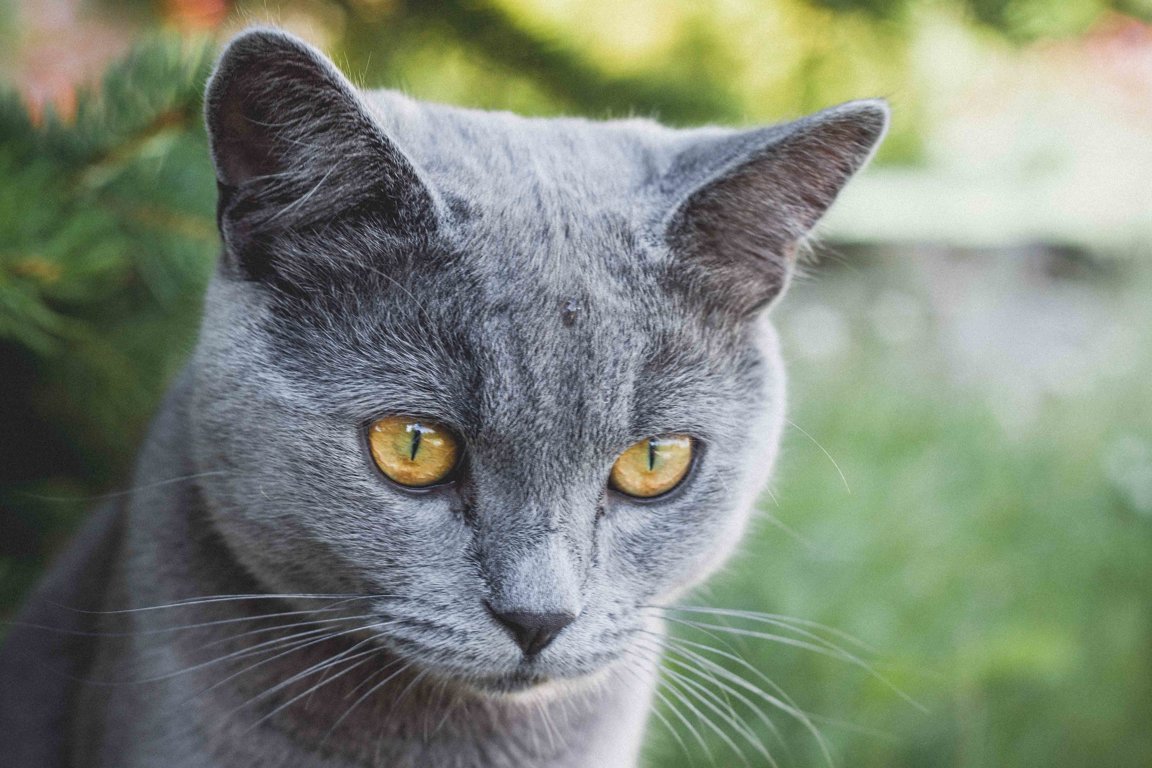
Have you ever caught your feline friend staring intently at a blank wall for an extended period, seemingly lost in thought? It's a common sight for many cat owners, and while it can be amusing, it also raises a few questions. Is your cat seeing something you can't? Are they simply bored? Or is there something more to this enigmatic behavior?
That feeling of unease creeps in when your furry companion exhibits unusual behavior. You start to wonder if their health is at stake, or if perhaps something unseen is causing them distress. The uncertainty can be unsettling, especially when you can't figure out the reason behind their actions.
This article aims to shed light on why cats stare at walls, exploring the various possible explanations, ranging from the mundane to the more intriguing. We'll delve into the potential reasons behind this behavior, helping you understand your cat a little better and ease any worries you might have.
In short, a cat staring at a wall could be due to a variety of factors, including hunting instincts, sensory perception, medical issues, or even cognitive decline. We will look into each of these, and more. Understanding the possibilities can help you determine if your cat's behavior is normal or if a vet visit is necessary. Keep an eye out for sudden changes in behavior, and always consult with a professional if you're concerned.
The Case of the Invisible Prey
I remember one time, my own cat, Whiskers, a fluffy Persian with a penchant for drama, started staring intently at the corner of my living room ceiling. He'd sit there for what felt like hours, his eyes wide, occasionally twitching his ears as if listening to something I couldn't hear. I initially dismissed it as him being a bit eccentric, but the behavior persisted for days. I started to feel a bit unnerved, jokingly wondering if we had a ghost in the house. Was it paranormal activity? One evening, armed with a flashlight, I investigated the corner he was so fixated on. To my surprise, I discovered a tiny spider web with a minuscule spider scurrying around. Whiskers, with his superior hearing and vision, had been tracking the spider's every move, completely engrossed in the hunt. His senses are much more perceptive than mine and his predatory instincts just kicked in.
This experience highlighted the incredible sensory abilities of cats. They can detect subtle movements and sounds that are beyond our human perception. What might appear as a blank wall to us could be a bustling hunting ground for our feline companions. They hear the scurrying of rodents within the walls or see dust motes floating in the air that we completely miss. Their intense focus is simply a testament to their keen senses and predatory instincts. This means they might be seeing a bug, hearing a mouse, or even just tracking light reflections that we can't perceive.
What is "Cat Stares at Wall" Behavior?
The "cat stares at wall" behavior is characterized by a cat fixating its gaze on a seemingly empty wall or corner for a prolonged period. The cat may appear intensely focused, with dilated pupils, twitching ears, and a stillness in its body. This behavior can be disconcerting for owners, leading them to wonder what their cat is seeing or hearing that they themselves cannot perceive. Is it a sign of something wrong, or is it simply a quirk of feline behavior? More often than not, it’s the latter.
In reality, there are several potential explanations for this behavior. As previously mentioned, cats possess highly developed senses, allowing them to detect subtle stimuli that humans cannot. They may be tracking a bug crawling on the wall, listening to rodents moving within the walls, or simply observing dust particles floating in the air. It’s also possible that the cat is experiencing a cognitive change, especially in older cats. Just like humans, cats can experience cognitive decline as they age, leading to confusion, disorientation, and unusual behaviors. Medical conditions, such as neurological problems or vision impairments, can also contribute to this behavior. While the behavior is usually harmless, it is worth checking on your feline friend.
History and Myth of Cats and the Paranormal
Cats have long been associated with the supernatural and the paranormal in various cultures throughout history. In ancient Egypt, cats were revered as sacred animals, associated with the goddess Bastet and believed to possess protective powers. They were often depicted in art and literature as guardians of the home and protectors against evil spirits. In other cultures, however, cats have been viewed with suspicion, associated with witchcraft and bad luck. The black cat, in particular, has often been seen as a symbol of misfortune and associated with evil omens.
These historical beliefs have contributed to the popular notion that cats possess a heightened sensitivity to the paranormal, capable of detecting spirits or energies that humans cannot perceive. This idea is often fueled by anecdotal evidence of cats reacting to seemingly invisible stimuli, such as staring at empty spaces or hissing at unseen entities. While there is no scientific evidence to support the existence of paranormal phenomena, the enduring association between cats and the supernatural continues to fascinate and intrigue many people. It is more likely, however, that cats are simply more perceptive and can see, hear, and smell things that we cannot.
The Hidden Secrets Behind the Stare
While the most likely explanations for a cat staring at a wall involve sensory perception or medical conditions, some more subtle factors could also be at play. Cats are creatures of habit, and they may be reacting to changes in their environment that are not immediately apparent to us. A slight shift in furniture arrangement, a new scent in the air, or even a change in the lighting can all trigger a cat's curiosity and lead to them fixating on a particular spot.
Furthermore, cats are highly sensitive to energy and emotions. Some believe that they can sense stress or tension in their environment, and their staring behavior could be a way of expressing their discomfort or anxiety. If you've recently experienced a stressful event or a change in your household dynamics, your cat might be reacting to the altered energy in the space. It's also worth considering whether your cat is simply seeking attention. Sometimes, a long, unwavering stare is just their way of saying, "Hey, look at me! I'm bored!" Paying attention to your cat's overall behavior and the context in which they're staring at the wall can help you decipher the hidden secrets behind their gaze.
Recommendations for Worried Owners
If you're concerned about your cat's staring behavior, it's always best to consult with your veterinarian. They can perform a thorough physical examination to rule out any underlying medical conditions that might be contributing to the behavior. Neurological issues, vision problems, or even cognitive dysfunction can sometimes manifest as unusual staring.
In addition to a vet visit, try to observe your cat's behavior closely. When does the staring occur? Is it always in the same location? Are there any other accompanying symptoms, such as disorientation, loss of appetite, or changes in litter box habits? Documenting these observations can provide valuable information for your veterinarian. You can also try enriching your cat's environment to provide them with more stimulation. Puzzle toys, scratching posts, and interactive play sessions can help alleviate boredom and reduce the likelihood of them fixating on empty spaces. Ensuring a safe and comfortable environment can also ease their worries. If your vet confirms there are no underlying medical issues, the staring may just be a harmless quirk of your cat's personality. It might just be their way of observing the world around them.
Understanding Feline Senses
Cats possess senses that are far more acute than those of humans, which explains why they might perceive things we don't. Their hearing is exceptional, allowing them to detect high-frequency sounds, like the rustling of rodents behind walls. Their vision, while not as detailed as ours, is excellent at detecting movement, making them adept at spotting even the slightest twitch of a bug. They also have a keen sense of smell, able to detect faint odors that we would never notice. This sensory input, processed through their highly developed brains, can lead them to focus on stimuli that are completely invisible to us.
Imagine, for a moment, that you could hear the faint scurrying of mice inside your walls. You would likely be drawn to the source of the sound, trying to pinpoint its exact location. This is essentially what your cat is doing when they stare at a wall. They are using their superior senses to investigate something that has caught their attention, even if we can't perceive it ourselves. These abilities contribute to their hunting prowess and their overall awareness of their surroundings.
Practical Tips for Cat Owners
If your cat's staring behavior is causing you concern, there are several practical tips you can try at home. First, eliminate any potential sources of stimulation that might be causing the behavior. Check for pests like insects or rodents, and address any structural issues in your home that might be creating unusual noises or vibrations. Next, focus on enriching your cat's environment. Provide them with plenty of toys, scratching posts, and opportunities for play and exploration. A bored cat is more likely to fixate on empty spaces, so keeping them engaged can help reduce the behavior. Try rotating their toys regularly to keep them interested, and consider adding a cat tree or window perch to give them a better view of the outside world.
Consider creating a calming environment for your cat. Cats are sensitive creatures, and stress can contribute to unusual behaviors. Provide them with a safe and comfortable space where they can retreat when they feel overwhelmed. A cozy bed, a quiet corner, or even a covered cat carrier can provide a sense of security. You can also try using calming pheromone diffusers, which release synthetic versions of the natural pheromones that cats use to communicate. These pheromones can help reduce anxiety and promote a sense of well-being. Finally, be patient and understanding. Staring at walls is often a harmless behavior, and with a little effort, you can help your cat feel more comfortable and content.
Environmental Enrichment Ideas
Environmental enrichment is key to keeping your cat mentally stimulated and preventing boredom-related behaviors. Start by providing a variety of toys, including puzzle toys that challenge your cat to solve problems in order to get treats. Scratching posts are essential for maintaining your cat's claws and providing them with a way to mark their territory. Consider adding a cat tree or window perch to give your cat a higher vantage point and a view of the outside world. Rotate your cat's toys regularly to keep them interested, and introduce new items periodically. Even something as simple as a cardboard box can provide hours of entertainment for a curious cat.
Another important aspect of environmental enrichment is providing opportunities for play and interaction. Schedule regular play sessions with your cat, using toys like wand toys or laser pointers to engage their hunting instincts. Make sure to let them "catch" the toy at the end of the session to satisfy their predatory drive. You can also try teaching your cat tricks, such as "sit" or "stay," to provide them with mental stimulation and strengthen your bond. The key is to create an environment that is both stimulating and safe, allowing your cat to express their natural behaviors and thrive.
Fun Facts About Feline Perception
Did you know that cats can see in low light conditions much better than humans? Their eyes have a higher concentration of rods, which are responsible for night vision. However, their color vision is not as developed as ours. They can see blues and yellows, but they have difficulty distinguishing reds and greens. Cats also have a wider field of vision than humans, allowing them to detect movement in their peripheral vision. This is an important adaptation for hunting prey. Their pupils can also dilate much wider than human pupils, allowing them to gather more light in dark environments.
Another fascinating fact is that cats have a specialized organ called the vomeronasal organ, or Jacobson's organ, located in the roof of their mouth. This organ allows them to detect pheromones, which are chemical signals that play a crucial role in feline communication. When a cat detects a pheromone, they may open their mouth slightly and curl back their lips, a behavior known as flehmen.This allows the pheromone to reach the Jacobson's organ, providing the cat with information about other cats in the area, their reproductive status, and their social relationships. This organ makes cats exceptionally sensitive to chemical signals in their environment.
How to Determine the Cause of the Staring
Figuring out why your cat is staring at the wall requires careful observation and a bit of detective work. Start by noting the frequency and duration of the behavior. Is it a one-time occurrence, or does it happen regularly? How long does your cat stare each time? Also, pay attention to the location where the staring occurs. Is it always in the same room, or does it vary? Is there anything specific about that location that might be attracting your cat's attention?
Next, observe your cat's body language. Are their pupils dilated, their ears twitching, or their body tense? These are all signs that they might be focused on something specific. Try to rule out any obvious causes, such as pests or noises. Check for spider webs, dust bunnies, or other potential sources of visual or auditory stimulation. If you suspect that your cat might be reacting to something you can't see or hear, try using a flashlight or listening closely for any unusual sounds. If you're still unsure of the cause, consult with your veterinarian. They can perform a thorough examination to rule out any underlying medical conditions.
What if the Staring is a Sign of Something More?
While staring at the wall is often a harmless behavior, it's important to be aware of the potential for it to be a symptom of an underlying medical condition. Cognitive dysfunction, also known as feline dementia, can cause confusion, disorientation, and unusual behaviors, including staring at walls. Neurological problems, such as seizures or tumors, can also manifest as staring or other abnormal behaviors. Vision impairments, such as cataracts or glaucoma, can cause cats to become fixated on certain objects or areas.
If you notice any other concerning symptoms, such as loss of appetite, changes in litter box habits, or difficulty with coordination, it's crucial to seek veterinary care promptly. Early diagnosis and treatment can help manage these conditions and improve your cat's quality of life. Your vet may recommend blood tests, neurological exams, or imaging studies to determine the cause of the staring and develop an appropriate treatment plan. It's always better to err on the side of caution when it comes to your cat's health, so don't hesitate to seek professional help if you're concerned.
Top 5 Reasons Cats Stare at Walls (Listicle)
- Hunting Instincts: They might be tracking prey like insects or rodents.
- Sensory Perception: They can hear or see things we can't.
- Cognitive Decline: Older cats may experience confusion.
- Medical Issues: Neurological problems or vision impairments can cause staring.
- Environmental Changes: They react to new scents, furniture, or lighting.
These reasons are the most likely explanations for why a cat might stare at a wall. Understanding these possibilities can help you better understand your feline companion's behavior and determine if a vet visit is necessary. Remember to observe your cat closely and note any other accompanying symptoms. While the behavior is usually harmless, it's always best to be informed and proactive about your cat's health and well-being.
Question and Answer
Q: Is it normal for my cat to stare at the wall?
A: In many cases, yes. Cats have superior senses and may be tracking something you can't perceive. However, if the behavior is new or accompanied by other symptoms, it's best to consult with your vet.
Q: Could my cat be seeing ghosts?
A: While cats have been associated with the paranormal in folklore, there's no scientific evidence to support this. It's more likely that they're reacting to something tangible, like a bug or a noise.
Q: What can I do to stop my cat from staring at the wall?
A: Try enriching your cat's environment with toys, scratching posts, and play sessions. Make sure there are no pests or structural issues in your home that could be attracting their attention.
Q: When should I be worried about my cat staring at the wall?
A: If the staring is excessive, accompanied by other symptoms like disorientation or loss of appetite, or if your cat is elderly, it's important to consult with your veterinarian to rule out any underlying medical conditions.
Conclusion of Cat Stares at Wall for Hours – Paranormal Activity?
Ultimately, while the sight of a cat staring intently at a wall can be intriguing and even a little unsettling, it's usually a harmless behavior rooted in their keen senses and natural instincts. By understanding the various potential explanations, you can better assess your cat's behavior and determine if any intervention is necessary. Keep an eye out for any changes in their overall health and behavior, and don't hesitate to seek professional advice if you have any concerns. More often than not, your cat is simply being a cat, exploring the world in their unique and fascinating way.
0 Response to "Cat Stares at Wall for Hours – Paranormal Activity?"
Post a Comment