This Cat Reacts to Horror Movies Like a Human
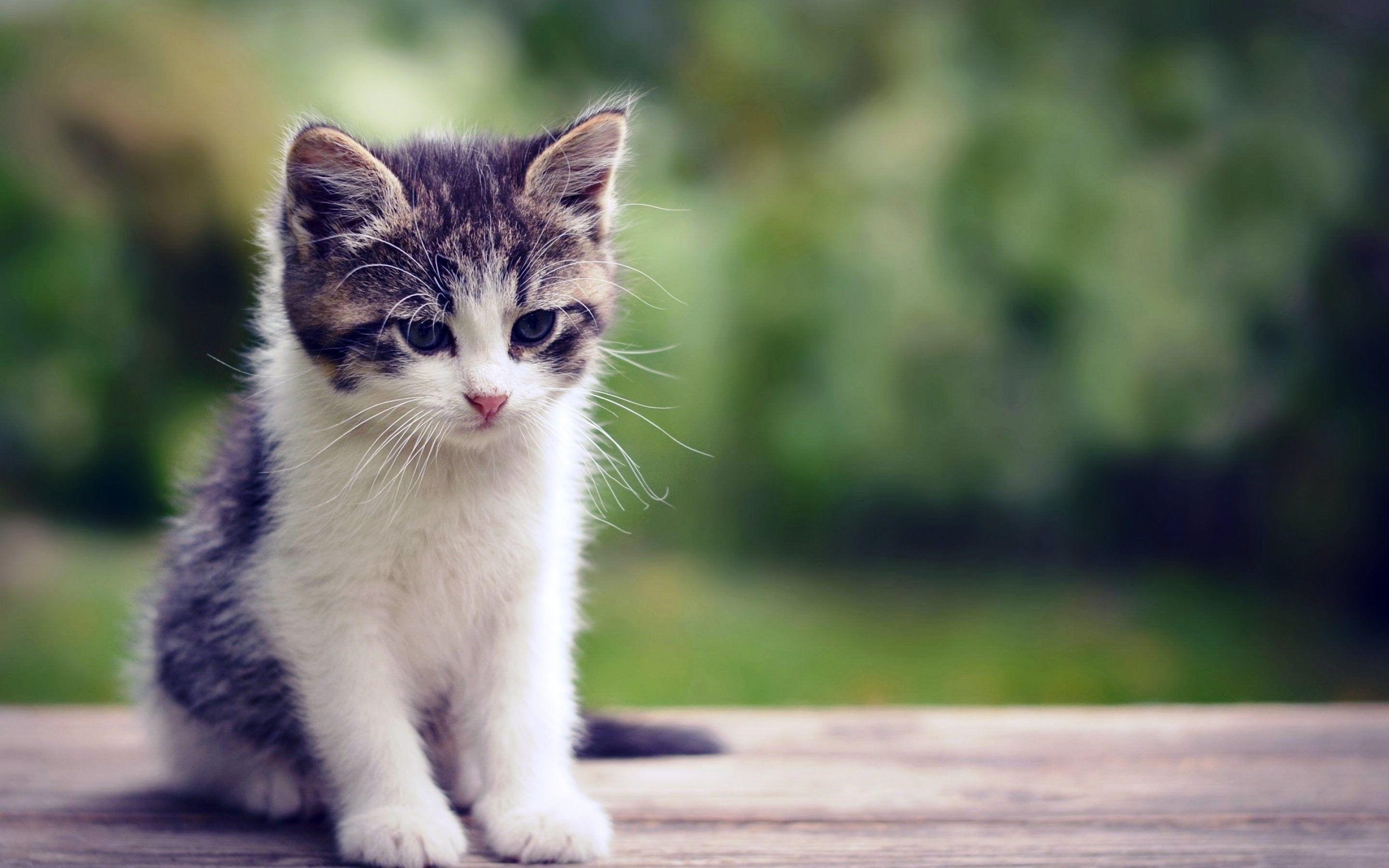
Ever wondered what your feline friendreallythinks when you're glued to a terrifying horror flick? We often project our own emotions onto our pets, but sometimes, just sometimes, their behavior is so perfectly timed and expressive that it's hard to believe they aren't sharing our fear...or perhaps even laughing at our distress.
Many of us cat owners suspect our furry companions understand more than they let on. We see glimpses of understanding in their eyes, hear it in their purrs, and witness it in their seemingly empathetic gestures. But it's hard to know if our cats really grasp complex emotions or are just reacting to our own body language and cues.
This exploration is for all the cat lovers who find themselves chuckling at their cat's uncanny reactions during scary movies. It’s for those who believe, deep down, that their feline friend possesses a secret understanding of the human world – a world filled with jump scares, suspenseful music, and creatures lurking in the shadows.
This article delves into the fascinating world of cats reacting to horror movies, exploring the possible reasons behind their behavior, from simple startle reflexes to potential empathy. We'll look at how cats perceive the sounds and visuals of these films, and discuss whether they might actually be "enjoying" the show in their own unique way. Ultimately, it's a fun and lighthearted exploration of the bond between humans and their feline companions, and a chance to laugh at the absurdity of sharing our deepest fears with a creature who probably just wants a head scratch.
Why Does My Cat Seem to React More to Horror Than Other Genres?
I remember watching "The Exorcist" late one night, thinking my cat, Mittens, was fast asleep. Suddenly, during a particularly intense scene with Regan levitating, Mittens shot straight up, fur on end, hissing at the television! It was both terrifying and hilarious. This incident got me thinking: whyhorrorspecifically? Cats have incredibly sensitive hearing. The high-pitched screams, sudden crashes, and unsettling musical scores common in horror movies could be particularly jarring for them. They might not understand the narrative, but they certainly pick up on the auditory cues indicating danger or distress. Their heightened senses also mean they're more sensitive to flickering lights and sudden movements on the screen. These visual stimuli can trigger their natural predatory instincts or simply startle them, leading to those jumpy reactions we find so amusing.
Understanding Feline Behavior During Scary Scenes
Cats are masters of observation. They constantly scan their environment for potential threats and opportunities. When we watch a horror movie, even though we know it's "just a movie," our bodies betray us. We tense up, gasp, and maybe even scream. Our cats, ever watchful, are likely picking up on these cues. They might not understand the source of our fear, but they can sense that something is amiss. Their reactions could be a combination of responding to the sounds and visuals, mirroring our own anxiety, and simply investigating the strange energy in the room. Think of it like this: a cat might not understand the plot of a war movie, but it can certainly recognize the sounds of gunfire and explosions and associate them with potential danger. Similarly, in horror, the jump scares and suspenseful music create a sense of unease that your cat can perceive, even if they don't fully comprehend the context.
The History and Mythology of Cats in Horror Films
Cats have a long and fascinating history intertwined with human culture, often associated with mystery, magic, and even the supernatural. In many cultures, black cats are seen as symbols of bad luck, a perception that has frequently been exploited in horror films. Think of the countless horror movies where a black cat appears just before something terrible happens, amplifying the sense of dread. This association stems from ancient beliefs that cats are connected to the spirit world, possessing an uncanny ability to sense things that humans cannot. While we might not believe in these superstitions today, the cultural baggage remains, making cats a natural fit for the horror genre. Beyond the symbolism, cats also serve a practical purpose in horror films: their unpredictable behavior can be used to create suspense and jump scares. A sudden hiss or a frantic dash across the screen can startle the audience and heighten the tension, even if the cat is simply chasing a dust bunny.
The Hidden Secret: Are Cats Actually Enjoying the Show?
This might sound far-fetched, but consider this: cats are predators. They enjoy observing, stalking, and pouncing. Horror movies, with their jump scares and suspenseful build-ups, can provide a stimulating experience for a cat's predatory instincts. The flickering lights, sudden movements, and unsettling sounds might trigger their hunting instincts, prompting them to "stalk" the television screen. Of course, they don't understand that the "prey" is not real, but the act of observing and reacting can be intrinsically rewarding for them. Another hidden aspect is the attention they receive from us. When our cat reacts to a horror movie, we often laugh, talk to them, and give them extra attention. Cats are smart creatures, and they quickly learn that certain behaviors elicit a positive response from their humans. So, it's possible that their "horror movie reactions" are partly motivated by a desire for attention. Whether they're truly enjoying the show or simply playing us for attention, it's clear that cats add a unique and entertaining element to our horror movie nights.
Recommendations for Watching Horror Movies With Your Cat
If your cat seems genuinely distressed by horror movies, it's important to be mindful of their well-being. Pay attention to their body language. Are they just startled, or are they showing signs of fear, such as flattened ears, a tucked tail, or excessive hissing? If they seem genuinely frightened, it's best to turn off the movie or move them to a quieter room where they feel safe. Create a comfortable and secure space for your cat, away from the television. This could be a cozy bed, a cat tree, or even just a quiet corner of the room. Make sure they have access to food, water, and a litter box. During the movie, offer your cat reassurance and affection. A gentle stroke or a soft word can help calm their nerves and remind them that they are safe. You can also try playing calming music or using a pheromone diffuser to create a more relaxing atmosphere. Remember, every cat is different, and what works for one might not work for another. The key is to be observant and responsive to your cat's individual needs and preferences.
Can Cats Develop Phobias From Horror Movies?
While it's unlikely that a single horror movie will cause a cat to develop a full-blown phobia, repeated exposure to stressful stimuli could potentially lead to anxiety and fear-based behaviors. Imagine a cat who is consistently startled by loud noises and jump scares while watching horror movies. Over time, they might start to associate the television with negative experiences, leading to anxiety whenever the TV is turned on. This anxiety could manifest in various ways, such as hiding, excessive grooming, or even aggression. To prevent this, it's important to moderate your cat's exposure to horror movies and create a positive association with the TV. This could involve giving them treats and attention while the TV is on, or simply ensuring that they have a safe and comfortable space to retreat to during scary scenes. If you notice any signs of anxiety or fear in your cat, it's best to consult with a veterinarian or a certified animal behaviorist. They can help you identify the underlying cause of the anxiety and develop a treatment plan to address it.
Tips for Minimizing Stress for Your Feline Friend During Movie Night
One simple tip is to lower the volume. The loud noises and sudden crashes in horror movies are often the biggest trigger for cats. By reducing the volume, you can minimize the auditory impact and make the experience less stressful for your feline friend. Consider using headphones if you want to fully immerse yourself in the movie. Another helpful tip is to provide distractions. Offer your cat a favorite toy or a puzzle feeder to keep them engaged and entertained during the movie. This can help redirect their attention away from the screen and reduce their anxiety. You can also try playing calming music or using a pheromone diffuser to create a more relaxing atmosphere. A pheromone diffuser releases synthetic pheromones that mimic the natural pheromones produced by cats, which can help reduce stress and anxiety. Finally, pay attention to your cat's body language. If they seem genuinely distressed, don't hesitate to turn off the movie or move them to a quieter room.
Understanding Cat Body Language During Potentially Frightening Situations
Understanding your cat's body language is crucial for determining whether they're simply curious or genuinely frightened. A curious cat might have their ears perked up and their tail held high, while a frightened cat might have flattened ears, a tucked tail, and dilated pupils. They might also hiss, growl, or swat at the air. Other signs of anxiety include excessive grooming, hiding, and trembling. By carefully observing your cat's body language, you can get a better sense of how they're feeling and take appropriate action. Remember, every cat is different, and some cats are more expressive than others. The key is to pay attention to their individual cues and respond accordingly. If you're unsure about your cat's body language, it's always best to err on the side of caution and provide them with a safe and comfortable space to retreat to.
Fun Facts About Cats and Their Senses
Did you know that cats have a wider field of vision than humans? This allows them to detect movement more easily, which is why they're so good at spotting those fleeting shadows on the screen. Their hearing is also far superior to ours, allowing them to pick up on high-pitched sounds that we can't even hear. This heightened sensitivity can make horror movies particularly jarring for them. Another fascinating fact is that cats have a special organ called the vomeronasal organ, or Jacobson's organ, which allows them to detect pheromones. This organ is located in the roof of their mouth and is connected to their nasal passages. When a cat curls its lip and opens its mouth slightly, it's using its Jacobson's organ to analyze scents in the air. This might explain why cats sometimes react strangely to certain smells associated with horror movies, such as fake blood or latex masks. Their sense of smell is also much stronger than ours, allowing them to detect subtle changes in the air that we might not even notice.
How To Make Horror Movie Night a Purr-fectly Safe Experience for Your Cat
Preparation is key. Before settling in for a scary movie marathon, create a designated "safe zone" for your cat. This could be a cozy bed, a cat tree, or even just a quiet corner of the room. Make sure they have access to food, water, and a litter box. During the movie, keep an eye on your cat's body language. If they seem genuinely distressed, offer them reassurance and affection. A gentle stroke or a soft word can help calm their nerves. You can also try distracting them with a favorite toy or a puzzle feeder. Another important tip is to avoid sudden movements or loud noises that could startle your cat. Try to remain calm and relaxed, even during the most intense scenes. Your cat will pick up on your emotional state, and if you're anxious, they're likely to become anxious too. Finally, remember that every cat is different, and what works for one might not work for another. The key is to be observant and responsive to your cat's individual needs and preferences. If you're unsure about how your cat is feeling, it's always best to err on the side of caution and provide them with a safe and comfortable space to retreat to.
What If My Cat Seems To Actually Enjoy Horror Movies?
If your cat seems to be fascinated by horror movies, rather than frightened, it's possible that they're simply enjoying the stimulation. The flickering lights, sudden movements, and unsettling sounds might be intriguing to them. In this case, there's no need to stop watching horror movies, as long as your cat doesn't seem distressed. However, it's still important to be mindful of their well-being and provide them with a safe and comfortable space to retreat to if they become overwhelmed. You can also try to engage them in other activities during the movie, such as playing with a toy or giving them a treat, to keep them entertained and prevent them from becoming bored. Another possibility is that your cat is simply mimicking your behavior. Cats are social creatures, and they often learn by observing their humans. If you're enthusiastic about horror movies, your cat might be picking up on your excitement and mirroring your behavior. Whatever the reason, if your cat seems to be enjoying horror movies, there's no harm in letting them watch along, as long as you're mindful of their needs and preferences.
Top 5 Horror Movie Reactions From Cats (A Listicle)
1. The Jump Scare Hiss: This classic reaction involves your cat leaping into the air, hissing at the television screen, and then darting away in a panic. It's a sure sign that they were not expecting that sudden jump scare.
2. The Unblinking Stare: Your cat sits motionless, staring intently at the screen, their eyes wide and unblinking. It's hard to tell if they're fascinated or terrified, but either way, it's a captivating sight.
3. The Tail Twitch: This subtle reaction involves a slight twitch of the tail, often accompanied by flattened ears. It's a sign that your cat is feeling anxious or uneasy about what they're seeing.
4. The Escape Artist: Your cat suddenly decides that the best place to be is anywhere but in the same room as the television. They might dart out of the room, hide under the bed, or simply curl up in a distant corner.
5. The Shoulder Perch: This unusual reaction involves your cat climbing onto your shoulder and clinging to you tightly, as if seeking protection from the horrors on the screen. It's a heartwarming sign that they trust you to keep them safe.
Question and Answer about This Cat Reacts to Horror Movies Like a Human
Q: Why does my cat stare at the TV during horror movies?
A: Cats have excellent motion detection. They may be focusing on the fast movements or flickering lights, interpreting them as prey or threats. Also, they may be reacting to your own responses to the movie!
Q: Is it cruel to let my cat watch horror movies with me?
A: Not necessarily, as long as your cat doesn't show signs of distress. If they seem scared, it's best to move them to a quieter area. Observe their body language.
Q: Can my cat understand what's happening in the movie?
A: No, cats don't understand the narrative or complex themes of horror movies. They react to the sensory stimuli – sounds, visuals, and even your emotions.
Q: How can I make horror movie night more comfortable for my cat?
A: Provide a safe space for your cat, like a bed or a quiet room. Keep the volume down, and offer them treats and affection to create a positive association.
Conclusion of This Cat Reacts to Horror Movies Like a Human
Ultimately, whether your cat is a horror aficionado or a scaredy-cat, their reactions can add a whole new layer of entertainment to your movie nights. By understanding their unique senses and being mindful of their comfort, you can ensure that everyone – human and feline alike – has a purr-fectly enjoyable experience. So, dim the lights, grab your popcorn, and prepare for a night of thrills and chills… just be sure to keep an eye on your furry companion. You never know what they might do next!
0 Response to "This Cat Reacts to Horror Movies Like a Human"
Post a Comment