The Funniest-Looking Animals Ever
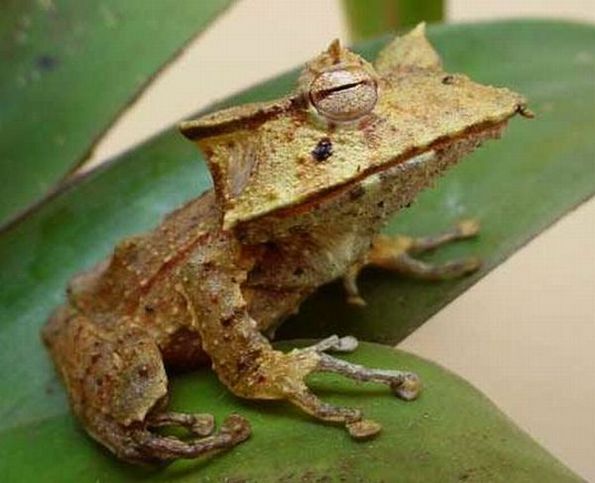
Have you ever stopped to consider the sheer variety of life on this planet? It's a dazzling display of evolutionary ingenuity, but let's be honest, some creatures got a little... extra in the looks department. We're talking about animals so delightfully bizarre, so wonderfully awkward, they can't help but bring a smile to your face.
Often, when we think about animals, we focus on the majestic lions, the graceful dolphins, or the cuddly pandas. We rarely celebrate the underdogs, the creatures that nature seemingly designed with a sense of humor. There's a whole world of delightfully strange animals out there waiting to be appreciated!
This article aims to shine a spotlight on some of the funniest-looking animals in the world. We'll explore their unique characteristics, discuss their habitats, and maybe even learn a thing or two about the incredible diversity of life on Earth. Get ready to laugh, learn, and maybe even feel a little bit of empathy for these wonderfully peculiar creatures.
From the bulbous-nosed Proboscis Monkey to the perpetually grumpy-looking Blobfish, and the awkwardly endearing Axolotl, we've compiled a list of animals that are sure to tickle your funny bone. We'll delve into the reasons behind their unusual appearances and celebrate their unique contributions to the planet's biodiversity. This is a journey into the weird and wonderful world of animal aesthetics, proving that beauty truly is in the eye of the beholder… or, in this case, the animal gawker!
My Personal Encounter with Funny-Looking Animals
I remember the first time I saw a picture of a star-nosed mole. I was at a local zoo, volunteering in the education department, when I came across an information card displaying this peculiar creature. Honestly, my initial reaction was one of slight disbelief followed by uncontrollable giggles. I mean, who designed this thing? Its nose looked like it exploded into a starburst of fleshy tentacles!
That experience sparked a fascination with animals that deviate from the conventional definition of cute.It made me realize that nature's creativity knows no bounds and that sometimes, the most intriguing creatures are the ones that look a little… different. The star-nosed mole, with its bizarre appendage, is actually incredibly well-adapted to its environment. Those fleshy tentacles are covered in touch receptors, allowing it to detect and identify prey faster than any other mammal. So, while it may look comical to us, it's a highly effective predator in its own world. The blobfish is another great example. Often cited as the "world's ugliest animal," it's perfectly adapted to the immense pressure of the deep sea. Its gelatinous body allows it to float effortlessly, conserving energy in a harsh environment. Without the pressure, though, they morph into a grumpy looking blob. This is an important reminder not to judge a fish by its cover!
The lesson I learned that day was that appreciating the funny-looking animals isn't just about finding humor in their appearances. It's about understanding the incredible diversity of life on Earth and recognizing that every creature, no matter how strange, plays a vital role in its ecosystem. It's also about challenging our own preconceived notions of beauty and embracing the weird and wonderful aspects of the natural world.
What Makes an Animal "Funny-Looking?"
Defining "funny-looking" is, of course, subjective. What one person finds comical, another might find intriguing or even beautiful. However, certain characteristics tend to elicit a chuckle. Oversized noses, bulging eyes, disproportionate limbs, and generally awkward body shapes often contribute to an animal's comedic appeal. But beneath the surface of these unusual features lies a fascinating story of adaptation and survival.
Consider the Proboscis monkey, with its enormous, pendulous nose. While it may look silly to us, the nose is actually a sign of sexual maturity and attractiveness to female monkeys. The larger the nose, the more desirable the male. Similarly, the axolotl's perpetually smiling face and feathery gills make it an endearing creature, but these features are also crucial for its survival in its aquatic habitat. The blobfish's melty face, while often mocked, is simply a result of the pressure difference between its deep-sea home and the surface. In its natural environment, it looks much more… fish-like.
Ultimately, what makes an animal "funny-looking" is its deviation from our expectations of what an animal should look like. We are used to seeing certain proportions and features, and when an animal breaks those norms, it catches our attention and often makes us laugh. It's a reminder that evolution is a messy process, and sometimes the results are wonderfully bizarre.
History and Myths Surrounding Funny-Looking Animals
Throughout history, many "funny-looking" animals have been misunderstood, feared, or even revered. Their unusual appearances often led to the creation of myths and legends, passed down through generations. The aye-aye, a nocturnal lemur with large eyes and a long, bony finger, is considered a harbinger of bad luck in Madagascar. Its strange appearance and tapping behavior, used to locate insects under tree bark, have fueled countless stories of curses and death.
Similarly, the goblin shark, with its elongated snout and protruding jaws, has inspired tales of terrifying sea monsters. Its rare appearances and deep-sea habitat have contributed to its mystique and fueled the imagination of sailors for centuries. Even the blobfish, despite its recent internet fame, has been largely unknown to the general public until relatively recently. Its deep-sea habitat and gelatinous body made it difficult to study, contributing to its reputation as a mysterious and somewhat repulsive creature.
Understanding the history and mythology surrounding these animals can give us a deeper appreciation for their unique place in our culture and our understanding of the natural world. It's a reminder that our perceptions of animals are often shaped by our own biases and fears, and that learning more about these creatures can help us to overcome those biases and appreciate their true value.
Unveiling the Hidden Secrets of Funny-Looking Animals
Beyond their comical appearances, many funny-looking animals possess remarkable adaptations and hidden secrets. The star-nosed mole, for example, has the fastest eating speed of any mammal, capable of identifying and consuming prey in just milliseconds. Its star-shaped nose is packed with sensory receptors, allowing it to detect even the slightest vibrations in the soil.
The axolotl, also known as the Mexican walking fish, has the extraordinary ability to regenerate lost limbs, spinal cords, and even parts of its brain. This remarkable ability has made it a popular subject of scientific research, with potential implications for human medicine. The cassowary, a large flightless bird with a distinctive helmet-like casque on its head, is considered the most dangerous bird in the world. Its powerful legs and sharp claws can inflict serious injuries, making it a formidable predator.
These hidden secrets highlight the incredible resilience and adaptability of these animals. They remind us that appearances can be deceiving and that even the most comical-looking creature can possess remarkable abilities that contribute to its survival and success.
Recommendations for Appreciating Funny-Looking Animals
There are many ways to appreciate the funny-looking animals of the world. Start by learning more about them. Read books, watch documentaries, and explore online resources to discover the fascinating adaptations and behaviors of these creatures. Visit zoos and aquariums that feature these animals and observe them in their habitats.
Support conservation efforts that protect their habitats and ensure their survival. Many funny-looking animals are threatened by habitat loss, pollution, and climate change. By supporting organizations that are working to protect these creatures, you can help ensure that future generations will have the opportunity to appreciate their unique beauty.
Finally, challenge your own preconceived notions of beauty and embrace the diversity of the natural world. Recognize that every creature, no matter how strange, plays a vital role in its ecosystem and contributes to the richness and complexity of life on Earth. Embrace the weird, the awkward, and the wonderfully bizarre, and you'll discover a whole new world of fascinating creatures to admire and appreciate.
Conservation Efforts for Unconventionally Cute Critters
Many of these uniquely adorable animals are facing threats to their survival. Habitat loss, climate change, and even being hunted for their quirky features contribute to their vulnerability. Supporting organizations dedicated to wildlife conservation is crucial. These groups work to protect habitats, combat poaching, and raise awareness about the importance of biodiversity, ensuring that future generations can appreciate these animals in their natural environments.
Consider the plight of the Saiga antelope, with its comically oversized nose. This unique adaptation allows it to filter dust during dry seasons, but it also makes it a target for poachers who seek its horns for traditional medicine. Conservation efforts are focused on combating poaching and restoring its habitat, which has been fragmented by human activity. The Axolotl faces a similar challenge, being confined to a small network of canals near Mexico City. Pollution and habitat destruction threaten its survival, and conservation efforts are focused on cleaning up the canals and creating artificial wetlands to provide suitable habitat. Another example is the Kakapo parrot, native to New Zealand. Decades of conservation have brought back a small population of this unique parrot.
By supporting these conservation organizations and spreading awareness about the plight of funny-looking animals, we can make a difference in their survival and ensure that these wonderfully bizarre creatures continue to thrive for generations to come.
Tips for Identifying Funny-Looking Animals
Identifying funny-looking animals can be a fun and rewarding experience. Start by paying attention to their unique features. Look for oversized noses, bulging eyes, disproportionate limbs, and other unusual characteristics. Consider their habitat. Deep-sea creatures, for example, often have bizarre adaptations to cope with the extreme pressure and darkness of their environment.
Use field guides and online resources to help you identify the animals you encounter. Many websites and books feature detailed descriptions and images of various species. Attend wildlife lectures and presentations to learn more about the animals in your area and around the world. Most importantly, be patient and observant. Identifying animals takes practice and a keen eye for detail.
Embrace the challenge and enjoy the process of discovering the incredible diversity of life on Earth. You might be surprised at the number of funny-looking animals you encounter, and you'll gain a deeper appreciation for the unique adaptations and behaviors that make them so special.
The Role of Social Media in Showcasing Unconventional Animal Beauty
Social media has become a powerful tool for showcasing the beauty and uniqueness of funny-looking animals. Platforms like Instagram, Twitter, and Tik Tok are filled with images and videos of these creatures, bringing them to the attention of millions of people around the world. This exposure can help to raise awareness about their conservation needs and inspire people to take action to protect them.
However, it's important to be mindful of the potential downsides of social media. Some viral videos and images may be staged or misleading, and it's crucial to verify the accuracy of the information before sharing it. Additionally, it's important to avoid promoting harmful practices, such as the exploitation of animals for entertainment or the spread of misinformation about their biology and behavior. Remember to share educational, informative and fact-checked content. One example is the use of AI generated images.
Despite these potential challenges, social media can be a valuable tool for promoting awareness and appreciation for funny-looking animals. By sharing accurate information, highlighting conservation efforts, and showcasing the beauty of these creatures, we can help to inspire a new generation of animal lovers and conservationists.
Fun Facts About The Funniest-Looking Animals Ever
Did you know that the aye-aye's long, bony finger is used to tap on tree trunks, listening for hollow spots where insects might be hiding? Or that the blobfish doesn't actually look like a blob in its natural habitat? Its gelatinous body is an adaptation to the immense pressure of the deep sea, allowing it to float effortlessly without expending energy. The star-nosed mole can detect and consume prey in just milliseconds, making it the fastest-eating mammal in the world.
The Saiga antelope's oversized nose helps it filter dust during dry seasons and regulate its body temperature in extreme weather conditions. The kakapo, a flightless parrot native to New Zealand, is the heaviest parrot in the world and can live for up to 90 years. These fun facts highlight the remarkable adaptations and behaviors of these animals, demonstrating their unique contributions to the planet's biodiversity.
So, next time you encounter a funny-looking animal, take a moment to appreciate its unique beauty and the incredible adaptations that allow it to thrive in its environment. You might be surprised at what you discover.
How to Photograph The Funniest-Looking Animals Ever
Photographing funny-looking animals can be a challenging but rewarding experience. Start by researching the animal's habitat and behavior to better understand how to capture its unique features. Use a telephoto lens to get close-up shots without disturbing the animal. Be patient and wait for the right moment to capture the perfect expression or pose.
Pay attention to the lighting and composition of your shots. Soft, natural light can enhance the animal's features and create a more appealing image. Experiment with different angles and perspectives to find the most flattering viewpoint. Be respectful of the animal and its environment. Avoid using flash photography, which can startle or harm the animal. Keep a safe distance and avoid disturbing its natural behavior.
Most importantly, have fun and enjoy the process of capturing the beauty of these unique creatures. With a little patience and creativity, you can create stunning images that showcase their quirky charm and inspire others to appreciate the diversity of life on Earth.
What if The Funniest-Looking Animals Ever Disappeared?
The disappearance of funny-looking animals would have a significant impact on the ecosystems they inhabit. Each species plays a unique role in its environment, and their loss could disrupt the balance of nature. The aye-aye, for example, helps control insect populations in Madagascar, while the star-nosed mole aerates the soil and helps distribute nutrients. The kakapo plays an important role in seed dispersal in New Zealand forests.
Beyond the ecological consequences, the disappearance of funny-looking animals would also represent a loss of biodiversity and a reduction in the richness and complexity of life on Earth. These creatures are a testament to the power of evolution and the remarkable adaptations that allow them to thrive in diverse environments. Their loss would diminish our understanding of the natural world and our ability to appreciate the beauty and wonder of life.
It is essential to protect these animals and their habitats to ensure that future generations can continue to appreciate their unique beauty and the vital roles they play in our planet's ecosystems. The extinction of a species is an irreversible event, and we must do everything we can to prevent it.
Listicle of The Funniest-Looking Animals Ever
1. The Blobfish: Crowned "World's Ugliest Animal," this deep-sea dweller is a gelatinous mass that looks perpetually grumpy.
2. The Proboscis Monkey: Known for its comically large nose, this primate is found in the rainforests of Borneo.
3. The Star-Nosed Mole: Its nose is covered in fleshy tentacles, making it look like it has a starburst on its face.
4. The Aye-Aye: This nocturnal lemur has large eyes and a long, bony finger that it uses to hunt for insects.
5. The Kakapo: This flightless parrot is the heaviest parrot in the world and can live for up to 90 years.
6. The Saiga Antelope: Its oversized nose helps it filter dust and regulate its body temperature.
7. The Axolotl: This aquatic salamander has a perpetually smiling face and feathery gills.
8. The Titicaca Water Frog: Also known as the "scrotum frog" due to its baggy skin, this amphibian lives in Lake Titicaca.
9. The Thorny Devil: This Australian lizard is covered in sharp spines that deter predators.
10. The Shoebill Stork: Its large, shoe-shaped bill gives it a unique and somewhat comical appearance. This list celebrates the diversity and uniqueness of these animals and encourages us to appreciate their special place in the natural world.
Question and Answer Section About The Funniest-Looking Animals Ever
Q: What makes an animal "funny-looking?"
A: It's subjective, but often involves features that deviate from our expectations of what an animal should look like, like oversized noses, bulging eyes, or awkward body shapes.
Q: Are funny-looking animals important to their ecosystems?
A: Absolutely! Every species, no matter how strange, plays a vital role in its ecosystem, contributing to the balance of nature.
Q: What are some of the threats facing funny-looking animals?
A: Many of these animals are threatened by habitat loss, pollution, and climate change, just like many other species.
Q: How can I help protect funny-looking animals?
A: Support conservation organizations, learn more about these creatures, and challenge your own preconceived notions of beauty. Spread awareness about their plight and inspire others to appreciate the diversity of life on Earth.
Conclusion of The Funniest-Looking Animals Ever
The world is full of incredible creatures, some beautiful in conventional ways, and others…well, let's just say their charm lies in their uniqueness. Appreciating these "funny-looking" animals isn't just about having a laugh; it's about recognizing the incredible diversity of life, understanding the power of adaptation, and supporting conservation efforts to protect these vulnerable species. So, the next time you see a blobfish or a star-nosed mole, remember that beauty comes in all shapes and sizes, and that every creature, no matter how strange, deserves our respect and admiration. Embrace the weird, celebrate the awkward, and let's work together to ensure that these wonderfully peculiar animals continue to thrive on our planet for generations to come.
0 Response to "The Funniest-Looking Animals Ever"
Post a Comment