The Challenge of Reintroducing Animals to the Wild
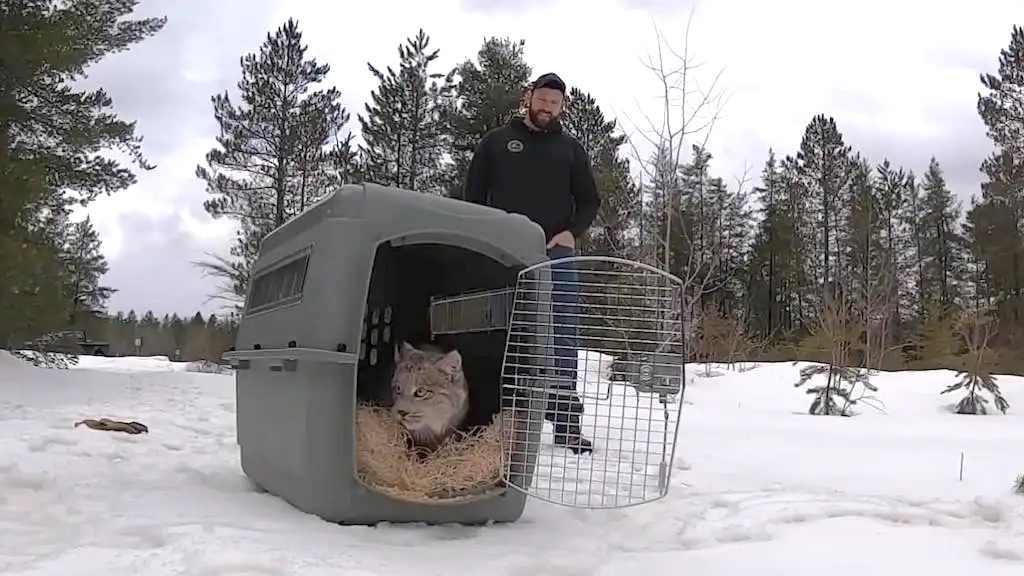
Imagine a majestic wolf, born in captivity, finally stepping onto the soil of its ancestral homeland. A hopeful image, right? But the reality of returning animals to the wild is far more complex than simply opening a cage and wishing them luck.
The process is fraught with challenges. Consider the animal that has lost its natural instincts, no longer knowing how to hunt or avoid predators. Think about the delicate balance of an ecosystem, potentially disrupted by the arrival of a new inhabitant. And what about the ethical questions surrounding human intervention in nature’s course? These are just a few of the hurdles facing conservationists and wildlife experts.
The central aim of reintroduction programs is to establish a viable, self-sustaining population of a species in an area where it has become locally extinct or significantly depleted. It's about restoring biodiversity, contributing to ecosystem health, and giving these animals a second chance at a life in the wild.
Reintroducing animals to the wild is a multifaceted challenge involving careful planning, extensive preparation, and ongoing monitoring. From addressing behavioral deficiencies and health concerns to navigating ecological complexities and ethical dilemmas, the success of these programs hinges on a deep understanding of both the animals and their environment. Ultimately, reintroduction aims to restore balance, enhance biodiversity, and provide a future for threatened species. Key words include: wildlife conservation, reintroduction programs, animal behavior, ecosystem restoration, biodiversity, ethical considerations.
The Importance of Pre-Release Training
I remember watching a documentary about a group of orangutans being prepared for release in Borneo. These weren't just any orangutans; they had all been rescued from illegal pet trades and had spent significant portions of their lives in human care. One young female, named Mawar, particularly struck me. She was clumsy, hesitant, and lacked the climbing skills necessary for survival in the rainforest. The dedicated team of conservationists worked tirelessly with Mawar and the other orangutans, teaching them essential skills like foraging for food, building nests, and recognizing danger. They used innovative methods, like simulating predator attacks to sharpen their awareness.
This pre-release training is absolutely vital. Animals raised in captivity often lack the knowledge and skills necessary to survive in the wild. They need to learn how to find food, build shelter, avoid predators, and interact with their own species. This training can take months, even years, and involves a variety of techniques tailored to the specific needs of the animal and the environment it will be released into. Think of it as a crash course in survival, designed to give them the best possible chance of success. Without this crucial step, the chances of reintroduction success plummet drastically. The orangutan's story perfectly illustrates the importance of pre-release training; it ensures the animal will adapt into the wild in an easier manner.
Understanding the Ecological Impact
The reintroduction of any species can have a ripple effect throughout the entire ecosystem. It's not simply a matter of adding an animal; it's about understanding how that animal will interact with its environment and the other species that live there. Will it compete with existing species for resources? Will it become prey for other animals? Will it alter the vegetation or soil composition? These are all critical questions that must be answered before a reintroduction program can proceed.
Careful ecological assessments are essential to identify potential risks and benefits. This involves studying the food web, analyzing habitat suitability, and modeling the potential impact of the reintroduced species on other populations. In some cases, it may be necessary to modify the environment to create a more favorable habitat for the reintroduced animals. This could involve restoring degraded areas, removing invasive species, or providing artificial feeding stations. The goal is to minimize the negative impacts and maximize the positive contributions of the reintroduction program to the overall health of the ecosystem. The program could have a strong impact, therefore the ecological impact of the program should be thoroughly analyzed.
The History and Myths of Reintroduction
The idea of reintroducing animals to the wild is not new. Throughout history, humans have attempted to relocate animals for various reasons, ranging from hunting and pest control to conservation and aesthetic purposes. However, many early reintroduction efforts were haphazard and lacked a scientific basis, often leading to unintended consequences. One common myth is that any animal can be successfully reintroduced to any environment. This ignores the complex ecological factors and behavioral adaptations that determine an animal's survival.
Another misconception is that reintroduction is a quick and easy fix for declining populations. In reality, it's a long-term process that requires sustained effort and resources. The success of reintroduction programs depends on careful planning, rigorous monitoring, and adaptive management. We must learn from past mistakes and embrace a more scientific and holistic approach to reintroduction. Today's approach ensures the best care for the animal, while respecting their natural habitat.
The Hidden Secrets to Successful Reintroduction
Beyond the scientific data and logistical planning, there are often hidden secrets that contribute to the success of reintroduction programs. One key element is community engagement. Local communities are often the most directly affected by reintroduction efforts, and their support is crucial for long-term sustainability. This can involve educating people about the benefits of reintroduction, providing opportunities for participation in monitoring and management, and addressing any concerns or conflicts that may arise. Another secret is adaptability. Reintroduction programs rarely go exactly as planned, and it's important to be flexible and adjust strategies as needed based on the observed outcomes.
This requires careful monitoring of the reintroduced animals, tracking their movements, health, and reproductive success. It also involves being willing to experiment with different approaches and learn from both successes and failures. The animal has to be protected, but also adapt into the wild by itself. So people must also adapt and learn throughout the process to ensure the animal's safety.
Recommendations for Reintroduction
Based on decades of experience and research, several key recommendations can improve the success of reintroduction programs. First and foremost, prioritize the well-being of the animals. This means providing adequate pre-release training, ensuring access to high-quality food and veterinary care, and minimizing stress during the capture, transport, and release process. Second, focus on habitat restoration and protection. Reintroduction efforts are unlikely to succeed if the animals are released into degraded or unsuitable environments. This may involve restoring native vegetation, controlling invasive species, and mitigating human disturbances.
Third, engage with local communities and stakeholders. Build partnerships with landowners, hunters, and other groups who may be affected by reintroduction efforts. Address their concerns, involve them in decision-making, and share the benefits of conservation. Fourth, conduct rigorous monitoring and evaluation. Track the reintroduced animals, assess their survival and reproduction rates, and measure the impact on the ecosystem. Use this information to adapt management strategies and improve future reintroduction efforts. Lastly, be patient and persistent. Reintroduction is a long-term process that requires sustained commitment and resources. This long-term program would have the greatest chance of reintroducing animal in the wild. It also ensures their safety and well-being.
The Role of Genetics in Reintroduction
Genetic diversity is essential for the long-term health and adaptability of any population, including those that are being reintroduced. When selecting animals for reintroduction, it's important to consider their genetic background and choose individuals that represent a wide range of genetic variation. This helps to avoid inbreeding and reduces the risk of genetic diseases. Genetic analysis can also be used to track the reintroduced animals and assess their reproductive success. By monitoring the genetic diversity of the population over time, conservationists can identify potential problems and take corrective action.
Furthermore, genetics plays a vital role in determining the suitability of a particular population for reintroduction to a specific location. If the population has been isolated for a long time, it may have adapted to local conditions and developed unique genetic traits. Reintroducing animals from a different region could disrupt these adaptations and reduce the population's chances of survival. Therefore, it's important to carefully consider the genetic compatibility of the source population and the reintroduction site. All this hard work ensures the survival of the animal, and would not cause any environmental issue.
Practical Tips for Supporting Reintroduction Efforts
Even if you're not a wildlife biologist or conservationist, there are many ways you can support reintroduction efforts. One of the most important things you can do is educate yourself about the challenges facing wildlife and the importance of conservation. Learn about the species that are being reintroduced in your area and the threats they face. You can also support organizations that are working to protect wildlife and restore habitats. Donate to their programs, volunteer your time, or participate in citizen science projects.
Another way to help is to reduce your impact on the environment. Practice sustainable living, conserve water and energy, and avoid using products that are harmful to wildlife. You can also support businesses that are committed to sustainability and ethical practices. By making informed choices and taking action, you can make a real difference in the lives of animals and the health of our planet. You may also volunteer in conservation organization; your work would make a great impact.
The Importance of Public Education and Awareness
Public education and awareness are essential for the success of reintroduction programs. Many people are unaware of the threats facing wildlife and the importance of conservation. By raising awareness, we can generate support for reintroduction efforts and encourage people to take action to protect wildlife. This can involve educating people about the benefits of reintroduction, dispelling myths and misconceptions, and providing opportunities for participation in conservation activities. Public education can take many forms, including school programs, community events, media campaigns, and online resources.
The goal is to reach a broad audience and inspire people to care about wildlife and the environment. Furthermore, public awareness can help to reduce human-wildlife conflict. By educating people about how to coexist with wildlife, we can minimize the risk of encounters and reduce the need for lethal control measures. This can involve teaching people how to avoid attracting wildlife to their homes, how to react safely if they encounter an animal, and how to report wildlife sightings to the appropriate authorities. By working together, we can create a more harmonious relationship between humans and wildlife. This would create a safe environment for both the human and wildlife.
Fun Facts About Animal Reintroduction
Did you know that the first documented animal reintroduction program took place in Yellowstone National Park in the 1990s, when wolves were reintroduced after being absent for nearly 70 years? Or that the California condor, once on the brink of extinction, was brought back from the edge through a captive breeding and reintroduction program? These are just a few of the fascinating stories behind animal reintroduction. Another fun fact is that some animals, like the black-footed ferret, are so dependent on specific habitats that reintroduction efforts require extensive habitat restoration to be successful.
The process of reintroduction can also be quite creative. For example, some conservationists use "soft release" techniques, where animals are gradually acclimated to their new environment in a protected enclosure before being fully released. This allows them to adjust to the local conditions and learn essential survival skills. Animal reintroduction is not only a scientific endeavor but also a testament to human ingenuity and dedication. The process is exciting, while protecting the animal.
How to Plan a Successful Animal Reintroduction
Planning a successful animal reintroduction program requires a systematic and thorough approach. Start by conducting a feasibility study to assess the biological, ecological, and social factors that could affect the program's success. This includes evaluating the suitability of the habitat, the availability of prey or food sources, the potential for human-wildlife conflict, and the support of local communities.
Next, develop a detailed reintroduction plan that outlines the goals of the program, the methods for selecting and preparing animals for release, the procedures for monitoring their progress, and the strategies for managing any potential problems. The plan should be based on the best available scientific data and should be reviewed and updated regularly. Involve experts from various disciplines, including wildlife biologists, ecologists, veterinarians, and social scientists, in the planning process. It also requires a strong plan to execute it properly.
What if Reintroduction Fails?
Despite the best efforts, not all reintroduction programs succeed. Sometimes, animals fail to adapt to their new environment, fall prey to predators, or succumb to disease. In other cases, human-wildlife conflict can lead to the removal or even death of reintroduced animals. When reintroduction fails, it's important to understand why and learn from the experience. This involves conducting a post-release evaluation to identify the factors that contributed to the failure.
It may be necessary to adjust the reintroduction plan, modify the habitat, or address human-wildlife conflict. In some cases, it may be necessary to remove the remaining animals and start over. Failure is not an option, we must re-evaluate the whole process to ensure the safety of the animals. It's important to remember that reintroduction is a complex and challenging endeavor, and that failure is a part of the learning process. By analyzing our mistakes and adapting our strategies, we can improve the chances of success in future reintroduction efforts.
Listicle of The Challenge of Reintroducing Animals to the Wild
Here's a listicle summarizing the key challenges in reintroducing animals to the wild:
1.Loss of Natural Instincts: Captive-bred animals often lack essential survival skills.
2.Habitat Suitability: Ensuring the reintroduction site provides adequate food, shelter, and safety.
3.Predator Awareness: Teaching animals to recognize and avoid predators.
4.Human-Wildlife Conflict: Managing potential conflicts between reintroduced animals and humans.
5.Genetic Diversity: Selecting animals with diverse genetic backgrounds to avoid inbreeding.
6.Disease Transmission: Preventing the spread of diseases between reintroduced animals and wild populations.
7.Community Engagement: Gaining the support of local communities.
8.Long-Term Monitoring: Tracking the progress of reintroduced animals and adapting management strategies as needed.
9.Funding and Resources: Securing adequate financial and human resources for reintroduction efforts.
10.Climate Change: Addressing the impacts of climate change on habitat availability and species survival. All the listed information is important to ensure the survival of the animals.
Question and Answer about The Challenge of Reintroducing Animals to the Wild
Q: What are the main factors that determine the success of an animal reintroduction program?
A: The success of a reintroduction program depends on a variety of factors, including the suitability of the habitat, the health and behavior of the animals, the level of community support, and the effectiveness of monitoring and management efforts.
Q: How do conservationists prepare animals for release into the wild?
A: Conservationists use a variety of techniques to prepare animals for release, including pre-release training, habitat acclimation, and predator avoidance training.
Q: What are the ethical considerations involved in animal reintroduction?
A: Ethical considerations include the potential impact on existing ecosystems, the welfare of the animals, and the rights of local communities.
Q: What can I do to support animal reintroduction efforts?
A: You can support reintroduction efforts by donating to conservation organizations, volunteering your time, and educating yourself and others about the importance of wildlife conservation.
Conclusion of The Challenge of Reintroducing Animals to the Wild
The journey of reintroducing animals back to their wild homes is a complex tapestry woven with threads of hope, science, and unwavering dedication. It's a constant learning process, demanding adaptability, thorough preparation, and a deep respect for the intricate balance of nature. While challenges abound, the potential rewards – a restored ecosystem, a thriving species, and a renewed sense of hope – make the effort undeniably worthwhile. By understanding the intricacies involved and supporting those on the front lines of conservation, we can all play a part in giving these animals a chance to reclaim their rightful place in the wild.
0 Response to "The Challenge of Reintroducing Animals to the Wild"
Post a Comment