Horses Can Feel Human Emotions – Here’s How
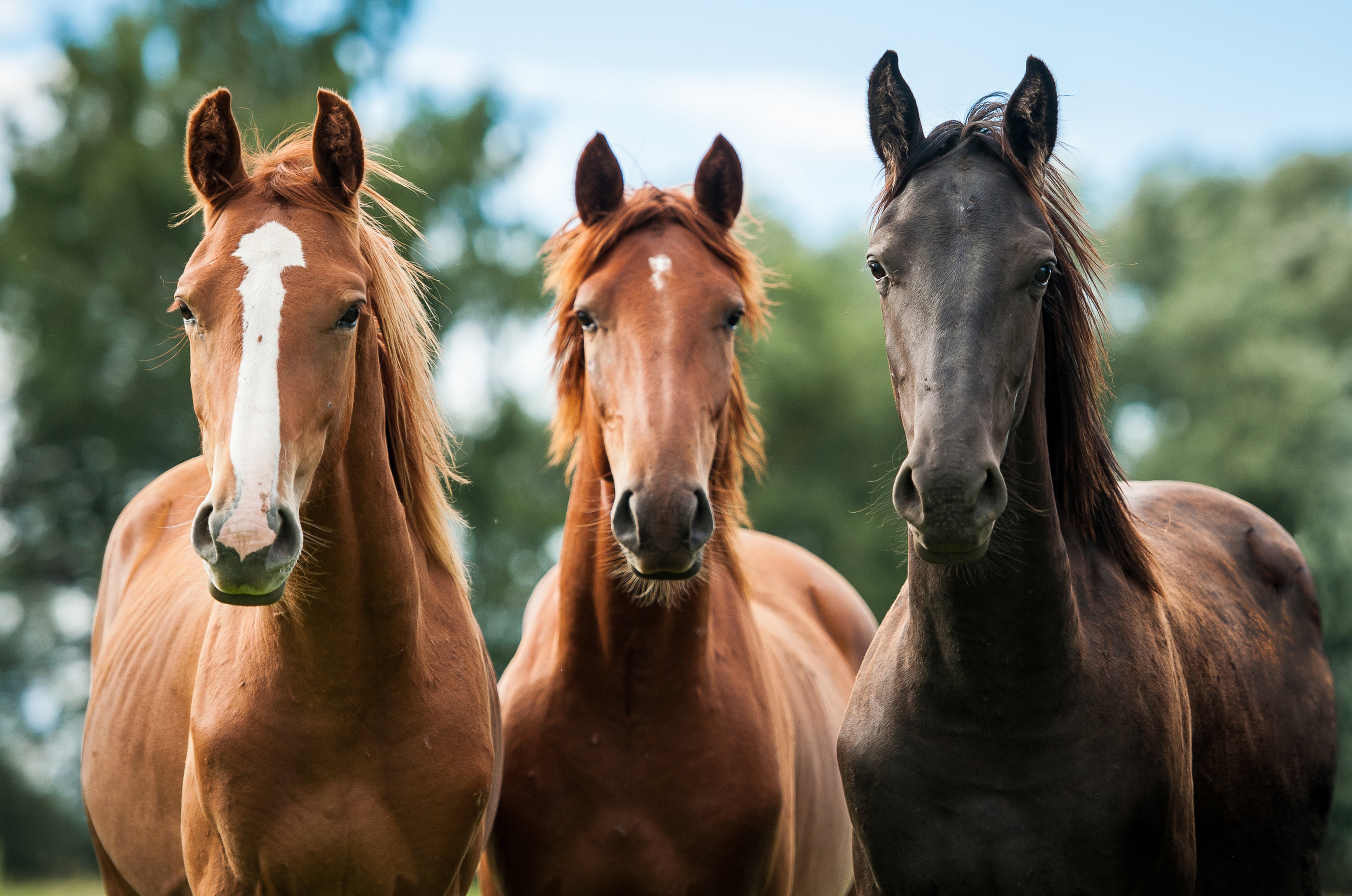
Have you ever looked into a horse's eyes and felt a connection, a sense that they understood more than just your commands? It's not just your imagination. For centuries, humans have partnered with horses, relying on them for labor, transportation, and companionship. But what if the bond we share with these magnificent creatures goes deeper than mere utility? What if they can actually feel what we feel?
Perhaps you've struggled to understand your horse's seemingly unpredictable behavior. Maybe you've felt frustrated by a lack of progress in training, or even guilty when your horse seems withdrawn or anxious. These feelings are valid, and they often stem from a disconnect in understanding. We often treat them as beasts of burden, not giving them the emotional credit they deserve.
This article delves into the fascinating world of equine emotions, exploring the scientific evidence that suggests horses are far more emotionally intelligent than we previously thought. We'll examine how their brains process emotions, how they communicate their feelings, and how understanding their emotional landscape can lead to a stronger, more fulfilling partnership.
We'll explore the scientific basis for equine emotions, examine how they communicate these feelings through subtle cues, delve into historical perspectives and myths surrounding horse emotions, uncover hidden aspects of their emotional lives, and provide practical recommendations for building a stronger connection with your horse. We'll also answer some frequently asked questions and offer actionable tips for improving your understanding of your horse's emotional state. Ultimately, you'll learn to foster a deeper, more empathetic relationship with these incredible animals, understanding their capacity for joy, sorrow, fear, and even love.
Decoding Equine Expressions: A Personal Journey
It wasn't until I experienced a profound connection with my mare, Willow, that I truly understood the depth of equine emotions. Willow was a rescue, initially skittish and distrustful. It took months of patient work, not just teaching her to accept a saddle, but learning to listen to her subtle cues – the flick of an ear, the softening of her eye, the slight tension in her muscles. I remember one particular day, I was feeling overwhelmed and anxious about a personal matter. As I groomed Willow, I noticed she became unusually still, her breathing mirroring my own. She rested her head against my shoulder, a gesture she rarely offered. It was as if she was offering comfort, sharing my burden. This moment sparked my curiosity and led me to delve deeper into the scientific research surrounding equine emotions. Studies have shown that horses possess mirror neurons, brain cells that fire both when they perform an action and when they observe another performing the same action. This neurological mechanism is believed to be the basis for empathy, allowing horses to understand and even share the feelings of others. Further research using heart rate variability and behavioral observations has demonstrated that horses can distinguish between positive and negative human emotions, responding differently to happy and angry faces. Understanding these emotional nuances allows us to better communicate with our horses, building trust and strengthening the bond between us.
The Science Behind the Feeling: How Horses Process Emotions
Horses aren't just reacting to stimuli; they're processing emotions in a way that's surprisingly similar to humans. Their brains contain a limbic system, the area responsible for processing emotions, memories, and drives. While the size and structure of the equine brain differ from our own, the fundamental mechanisms of emotional processing are remarkably similar. Scientists have identified specific neurotransmitters, such as dopamine and serotonin, that play a role in regulating equine mood and behavior. Studies have also shown that horses experience stress responses similar to those of humans, releasing cortisol in response to perceived threats. This stress response can manifest in various ways, from increased heart rate and respiration to changes in appetite and behavior. Furthermore, research on equine facial expressions has revealed a complex range of subtle cues that horses use to communicate their emotions to one another. These cues, often difficult for humans to detect, include changes in ear position, eye movements, and muscle tension around the muzzle. Learning to recognize these subtle signals can provide invaluable insights into your horse's emotional state, allowing you to respond appropriately and build a stronger connection. It's about moving beyond seeing them as just animals and recognizing them as sentient beings with a rich inner life.
Myth vs. Reality: Historical Perspectives on Equine Emotions
Throughout history, horses have held a complex and often contradictory place in human culture. In some cultures, they were revered as symbols of power, grace, and nobility, depicted in art and literature as intelligent and sensitive companions. In others, they were treated primarily as beasts of burden, their emotional needs largely ignored. Ancient myths and legends often portray horses as possessing supernatural abilities, including the ability to understand human speech and even predict the future. While these stories may be fanciful, they reflect a long-held belief in the inherent intelligence and sensitivity of horses. However, the scientific understanding of equine emotions has lagged behind these cultural perceptions. For centuries, horses were primarily studied from a purely utilitarian perspective, focusing on their physical capabilities and their suitability for work. It wasn't until relatively recently that researchers began to seriously investigate the emotional lives of horses, using scientific methods to explore their cognitive abilities and emotional responses. This shift in perspective has led to a greater appreciation for the complexity and depth of equine emotions, challenging long-held assumptions and paving the way for more humane and empathetic treatment of these magnificent animals. It requires a conscious effort to dismantle outdated ideas and embrace the scientific evidence.
Unlocking the Secrets: Hidden Aspects of Equine Emotional Life
Beyond the easily observable behaviors, horses possess a rich emotional landscape that often remains hidden from view. Their ability to form strong social bonds within a herd is a testament to their capacity for empathy and cooperation. Horses grieve the loss of companions, exhibiting signs of distress and mourning similar to those observed in humans. They also display complex social hierarchies, navigating intricate relationships with other horses in their herd. Understanding these social dynamics can provide valuable insights into your horse's behavior and emotional well-being. Furthermore, horses are highly sensitive to their environment, picking up on subtle cues that humans often miss. They can detect changes in weather patterns, sense impending danger, and even respond to the emotional states of other animals in their vicinity. This heightened sensitivity makes them particularly vulnerable to stress and anxiety, especially in unfamiliar or unpredictable situations. Creating a safe and predictable environment for your horse is crucial for promoting their emotional well-being. By paying attention to their subtle cues and providing them with the support they need, you can unlock the hidden secrets of their emotional lives and build a stronger, more fulfilling relationship.
Building a Better Bond: Recommendations for Emotional Connection
Developing a deeper emotional connection with your horse requires patience, empathy, and a willingness to learn. Start by paying close attention to your horse's body language, learning to recognize the subtle cues that indicate their emotional state. Observe their ear position, eye movements, and muscle tension, and try to understand what they are trying to communicate. Spend time simply being with your horse, without any agenda or expectation. Groom them gently, talk to them in a soothing voice, and allow them to relax and feel comfortable in your presence. Avoid using harsh or punitive training methods, as these can damage your horse's trust and create fear and anxiety. Instead, focus on positive reinforcement and building a relationship based on mutual respect and understanding. Consider incorporating activities that promote mental stimulation and enrichment, such as providing them with toys, offering them novel challenges, or allowing them to graze in a varied environment. This can help to reduce boredom and stress, improving their overall emotional well-being. Remember that every horse is an individual, with their own unique personality and emotional needs. Take the time to get to know your horse as an individual, and tailor your approach to their specific needs and preferences. By fostering a deeper emotional connection, you can transform your relationship with your horse into a truly rewarding and fulfilling partnership.
Understanding Equine Communication: Subtle Cues and Signals
One of the most crucial aspects of understanding equine emotions is learning to decipher their communication methods. Horses rely heavily on body language, using a complex array of subtle cues to convey their feelings and intentions. Ear position is a particularly important indicator of mood. Forward-facing ears typically indicate alertness and interest, while ears pinned back suggest fear, aggression, or discomfort. The eyes can also reveal a great deal about a horse's emotional state. A soft, relaxed eye indicates contentment, while a wide, staring eye may signal fear or anxiety. Muscle tension around the muzzle and jaw can also be a sign of stress or discomfort. Horses also communicate through vocalizations, such as whinnies, neighs, and snorts. Each of these sounds has a different meaning, conveying information about the horse's emotional state, location, or intentions. By paying close attention to these subtle cues and signals, you can gain a deeper understanding of your horse's emotional needs and respond accordingly. It's about learning to "speak horse," developing a two-way communication that fosters trust and strengthens your bond.
Practical Tips: Enhancing Your Horse's Emotional Well-being
Beyond understanding equine emotions, it's essential to implement practical strategies to enhance your horse's emotional well-being. This includes providing them with a safe and stimulating environment, ensuring they have access to adequate social interaction, and addressing any potential sources of stress or anxiety. Regular turnout in a pasture with other horses is crucial for promoting social interaction and reducing boredom. Horses are social animals, and they thrive on the companionship of their herd mates. Providing them with opportunities to graze, play, and groom each other can significantly improve their emotional well-being. Ensure that your horse's stable or paddock is clean, comfortable, and free from hazards. Providing them with soft bedding, adequate ventilation, and access to fresh water can help to reduce stress and promote relaxation. Avoid using harsh or aversive training methods, as these can create fear and anxiety. Instead, focus on positive reinforcement and building a relationship based on trust and respect. Be mindful of your own emotional state when interacting with your horse. Horses are highly sensitive to human emotions, and they can pick up on stress, anxiety, and anger. By remaining calm and patient, you can create a more positive and supportive environment for your horse.
Recognizing Signs of Stress: Early Intervention is Key
Early detection of stress is paramount in safeguarding your horse's emotional well-being. Subtle behavioral changes often precede more overt signs of distress. Keep an eye out for increased vigilance, a reluctance to engage in previously enjoyed activities, or changes in appetite. These could be early indicators of an underlying issue. Physically, a stressed horse might exhibit increased heart rate and respiration, muscle tension, or even digestive upset, such as loose stools. Recognizing these physical signs early allows for prompt intervention. The moment you observe these warning signals, carefully assess the potential causes of stress in your horse's environment. Have there been any recent changes in routine, herd dynamics, or management practices? Identifying the source of the stress is the first step towards alleviating it. Once you've pinpointed the potential cause, implement strategies to mitigate the stressor. This might involve adjusting your horse's routine, providing them with more social interaction, or addressing any underlying medical conditions. A consultation with a veterinarian or equine behaviorist can provide valuable insights and guidance in managing your horse's stress levels. Remember that proactive intervention is always more effective than reactive treatment. By recognizing the early signs of stress and addressing the underlying causes, you can prevent more serious emotional and behavioral problems from developing.
Fun Facts: Surprising Insights into Equine Emotions
Did you know that horses can recognize themselves in a mirror? This remarkable ability suggests a level of self-awareness previously thought to be exclusive to humans and a few other species. Studies have also shown that horses can learn to associate different symbols with different objects or concepts, demonstrating their capacity for abstract thought. Another fascinating fact is that horses communicate through a complex system of vocalizations, including whinnies, neighs, snorts, and squeals. Each of these sounds has a different meaning, conveying information about the horse's emotional state, location, or intentions. Horses also have a remarkable memory, often remembering past experiences and associating them with specific people, places, or situations. This can be both a blessing and a curse, as they may hold onto negative memories for a long time. Understanding these cognitive abilities and emotional nuances can help us to better appreciate the complexity and depth of the equine mind. It's about recognizing that horses are not just simple creatures, but intelligent and sensitive beings with a rich inner life.
How To: Build a Deeper Connection with Your Horse
Building a truly profound connection with your horse transcends basic care; it necessitates understanding their emotional language and tailoring your interactions accordingly. Start by cultivating a mindful presence during your time with your horse. Put away distractions and focus entirely on your horse, observing their body language, breathing, and overall demeanor. Regular grooming sessions offer an excellent opportunity to connect with your horse on a tactile level. Use gentle, deliberate strokes, paying attention to their preferences and avoiding areas of sensitivity. Training sessions should prioritize positive reinforcement and clear communication. Use rewards to encourage desired behaviors, and avoid punishment, which can damage your horse's trust and create anxiety. Incorporate activities that your horse genuinely enjoys into your routine. This could include leisurely trail rides, playful games, or simply spending quiet time together in the pasture. Be patient and understanding, recognizing that every horse learns and responds at their own pace. Celebrate small victories, and avoid pushing your horse beyond their comfort zone. By approaching your horse with empathy, respect, and a willingness to learn, you can build a deeper connection that transcends the typical human-animal bond. This approach requires conscious effort and awareness, but the rewards are immeasurable.
What If?: Ignoring Equine Emotions Has Consequences
What if we continue to disregard the emotional needs of horses? The consequences could be far-reaching, impacting not only the well-being of individual animals but also the overall health of the equine industry. Horses who are chronically stressed or anxious are more prone to developing physical ailments, such as ulcers, colic, and weakened immune systems. They may also exhibit behavioral problems, such as aggression, fearfulness, and difficulty in training. Ignoring equine emotions can also damage the human-animal bond, leading to a breakdown in communication and trust. This can make it difficult to manage and care for horses, increasing the risk of accidents and injuries. Furthermore, a lack of understanding of equine emotions can perpetuate negative stereotypes and misconceptions about horses, leading to inhumane treatment and neglect. Ultimately, recognizing and addressing the emotional needs of horses is not just a matter of compassion; it's also a matter of responsible animal stewardship. By prioritizing their emotional well-being, we can ensure that horses live happy, healthy, and fulfilling lives, and that the human-animal bond remains strong and mutually beneficial.
Listicle: 5 Ways to Show Your Horse You Care
Want to show your horse you truly care? Here are five actionable ways to deepen your bond and cater to their emotional well-being: 1.Spend Quality Time: Dedicate time solely for your horse, free from training or riding. Groom them, talk to them, or simply relax in their presence.
2.Engage in Enrichment: Combat boredom with toys, puzzle feeders, or varied grazing environments. Mental stimulation is key for emotional health.
3.Prioritize Positive Reinforcement: Ditch the harsh methods and embrace rewards-based training. Celebrate successes and build trust.
4.Listen to Their Body Language: Become fluent in "horse speak." Pay attention to ear position, eye expressions, and overall demeanor to understand their needs.
5.Create a Safe and Comfortable Environment: Ensure their living space is clean, spacious, and provides ample opportunity for social interaction with other horses. Implement these simple strategies, and you'll be well on your way to creating a more fulfilling and meaningful relationship with your equine companion.
Question and Answer about Horses Can Feel Human Emotions – Here’s How
Q: Can horses really understand my emotions?
A: Research suggests that horses possess mirror neurons and can distinguish between different human facial expressions, indicating an ability to perceive and potentially empathize with human emotions.
Q: How can I tell if my horse is stressed?
A: Look for subtle signs such as increased vigilance, muscle tension, changes in appetite, or digestive upset. Ear position and eye expression can also provide valuable clues.
Q: What can I do to reduce stress in my horse's environment?
A: Provide a safe and predictable environment, ensure adequate social interaction with other horses, and address any potential sources of fear or anxiety. Positive reinforcement training can also help to build confidence.
Q: Is it possible to build a stronger emotional connection with my horse?
A: Absolutely! By spending quality time with your horse, engaging in enrichment activities, and prioritizing positive reinforcement, you can foster a deeper and more meaningful bond.
Conclusion of Horses Can Feel Human Emotions – Here’s How
Understanding that horses can feel human emotions is more than just an interesting fact; it's a paradigm shift that can transform our relationships with these amazing animals. By recognizing their emotional complexity, we can move beyond treating them as mere tools and begin to appreciate them as sentient beings with their own unique thoughts, feelings, and experiences. This deeper understanding allows us to build stronger, more fulfilling partnerships based on mutual respect, empathy, and trust. Ultimately, acknowledging the emotional lives of horses is not only beneficial for their well-being but also enriches our own lives, deepening our connection to the natural world and fostering a greater sense of compassion for all living creatures.
0 Response to "Horses Can Feel Human Emotions – Here’s How"
Post a Comment