Endangered Animal Babies Born in Captivity
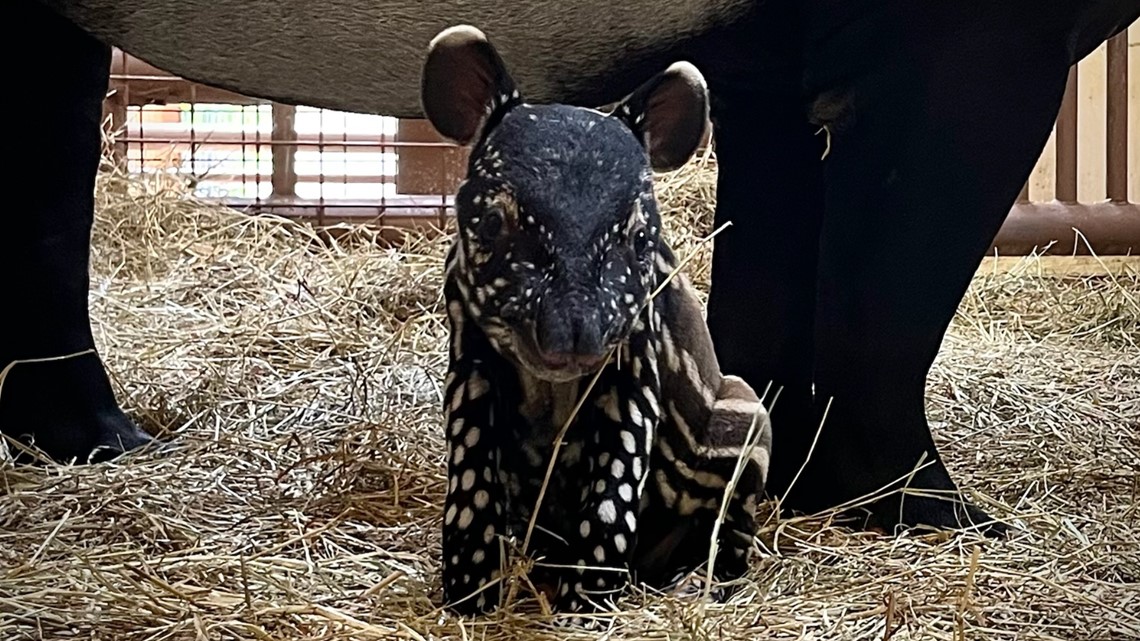
Imagine a tiny Amur leopard cub, eyes barely open, nestled safely beside its mother in a protected enclosure. Or a critically endangered Sumatran rhino calf, tentatively exploring its surroundings under the watchful eye of dedicated zookeepers. These heartwarming scenes represent hope, a chance for species teetering on the brink of extinction to rebuild their populations. The birth of endangered animal babies in captivity is a story of dedication, scientific innovation, and a powerful commitment to conservation.
The reality facing these magnificent creatures in the wild is harsh. Habitat loss, poaching, and climate change are relentless threats, pushing many species to the very edge. It's a constant uphill battle, with dwindling numbers and fragmented populations making it increasingly difficult for these animals to survive, let alone thrive. The future hangs in the balance, dependent on our actions.
That's where captive breeding programs come in. These programs provide a lifeline, offering a safe haven for endangered animals to reproduce and increase their numbers. The goal is to create a healthy and genetically diverse population that can eventually be reintroduced into the wild, bolstering existing populations and helping to restore ecosystems. It's a complex and challenging undertaking, but the potential rewards are immense.
This article will delve into the fascinating world of endangered animal babies born in captivity. We'll explore the vital role these programs play in conservation, the challenges they face, and the incredible stories of success that offer hope for the future. We will also touch upon the delicate balance between captive breeding and wild conservation efforts, including reintroduction strategies and genetic diversity. We'll discuss the importance of ethical considerations and the ongoing commitment to ensuring the well-being of these precious creatures. From the science behind successful breeding programs to the heartwarming moments of witnessing new life, we'll uncover the multifaceted world of saving endangered species, one baby at a time. Key terms: captive breeding, endangered species, conservation, reintroduction, genetic diversity, zoos, wildlife sanctuaries.
The Joy and Challenges of Nurturing New Life
I remember visiting the San Diego Zoo Safari Park as a child and being absolutely mesmerized by the clouded leopard cubs. They were tiny, playful bundles of energy, and I felt an immediate connection to them. It wasn't until years later that I understood the significance of their birth. Clouded leopards are a vulnerable species, and the cubs I saw were part of a carefully managed breeding program. Their existence represented a victory, a testament to the dedication of the zoo's staff and the importance of captive breeding. The challenge, however, lies in replicating the natural environment and social structures crucial for the animals' development. Ensuring proper maternal care, creating stimulating environments, and maintaining genetic diversity are constant concerns for those involved in these programs. The ultimate goal is to prepare these animals for a potential return to their natural habitat, which requires specialized training and careful planning. Seeing those cubs sparked a lifelong interest in conservation, and a deep appreciation for the work being done to protect endangered species.
What is Captive Breeding Really?
Captive breeding is more than just putting two animals together and hoping for the best. It's a complex science that involves careful planning, genetic analysis, and a deep understanding of the species' specific needs. Zoos and wildlife sanctuaries work collaboratively to manage populations and ensure that breeding pairs are genetically compatible, avoiding inbreeding and maximizing genetic diversity. The process often involves assisted reproductive technologies, such as artificial insemination and embryo transfer, to overcome challenges related to mate selection or infertility. The young animals are then raised in environments that mimic their natural habitats as closely as possible, with the goal of preparing them for potential reintroduction into the wild. This includes providing appropriate diets, social interactions, and opportunities to develop natural behaviors. Captive breeding is a crucial tool for preventing the extinction of endangered species, offering a lifeline for populations struggling to survive in the wild. The long-term success of these programs depends on ongoing research, collaboration, and a commitment to adapting strategies as our understanding of these animals evolves.
History and Myths Surrounding Captive Breeding
The concept of captive breeding isn't new; it dates back centuries, with examples found in royal menageries and private collections. However, the modern approach, focused on conservation and scientific management, emerged in the 20th century. One myth surrounding captive breeding is that it's a "quick fix" solution to extinction. In reality, it's a long-term, resource-intensive process that requires ongoing commitment and collaboration. Another misconception is that captive-bred animals can easily be released back into the wild. Reintroduction is a complex and challenging process, requiring careful preparation and monitoring. Animals need to learn essential survival skills, such as hunting or foraging, and adapt to the social dynamics of their wild counterparts. Furthermore, their new environment may have changed significantly since the species disappeared. Success is not guaranteed, and ongoing management is often necessary to ensure the long-term survival of reintroduced populations. The history of captive breeding is filled with both successes and failures, providing valuable lessons that continue to shape our approach to conservation today. Critically, we continue to learn and adapt, increasing the chances of survival for threatened species.
The Hidden Secrets to Successful Captive Breeding Programs
While many factors contribute to the success of captive breeding programs, some of the less obvious, "hidden" aspects are often crucial. One such secret is the importance of creating a stimulating and enriching environment. Boredom and stress can negatively impact breeding success, so zoos and sanctuaries go to great lengths to provide engaging activities and opportunities for natural behaviors. This can include puzzle feeders, climbing structures, and social enrichment with other animals. Another key factor is the ability to adapt and innovate. As our understanding of animal behavior and genetics evolves, captive breeding programs must be willing to adjust their strategies. This can involve incorporating new technologies, such as advanced genetic testing, or modifying enclosure designs to better meet the animals' needs. Furthermore, strong partnerships between zoos, research institutions, and local communities are essential for long-term success. Sharing knowledge and resources, and engaging local communities in conservation efforts, can significantly improve the chances of successful reintroduction and long-term sustainability. Ultimately, the hidden secret to successful captive breeding is a combination of scientific expertise, dedication, and a willingness to learn and adapt.
Recommendations for Supporting Captive Breeding Efforts
How can you help protect our precious animal population?
There are many ways to support captive breeding efforts and contribute to the conservation of endangered species. One of the most effective ways is to support accredited zoos and wildlife sanctuaries. These institutions play a vital role in captive breeding programs, research, and education. By visiting these facilities, donating to their conservation efforts, or even volunteering your time, you can make a real difference. Another important way to help is to advocate for policies that protect endangered species and their habitats. This can include supporting legislation that combats poaching, reduces deforestation, and mitigates the impacts of climate change. You can also make conscious consumer choices by avoiding products that contribute to habitat destruction or the exploitation of wildlife. Choosing sustainable products and supporting companies committed to conservation can have a positive impact. Finally, educating yourself and others about the importance of conservation is crucial. By spreading awareness and inspiring others to take action, you can help create a more sustainable future for endangered species and the planet as a whole. Every little bit counts, and together, we can make a difference.
Tips for Appreciating Endangered Animal Babies Born in Captivity
When visiting zoos or sanctuaries where endangered animal babies reside, approach your experience with respect and sensitivity. Remember that these animals are vulnerable and their well-being is paramount. Avoid making loud noises or sudden movements that could startle or stress them. Observe them from a distance, allowing them to interact naturally without feeling threatened. Learn about their species, their conservation status, and the specific challenges they face in the wild. This knowledge will deepen your appreciation for the work being done to protect them. Support the facility's conservation efforts by purchasing souvenirs or making a donation. The funds generated can help support captive breeding programs, research, and education. Encourage others to learn about endangered species and the importance of conservation. Share your photos and experiences on social media, using relevant hashtags to raise awareness. By being a responsible and informed visitor, you can contribute to the well-being of these animals and help inspire others to care about conservation.
The Role of Zoos in Captive Breeding
Modern zoos have evolved from mere collections of animals into vital centers for conservation. Accredited zoos play a crucial role in captive breeding programs, providing safe and stimulating environments for endangered species to reproduce. They employ experienced veterinarians, zoologists, and animal care specialists who are dedicated to the well-being of these animals. Zoos also conduct valuable research on animal behavior, genetics, and reproductive biology, which informs and improves captive breeding strategies. Furthermore, zoos serve as important educational resources, raising awareness about endangered species and the threats they face in the wild. By connecting people with animals, zoos inspire a sense of stewardship and encourage support for conservation efforts. The ethical considerations of keeping animals in captivity are carefully weighed, with a focus on providing enriching environments that promote natural behaviors and psychological well-being. Ultimately, zoos are committed to playing a leading role in the conservation of endangered species, ensuring that future generations can appreciate the diversity and beauty of the natural world.
Fun Facts About Endangered Animal Babies Born in Captivity
Did you know that some endangered animal babies require round-the-clock care from zookeepers, who act as surrogate parents? This is often the case when the mother is unable to care for her offspring due to illness or inexperience. These dedicated caregivers bottle-feed the babies, provide warmth and comfort, and even teach them basic survival skills. Another fascinating fact is that some species have very specific breeding requirements that must be met in order to ensure successful reproduction. For example, certain birds require specific nesting materials or social cues to stimulate mating. Zoos and sanctuaries go to great lengths to replicate these conditions in captivity. It's also amazing to learn about the genetic diversity within captive populations. Zoos use sophisticated genetic analysis to track the relatedness of individuals and ensure that breeding pairs are genetically compatible, minimizing the risk of inbreeding. These facts highlight the complexity and dedication involved in captive breeding programs, and the incredible efforts being made to protect endangered species.
How to Advocate for Endangered Species Born in Captivity
Advocating for endangered species born in captivity involves several key strategies. Start by educating yourself about the specific challenges these animals face, both in captivity and in the wild. Understand their conservation status, the threats to their habitat, and the role of captive breeding programs in their survival. Then, use your voice to raise awareness. Share information with your friends and family, write letters to your elected officials, and participate in online campaigns. Support organizations that are working to protect endangered species, whether through donations, volunteering, or simply spreading their message. Make conscious consumer choices by avoiding products that contribute to habitat destruction or the exploitation of wildlife. Choose sustainable products and support companies committed to conservation. Finally, visit accredited zoos and sanctuaries that are actively involved in captive breeding programs. By learning about their work and supporting their efforts, you can help ensure that these precious animals have a future.
What if Captive Breeding Programs Didn't Exist?
If captive breeding programs didn't exist, the consequences for many endangered species would be catastrophic. Without these programs, numerous species would likely face extinction in the wild, as their populations dwindle due to habitat loss, poaching, and climate change. Captive breeding provides a crucial safety net, allowing populations to be rebuilt in a controlled environment and potentially reintroduced into the wild. Without this intervention, the genetic diversity of these species would decline, making them more vulnerable to disease and environmental changes. Ecosystems would suffer as keystone species disappear, leading to cascading effects throughout the food web. The loss of these animals would also have a significant cultural and economic impact, as they are often important symbols and tourist attractions. Captive breeding is not a perfect solution, but it is a vital tool in the fight against extinction, offering hope for a future where these magnificent creatures can thrive once again.
Listicle: 5 Ways Endangered Animal Babies Born in Captivity are Helping the Planet
1.Boosting Genetic Diversity: Captive breeding programs carefully manage the genetics of their animals, ensuring healthy and diverse populations that are more resilient to disease and environmental changes.
2.Supporting Ecosystem Restoration: Reintroduction programs can help restore ecosystems by reintroducing keystone species that play a crucial role in maintaining ecological balance.
3.Inspiring Conservation Action: Seeing endangered animal babies in zoos and sanctuaries can inspire people to care about conservation and take action to protect these species in the wild.
4.Advancing Scientific Knowledge: Captive breeding programs provide opportunities for researchers to study animal behavior, genetics, and reproductive biology, which can inform conservation strategies in the wild.
5.Providing Educational Opportunities: Zoos and sanctuaries offer valuable educational programs that teach people about endangered species and the importance of conservation, fostering a sense of stewardship for the planet.
Question and Answer: Endangered Animal Babies Born in Captivity
Q: What are the biggest challenges faced by captive breeding programs?
A: Some of the biggest challenges include maintaining genetic diversity, replicating natural habitats, ensuring proper maternal care, and preparing animals for potential reintroduction into the wild.
Q: How do zoos and sanctuaries choose which animals to include in captive breeding programs?
A: The decision is based on a variety of factors, including the species' conservation status, the availability of resources, and the potential for successful breeding and reintroduction.
Q: What happens to the animals that are born in captivity?
A: Some animals remain in captivity for conservation breeding, while others are carefully prepared for reintroduction into the wild.
Q: What can I do to help support captive breeding efforts?
A: You can support accredited zoos and wildlife sanctuaries, advocate for policies that protect endangered species, make conscious consumer choices, and educate yourself and others about the importance of conservation.
Conclusion of Endangered Animal Babies Born in Captivity
The story of endangered animal babies born in captivity is a testament to human ingenuity, dedication, and compassion. While the challenges are significant, the successes offer hope for a future where these magnificent creatures can thrive once again. By supporting captive breeding programs, advocating for conservation policies, and making informed choices, we can all play a role in ensuring that future generations can appreciate the beauty and diversity of the natural world. The birth of each endangered animal baby represents a victory, a step towards preserving our planet's precious biodiversity.
0 Response to "Endangered Animal Babies Born in Captivity"
Post a Comment