Do Animals Lie?
Have you ever looked into the eyes of your pet and wondered if they were being entirely truthful? Maybe your dog has that "who, me?" look after tearing up the sofa, or your cat pretends to be starving despite just having a full bowl. The question of whether animals can actually lie is far more complex and fascinating than you might think.
Many of us struggle with the idea of deception. It challenges our understanding of the natural world and how creatures interact. We often project human qualities onto animals, leading to misunderstandings about their behavior and motivations. Is it fair to judge them by human standards of truth and falsehood? And what does it even mean for an animal to "lie" in the first place?
This article explores the intricate world of animal behavior to determine if animals truly engage in deception, or if their actions are driven by something else entirely. We'll delve into the science behind animal communication, examine examples of seemingly dishonest behavior, and consider the evolutionary implications of such strategies.
Ultimately, the question of whether animals lie is not a simple yes or no. It depends on how we define "lying" and what cognitive abilities are required for intentional deception. By exploring the evidence, we can gain a deeper understanding of the animal kingdom and the complexities of communication, intelligence, and survival strategies. Key terms to consider include animal cognition, deception, mimicry, communication, and evolutionary advantages.
The Case of the Vain Viceroys
The question of whether animals lie isn’t merely academic; it's something I've personally pondered while observing my own pets. I remember one time when our family dog, Buster, feigned a limp after a particularly boisterous play session. He milked that limp for all it was worth, garnering extra attention and sympathy. Initially, we were concerned, rushing him to the vet only to be told he was perfectly fine. Was Buster deliberately deceiving us for cuddles and treats? At the time, it seemed so. We attributed human-like motivations to his actions. However, perhaps his 'lie' was an instinctive attempt to secure resources and care when he felt vulnerable.
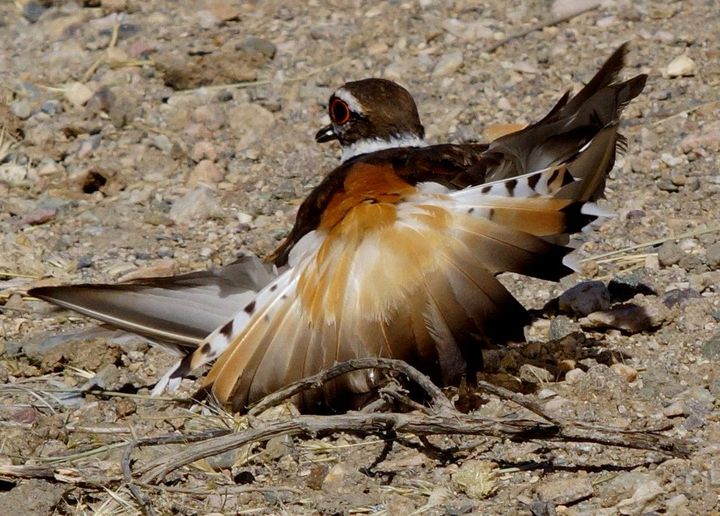
Going deeper, understanding "lying" in animals requires us to look beyond the human definition. We often associate lying with a conscious intent to mislead, requiring advanced cognitive abilities like understanding another individual's mental state and intentionally creating a false belief. For example, a bird might feign a broken wing to lure a predator away from its nest. Is this a deliberate lie? Or is it an instinctive behavioral adaptation evolved to increase the chances of survival for its offspring? This is where the nuances of animal behavior come into play. Mimicry, another form of apparent deception, sees one animal resembling another for protection or hunting advantages. These are strategies shaped by natural selection, not necessarily acts of conscious deception. Observing such behaviors, it becomes clear that what looks like a lie may be a finely tuned survival mechanism honed over generations.
Defining Deception in the Animal Kingdom
So, what exactly constitutes "lying" in the animal kingdom? It's not as simple as equating it to human deception. For us, lying usually involves a conscious intent to mislead someone, often using language. But animals, even those with complex communication systems, don't possess the same kind of language abilities. Therefore, we need a broader definition.
In the context of animal behavior, deception can be defined as any action or signal that leads another animal to believe something that is not true, ultimately benefiting the deceiver. This could range from physical displays like playing dead to vocalizations that mimic another species. The key is that the deceiving animal gains an advantage, whether it's avoiding predation, securing food, or attracting a mate. However, the question remains: is this deception intentional, or is it simply an instinctive response? Some researchers argue that true deception requires the deceiver to understand that they are creating a false belief in another animal's mind. This "theory of mind" is a complex cognitive ability that may be present in some primates and other highly intelligent species, but it's likely absent in many others. Therefore, while animals may engage in behaviors that appear deceptive, it's often difficult to determine the underlying motivations and cognitive processes involved.
Historical Perspectives on Animal Deception
The idea that animals might engage in deceptive behaviors has been around for centuries, often appearing in folklore and mythology. In many cultures, animals are portrayed as cunning tricksters, outsmarting both humans and other creatures. Think of the fox in Aesop's fables, constantly using its wit and guile to get what it wants. These stories reflect a human tendency to project our own understanding of deception onto the animal world.
However, scientific inquiry into animal deception is a more recent phenomenon. Early ethologists, like Konrad Lorenz and Niko Tinbergen, focused primarily on instinctive behaviors, largely ignoring the possibility of intentional deception. It wasn't until the latter half of the 20th century that researchers began to seriously consider the possibility that animals might be capable of more complex cognitive strategies. One of the first documented examples of potential deception in animals came from studies of primates. Researchers observed chimpanzees using alarm calls to distract rivals and gain access to food. These observations sparked a debate about the cognitive abilities required for such behaviors and whether they could truly be considered acts of intentional deception. As our understanding of animal behavior has grown, so has our appreciation for the subtle and complex ways in which animals interact, communicate, and, perhaps, even deceive one another.
Unveiling the Secrets of Animal "Lies"
The "secrets" of animal deception lie in understanding the evolutionary pressures that have shaped their behavior. In a world where survival depends on outsmarting predators, securing food, and attracting mates, deception can be a powerful tool. But what are the underlying mechanisms that drive these seemingly deceptive behaviors?
One key aspect is the concept of evolutionary game theory. This framework helps us understand how deceptive strategies can evolve and persist in a population. If a deceptive behavior provides a significant advantage, it can spread through the population over time, even if it's not based on conscious intent. For example, consider a species of butterfly that mimics the coloration of a poisonous butterfly. This mimicry provides protection from predators, even if the mimicking butterfly has no understanding of why it works. Another important factor is the role of learning and experience. While some deceptive behaviors may be largely instinctive, others may be learned through observation and interaction with other animals. Young animals may learn to deceive by watching their parents or other members of their social group. By studying these different aspects of animal behavior, we can begin to unravel the mysteries of animal deception and gain a deeper appreciation for the complex strategies that animals use to survive and thrive in their environments.
Recommendations for Further Exploration
If you're intrigued by the question of whether animals lie, there are many resources available to further explore this fascinating topic. Start by researching the work of primatologists like Frans de Waal, who has extensively studied the social behavior of chimpanzees and other primates. His books offer valuable insights into the complexities of animal communication and cognition.
Another excellent resource is the field of animal cognition research. This interdisciplinary field combines biology, psychology, and neuroscience to study the mental abilities of animals. Look for studies that investigate the cognitive abilities required for deception, such as theory of mind, self-awareness, and planning. You can also explore documentaries and nature programs that showcase examples of animal behavior that might be considered deceptive. These programs often provide stunning visuals and expert commentary that can help you better understand the nuances of animal communication and social interactions. Finally, don't be afraid to observe animals in your own backyard or local park. Pay attention to their behaviors and interactions, and try to interpret them from a scientific perspective. By combining research with your own observations, you can gain a deeper understanding of the fascinating world of animal deception.
Delving Deeper into Specific Examples
Let's delve deeper into some specific examples of animal behavior that might be considered deceptive. One classic example is the behavior of the anglerfish. This deep-sea fish has a bioluminescent lure that it uses to attract unsuspecting prey. The lure dangles in front of the anglerfish's mouth, enticing smaller fish to come closer. When the prey gets close enough, the anglerfish quickly snaps them up. Is this deception? The anglerfish is certainly creating a false expectation in the mind of its prey, leading them to believe that the lure is a harmless meal. However, it's unlikely that the anglerfish is consciously trying to deceive its prey. The lure is simply an adaptation that has evolved to increase its chances of catching food.
Another example is the behavior of some bird species that feign injury to distract predators from their nests. The bird might limp or act as if its wing is broken, luring the predator away from its vulnerable chicks. This behavior is more complex than the anglerfish's lure, as it requires the bird to recognize the presence of a predator and to understand that the predator is interested in its nest. However, it's still not clear whether the bird is consciously trying to deceive the predator or whether it's simply acting on instinct. These examples highlight the difficulty of determining whether animal behavior is truly deceptive. While some behaviors may appear to be intentional acts of deception, they could also be the result of instinctive responses or learned associations.
Tips for Interpreting Animal Behavior
Interpreting animal behavior can be tricky, especially when trying to determine whether an animal is being deceptive. Here are some tips to keep in mind when observing animals and trying to understand their motivations:
First, avoid anthropomorphism. It's tempting to project human qualities onto animals, but this can lead to misunderstandings. Remember that animals have their own unique ways of perceiving the world and their own motivations for acting. Second, consider the context. The meaning of a particular behavior can vary depending on the situation. For example, a dog that rolls over and exposes its belly might be showing submission, but it could also be asking for a belly rub. Third, look for patterns. A single instance of a particular behavior might be misleading, but if you observe the same behavior repeatedly, it's more likely to be significant. Fourth, be aware of your own biases. We all have our own preconceived notions about animal behavior, and these biases can influence how we interpret what we see. Finally, consult with experts. If you're unsure about the meaning of a particular behavior, don't hesitate to seek advice from a veterinarian, animal behaviorist, or other qualified professional.
The Importance of Context
The importance of context cannot be overstated when interpreting animal behavior. The same action can have drastically different meanings depending on the surrounding circumstances. For instance, a dog baring its teeth could be a sign of aggression, indicating a threat or warning. However, in a playful context, a similar display could be part of a play bow, inviting interaction and fun. Similarly, a cat might rub against your legs as a sign of affection and marking territory, or it could be a subtle plea for food, especially if it's near its empty bowl.
Understanding the social dynamics and environmental cues is crucial for accurate interpretation. Is the animal interacting with a member of its own species, a different species, or is it alone? What resources are available, and is there competition for them? Are there any potential threats present? By considering these factors, we can avoid making assumptions based on our own human perspectives and gain a more objective understanding of the animal's behavior. This contextual awareness is especially important when trying to decipher whether an animal is engaging in deceptive behavior. What might appear as a deliberate attempt to mislead could simply be a response to a specific environmental trigger or social dynamic.
Fun Facts About Animal "Lies"
Did you know that some animals use mimicry to deceive their predators? For example, the viceroy butterfly mimics the appearance of the monarch butterfly, which is poisonous to many birds. By looking like a monarch, the viceroy avoids being eaten. Another fun fact is that some animals use camouflage to hide from their prey. The chameleon, for instance, can change its skin color to blend in with its surroundings, making it nearly invisible to unsuspecting insects.
Here's another interesting tidbit: some animals use alarm calls to deceive other members of their own species. For example, a bird might emit a false alarm call to scare away rivals from a food source. This behavior is known as deceptive signaling. And finally, did you know that some animals play dead to avoid predators? The opossum is famous for this behavior. When threatened, it will feign death, often accompanied by drooling and a foul odor, to convince the predator that it's not worth eating. These fun facts highlight the diverse and ingenious ways in which animals use deception to survive and thrive in their environments.
How Animals "Lie": The Methods
While we've explored the question of whether animalscanlie, it's also important to considerhowthey might go about doing it. Their methods, of course, are different from ours, lacking the complex language and abstract thought processes that underpin human deception. Instead, they rely on a combination of instinct, learning, and behavioral adaptations.
Mimicry, as mentioned earlier, is a key tool in the animal deception arsenal. This involves imitating the appearance, sound, or behavior of another animal to gain an advantage. Camouflage is another form of deception, allowing animals to blend seamlessly into their surroundings, either to ambush prey or to avoid detection by predators. Behavioral deception, such as feigning injury or emitting false alarm calls, is also common. These actions create a false impression in the mind of another animal, leading them to act in a way that benefits the deceiver. Ultimately, the methods that animals use to "lie" are as diverse and varied as the animal kingdom itself, reflecting the constant evolutionary arms race between predators and prey, competitors and collaborators. They are honed and refined over generations, driven by the relentless pressure to survive and reproduce.
What if Animals Lie? Implications and Considerations
The implications of animals lying, if we accept that they do, extend far beyond simple curiosity. It forces us to reconsider our understanding of animal cognition, communication, and social behavior. If animals are capable of deception, even in its simplest form, it suggests that they possess a level of cognitive complexity that we may have underestimated. It also raises questions about the ethical treatment of animals. If animals are capable of intentionality and planning, should we afford them greater moral consideration?
Moreover, the study of animal deception can provide valuable insights into the evolution of human deception. By understanding how deceptive strategies have evolved in other species, we can gain a better understanding of the origins and functions of deception in our own species. This could have implications for fields ranging from psychology to criminology. Finally, the question of whether animals lie highlights the importance of critical thinking and careful observation when studying animal behavior. It reminds us that we should be wary of anthropomorphism and that we should strive to interpret animal behavior from a scientific perspective, rather than projecting our own human biases onto the animal world.
A Listicle of "Lies" in the Animal Kingdom
Here's a quick listicle highlighting some fascinating examples of "lies" in the animal kingdom:
- The Anglerfish: Uses a bioluminescent lure to attract unsuspecting prey.
- The Viceroy Butterfly: Mimics the poisonous Monarch to avoid predation.
- Birds Feigning Injury: Lure predators away from their nests by acting injured.
- Opossums Playing Dead: Avoid predators by feigning death.
- Orchid Mimicry: Some orchids mimic the appearance of female insects to attract pollinators.
- Alarm Call Deception: Animals use false alarm calls to steal food or mates.
- Camouflage Masters: Chameleons and octopuses change color to blend in with their surroundings.
- Ant-Mimicking Spiders: Spiders mimic ants to avoid predation or hunt ants.
- Cuckoo Birds: Lay their eggs in other birds' nests, deceiving them into raising their young.
- Fireflies Impersonating Signals: Some female fireflies mimic the mating signals of other species to lure and eat males.
These examples illustrate the incredible diversity and ingenuity of deceptive strategies in the animal kingdom, highlighting the complex interplay between evolution, behavior, and communication.
Question and Answer: Animal Deception
Q1: Do all animals lie?
A1: No, not all animals engage in deceptive behaviors. It depends on the species, the environment, and the evolutionary pressures they face. Some species rely more on cooperation and honesty, while others have evolved sophisticated deceptive strategies.
Q2: Is animal deception always intentional?
A2: That's a difficult question to answer definitively. It's likely that some deceptive behaviors are intentional, requiring a degree of cognitive complexity, while others are simply instinctive responses or learned associations. It's hard to know for sure what's going on in an animal's mind.
Q3: What's the difference between mimicry and deception?
A3: Mimicry is a form of deception, but not all deception involves mimicry. Mimicry is a specific type of deception where one animal resembles another animal or object to gain an advantage. Deception, on the other hand, can encompass a wider range of behaviors, including feigning injury, emitting false alarm calls, and using camouflage.
Q4: Can my pet lie to me?
A4: While your pet might engage in behaviors that appear deceptive, it's unlikely that they are intentionally trying to deceive you in the same way that a human would. Their actions are more likely driven by instinct, learned associations, or a desire to get your attention or affection.
Conclusion of Do Animals Lie?
The question of whether animals lie is a captivating exploration into the complexities of animal behavior and cognition. While we can't definitively answer "yes" or "no" in all cases, we've uncovered compelling evidence that animals engage in behaviors that can be classified as deceptive. These behaviors, driven by evolutionary pressures and honed through instinct and learning, serve vital functions in survival and reproduction. By studying animal deception, we gain a deeper appreciation for the intelligence and adaptability of the animal kingdom, and we challenge our own assumptions about the nature of communication, intention, and truth.
0 Response to "Do Animals Lie?"
Post a Comment