Cat Solves Puzzle Toys Like a Pro
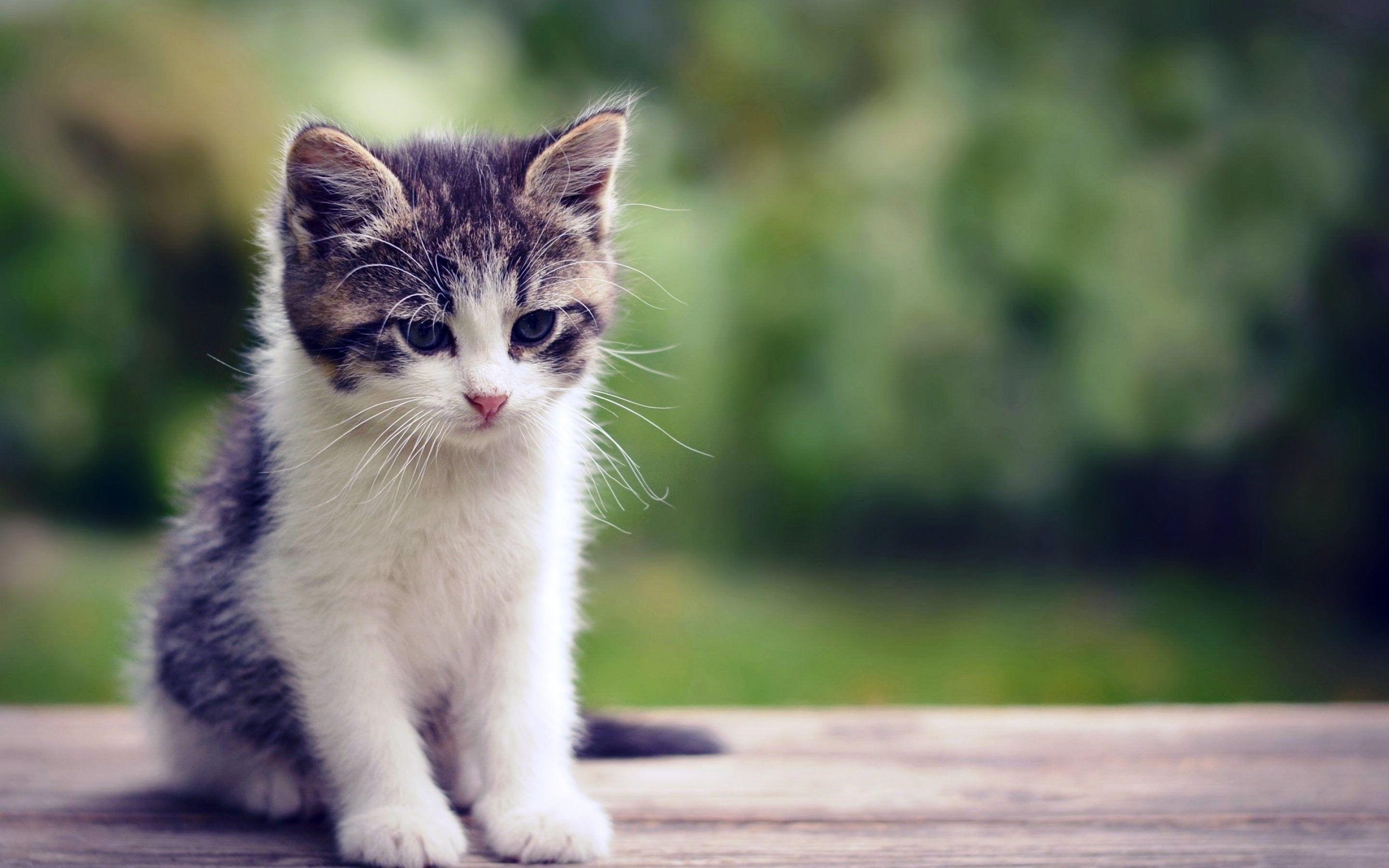
Ever watched your cat stare blankly at a toy, seemingly uninterested, and wondered if they were secretly plotting world domination instead of playing? What if I told you there's a way to unlock their inner genius and transform them into puzzle-solving pros?
It's disheartening when our feline friends seem bored with the same old toys. We want to enrich their lives, stimulate their minds, and prevent them from turning to our furniture as their next scratching post. Finding activities that truly engage them can feel like an impossible task, leading to frustration for both us and our furry companions.
This article is your guide to unlocking your cat's potential for puzzle-solving fun! We'll delve into the world of cat puzzle toys, exploring how they work, the benefits they offer, and how to choose the right ones for your clever kitty. Get ready to witness your cat's impressive problem-solving skills blossom!
Ultimately, enriching your cat's life with puzzle toys is a fantastic way to provide mental stimulation, combat boredom, and strengthen your bond. We'll explore the history, benefits, and secrets to successfully introducing these engaging toys, ensuring your cat becomes a true puzzle-solving pro. By understanding your cat's individual preferences and learning style, you can create a rewarding and entertaining experience that keeps them happy and engaged for hours. This journey is all about fostering a fulfilling relationship with your cat through enriching playtime and mental engagement.
Understanding Cat Puzzle Toys
My own cat, Whiskers, initially seemed completely baffled by the first puzzle toy I introduced. He sniffed it suspiciously, batted it a few times, and then retreated to his favorite napping spot, seemingly unimpressed. I almost gave up, assuming he just wasn't interested. However, I decided to try a different approach. I started with a very simple puzzle, one where the treats were easily accessible. I showed him how the mechanism worked, gently guiding his paw to slide a panel and reveal the hidden reward. The look of dawning comprehension on his face was priceless! From that moment on, he was hooked. Now, he eagerly anticipates puzzle time and tackles even the most challenging toys with gusto. It taught me that patience and understanding are key. Every cat learns at their own pace, and starting with easier puzzles is crucial for building confidence and encouraging them to keep trying. Just like us, they need that initial success to fuel their motivation and spark their interest in the challenge.
Cat puzzle toys are designed to engage a cat's natural instincts and problem-solving abilities. They typically involve hidden compartments or mechanisms that the cat must manipulate to access a reward, usually a tasty treat or a portion of their food. These toys come in a variety of shapes, sizes, and difficulty levels, catering to different feline personalities and skill sets. Some puzzles require cats to slide panels, flip lids, or rotate sections to reveal the hidden goodies. The key is to encourage them to use their paws, noses, and problem-solving skills to work for their reward. This not only provides mental stimulation but also slows down their eating, which can be beneficial for cats who tend to gulp down their food too quickly. By making mealtime more interactive and engaging, puzzle toys can help prevent boredom, reduce anxiety, and promote overall well-being in your feline companions. The variety available ensures there's a puzzle out there perfect for your cat's specific needs and abilities.
The History and Evolution of Cat Puzzle Toys
The concept of engaging animals with puzzles and enrichment tools has roots that extend far back, initially focusing on captive animals in zoos and sanctuaries. The goal was to replicate some of the challenges they would face in the wild, preventing boredom and promoting natural behaviors. Over time, the benefits of enrichment became clear, and the idea started to trickle down into the pet toy industry. Early cat toys were fairly simple, often just variations on balls, mice, and scratching posts. The notion of a specifically designed puzzle toy for cats is a relatively recent development, gaining popularity in the last few decades as pet owners became more aware of the importance of mental stimulation for their furry friends. The modern cat puzzle toy industry owes a debt to the research and experimentation done in the field of animal behavior. By studying how cats learn, explore, and problem-solve, designers have been able to create increasingly sophisticated and engaging puzzles that cater to their natural instincts. Today, you can find a vast array of options, from basic treat dispensers to complex multi-step puzzles that require a high level of cognitive function. The evolution is a testament to our growing understanding of feline intelligence and the desire to provide them with enriching and stimulating lives.
Unveiling the Hidden Secrets of Cat Puzzle Toys
The most significant secret behind the effectiveness of cat puzzle toys lies in their ability to tap into a cat's natural hunting instincts. In the wild, cats spend a significant portion of their day searching for food, using their intelligence and physical abilities to stalk, chase, and capture their prey. Puzzle toys simulate this hunting process in a safe and controlled environment. By requiring cats to work for their food, these toys provide a sense of accomplishment and satisfaction that is often lacking in a typical domestic setting. Another key secret is the element of surprise and novelty. Cats are naturally curious creatures, and they thrive on new experiences. Puzzle toys offer a constantly changing challenge, keeping them engaged and preventing boredom. The ever-present promise of a tasty reward also plays a crucial role in motivating them to keep trying, even when faced with a difficult puzzle. Finally, the interaction with puzzle toys strengthens the bond between cats and their owners. When you introduce a new puzzle, provide encouragement, and celebrate their successes, you are building a positive association with playtime and reinforcing their problem-solving skills.
Recommended Cat Puzzle Toys
When choosing a cat puzzle toy, start with something simple. The Trixie Mad Scientist Turn Around is great. It’s designed so your cat has to turn the containers upside down to release the treats. My cat loves this one, and I think he loves the sounds it makes too! It is inexpensive and really easy for your cat to use. If your cat is food motivated, you may want to try the Catit Senses 2.0 Food Tree. It has different levels of difficulty, and your cat has to push the food down through the different tiers. This one keeps my cats busy for a while, and it gives them exercise too! If you’re looking for more of a challenge for your cat, try the Nina Ottosson Buggin' Out Puzzle Game. There are several different bugs that you can hide treats under. Your cat will have to slide and lift the bugs to get to the food. These toys are all great options, but the best choice depends on your cat's personality and skill level. Observe how your cat interacts with toys in general, and choose a puzzle that aligns with their natural instincts and preferences. Remember, the goal is to provide a fun and rewarding experience, so start slow, offer encouragement, and celebrate their successes!
More Detail on Puzzle Toys
Let's dive into the specifics of choosing the right puzzle toy for your feline friend. First, consider your cat's personality. Is your cat a cautious observer or an adventurous explorer? If your cat is easily intimidated, start with a simple puzzle that requires minimal effort. A puzzle with easily accessible treats will boost their confidence and encourage them to try again. For more outgoing and playful cats, you can choose a more challenging puzzle that requires them to use their paws, noses, and problem-solving skills. Pay attention to the materials the toy is made of. Opt for durable, non-toxic materials that can withstand your cat's claws and teeth. Avoid toys with small, detachable parts that could be a choking hazard. Read reviews and choose toys that have been tested for safety and durability. The goal is to provide a safe and enriching experience for your cat, so do your research and choose wisely. Another important factor to consider is the size and shape of the puzzle. Choose a puzzle that is appropriate for your cat's size and dexterity. A puzzle that is too small or too large can be frustrating and discourage them from playing.
Tips and Tricks for Cat Puzzle Toy Success
Introducing puzzle toys to your cat requires patience and understanding. Don't expect them to immediately understand how the puzzle works. Start by demonstrating the puzzle yourself, showing them how to manipulate the mechanisms and access the treats. Use positive reinforcement, such as praise and encouragement, to reward them when they make progress. If your cat seems frustrated, don't force them to play. Take a break and try again later. Remember, the goal is to make playtime fun and rewarding, not stressful. Another helpful tip is to vary the treats you use in the puzzle. Experiment with different flavors and textures to keep your cat interested. You can also use a portion of their regular food in the puzzle, making mealtime more interactive and engaging. Varying the type of food is helpful to make the puzzle more exciting. Consider starting with high value treats to catch their attention and then switch to regular food. Finally, rotate the puzzle toys regularly to prevent boredom. Introducing new puzzles or reintroducing old ones can keep your cat engaged and challenged.
Step-by-Step Introduction
To ensure a successful introduction, follow these steps: Start by letting your cat sniff and explore the new puzzle toy. Place it on the floor and allow them to investigate it at their own pace. Next, add a few treats to the puzzle, making them easily accessible. Let your cat discover the treats on their own. Once your cat is comfortable with the puzzle, start showing them how the mechanisms work. Gently guide their paw to slide a panel or flip a lid. Reward them with praise and encouragement when they successfully retrieve a treat. Gradually increase the difficulty of the puzzle as your cat becomes more proficient. You can also vary the placement of the treats to keep them challenged. Be patient and persistent, and remember to celebrate their successes along the way. If your cat doesn't get it right away, don't get discouraged. Come back to the puzzle later and try again. With patience, your cat will eventually solve it. Remember to choose high value treats that your cat loves. Don't get a puzzle that is too complex. Start with easy puzzles and graduate to more difficult ones. Make sure the puzzle is appropriate for your cat's size and physical ability.
Fun Facts About Cat Puzzle Toys
Did you know that some cats can solve puzzle toys in a matter of minutes? These feline geniuses can quickly figure out how the mechanisms work and efficiently retrieve the treats. Some puzzle toys are designed to mimic the hunting behaviors of cats in the wild. These toys often involve chasing, stalking, and pouncing, providing a stimulating and engaging experience. Puzzle toys can help prevent behavioral problems in cats, such as destructive scratching and excessive meowing. By providing mental stimulation and physical activity, these toys can reduce boredom and anxiety. Puzzle toys can also strengthen the bond between cats and their owners. By playing with your cat and encouraging them to solve puzzles, you are building a positive relationship and fostering trust. Another interesting fact is that puzzle toys can help cats lose weight. By making mealtime more interactive and engaging, these toys can slow down their eating and prevent them from overeating. This is especially beneficial for cats who are overweight or prone to weight gain. Finally, puzzle toys come in a wide variety of shapes, sizes, and difficulty levels, so there is a puzzle out there for every cat.
How to Choose the Right Puzzle Toy for Your Cat
Selecting the perfect puzzle toy is essential for success. Consider your cat's personality, age, and physical abilities. If your cat is shy, opt for a simple puzzle with easily accessible treats. A younger cat might enjoy a more challenging toy that requires more physical activity, while an older cat might need a puzzle that is easier on their joints. Also, consider your cat's preferred type of treat. If your cat is a fan of crunchy treats, choose a puzzle that dispenses them easily. If your cat prefers soft treats, opt for a puzzle that allows them to lick or paw out the treats. Read reviews and ask for recommendations from other cat owners. It’s helpful to see what other cats have responded to. Choose toys made from durable, non-toxic materials. A toy that falls apart quickly is a waste of money and a potential hazard for your cat. It’s also helpful to choose a puzzle toy that is easy to clean. Nobody wants to spend hours cleaning a complicated puzzle toy! Look for toys that are dishwasher-safe or easy to wipe down. Remember, the goal is to provide a fun and rewarding experience for your cat.
What if Your Cat Doesn't Like Puzzle Toys?
Sometimes, despite your best efforts, your cat might simply not be interested in puzzle toys. Don't despair! It doesn't mean your cat is unintelligent or unmotivated. It just means they have different preferences. Try a different type of puzzle. Some cats prefer puzzles that require them to use their paws, while others prefer puzzles that involve licking or sniffing. Offer a variety of treats. Experiment with different flavors and textures to see what motivates your cat. Make sure the puzzle is not too difficult. If your cat is struggling to solve the puzzle, it can become frustrating and discouraging. If your cat is still not interested, try playing with the puzzle yourself and encouraging them to join in. Sometimes, all it takes is a little demonstration and encouragement to spark their interest. You could also try placing the puzzle toy near your cat’s favorite place so that they associate the puzzle toy with their happy place. Also, be sure to have other toys available to your cat. If your cat just isn’t interested in puzzle toys, they may enjoy playing with other toys. The goal is to make your cat happy.
Listicle of Cat Puzzle Toys
Here's a quick list of some popular and effective cat puzzle toys:
- The Trixie Mad Scientist Turn Around: A beginner-friendly puzzle that dispenses treats as the cat turns the containers.
- Catit Senses
2.0 Food Tree: A multi-level puzzle that challenges cats to retrieve food from different tiers.
- Nina Ottosson Buggin' Out Puzzle Game: A more advanced puzzle that requires cats to slide and lift pieces to find hidden treats.
- Ethical Pet Seek-A-Treat Shuffle Bone Dispensing Dog & Cat Puzzle Toy: It is not a difficult puzzle, but it offers a bit of a challenge. The goal is for your cat to move the block to reveal the treats.
- Pet Zone IQ Treat Ball: It is a ball with an adjustable opening so you can change the difficulty of the treats that come out.
These are just a few examples of the many puzzle toys available on the market. Remember to consider your cat's personality and skill level when choosing a puzzle. With a little patience and experimentation, you can find the perfect puzzle to keep your cat entertained and engaged. It's also a good idea to rotate your toys to keep your cat interested.
Question and Answer Section
Q: How do I introduce a puzzle toy to my cat?
A: Start by letting your cat sniff and explore the puzzle toy. Then, add a few treats to the puzzle, making them easily accessible. Show your cat how the puzzle works and reward them with praise and encouragement when they make progress.
Q: What if my cat gets frustrated with the puzzle?
A: Take a break and try again later. Don't force your cat to play. Remember, the goal is to make playtime fun and rewarding, not stressful.
Q: How often should I use puzzle toys with my cat?
A: You can use puzzle toys with your cat as often as you like. Some cats enjoy playing with puzzles every day, while others prefer them a few times a week.
Q: Are puzzle toys safe for cats?
A: Yes, puzzle toys are generally safe for cats, as long as you choose toys made from durable, non-toxic materials. Avoid toys with small, detachable parts that could be a choking hazard.
Conclusion of Cat Solves Puzzle Toys Like a Pro
Embracing the world of cat puzzle toys offers a multitude of benefits for both you and your feline companion. By providing mental stimulation, satisfying their natural hunting instincts, and promoting problem-solving skills, these toys can transform your cat into a puzzle-solving pro. Remember to introduce new puzzles gradually, offer encouragement, and celebrate their successes. With patience and understanding, you can unlock your cat's inner genius and create a rewarding and engaging playtime experience that strengthens your bond and enriches their life. So go ahead, explore the world of cat puzzle toys and discover the joy of watching your cat conquer new challenges.
0 Response to "Cat Solves Puzzle Toys Like a Pro"
Post a Comment