5 Hidden Ways Cats Show Their Love
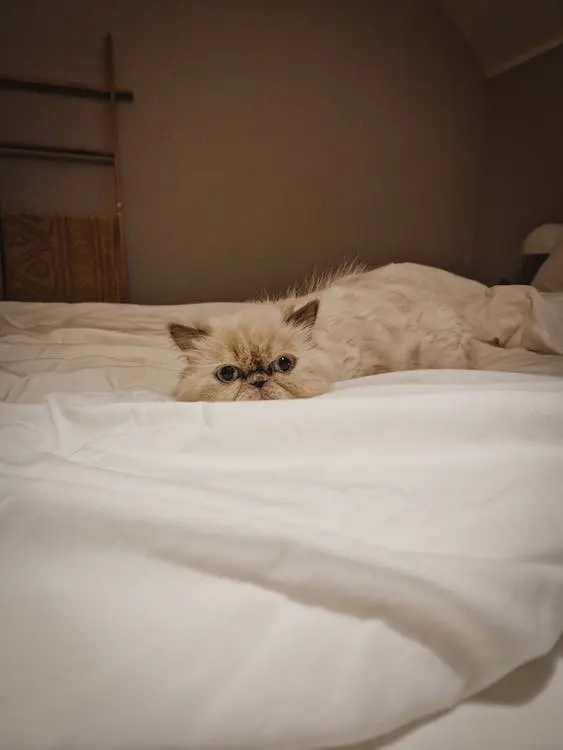
Ever wonder what your cat is really thinking? We often interpret their aloofness as indifference, but what if I told you that your feline friend is actually showering you with affection in ways you might not even realize?
It's easy to feel a little lost in translation with our feline companions. Their signals aren't always as obvious as a dog's wagging tail, and sometimes we can misinterpret their behavior. Are they truly happy? Do they even like us? It can be frustrating trying to decipher their subtle cues and understand how they express their love.
This post aims to shed light on the secret language of cats, revealing five unexpected ways they show their affection. Prepare to be surprised and gain a deeper appreciation for the unique bond you share with your furry friend!
We'll explore the subtle nuances of feline affection, from slow blinks and headbutts to bringing you "gifts" and exposing their vulnerable bellies. By understanding these hidden signs, you can finally decode your cat's true feelings and strengthen your connection. Understanding feline behavior, cat communication, and cat-human bond will bring you closer to your furry companion, unveiling the secrets of their affection and deepening your bond.
The Slow Blink: A Feline Kiss
The slow blink. Oh, the slow blink. It's like receiving a feline kiss right in the heart. For years, I thought my cat, Luna, was just sleepy when she'd give me those long, drawn-out blinks. I'd even mimic her, thinking it was a fun game. Then, I stumbled upon an article explaining that the slow blink is actually a sign of trust and affection – a cat's way of saying, "I feel safe and comfortable around you." From that moment on, those blinks transformed from sleepy expressions to precious declarations of love. Now, I make sure to return the slow blink, letting Luna know that I understand her silent language of affection. It’s a subtle but powerful connection. This seemingly simple gesture speaks volumes about your cat’s comfort and trust in your presence. They are essentially telling you they feel safe and relaxed around you. When a cat makes eye contact and slowly closes their eyes, it signifies they are not threatened and are content in your company. Returning a slow blink can strengthen your bond and reassure your cat. Try it – you might be surprised at the positive response you receive!
Head Bunting and Cheek Rubs: Marking You as Their Own
Have you ever felt a gentle nudge against your leg, followed by your cat rubbing their cheek against you? That's not just a random act; it's your cat claiming you as their own! Cats have scent glands on their head, cheeks, and chin. When they rub against you, they are transferring their scent, essentially marking you as part of their family. It's a sign of comfort, security, and belonging. By leaving their scent on you, they are reassuring themselves that you are a safe and familiar presence in their environment. This behavior also creates a shared scent profile, strengthening the bond between you and your cat. Think of it as a feline hug, a way of saying, "You're mine, and I love you." This behavior also has roots in feline social structure. In multi-cat households, head bunting and cheek rubbing are used to establish a group scent, creating a sense of unity and belonging. When your cat does this to you, they are including you in their social group and treating you as one of their own.
Bringing You "Gifts": A Hunter's Affection
Okay, let's be honest, sometimes these "gifts" aren't exactly appreciated. A dead mouse on the doorstep isn't everyone's idea of a present, but it's important to understand the intention behind the act. Your cat isn't trying to offend you; they are actually showing you a great deal of affection. In the wild, mother cats teach their kittens how to hunt by bringing them dead or injured prey. By presenting you with a "gift," your cat is essentially treating you as part of their family and sharing their hunting skills with you. It's a sign that they care about your well-being and want to provide for you. While you may not want to encourage this behavior, it's important to respond with understanding and avoid punishing your cat. Instead, try redirecting their hunting instincts with toys and interactive play. This way, you can acknowledge their affection without having to deal with unwanted presents.The instinct to hunt and share is deeply ingrained in feline behavior, and understanding this can help you appreciate the sentiment behind their gifts.
Exposing Their Belly: Ultimate Trust and Vulnerability
The belly rub trap! We've all been there. Your cat rolls over, exposing their soft, fluffy belly, and you can't resist the urge to give them a rub. But then, BAM! Claws and teeth come out. It's a classic feline ambush. However, if your cat exposes their belly and allows you to touch it without attacking, it's a sign of ultimate trust and vulnerability. The belly is the most sensitive and unprotected part of a cat's body. By showing it to you, they are demonstrating that they feel completely safe and secure in your presence. They are essentially saying, "I trust you so much that I'm willing to expose my weakness to you." While not all cats enjoy belly rubs, the act of exposing their belly is a significant sign of affection. It's important to respect their boundaries and stop if they show any signs of discomfort. If they do enjoy belly rubs, it can be a wonderful way to strengthen your bond and show them affection in return. This act of vulnerability is a powerful expression of trust, showcasing the depth of your relationship with your feline companion.
Following You Around: Your Furry Shadow
Does your cat seem to be your constant companion, following you from room to room? While it might seem like they're just bored or curious, this behavior is often a sign of affection. Cats are naturally independent creatures, so when they choose to spend their time near you, it means they enjoy your company and feel comfortable in your presence. They are essentially saying, "I like being around you, and I want to be near you." This behavior can also be a sign of attachment and dependence. Your cat may see you as a source of comfort, security, and food. By following you around, they are ensuring that they are always close to their source of support. While it's important to encourage independence in your cat, it's also important to acknowledge and appreciate their affection. Spend time playing with them, petting them, and talking to them. This will reinforce their bond with you and make them feel loved and secure. Their presence is a constant reminder of their affection, strengthening the bond between you and your feline friend.
Deciphering the Meows: More Than Just a Sound
The meow, seemingly a simple vocalization, is actually a complex form of communication that cats primarily use with humans. Unlike purring or hissing, which are used to communicate with other cats, meowing is largely reserved for interacting with their human companions. This means that every meow is potentially a message directed specifically at you. Understanding the different types of meows can provide valuable insights into your cat's needs and desires. A short, high-pitched meow might be a greeting, while a long, drawn-out meow could indicate hunger or distress. Pay attention to the context of the meow and your cat's body language to decipher its meaning. Is your cat rubbing against your legs while meowing? They might be asking for attention. Are they standing by their food bowl while meowing? They're probably hungry. By learning to listen to your cat's meows, you can become more attuned to their needs and strengthen your bond with them. The nuances of their vocalizations are a key to unlocking their inner thoughts and building a stronger connection.
Understanding Feline Body Language: A Silent Conversation
Cats are masters of nonverbal communication, using their bodies to convey a wide range of emotions and intentions. Understanding feline body language is crucial for interpreting their affection and building a stronger relationship. A relaxed cat will have soft, rounded eyes, a loose posture, and a gently swaying tail. A tense cat will have wide, dilated pupils, a stiff posture, and a twitching tail. Pay attention to your cat's ears as well. Ears that are forward and relaxed indicate alertness and interest, while ears that are flattened or pinned back indicate fear or aggression. The tail is another important indicator of your cat's mood. A tail that is held high and slightly curved indicates happiness and confidence, while a tail that is tucked between the legs indicates fear or submission. By observing your cat's body language, you can gain a deeper understanding of their feelings and respond accordingly. This allows you to communicate more effectively with your cat and build a stronger, more trusting relationship. Mastering the art of feline body language is like learning a new language, opening up a world of understanding and connection with your furry friend.
The Importance of Play: Fostering a Stronger Bond
Play isn't just a fun activity for cats; it's an essential part of their physical and mental well-being. Engaging in regular play sessions with your cat can help strengthen your bond, reduce stress and anxiety, and prevent behavioral problems. Play allows cats to express their natural hunting instincts in a safe and controlled environment. It also provides them with mental stimulation and helps them burn off excess energy. Choose toys that mimic the movements of prey, such as feather wands, laser pointers, or toy mice. Rotate your cat's toys regularly to keep them interested and engaged. During playtime, be sure to let your cat "catch" their prey occasionally to satisfy their hunting instincts. This will help prevent frustration and ensure that they enjoy the experience. Playtime should be a positive and rewarding experience for both you and your cat. It's a chance to connect, have fun, and strengthen your bond. The joy and excitement of playtime are a powerful way to express affection and build a lasting connection with your feline companion.
Decoding the Purr: A Symphony of Contentment
The purr, that soft, rumbling vibration, is often interpreted as a sign of contentment in cats. However, the science behind purring is more complex than it seems. While cats do purr when they are happy and relaxed, they also purr when they are injured, sick, or stressed. Scientists believe that purring may have healing properties, helping to reduce pain and promote tissue regeneration. The frequency of a cat's purr is thought to stimulate bone growth and muscle repair. So, while a purring cat is often a happy cat, it's important to consider the context in which the purring is occurring. Is your cat purring while being petted? They are likely feeling content and relaxed. Are they purring while lying in a strange position or exhibiting other signs of illness? They may be trying to self-soothe and promote healing. Understanding the nuances of purring can help you better understand your cat's emotional and physical state. The purr is a versatile and fascinating vocalization, offering insights into a cat's well-being and their unique ability to heal and comfort themselves.
Fun Facts About Feline Affection: Unveiling the Mysteries
Did you know that cats have a higher body temperature than humans, which is why they often seek out warm spots to sleep? This also explains why they might enjoy cuddling up to you, as you provide a source of warmth and comfort. Another interesting fact is that cats have a specialized scent gland called the vomeronasal organ, or Jacobson's organ, which allows them to detect pheromones. This is why they sometimes open their mouths and wrinkle their noses when they sniff something interesting. Pheromones play a crucial role in feline communication, allowing cats to recognize each other and convey messages about their emotional state. Cats also have a unique way of grooming themselves, using their rough tongues to remove dirt and debris from their fur. This grooming behavior also helps to distribute natural oils throughout their coat, keeping it healthy and shiny. These fascinating facts highlight the unique biology and behavior of cats, offering a glimpse into the complex world of feline affection and communication. Understanding these quirks can deepen your appreciation for your feline friend and strengthen your bond.
How to Show Your Cat Love in Their Language: A Two-Way Street
Affection is a two-way street, and it's important to show your cat love in a way that they understand and appreciate. One of the best ways to do this is to learn their body language and respond accordingly. If your cat is approaching you with a slow blink, return the gesture to show that you feel safe and comfortable around them. If they are rubbing against your legs, gently pet them to reinforce their feeling of belonging. Provide your cat with plenty of opportunities for play and mental stimulation. Interactive play sessions, puzzle toys, and scratching posts can help them express their natural instincts and prevent boredom. Create a safe and comfortable environment for your cat, providing them with plenty of hiding places, high perches, and soft bedding. This will help them feel secure and relaxed in their home. Finally, be patient and understanding with your cat. Every cat is an individual, and some may be more affectionate than others. Respect their boundaries and allow them to express their affection in their own way. By understanding and responding to your cat's needs, you can build a strong and lasting bond based on mutual respect and affection.
What if Your Cat Isn't Affectionate? Understanding Different Personalities
It's important to remember that every cat is an individual with their own unique personality. Just like people, some cats are naturally more affectionate than others. If your cat isn't as cuddly or demonstrative as you might expect, it doesn't necessarily mean that they don't love you. They may simply express their affection in different ways. Some cats prefer to show their love through subtle gestures, such as following you around, sleeping near you, or grooming you. Others may be more independent and prefer to keep their distance. There are many factors that can influence a cat's personality, including genetics, early experiences, and socialization. If you adopted your cat as an adult, they may have had negative experiences in the past that have made them more cautious or reserved. It's important to be patient and understanding with your cat, and to respect their boundaries. Don't try to force them to be affectionate if they are not comfortable with it. Instead, focus on building trust and creating a positive relationship based on mutual respect. Over time, your cat may become more affectionate as they feel more secure and comfortable in your presence. The key is to accept them for who they are and to appreciate the unique bond you share.
Top 5 Signs Your Cat Secretly Loves You: A Quick Guide
Here's a quick list of 5 of the most common and often overlooked ways cats show their love:
- Slow Blinking: A sign of trust and relaxation.
- Head Bunting: Marking you as their own with their scent.
- Bringing "Gifts": Sharing their hunting skills with you.
- Exposing Their Belly: Showing vulnerability and trust.
- Following You Around: Enjoying your company and feeling secure near you.
These behaviors might seem insignificant at first glance, but they are actually powerful expressions of affection from your feline companion. Paying attention to these subtle cues can help you better understand your cat's feelings and strengthen your bond.
Question and Answer about 5 Hidden Ways Cats Show Their Love
Here are some frequently asked questions about how cats show affection:
Q: My cat bites me gently sometimes. Is this a sign of affection?
A: Gentle nibbling, or "love bites," can be a sign of affection, especially if accompanied by purring and rubbing. However, it's important to distinguish between love bites and aggressive biting. If the bites are painful or accompanied by hissing or swatting, it's a sign that your cat is feeling stressed or threatened.
Q: My cat kneads on me with their paws. What does this mean?
A: Kneading is a behavior that kittens exhibit when nursing, and it's often associated with comfort and security. When your cat kneads on you, they are essentially recreating that comforting feeling from their kittenhood. It's a sign that they feel safe and content in your presence.
Q: My cat sleeps on me. Is this a sign of affection?
A: Yes! Sleeping on you is a sign of trust and affection. Cats are vulnerable when they sleep, so when they choose to sleep on you, they are demonstrating that they feel completely safe and secure in your presence. They are also drawn to your body heat and familiar scent.
Q: My cat doesn't do any of these things. Does that mean they don't love me?
A: Not necessarily! Every cat is an individual, and some may express their affection in different ways. Some cats are simply more independent and less demonstrative than others. If your cat isn't as cuddly or affectionate as you might expect, it doesn't mean that they don't love you. They may simply express their affection in more subtle ways, such as being near you, purring when you pet them, or simply tolerating your presence.
Conclusion of 5 Hidden Ways Cats Show Their Love
By learning to recognize these five hidden signs of affection – the slow blink, head bunting, gift-giving, belly exposure, and following you around – you can gain a deeper appreciation for the unique bond you share with your feline friend. These subtle cues are your cat's way of saying, "I love you," without using words. So, the next time your cat gives you a slow blink, consider it a feline kiss and cherish the special connection you share. Remember, feline behavior, cat communication, and cat-human bond are very important aspect of our lives with our feline friends.
0 Response to "5 Hidden Ways Cats Show Their Love"
Post a Comment