Why We Know So Little About Deep Sea Creatures
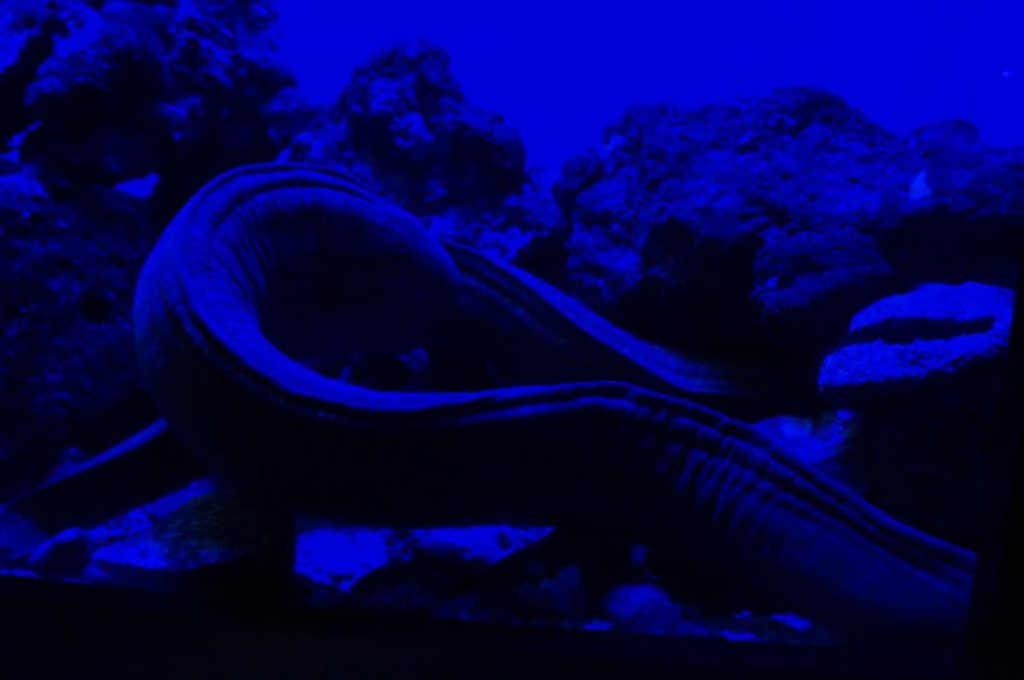
Imagine a world hidden beneath crushing pressures, perpetual darkness, and temperatures hovering just above freezing. A world teeming with life, yet so alien that it feels like another planet entirely. This is the deep sea, and the creatures that call it home remain some of the most enigmatic inhabitants of our planet.
It's frustrating, isn't it? We send probes to Mars, peering across vast interstellar distances, yet struggle to understand the life forms thriving right here on Earth, just a few miles beneath the ocean's surface. We see glimpses – a bizarre anglerfish with its bioluminescent lure, a colossal squid locked in battle with a sperm whale – but these are just fleeting snapshots. It leaves you wanting more, needing to know what else is down there, what secrets the deep sea holds. We're left with a sense of profound mystery, a curiosity that's constantly piqued but rarely satisfied.
The simple answer to why we know so little about deep sea creatures is that it's incredibly difficult and expensive to study them. The extreme conditions of the deep sea – immense pressure, lack of light, and frigid temperatures – present formidable challenges to exploration and research. Specialized equipment and techniques are required to reach these depths, observe the organisms in their natural habitats, and collect specimens for study. The logistics are complex, the technology is costly, and the risks are significant. As a result, our knowledge of the deep sea remains limited compared to our understanding of terrestrial or even shallow marine environments. We are only scratching the surface of this vast and unexplored realm.
In short, the depths of the ocean present significant obstacles to exploration and study. These include the extreme pressure, absence of light, and cold temperatures, necessitating specialized and costly technologies. As a result, our understanding of deep-sea creatures lags far behind our knowledge of life on land or in shallower waters. Key terms include deep-sea exploration, deep-sea creatures, extreme environments, ocean research, and bioluminescence.
The Pressure Problem: A Crushing Reality
I'll never forget watching a documentary about deep-sea submersibles. There was footage of one returning from a dive, and you could see the strain on the metal, the way it creaked and groaned under the immense pressure. It really drove home just how hostile this environment is to anything designed by humans. That pressure, increasing exponentially with depth, is a major reason why studying these creatures is so difficult. We can't just send down a regular submarine or scuba diver. We need specialized vessels like Alvin, or remotely operated vehicles (ROVs) equipped with thick titanium hulls and sophisticated engineering to withstand the crushing force. And even then, the risk of implosion is always present. Furthermore, bringing deep-sea creatures to the surface can be just as deadly. The rapid change in pressure can cause their bodies to rupture, making it impossible to study them in their natural state. This is why scientists are increasingly relying on non-invasive methods, such as underwater cameras and sonar, to observe these creatures in their own environment. But even these technologies have their limitations. The vastness of the deep sea, coupled with the challenges of visibility, means that we are only able to observe a tiny fraction of this ecosystem. The creatures themselves are often fragile and elusive, making it difficult to capture them on camera or collect samples for study. It's a constant race against the clock, trying to understand these organisms before they are crushed, cooked, or simply disappear into the darkness.
The Lightless Realm: Adapting to Darkness
The absence of sunlight is another defining characteristic of the deep sea, and it has profoundly shaped the evolution of deep-sea creatures. Without sunlight, photosynthesis is impossible, meaning that the base of the food web is not plants, but rather chemosynthetic bacteria that derive energy from chemicals released by hydrothermal vents. This unique ecosystem supports a diverse range of life, from giant tube worms to bizarre-looking fish. The lack of light has also led to the evolution of some remarkable adaptations, such as bioluminescence. Many deep-sea creatures produce their own light, using it for communication, attracting prey, or even deterring predators. The anglerfish, with its bioluminescent lure, is perhaps the most famous example of this adaptation. But bioluminescence takes many forms in the deep sea, from the dazzling displays of jellyfish to the stealthy hunting strategies of viperfish. Studying these creatures requires specialized equipment that can operate in complete darkness. Submersibles and ROVs are equipped with powerful lights and cameras that can capture images of these organisms in their natural environment. However, even with these technologies, it can be difficult to observe these creatures without disturbing them. The sudden appearance of a bright light can startle the animals, causing them to flee or change their behavior. This is why scientists are increasingly using low-light cameras and infrared imaging to observe these creatures in a more natural way. Despite these challenges, the study of bioluminescence has revealed some fascinating insights into the behavior and ecology of deep-sea creatures.
Myths and Legends of the Deep: Monsters of the Abyss
For centuries, the deep sea was a realm of myth and legend, a place populated by monstrous creatures and terrifying unknowns. Stories of sea serpents, krakens, and other mythical beasts fueled the imagination and instilled fear in the hearts of sailors. These tales, often based on fleeting glimpses of real deep-sea creatures, reflected our ignorance of the ocean's depths. Even as scientific exploration began to shed light on the deep sea, the allure of the unknown persisted. Early naturalists, armed with rudimentary equipment and limited knowledge, struggled to make sense of the bizarre creatures they encountered. Drawings and descriptions of deep-sea fish often exaggerated their features, contributing to the perception of them as grotesque and monstrous. The image of the deep sea as a realm of darkness and danger has been further perpetuated by popular culture. From Jules Verne's "Twenty Thousand Leagues Under the Sea" to H.P. Lovecraft's "The Call of Cthulhu," the deep sea has served as a setting for tales of adventure, horror, and the unknown. These stories, while often fantastical, capture our fascination with the ocean's depths and the creatures that lurk within. However, it's important to remember that the real deep sea is far more diverse and complex than the mythical realm depicted in fiction. While some deep-sea creatures may appear strange or even frightening to our eyes, they are all perfectly adapted to their unique environment. By shedding light on the real deep sea, we can move beyond the myths and legends and appreciate the beauty and wonder of this unexplored realm.
Hidden Secrets of the Deep: Unexplored Ecosystems
The deep sea is not a uniform environment. It encompasses a wide range of habitats, from abyssal plains and trenches to hydrothermal vents and cold seeps. Each of these habitats supports a unique community of organisms, many of which are still unknown to science. Hydrothermal vents, for example, are underwater hot springs that release chemicals from the Earth's interior. These chemicals support chemosynthetic bacteria, which in turn form the base of a food web that includes giant tube worms, blind shrimp, and other specialized creatures. Cold seeps, on the other hand, are areas where methane and other hydrocarbons seep out of the seafloor. These chemicals also support chemosynthetic bacteria, which provide food for a variety of organisms, including mussels, clams, and tube worms. The abyssal plains, which cover vast areas of the deep seafloor, are characterized by fine-grained sediments and low levels of organic matter. Despite these harsh conditions, the abyssal plains support a surprising diversity of life, including sea cucumbers, brittle stars, and various species of worms. The trenches, which are the deepest parts of the ocean, are home to some of the most extreme organisms on Earth. These creatures must withstand immense pressure, near-freezing temperatures, and a complete lack of sunlight. Despite these challenges, scientists have discovered a variety of life forms in the trenches, including amphipods, fish, and even bacteria. The exploration of these hidden ecosystems is a major priority for deep-sea researchers. By studying these unique environments, we can learn more about the evolution of life on Earth, the cycling of nutrients in the ocean, and the potential for new discoveries in medicine and technology.
Recommendations for Deep-Sea Exploration: Pushing the Boundaries
To truly understand the deep sea and its inhabitants, we need to invest in new technologies and approaches to exploration. This includes developing more advanced submersibles and ROVs that can withstand the extreme conditions of the deep sea, as well as improving our ability to observe and study these creatures in their natural habitats. One promising area of research is the development of autonomous underwater vehicles (AUVs). These vehicles can operate independently for extended periods of time, allowing them to explore vast areas of the deep sea without human intervention. AUVs can be equipped with a variety of sensors, including cameras, sonar, and chemical detectors, allowing them to collect data on the environment and the organisms that live there. Another important area of research is the development of new techniques for studying deep-sea creatures. This includes using non-invasive methods, such as underwater cameras and sonar, to observe these creatures in their natural environment. It also includes developing new methods for collecting samples of deep-sea organisms without harming them. One promising approach is the use of baited traps, which can be used to attract animals to a specific location. Once the animals are captured, they can be brought to the surface for study, or they can be tagged and released back into the deep sea. In addition to developing new technologies and techniques, we also need to increase our efforts to protect the deep sea from human impacts. This includes reducing pollution, preventing overfishing, and regulating deep-sea mining. The deep sea is a fragile ecosystem, and it is important that we take steps to protect it for future generations.
The Role of Technology in Deep-Sea Research
Technological advancements are crucial for unlocking the secrets of the deep sea. High-resolution sonar mapping is essential for creating detailed bathymetric maps, revealing previously unknown geological features and potential habitats. Remotely operated vehicles (ROVs) allow scientists to explore the seafloor and collect samples without risking human lives. These ROVs are equipped with robotic arms, cameras, and various sensors to study the environment and organisms in situ. Submersibles, like the Alvin, provide researchers with direct access to the deep sea, enabling them to conduct observations and experiments firsthand. These submersibles are designed to withstand immense pressure and provide a safe and comfortable environment for scientists to work in. Furthermore, advanced DNA sequencing technologies are revolutionizing our understanding of deep-sea biodiversity. By analyzing DNA samples collected from the deep sea, scientists can identify new species and study the relationships between different organisms. These technologies are also helping us to understand the role of microbes in deep-sea ecosystems. The development of new sensors and instruments is also critical for deep-sea research. For example, scientists are developing sensors that can measure temperature, pressure, salinity, and other environmental parameters in real-time. These sensors can be deployed on ROVs, AUVs, or stationary platforms to collect data over extended periods of time. The data collected by these sensors can be used to study ocean currents, chemical processes, and the behavior of deep-sea organisms. Technological innovation will continue to play a vital role in unraveling the mysteries of the deep sea.
Tips for Supporting Deep-Sea Research
Even if you're not a marine biologist, there are ways you can support deep-sea research and contribute to our understanding of this fascinating realm. One of the most important things you can do is to educate yourself about the deep sea and the threats it faces. Learn about the unique ecosystems that exist in the deep sea, the organisms that live there, and the human activities that are impacting these environments. Share this information with your friends and family, and encourage them to learn more as well. Another way to support deep-sea research is to support organizations that are working to protect the deep sea. There are many non-profit organizations that are dedicated to deep-sea conservation, and they rely on donations from individuals and foundations to fund their work. You can also support these organizations by volunteering your time or by participating in their advocacy efforts. You can also make choices in your daily life that reduce your impact on the deep sea. This includes reducing your consumption of seafood, avoiding single-use plastics, and supporting sustainable businesses. By making these small changes, you can help to protect the deep sea from pollution, overfishing, and other threats. Finally, you can support policies that promote deep-sea conservation. Contact your elected officials and urge them to support legislation that protects the deep sea from human impacts. This includes supporting efforts to regulate deep-sea mining, reduce pollution, and protect marine habitats. By taking these actions, you can help to ensure that the deep sea is protected for future generations.
The Future of Deep-Sea Exploration
The future of deep-sea exploration is bright, with new technologies and approaches constantly being developed. As we continue to push the boundaries of what is possible, we will undoubtedly uncover many more secrets of the deep sea. One of the most exciting areas of research is the search for new life forms. Scientists believe that there are many undiscovered species of bacteria, archaea, and other microorganisms living in the deep sea. These organisms could hold the key to understanding the origins of life on Earth, as well as the potential for new discoveries in medicine and technology. Another important area of research is the study of deep-sea ecosystems. Scientists are working to understand how these ecosystems function, how they are affected by human activities, and how we can protect them for future generations. This research will require a multidisciplinary approach, involving biologists, geologists, chemists, and engineers. The deep sea is a vast and complex environment, and it will take a collaborative effort to fully understand it. The future of deep-sea exploration will also depend on the development of new technologies. We need more advanced submersibles and ROVs that can withstand the extreme conditions of the deep sea, as well as more sophisticated sensors and instruments for collecting data. We also need new methods for studying deep-sea creatures in their natural habitats. The challenges are great, but the potential rewards are even greater. By continuing to explore the deep sea, we can unlock new knowledge about our planet, the origins of life, and the potential for new discoveries in medicine and technology.
Fun Facts About Deep Sea Creatures
Did you know that some deep-sea creatures can live for hundreds of years? The Greenland shark, for example, is estimated to have a lifespan of up to 500 years! This remarkable longevity is thought to be due to their slow metabolism and the cold temperatures in which they live. Another fun fact is that many deep-sea creatures are bioluminescent, meaning that they can produce their own light. This light is used for a variety of purposes, including communication, attracting prey, and deterring predators. The anglerfish, with its bioluminescent lure, is one of the most well-known examples of a bioluminescent deep-sea creature. But there are many other species that can produce light, including jellyfish, squid, and even some species of fish. The deep sea is also home to some of the largest and most bizarre creatures on Earth. The colossal squid, for example, is the largest invertebrate on Earth, and it can weigh up to 1,000 kilograms. The viperfish, with its enormous teeth and bioluminescent lure, is another example of a bizarre deep-sea creature. And then there's the blobfish, which is often described as the "world's ugliest animal." The blobfish is adapted to live at extreme depths, and it has a gelatinous body that helps it to withstand the immense pressure. These are just a few of the many fun facts about deep-sea creatures. The deep sea is a fascinating and mysterious place, and there is still much that we don't know about it. But as we continue to explore this realm, we will undoubtedly uncover many more amazing facts about the creatures that live there.
How to Contribute to Deep-Sea Conservation
Protecting the deep sea requires a multi-faceted approach, involving individual actions, community involvement, and policy changes. One of the most important things you can do is to reduce your reliance on single-use plastics. Plastic pollution is a major threat to the deep sea, as plastic debris can entangle marine animals, disrupt ecosystems, and even contaminate the food chain. You can reduce your plastic consumption by using reusable bags, water bottles, and food containers. You can also avoid buying products that are packaged in plastic. Another way to contribute to deep-sea conservation is to support sustainable seafood choices. Overfishing is a major threat to deep-sea ecosystems, as it can deplete populations of commercially important species and disrupt the food web. You can support sustainable seafood by choosing seafood that is certified by the Marine Stewardship Council (MSC) or other reputable organizations. You can also avoid eating seafood that is known to be overfished or caught using destructive fishing methods. In addition to individual actions, you can also get involved in community efforts to protect the deep sea. There are many non-profit organizations that are dedicated to deep-sea conservation, and they often rely on volunteers to help with their work. You can volunteer your time by participating in beach cleanups, educating others about deep-sea conservation, or advocating for policies that protect the deep sea. Finally, you can support policies that promote deep-sea conservation. Contact your elected officials and urge them to support legislation that protects the deep sea from human impacts. This includes supporting efforts to regulate deep-sea mining, reduce pollution, and protect marine habitats. By taking these actions, you can help to ensure that the deep sea is protected for future generations.
What if We Knew Everything About Deep Sea Creatures?
Imagine a world where the mysteries of the deep sea were fully unveiled. What if we possessed a comprehensive understanding of every species, ecosystem, and process occurring in this vast and unexplored realm? Such a scenario would have profound implications for our understanding of life on Earth, our approach to conservation, and our potential for technological innovation. First, a complete understanding of deep-sea creatures would revolutionize our understanding of evolution and adaptation. The deep sea is home to some of the most extreme organisms on Earth, and studying these creatures could provide valuable insights into how life can thrive in extreme environments. This knowledge could have implications for our understanding of the origins of life on Earth, as well as the potential for life on other planets. Second, a complete understanding of deep-sea ecosystems would allow us to better protect these fragile environments from human impacts. The deep sea is increasingly threatened by pollution, overfishing, and deep-sea mining. With a comprehensive understanding of these ecosystems, we could develop more effective strategies for mitigating these threats and ensuring the long-term health of the deep sea. Third, a complete understanding of deep-sea creatures could lead to new discoveries in medicine and technology. The deep sea is a treasure trove of unique compounds and materials that could have potential applications in medicine, biotechnology, and other fields. By studying deep-sea organisms, we could discover new drugs, develop new materials, and create new technologies. Finally, a complete understanding of the deep sea would inspire a new generation of scientists, engineers, and conservationists. The deep sea is a frontier of exploration, and it holds endless possibilities for discovery and innovation. By unlocking the secrets of the deep sea, we could inspire a new wave of exploration and discovery, and create a better future for our planet.
Listicle: Top Reasons Why Deep Sea Creatures Are Still a Mystery
The deep sea remains one of the most unexplored frontiers on Earth, and the creatures that inhabit this realm continue to fascinate and intrigue scientists and the public alike. Here are some of the top reasons why deep-sea creatures are still shrouded in mystery: 1. Extreme Pressure: The immense pressure at the bottom of the ocean makes it difficult to access and study deep-sea creatures in their natural habitats.
2. Lack of Light: The absence of sunlight in the deep sea makes it difficult to observe and photograph deep-sea creatures.
3. Remote Locations: The deep sea is located far from shore, making it difficult to reach and explore.
4. Specialized Equipment: Studying deep-sea creatures requires specialized equipment, such as submersibles, ROVs, and deep-sea cameras, which are expensive and difficult to operate.
5. Fragile Organisms: Many deep-sea creatures are fragile and cannot survive the journey to the surface.
6. Limited Funding: Funding for deep-sea research is limited, which restricts the amount of exploration and study that can be conducted.
7. Vastness of the Deep Sea: The deep sea is vast and covers a large portion of the Earth's surface, making it difficult to explore and study comprehensively.
8. Unknown Ecosystems: Many deep-sea ecosystems are still unknown, and scientists are constantly discovering new species and habitats.
9. Technological Challenges: Developing new technologies for deep-sea exploration is challenging and requires significant investment.
10. Limited Public Awareness: There is limited public awareness of the deep sea and its importance, which makes it difficult to garner support for deep-sea research and conservation.
Question and Answer About Why We Know So Little About Deep Sea Creatures
Q: What is the biggest challenge in studying deep-sea creatures?
A: The immense pressure is the most significant hurdle. Specialized equipment and techniques are necessary to withstand the crushing force, and even then, risks remain.
Q: Why is the lack of light a problem?
A: The absence of sunlight necessitates the use of artificial light sources for observation, which can disturb the natural behavior of deep-sea creatures. Specialized technologies like low-light cameras are being developed to mitigate this.
Q: How do scientists collect deep-sea specimens?
A: Scientists use remotely operated vehicles (ROVs) and submersibles to collect specimens. However, bringing these creatures to the surface can be detrimental due to the rapid pressure change, making in-situ study preferable.
Q: What role does technology play in advancing our knowledge?
A: Technology is crucial. Advancements in submersibles, ROVs, sonar mapping, and DNA sequencing are revolutionizing our understanding of deep-sea biodiversity and ecosystems.
Conclusion of Why We Know So Little About Deep Sea Creatures
Despite the numerous challenges, the pursuit of knowledge about deep-sea creatures is essential. It not only expands our understanding of life on Earth but also holds the potential for groundbreaking discoveries in medicine, technology, and conservation. By investing in innovative technologies, supporting deep-sea research initiatives, and promoting responsible ocean stewardship, we can unlock the secrets of this fascinating realm and ensure its protection for generations to come. The deep sea, while still largely unknown, holds immense potential to reshape our understanding of life and our planet.
0 Response to "Why We Know So Little About Deep Sea Creatures"
Post a Comment