Why Ferrets Make Fascinating Companions
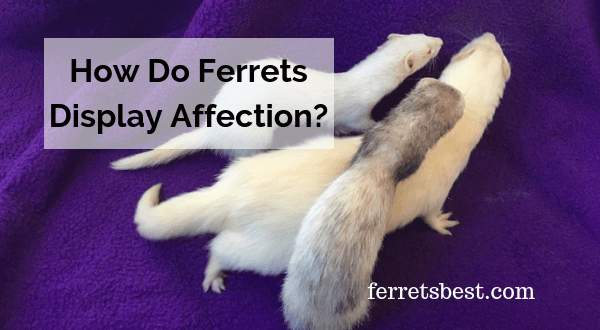
Have you ever considered sharing your life with a furry, playful bandit whose antics are guaranteed to bring a smile to your face? Forget the typical dog or cat; there's a whole world of joy to be discovered with these curious creatures.
Bringing a new pet into your home is a big decision. You might worry about finding the right fit for your lifestyle, wondering if you have the time and resources to provide them with a happy and fulfilling life. Perhaps you've heard whispers of specific care requirements, or maybe you're just not sure if their unique personality will mesh with yours.
Ferrets aren't just pets; they're captivating companions with a unique blend of playfulness, intelligence, and affection. Their silly antics and curious nature will keep you entertained for hours, while their surprising intelligence makes them highly trainable. They're also surprisingly affectionate, often bonding strongly with their human families and enjoying cuddles and playtime. Their small size makes them adaptable to various living spaces, and their quiet nature means they won't disturb your neighbors. If you're looking for a pet that's both entertaining and loving, a ferret might just be the perfect fit for you.
Ferrets offer a unique blend of entertainment, intelligence, and affection. From their playful antics to their trainable minds and loving nature, these small mammals can bring a great deal of joy to the right home. This article has explored many facets of ferret companionship, aiming to provide a comprehensive understanding of what it means to share your life with one of these fascinating creatures. Whether you're drawn to their playful energy or their surprising intelligence, ferrets offer a rewarding and unique pet ownership experience.
Unmatched Playfulness and Entertainment
I remember the first time I saw a ferret dooking.I had no idea what that sound was, a strange, happy chuckle coming from the cage. It turned out to be our new ferret, aptly named "Mischief," expressing his excitement over a new toy. This playful exuberance is a hallmark of ferrets. They are natural comedians, their long, flexible bodies allowing them to squeeze into the most unexpected places, their boundless energy propelling them into hilarious antics. Their playful nature isn't just for show; it's a crucial part of their well-being. They need plenty of playtime and interaction to stay happy and healthy, making them a great choice for people who enjoy an active and engaging pet. Think of them as furry little clowns, always ready to put on a show. Providing them with tunnels, toys, and plenty of opportunities to explore is key to keeping them entertained and preventing boredom. Their playful personalities also make them incredibly engaging to watch, turning even mundane moments into sources of laughter and amusement. They truly embody the concept of living in the moment, and their infectious energy can be a real mood booster. Beyond the entertainment factor, their playfulness helps them bond with their owners, creating a stronger and more rewarding relationship. This makes them a fantastic companion for those looking for a pet that is both entertaining and affectionate.
Intelligence That Will Surprise You
Ferrets are often underestimated in terms of their intelligence. While they might not be able to perform complex tricks like some dogs, they are remarkably intelligent creatures. They are naturally curious and inquisitive, always exploring their surroundings and figuring out how things work. This intelligence makes them highly trainable, capable of learning a variety of tricks and commands. With patience and positive reinforcement, you can teach them to come when called, navigate obstacle courses, and even use a litter box. Their intelligence also extends to problem-solving. They are quick to figure out how to open cages, access hidden treats, and even manipulate their environment to their advantage. This can be both entertaining and challenging for their owners, requiring them to be creative in their ferret-proofing efforts. It's important to provide them with mental stimulation to prevent boredom, which can lead to destructive behaviors. Puzzle toys, interactive games, and even just regular playtime can help keep their minds sharp and engaged. By understanding and nurturing their intelligence, you can unlock their full potential and build a stronger, more enriching relationship with your ferret. They're not just cute and cuddly; they're also clever and capable creatures.
History and Myth: Unveiling the Ferret's Past
Ferrets have a rich and fascinating history, dating back thousands of years. They are believed to have been domesticated from the European polecat, and their use as working animals has been documented since ancient times. Historically, ferrets were primarily used for hunting rabbits and other small game, a practice known as ferreting.Their long, slender bodies and relentless pursuit made them ideal for flushing out prey from their burrows. This practical application cemented their role as valuable partners to humans, particularly in agricultural societies. Beyond their practical use, ferrets have also appeared in folklore and mythology. In some cultures, they were associated with good luck, while in others, they were seen as mischievous or even cunning creatures. These myths and legends reflect the unique characteristics of ferrets, their playful nature, their intelligence, and their ability to navigate tight spaces. Understanding the history of ferrets can provide a deeper appreciation for their unique traits and behaviors. It also highlights their adaptability and their long-standing relationship with humans. From working animals to beloved pets, ferrets have played a diverse and important role in human history, making them all the more fascinating as companions today. This heritage adds another layer of interest to these already captivating creatures.
The Hidden Secrets of Ferret Ownership
While ferrets can bring immense joy, potential owners need to be aware of the less-discussed aspects of ferret ownership. One common misconception is that ferrets are low-maintenance pets. In reality, they require a significant amount of attention and care. They need a spacious and secure cage, daily playtime and interaction, and a specialized diet. Another crucial factor is their distinctive musky odor, which some people find unpleasant. While regular cleaning and proper diet can help minimize the odor, it's something that potential owners should be prepared for. Ferrets are also prone to certain health problems, such as adrenal disease and insulinoma, which can require costly veterinary care. It's important to find a veterinarian experienced in treating ferrets and to be prepared for potential medical expenses. Ferret-proofing your home is also essential, as they are curious and can squeeze into small spaces, potentially getting into dangerous situations. Despite these challenges, the rewards of ferret ownership can be immense. However, it's crucial to be realistic about the commitment involved and to be prepared to provide the necessary care and attention. By understanding the hidden secrets of ferret ownership, you can make an informed decision and ensure a happy and healthy life for your furry friend. The more you know, the better prepared you'll be for the unique experience of sharing your life with a ferret.
Recommendations for First-Time Ferret Owners
So, you're thinking about bringing a ferret into your life? That's fantastic! But before you rush out and adopt one, there are a few things you should consider. Firstly, research! Learn as much as you can about ferret care, behavior, and health. There are many excellent resources available online and in libraries. Secondly, ferret-proof your home. These curious creatures can squeeze into the tiniest spaces, so you'll need to make sure your home is safe for them to explore. This means covering electrical cords, blocking off access to small holes, and removing any potentially hazardous objects. Thirdly, find a veterinarian experienced in treating ferrets. Not all vets are familiar with ferret-specific health issues, so it's important to find one who is knowledgeable and comfortable working with them. Fourthly, be prepared to spend time interacting with your ferret. They are social animals and need plenty of attention and playtime. Finally, consider adopting a ferret from a rescue organization. There are many ferrets in need of loving homes, and adoption can be a rewarding experience. By following these recommendations, you can ensure a smooth transition for your new ferret and create a happy and fulfilling life together. Remember, responsible pet ownership is key to a successful and rewarding relationship with any animal.
Essential Supplies for a Happy Ferret
Providing a stimulating and comfortable environment is crucial for a ferret's well-being. First and foremost, a spacious and secure cage is essential. Choose a cage that is large enough for them to move around comfortably, with multiple levels for climbing and exploring. Wire cages are generally preferred, as they allow for good ventilation. Inside the cage, provide soft bedding, such as old t-shirts or blankets, for them to sleep and nest in. A litter box is also essential, as ferrets can be litter box trained. Place the litter box in a corner of the cage, away from their food and water. Food and water bowls should be heavy and stable to prevent them from being tipped over. In addition to these essentials, provide a variety of toys to keep them entertained. Tunnels, balls, and interactive puzzle toys are all great options. Rotate the toys regularly to keep them from getting bored. Remember to clean the cage regularly to maintain a hygienic environment. This includes changing the bedding, cleaning the litter box, and wiping down the cage surfaces. By providing a well-equipped and clean living space, you can ensure that your ferret is happy, healthy, and stimulated. A happy ferret makes for a happy owner, so investing in their environment is a worthwhile endeavor.
Tips for Bonding With Your Ferret
Building a strong bond with your ferret is one of the most rewarding aspects of ferret ownership. The key is to spend quality time with them, interacting with them in a positive and engaging way. Start by handling them gently and frequently, getting them used to your touch and scent. Talk to them in a soft, soothing voice, and offer them treats as a reward for good behavior. Playtime is also essential for bonding. Engage them in activities they enjoy, such as chasing toys, exploring tunnels, or playing hide-and-seek. Be patient and understanding, as it may take time for them to fully trust you. Avoid forcing them to do anything they don't want to do, as this can damage your relationship. Positive reinforcement is key. Reward them with treats, praise, and affection when they exhibit desirable behaviors. Over time, they will learn to associate you with positive experiences, and your bond will grow stronger. Pay attention to their body language. Learn to recognize the signs of happiness, fear, and stress, so you can respond appropriately to their needs. A strong bond with your ferret will enhance your overall experience as a pet owner, leading to a more fulfilling and enjoyable relationship. The more you invest in the relationship, the more you'll get back in terms of companionship and affection.
Understanding Ferret Body Language
Deciphering your ferret's body language is crucial for understanding their needs and emotions. A happy and relaxed ferret will often exhibit behaviors such as "dooking" (a soft, chuckling sound), tail wagging, and playful nipping. They may also flatten their bodies and wiggle around, indicating that they want to play. A scared or stressed ferret may hiss, arch their back, and puff up their fur. They may also try to hide or run away. It's important to recognize these signs and remove them from the stressful situation. A sick or injured ferret may exhibit a variety of symptoms, such as lethargy, loss of appetite, and changes in their bowel movements. They may also groom themselves excessively or avoid being touched. If you notice any of these signs, it's important to consult a veterinarian immediately. Pay attention to their eyes. Dilated pupils can indicate fear or excitement, while constricted pupils can indicate pain or discomfort. Observe their sleeping habits. Ferrets typically sleep for a large portion of the day, but changes in their sleeping patterns can be a sign of illness or stress. By learning to interpret your ferret's body language, you can better understand their needs and provide them with the care and attention they deserve. This will strengthen your bond and contribute to their overall well-being.
Fun Facts About Ferrets
Did you know that a group of ferrets is called a "business"? This quirky name reflects their busy and energetic nature. Another fascinating fact is that ferrets have incredibly flexible spines, allowing them to squeeze into tight spaces that would be impossible for other animals. This is why ferret-proofing your home is so important! Ferrets also have a unique scent, which is often described as musky. This scent comes from their anal glands, which they use to mark their territory. While some people find the scent unpleasant, others find it endearing. Ferrets are also known for their love of sleeping. They can sleep up to 75% of the day, often curled up in cozy spots. They are crepuscular animals, meaning they are most active during dawn and dusk. They are also natural hoarders, often stashing their favorite toys and treats in hidden places. Ferrets have a relatively short lifespan, typically living for 5-7 years. However, with proper care and attention, they can live even longer. Their playful nature and unique characteristics make them truly fascinating companions. These fun facts highlight just a few of the many reasons why ferrets are such captivating and endearing pets. They're not just pets; they're characters with their own unique quirks and personalities.
How to Ferret-Proof Your Home
Ferrets are notorious for their curiosity and ability to squeeze into tight spaces, making ferret-proofing your home essential for their safety. Start by inspecting your home for any potential hazards, such as small holes, exposed wires, and toxic substances. Cover electrical cords with protective tubing to prevent them from being chewed on. Block off access to small holes and crevices, as ferrets can easily get stuck. Store all cleaning products, medications, and other toxic substances in secure cabinets that are out of reach. Be mindful of furniture with reclining mechanisms, as ferrets can get trapped inside. Check behind appliances regularly to ensure they haven't squeezed in. Cover any sharp edges or corners to prevent injuries. Keep houseplants out of reach, as some can be toxic to ferrets. Secure any loose items that could be swallowed, such as buttons, coins, and rubber bands. Be aware of open windows and balconies, as ferrets can fall and injure themselves. Supervise your ferret closely when they are outside of their cage, and never leave them unattended. By taking these precautions, you can create a safe and stimulating environment for your ferret to explore. Ferret-proofing your home is a crucial step in responsible ferret ownership, ensuring their safety and well-being.
What If My Ferret...? Addressing Common Concerns
It's natural to have concerns when bringing a new pet into your home, and ferrets are no exception. What if my ferret bites? Ferret bites are usually playful nips, but if they bite hard, it's important to address the behavior. Provide them with plenty of chew toys and redirect their biting behavior onto those. What if my ferret escapes? Ferrets are notorious escape artists, so it's crucial to ferret-proof your home and ensure their cage is secure. If they do escape, search immediately, focusing on small spaces and hidden areas. What if my ferret gets sick? Ferrets are prone to certain health problems, such as adrenal disease and insulinoma. It's important to find a veterinarian experienced in treating ferrets and to be prepared for potential medical expenses. What if my ferret doesn't get along with my other pets? Introduce them slowly and supervise their interactions closely. Make sure each pet has their own safe space and that they are not competing for resources. By addressing these common concerns, you can be better prepared for the challenges of ferret ownership and ensure a happy and healthy life for your furry friend. The more informed you are, the better equipped you'll be to handle any situation that arises.
Listicle: Top 5 Reasons Ferrets Make Amazing Pets
Looking for a pet that's a little out of the ordinary? Here are five reasons why ferrets might be the perfect fit for you: 1. Playful and Entertaining: Ferrets are natural comedians, always up to silly antics that will keep you entertained for hours.
2. Intelligent and Trainable: Despite their goofy personalities, ferrets are surprisingly intelligent and can be trained to do tricks and use a litter box.
3. Affectionate and Social: Ferrets bond strongly with their owners and enjoy cuddling and playing.
4. Quiet and Adaptable: Ferrets are relatively quiet pets and can adapt to various living spaces.
5. Unique and Engaging: Ferrets have a unique personality and offer a different kind of pet ownership experience than cats or dogs. These five reasons highlight just a few of the many benefits of owning a ferret. If you're looking for a pet that's playful, intelligent, and affectionate, a ferret might just be the perfect companion for you. They offer a unique blend of qualities that make them truly special pets.
Question and Answer Section About Ferrets
Q: Do ferrets smell?
A: Ferrets do have a musky odor due to their scent glands. Regular cleaning of their cage and bedding, along with occasional bathing, can help minimize the smell. Some owners choose to have their ferret's scent glands removed, but this is a controversial procedure and should be discussed with a veterinarian.
Q: Are ferrets legal to own in all states?
A: No, ferrets are not legal to own in all states. Some states and cities have banned ferret ownership due to concerns about their potential impact on native wildlife. It's important to check your local laws before acquiring a ferret.
Q: What do ferrets eat?
A: Ferrets are obligate carnivores and require a diet high in animal protein and fat. They should be fed a high-quality ferret food that is specifically formulated for their nutritional needs. Avoid feeding them dog or cat food, as it does not contain the proper nutrients.
Q: How much time do ferrets need outside of their cage?
A: Ferrets need at least 4 hours of playtime outside of their cage each day to stay happy and healthy. This can be divided into multiple shorter sessions. They need opportunities to explore, play, and interact with their owners.
Conclusion of Why Ferrets Make Fascinating Companions
Ferrets are truly fascinating creatures that can bring a unique and rewarding dimension to your life. Their playful nature, surprising intelligence, and affectionate personalities make them wonderful companions for the right person. While they require a significant commitment in terms of care and attention, the rewards of ferret ownership are well worth the effort. If you're looking for a pet that's a little bit different, a ferret might just be the perfect fit for you. Their quirky antics and loving nature will brighten your days and provide you with years of companionship. Take the time to research their needs, prepare your home, and find a reputable breeder or rescue organization. With proper care and attention, your ferret will become a cherished member of your family.
0 Response to "Why Ferrets Make Fascinating Companions"
Post a Comment