Top 10 Fictional Animals in Movies
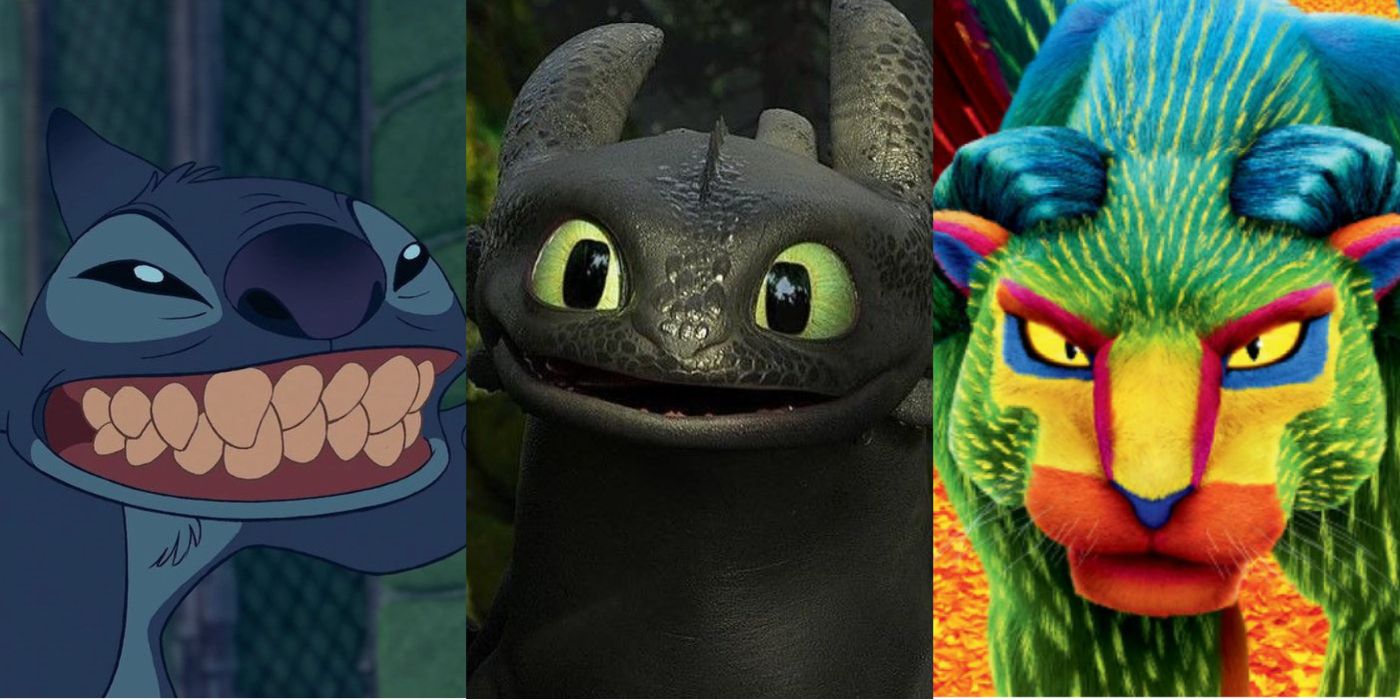
From the majestic dragons soaring through fantasy realms to the mischievous creatures lurking in animated landscapes, fictional animals have captured our imaginations on the silver screen for decades. But which ones truly stand out? Which ones have not only entertained us but also left a lasting impact on cinematic history?
Ever find yourself debating which movie animal is the most iconic? Or perhaps struggling to recall all the amazing creatures that have graced our screens? It's easy to get lost in the sheer volume of fantastic beasts that Hollywood has conjured up. Trying to narrow down the best, the most memorable, can feel like an impossible task.
That's why we've embarked on a quest to identify the Top 10 Fictional Animals in Movies. We've considered their design, their impact on the story, their memorability, and their overall contribution to the magic of cinema. Get ready for a journey through the best that fictional animal cinema has to offer.
This article delves into the realm of cinematic fantasy, highlighting the top 10 fictional animals that have graced the silver screen. From dragons and mythical beasts to genetically engineered creatures, we'll explore the characters that have captivated audiences and left a lasting impression, while also touching on the broader themes of imagination, storytelling, and the power of film. Think Toothless, Falkor, and the Na'vi's Ikran. These are the legends that make movies magical.
The Allure of Dragons
Dragons have always held a special place in my heart. As a child, I was captivated by their power, their wisdom, and their sheer magnificence. I remember watching "Dragonheart" and being completely mesmerized by Draco, the last dragon, voiced by Sean Connery. The bond he formed with Bowen, the dragon slayer, was both heartwarming and tragic. It wasn't just the special effects that impressed me; it was the emotional depth of the character and the way he challenged our perceptions of good and evil. This early experience cemented my love for dragons and their place in fantasy lore.
Dragons, with their scales shimmering like a thousand jewels and their fiery breath, represent primal power and untamed magic. They are often depicted as ancient guardians, wise mentors, or fearsome adversaries. From Smaug in "The Hobbit" to Mushu in "Mulan," dragons have taken on diverse roles, reflecting our fascination with their duality. Their presence in a film instantly elevates the stakes, adding a layer of grandeur and danger. A well-designed dragon can be a visual spectacle, a symbol of hope, or a harbinger of destruction. The enduring appeal of dragons lies in their ability to embody our deepest fears and wildest dreams, reminding us of the limitless possibilities of imagination.
What Defines a "Fictional Animal"?
The term "fictional animal" might seem straightforward, but it encompasses a vast and varied range of creatures. We're not just talking about animals that don't exist in the real world, like dragons or unicorns. We're also including creatures that are genetically modified, evolved beyond recognition, or simply products of pure imagination. Think of the Rancor from "Star Wars" or the genetically engineered dinosaurs from "Jurassic Park." These animals, while inspired by real-world counterparts, are ultimately fictional constructs designed to serve specific narrative purposes.
A fictional animal, in the context of film, is more than just a visual effect. It's a character with its own motivations, behaviors, and impact on the story. These creatures can be used to explore themes of environmentalism, scientific ethics, or even the nature of humanity itself. By creating animals that defy the boundaries of reality, filmmakers can push the boundaries of storytelling and challenge our perceptions of the natural world. Whether they're terrifying monsters or lovable companions, fictional animals play a crucial role in shaping our cinematic experiences and leaving a lasting impression on our imaginations. A great fictional animal has believability, evokes emotion, and feels like a genuine character, regardless of how fantastical its design might be. It's this level of detail and care that separates the truly memorable creatures from the forgettable ones.
History and Myth: The Roots of Fictional Beasts
The fascination with fictional animals isn't a modern phenomenon. It stretches back to the earliest days of human civilization, with myths and legends filled with creatures that defy the laws of nature. From the griffins of ancient Greece to the feathered serpents of Mesoamerica, these mythical beasts have served as symbols of power, wisdom, and the unknown. They represent our attempts to understand the world around us and to grapple with the mysteries of life and death.
The use of fictional animals in film is a natural extension of this ancient tradition. Filmmakers draw upon these existing myths and legends, reinterpreting them for a modern audience. They also create entirely new creatures, inspired by a combination of scientific speculation, artistic imagination, and the desire to tell compelling stories. The history and mythology surrounding fictional animals add depth and resonance to their cinematic appearances. They tap into our collective unconscious, evoking a sense of wonder and awe. Whether they're based on ancient folklore or completely original creations, fictional animals continue to capture our imaginations and enrich our understanding of ourselves and the world around us.
Unveiling the Secrets of Creature Design
Creating a believable and memorable fictional animal is no easy feat. It requires a team of talented artists, designers, and animators who can bring these creatures to life. One of the key secrets is to ground the design in reality. Even the most fantastical creatures should have anatomical features and behaviors that are believable and consistent. This can involve studying real-world animals, borrowing elements from different species, and carefully considering how the creature would move, eat, and interact with its environment.
Another crucial aspect is storytelling. The design of a fictional animal should reflect its role in the narrative. A creature designed to be fearsome should have sharp teeth, powerful claws, and a menacing demeanor. A creature designed to be sympathetic should have expressive eyes, gentle features, and a vulnerable posture. The visual design should communicate the creature's personality and motivations, allowing the audience to connect with it on an emotional level. Ultimately, the success of a fictional animal hinges on its ability to seamlessly blend fantasy and reality, creating a creature that is both visually stunning and emotionally resonant. Good creature design also thinks about scale and implications. How does the creature move, eat, sleep, and reproduce? Answering these questions makes the animal feel more real.
Recommendations: Must-See Fictional Animal Films
If you're looking to dive deeper into the world of fictional animals in film, there are a few must-see movies that deserve your attention. "Avatar" (2009) is a visual masterpiece, showcasing a vibrant ecosystem teeming with incredible creatures like the Ikran and the Direhorse. These animals are not just window dressing; they play a crucial role in the story, forming deep bonds with the Na'vi and representing the interconnectedness of nature.
"Where the Wild Things Are" (2009) offers a more whimsical and introspective take on fictional animals. The Wild Things, with their unique personalities and designs, embody the untamed emotions and imaginative spirit of childhood. Another great film, "Life of Pi" (2012) contains the Bengal tiger Richard Parker, who, while a real animal, is portrayed as more like a fictional animal due to the circumstances of the film. These films demonstrate the versatility of fictional animals as storytelling devices, capable of evoking a wide range of emotions and exploring complex themes. Whether you're drawn to epic adventures or intimate character studies, there's a fictional animal film out there for everyone. Don't forget to explore animated films as well! Many studios like Pixar and Dreamworks also offer up their fair share of amazing fictional animals that you should explore!
The Importance of Believability
One of the key factors that separates a good fictional animal from a great one is believability. Even though these creatures don't exist in the real world, they need to feel real within the context of the film. This requires careful attention to detail in every aspect of their design, animation, and behavior. Believability can be achieved through different ways such as by giving them a certain amount of familiarity. It can also be given through the creature's interaction with the world around them and how the world reacts to the creatures.
If a fictional animal moves awkwardly, lacks realistic textures, or behaves in a way that contradicts its physical attributes, it can instantly break the audience's immersion. On the other hand, if a creature is rendered with meticulous detail, animated with fluid grace, and given believable motivations, it can become a truly unforgettable character. Think about the way the dinosaurs moved in "Jurassic Park" or the subtle expressions on Toothless's face in "How to Train Your Dragon." These are examples of fictional animals that feel incredibly real, thanks to the dedication and skill of the artists who created them. If you don't build that connection with the audience, there's no way you can get them invested in your movie's story.
Tips for Appreciating Fictional Animals in Film
Next time you're watching a film with a fictional animal, take a moment to appreciate the artistry and craftsmanship that went into creating it. Pay attention to the details of its design, the nuances of its animation, and the way it interacts with the other characters. Consider the animal's role in the story and how it contributes to the overall themes of the film.
Think about the challenges the filmmakers faced in bringing this creature to life. How did they make it feel believable? What choices did they make in terms of its appearance, behavior, and sound design? By engaging with fictional animals on a deeper level, you can gain a greater appreciation for the power of cinema and the boundless creativity of the human imagination. Doing this will also allow you to better enjoy some of the best movies that your genre has to offer. So go ahead, let your imagination run wild and embrace the magic of fictional animals in film. You may be surprised by what you discover.
The Evolution of Special Effects
The evolution of special effects has played a crucial role in the rise of fictional animals in film. Early films were limited to using practical effects, such as puppets, costumes, and miniatures. While these techniques could be effective, they often lacked the realism and scale needed to create truly convincing fictional creatures. These older ways of making movies also led to less-than-ideal outcomes as well. Think about the infamous Godzilla suits and the way that they weren't particularly convincing.
The advent of computer-generated imagery (CGI) revolutionized the field, allowing filmmakers to create incredibly detailed and lifelike animals that were previously impossible to achieve. CGI has its issues as well, as many have complained about some CGI looking fake.While the technology behind CGI continues to advance, offering ever more realistic and immersive experiences. From the photorealistic dinosaurs of "Jurassic World" to the fantastical creatures of "Fantastic Beasts," CGI has opened up a whole new world of possibilities for filmmakers, allowing them to bring their wildest imaginations to the screen. As special effects continue to develop, there's no telling what kinds of amazing fictional animals we'll see in the future.
Fun Facts About Fictional Animals
Did you know that the design of the Na'vi's Ikran in "Avatar" was inspired by pterosaurs and birds of prey? Or that the vocalizations of the Rancor in "Star Wars" were created by mixing the sounds of a badger, a lion, and a pig? The creation of fictional animals often involves a blend of scientific research, artistic inspiration, and a little bit of movie magic.
Many filmmakers also draw inspiration from real-world animals when designing their fictional creations. They might study the anatomy, behavior, and movement of different species, combining elements from various animals to create something entirely new. This can lead to some fascinating and unexpected combinations, resulting in creatures that are both familiar and utterly unique. By understanding the real-world influences behind fictional animals, we can gain a deeper appreciation for the creativity and ingenuity of the filmmakers who bring them to life. It also means we can better connect with their creations, making them feel real to us.
How to Create Your Own Fictional Animal
Feeling inspired? Why not try creating your own fictional animal? Start by brainstorming a few ideas. What kind of creature do you want to create? What is its purpose in the world? What are its unique features and abilities?
Once you have a basic concept, start sketching out your creature's design. Think about its anatomy, its coloration, and its overall appearance. Consider how it would move, eat, and interact with its environment. Don't be afraid to experiment and try new things. The possibilities are endless when it comes to creating fictional animals. Most importantly, have fun and let your imagination run wild! You don't even need to have art skills to start. Just taking the time to plan and think about the animals is a good way to begin.
What If Fictional Animals Were Real?
Imagine a world where dragons soared through the skies, unicorns roamed the forests, and griffins guarded ancient treasures. What would the world be like if fictional animals were real? How would they impact our lives, our societies, and our understanding of the natural world?
The possibilities are endless, and the implications are profound. Would we be able to coexist peacefully with these creatures? Would they be a source of wonder and inspiration, or would they pose a threat to our safety and well-being? Exploring these questions can lead to fascinating thought experiments and insightful reflections on our own relationship with the animal kingdom. It can also help us to appreciate the value of imagination and the power of storytelling.
Top 10 Fictional Animals in Movies: A List
Here's a list of some of the greatest fictional animals in movie history:
- Toothless (How to Train Your Dragon)
- Falkor (The Never Ending Story)
- The Na'vi's Ikran (Avatar)
- Smaug (The Hobbit)
- The Rancor (Star Wars: Return of the Jedi)
- The Demogorgon (Stranger Things)
- The Balrog (The Lord of the Rings: The Fellowship of the Ring)
- The Basilisk (Harry Potter and the Chamber of Secrets)
- Richard Parker (Life of Pi)
- King Kong (King Kong)
This list is of course up to your own interpretation. What do you think? Did we miss any of your favorite Fictional Animals?
Question and Answer About Top 10 Fictional Animals in Movies
Here are some of the top asked question:
Question: What makes a fictional animal truly memorable?
Answer: A combination of believable design, compelling character, and a significant role in the story.
Question: What are some of the challenges in creating fictional animals for film?
Answer: Balancing fantasy with reality, making the creature feel believable, and ensuring it serves a purpose in the narrative.
Question: How has CGI impacted the portrayal of fictional animals in film?
Answer: It has revolutionized the field, allowing for incredibly detailed and lifelike creatures that were previously impossible to achieve.
Question: What are some of the common themes explored through fictional animals in film?
Answer: Environmentalism, scientific ethics, the nature of humanity, and the power of imagination.
Conclusion of Top 10 Fictional Animals in Movies
The world of fictional animals in movies is a vibrant and imaginative realm, full of creatures that both delight and terrify. From the majestic dragons to the mischievous gremlins, these characters have enriched our cinematic experiences and left a lasting impression on our imaginations. By exploring the artistry, craftsmanship, and storytelling that goes into creating these creatures, we can gain a deeper appreciation for the power of film and the boundless creativity of the human spirit. So the next time you settle in to watch a movie with a fictional animal, take a moment to appreciate the magic and wonder that it brings to the screen.
0 Response to "Top 10 Fictional Animals in Movies"
Post a Comment