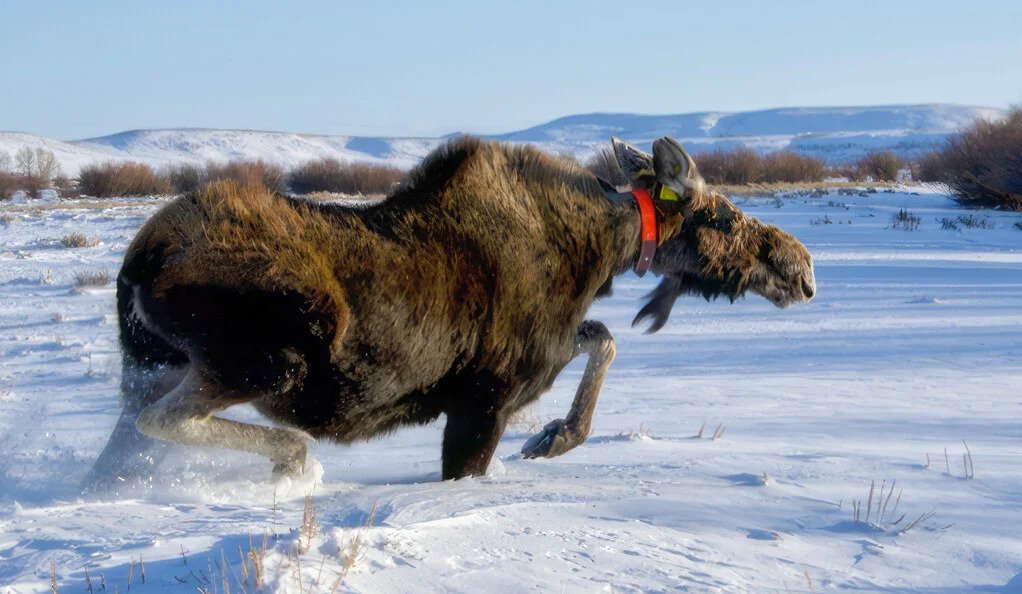
Imagine a world where the silent observers of our planet – the animals – hold keys to understanding and potentially mitigating the climate crisis. From tracking migration patterns disrupted by rising temperatures to analyzing the impact of changing ecosystems on wildlife populations, animals are increasingly becoming vital players in climate research. But how exactly are they contributing, and what challenges do scientists face in harnessing their potential?
Many of us may only consider the effects of climate change on humans, or perhaps picture melting glaciers and rising sea levels. But the subtle shifts in animal behavior, physiology, and distribution often go unnoticed. We might not think about how changes in ocean temperature affect coral reefs, which in turn impacts the diverse marine life that depends on them. The disruption of migration patterns and habitats can have cascading consequences that are difficult to predict, making it crucial to understand these intricate connections.
This article aims to shed light on the often-overlooked role that animals play in climate research. We'll delve into the different ways animals are being used to monitor and understand climate change, the types of data they provide, and the ethical considerations involved. We’ll also explore specific examples of animal-based research, highlighting its impact on our understanding of this complex global issue.
In summary, animals provide invaluable data on climate change impacts through migration tracking, physiological studies, and ecosystem monitoring. This data helps scientists understand and predict the effects of climate change, informing conservation efforts and policy decisions. Key areas include animal migration, ecosystem health, physiological adaptations, and the ethical considerations of animal research.
Animal Migration as Climate Indicators
I remember watching a documentary about arctic terns, those incredible birds that undertake the longest migration of any animal, flying from pole to pole each year. It was awe-inspiring to see their dedication, but also deeply concerning to learn how climate change is impacting their journey. Shifting weather patterns and altered food sources are forcing them to adapt, and in some cases, their populations are declining. This personal encounter with nature's resilience, coupled with the stark reality of climate change, sparked my interest in animal migration as a climate indicator.
Animal migration patterns are profoundly influenced by climate change. As temperatures rise and habitats shift, animals are forced to alter their migratory routes and timing. Scientists track these changes through various methods, including GPS tagging and satellite monitoring. This data provides valuable insights into how climate change is impacting ecosystems and allows researchers to predict future changes. For example, earlier spring thaws can disrupt the synchrony between animal migration and the availability of food resources, leading to population declines. Similarly, changes in ocean currents can affect the migration routes of marine animals, such as whales and turtles.
Understanding these changes is crucial for conservation efforts. By monitoring animal migration patterns, scientists can identify areas that are particularly vulnerable to climate change and implement measures to protect these habitats. This might involve establishing protected areas, reducing human disturbance, or managing resources to ensure that animals have access to the food and shelter they need to survive.
Ecosystem Health and Animal Sentinels
Animals can serve as sentinels of ecosystem health, providing early warnings of environmental changes. Their physiology, behavior, and population dynamics are often sensitive to pollutants, habitat degradation, and climate stressors. By monitoring these indicators, scientists can detect problems before they become widespread and irreversible.
For example, amphibians are particularly vulnerable to environmental changes due to their permeable skin and reliance on both aquatic and terrestrial habitats. Declines in amphibian populations can be an early warning sign of pollution or habitat loss. Similarly, changes in the health and reproductive success of birds can indicate the presence of toxins in the environment. By studying these animal sentinels, scientists can gain valuable insights into the overall health of ecosystems and take steps to mitigate environmental damage.
Furthermore, animal sentinels can provide valuable data on the impacts of climate change on ecosystems. For instance, changes in the distribution and abundance of fish species can reflect changes in ocean temperature and salinity. By monitoring these changes, scientists can better understand how climate change is affecting marine ecosystems and develop strategies to protect vulnerable species and habitats.
The History and Myth of Animals in Climate Research
The use of animals in environmental monitoring isn't new, although its application to climate research is more recent. Historically, miners used canaries to detect dangerous gases, a practice that highlights the sensitivity of animals to environmental hazards. This early example underscores the potential of animals to provide early warnings of environmental problems. The myth of groundhogs predicting the end of winter, while not scientifically accurate, reflects a long-standing human fascination with animals and their perceived ability to sense environmental changes.
In contemporary climate research, the use of animals is more sophisticated, relying on advanced technologies like GPS tracking and physiological monitoring. However, the underlying principle remains the same: animals can provide valuable insights into environmental conditions. The development of these technologies has allowed scientists to track animal movements and behaviors with unprecedented precision, providing a wealth of data on the impacts of climate change. For example, satellite tracking of polar bears has revealed how shrinking sea ice is affecting their hunting patterns and survival rates.
The increasing sophistication of animal-based climate research has also raised ethical concerns. Scientists must carefully consider the welfare of the animals they study, ensuring that research methods are humane and minimize stress. Balancing the need for scientific knowledge with the ethical treatment of animals is a crucial aspect of this field.
Hidden Secrets of Animal Adaptations to Climate Change
One of the fascinating areas of climate research involves studying how animals are adapting to changing environmental conditions. Some species are exhibiting remarkable resilience, adapting their behavior, physiology, and even genetics to cope with the challenges of a warming planet. Uncovering these hidden secrets of animal adaptation can provide valuable insights into the potential for other species, including humans, to adapt to climate change.
For example, some bird species are shifting their breeding seasons to align with earlier spring thaws. Others are changing their diets to take advantage of new food sources. In some cases, animals are even evolving new traits that help them cope with warmer temperatures or altered habitats. Studying these adaptations can help scientists understand the limits of animal resilience and identify strategies to assist vulnerable species.
Furthermore, understanding animal adaptations can provide valuable insights into the potential for humans to adapt to climate change. By studying how animals cope with extreme weather events, food shortages, and habitat loss, scientists can gain a better understanding of the challenges that humans may face in the future. This knowledge can inform the development of adaptation strategies, such as developing drought-resistant crops or building more resilient infrastructure.
Recommendations for Supporting Animal-Based Climate Research
Supporting animal-based climate research is crucial for understanding and mitigating the impacts of climate change. There are several ways that individuals, organizations, and governments can contribute to this important field. One key recommendation is to increase funding for research projects that utilize animals as climate indicators. This includes funding for basic research, as well as applied research that focuses on developing conservation strategies.
Another important recommendation is to promote collaboration between scientists, policymakers, and conservation organizations. By working together, these groups can ensure that animal-based climate research is used to inform effective policies and conservation actions. This might involve sharing data, developing joint research projects, or participating in policy discussions.
Finally, it's essential to raise public awareness about the role of animals in climate research. By educating the public about the importance of this field, we can build support for research funding and conservation efforts. This might involve creating educational materials, organizing public events, or engaging with the media to share stories about animal-based climate research.
Ethical Considerations in Animal Research
The ethical implications of using animals in climate research are significant and require careful consideration. It is crucial to balance the potential benefits of this research with the welfare of the animals involved. Guidelines and regulations should be in place to ensure that research methods are humane and minimize stress. This includes using non-invasive techniques whenever possible, providing adequate care for animals in captivity, and avoiding research that could cause significant harm.
Furthermore, it's essential to consider the potential impact of climate change on animal populations. Climate change is already causing widespread habitat loss, food shortages, and increased disease risk for many species. Using animals in research could exacerbate these problems, particularly if research methods are not carefully designed and implemented. Therefore, it's crucial to consider the overall impact of climate change on animal populations when making decisions about research priorities.
Ethical review boards play a vital role in ensuring that animal research is conducted responsibly. These boards should include experts in animal welfare, ethics, and climate science. They should carefully review research proposals to ensure that the potential benefits outweigh the risks to animals. They should also monitor ongoing research projects to ensure that ethical guidelines are being followed.
Practical Tips for Citizen Scientists to Support Animal-Based Climate Research
Citizen scientists can play a valuable role in supporting animal-based climate research. By participating in citizen science projects, individuals can contribute data on animal sightings, behavior, and health. This data can be used to track changes in animal populations, monitor the impacts of climate change, and inform conservation efforts. There are many citizen science projects that focus on animals, ranging from bird counts to whale watching to butterfly monitoring.
One practical tip for citizen scientists is to learn how to identify different animal species. This will allow you to accurately record your observations and contribute valuable data to research projects. There are many resources available to help you learn about animal identification, including field guides, online databases, and workshops. Another tip is to be consistent in your data collection. Follow the protocols provided by the citizen science project and record your observations carefully. This will ensure that your data is accurate and reliable.
Finally, it's important to be respectful of animals and their habitats. Avoid disturbing animals or their nests, and follow ethical guidelines for wildlife viewing. By being responsible citizen scientists, you can contribute valuable data to climate research while protecting the animals you are studying.
The Role of Technology in Tracking Animal Movements
Technology plays a crucial role in tracking animal movements and gathering data on their behavior and physiology. GPS tracking devices, satellite telemetry, and remote sensing technologies allow scientists to monitor animals over long distances and collect data in remote and challenging environments. These technologies have revolutionized animal-based climate research, providing a wealth of data that was previously impossible to obtain.
For example, GPS tracking devices can be attached to birds, mammals, and reptiles to track their movements and migration patterns. This data can be used to identify important habitats, monitor the impacts of climate change on animal distribution, and inform conservation efforts. Satellite telemetry allows scientists to track animals over even larger distances, providing insights into their movements across continents and oceans. Remote sensing technologies, such as drones and satellites, can be used to monitor animal populations, assess habitat quality, and detect changes in vegetation cover.
The use of technology in animal-based climate research is constantly evolving, with new tools and techniques being developed all the time. As technology advances, we can expect to gain even greater insights into the lives of animals and their responses to climate change.
Fun Facts About Animals and Climate Change
Did you know that polar bears can swim for days without stopping in search of sea ice? Or that some fish species are shrinking in size as ocean temperatures rise? These fun facts highlight the diverse and often surprising ways that animals are being affected by climate change. Learning about these impacts can help us appreciate the importance of animal-based climate research and motivate us to take action to protect wildlife.
Another fun fact is that some animals are actually benefiting from climate change, at least in the short term. For example, some invasive species are thriving in warmer temperatures, expanding their range and outcompeting native species. However, these benefits are often short-lived and can have negative consequences for ecosystems. Ultimately, climate change poses a threat to the vast majority of animal species.
By learning more about the impacts of climate change on animals, we can develop a deeper understanding of this complex issue and appreciate the importance of protecting wildlife. Animal-based climate research is essential for understanding these impacts and developing effective conservation strategies.
How to Advocate for Animals in the Face of Climate Change
Advocating for animals in the face of climate change is crucial for protecting biodiversity and ensuring the health of ecosystems. There are many ways that individuals can take action to support animals, from making small changes in their daily lives to engaging in political activism. One important step is to reduce your carbon footprint by conserving energy, using public transportation, and eating less meat. These actions can help to slow down the rate of climate change and reduce the impacts on animals.
Another way to advocate for animals is to support conservation organizations that are working to protect wildlife and their habitats. These organizations often rely on donations and volunteers to carry out their work. By supporting them financially or volunteering your time, you can make a real difference in the lives of animals. You can also contact your elected officials and urge them to support policies that protect animals and address climate change. This might involve supporting legislation that reduces greenhouse gas emissions, protects endangered species, or promotes sustainable land use.
Finally, it's important to educate yourself and others about the impacts of climate change on animals. By raising awareness about this issue, you can help to build support for conservation efforts and inspire others to take action. This might involve sharing information on social media, writing letters to the editor, or giving presentations to community groups.
What If We Ignore the Role of Animals in Climate Research?
Ignoring the role of animals in climate research would be a grave mistake. We would lose a valuable source of information about the impacts of climate change on ecosystems and miss opportunities to develop effective conservation strategies. Animals are sensitive indicators of environmental change, and their responses to climate change can provide early warnings of problems that might otherwise go unnoticed. Without this information, we would be less able to predict and mitigate the impacts of climate change.
Furthermore, ignoring the role of animals in climate research would have ethical implications. We have a responsibility to protect wildlife and ensure their survival in the face of climate change. By failing to understand the impacts of climate change on animals, we would be neglecting our responsibility to protect them. This could lead to further declines in animal populations and the loss of biodiversity.
Ultimately, the future of animals and ecosystems depends on our ability to understand and address climate change. Animal-based climate research is essential for achieving this goal. By investing in this research and using the data it provides, we can protect wildlife and ensure the health of our planet.
Top 5 Takeaways: The Role of Animals in Climate Research
Here are five key takeaways about the role of animals in climate research:
- Animals serve as valuable indicators of climate change impacts. Their behavior, physiology, and distribution can provide early warnings of environmental problems.
- Animal migration patterns are being disrupted by climate change, forcing animals to alter their routes and timing.
- Animals can act as sentinels of ecosystem health, providing insights into the overall health of ecosystems and the impacts of climate change.
- Technology plays a crucial role in tracking animal movements and gathering data on their responses to climate change.
- Supporting animal-based climate research is essential for understanding and mitigating the impacts of climate change.
By understanding these key points, we can appreciate the importance of animal-based climate research and take action to protect wildlife and ecosystems in the face of climate change.
Question and Answer about The Role of Animals in Climate Research
Q: How are animals used to monitor climate change?
A: Animals are tracked using GPS and satellite technology to monitor migration patterns, physiological changes, and population dynamics, providing insights into climate change impacts on ecosystems.
Q: Why are animals considered good indicators of climate change?
A: Animals are sensitive to environmental changes and can provide early warnings of climate-related problems, such as habitat loss, food shortages, and disease outbreaks.
Q: What are the ethical considerations of using animals in climate research?
A: Ethical concerns include ensuring humane treatment, minimizing stress, and considering the overall impact of climate change on animal populations. Research methods should be non-invasive and prioritize animal welfare.
Q: How can citizen scientists contribute to animal-based climate research?
A: Citizen scientists can participate in projects to record animal sightings, behaviors, and health, providing valuable data for tracking changes in animal populations and informing conservation efforts.
Conclusion of The Role of Animals in Climate Research
The role of animals in climate research is undeniable. They offer a unique perspective on the planet's changing conditions, providing critical data that informs our understanding and mitigation efforts. By investing in and supporting this research, while upholding the highest ethical standards, we can unlock valuable insights to safeguard our planet's future for both humans and animals alike.