The Heaviest Land Animals
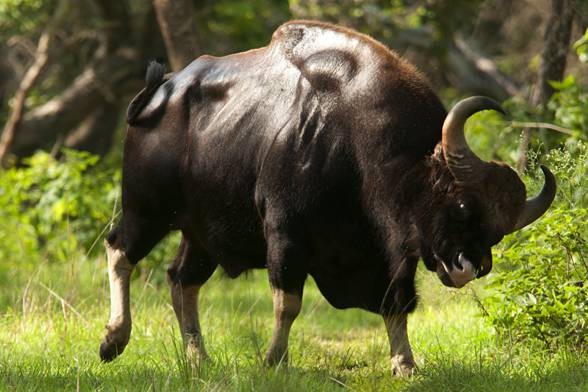
Imagine a creature so immense, so powerful, that its very footsteps can reshape the earth. We're talking about the titans of the animal kingdom, the absolute heaviest land animals that roam our planet. Are you curious to know what behemoths dominate the scales?
It's easy to take for granted the sheer scale of some of Earth's creatures. We often see images or videos, but it's hard to truly grasp the size and weight of these magnificent animals. Understanding their place in the ecosystem, their challenges, and their sheer physical presence is essential to appreciating the natural world.
This article aims to explore the world of the heaviest land animals, unveiling the giants that walk among us and delving into the factors that contribute to their immense size. We'll examine their habitats, diets, and the unique adaptations that allow them to thrive.
We will explore the contenders for the title of "heaviest land animal," their characteristics, ecological roles, and any relevant conservation concerns. We will discuss the African Bush Elephant, the White Rhinoceros, and other large mammals. Let's embark on a journey to discover the incredible world of these land giants.
The African Bush Elephant: A Colossus of the Savanna
The African Bush Elephant ( _Loxodonta africana_ ) reigns supreme as the heaviest land animal on Earth. These gentle giants are a sight to behold, and my own experience seeing them in the wild in Tanzania was truly humbling. We were on a safari, and suddenly, there they were – a family of elephants grazing peacefully in the distance. As we approached, I was struck by their sheer size and the quiet power they exuded. It felt like stepping back in time, witnessing a creature that has walked the Earth for millennia.
The average male African Bush Elephant can weigh between 6,000 and 7,500 kilograms (13,200 to 16,500 pounds), with some exceptional individuals reaching even greater weights. Their immense size is a result of their evolutionary adaptations to their environment. They are herbivores, consuming massive quantities of vegetation daily, which requires a large body to process. Their large size also provides protection from predators and allows them to dominate their habitat. They are highly intelligent, with complex social structures and impressive memory capabilities. Their tusks, which are elongated incisor teeth, are used for digging, foraging, and defense. However, these tusks have also made them a target for poachers, leading to significant population declines. Conservation efforts are crucial to ensure the survival of these magnificent creatures.
What Defines "Heaviest"?
Defining "heaviest" might seem straightforward, but it's crucial to clarify what we're measuring. Are we talking about average weight across the species, or the absolute heaviest individual ever recorded? For the purposes of this discussion, we'll primarily focus on the typical weight range of adult males within a species, as males generally outweigh females. This provides a more consistent and comparable metric.
The concept of "heaviest" is also relative. While we're focusing on land animals, it's important to acknowledge that marine mammals, like whales, dwarf even the largest land dwellers. However, for the purpose of this article, we are solely focusing on animals that spend the majority of their lives on land. The definition is important because it sets the parameters for our exploration and prevents confusion when comparing different species. We want to identify the truly massive land-based animals that have evolved to thrive in terrestrial environments. Factors such as bone density, muscle mass, and overall body composition all contribute to an animal's weight, and these factors are influenced by genetics, diet, and environment.
History and Myth: The Elephant's Enduring Image
Elephants have held a prominent place in human history and mythology for centuries. Their image has been used as symbols of power, wisdom, and good fortune across various cultures. In some Asian traditions, elephants are revered as sacred animals, often associated with royalty and religious figures. In Hindu mythology, the elephant-headed god Ganesha is one of the most widely worshipped deities, representing wisdom, prosperity, and the remover of obstacles.
Historically, elephants have been used in warfare, particularly in ancient India and during the Roman Empire. War elephants were formidable forces on the battlefield, capable of breaking enemy lines and causing widespread chaos. However, their effectiveness was often limited by their vulnerability to certain tactics and weapons. The historical interaction between humans and elephants has shaped their role in our cultural narratives. The myths and legends surrounding elephants reflect our fascination with their size, intelligence, and unique characteristics. These stories also highlight the complex relationship between humans and these magnificent animals, ranging from reverence and respect to exploitation and conflict. The lasting legacy of elephants in our history and mythology underscores their importance as symbols of power, wisdom, and cultural significance.
The Hidden Secrets of Size: Adaptations and Challenges
The immense size of the heaviest land animals isn't just a random occurrence; it's the result of specific adaptations that allow them to thrive in their environments. However, this size also presents unique challenges. One key adaptation is their digestive system, which is designed to process vast quantities of plant matter. Elephants, for instance, spend a significant portion of their day eating, and their digestive system is relatively inefficient, meaning they need to consume even more to meet their energy needs.
Another adaptation is their skeletal structure, which is built to support their massive weight. Their bones are incredibly dense and strong, providing the necessary framework for their large bodies. However, this also means that injuries can be particularly severe and difficult to heal. Their large size also affects their thermoregulation. Elephants, for example, have large ears that help them dissipate heat. They also rely on behaviors like wallowing in mud to stay cool. However, in extreme heat, they can still be susceptible to overheating. The challenges associated with their size include increased energy demands, vulnerability to injuries, and the need for specialized adaptations to regulate their body temperature. Despite these challenges, these animals have evolved to thrive in their respective habitats, showcasing the remarkable power of natural selection.
Recommendations: Conservation and Coexistence
Protecting the heaviest land animals requires a multi-faceted approach that addresses both their immediate threats and the long-term sustainability of their habitats. Conservation efforts must focus on combating poaching, which is a major threat to elephants and rhinoceroses. This involves strengthening anti-poaching patrols, increasing penalties for wildlife crimes, and reducing the demand for ivory and rhino horn.
Habitat loss is another significant threat, as human populations expand and encroach on wildlife areas. Protecting and restoring critical habitats is essential for ensuring that these animals have sufficient space and resources to survive. This can involve establishing protected areas, promoting sustainable land use practices, and working with local communities to manage natural resources responsibly. Human-wildlife conflict is also a growing concern, as animals venture into agricultural areas and settlements in search of food and water. Implementing strategies to mitigate conflict, such as building fences, providing alternative water sources, and educating communities about wildlife behavior, is crucial for promoting coexistence. Conservation efforts must also address the underlying socio-economic factors that contribute to poaching and habitat loss. This can involve supporting community-based conservation initiatives, promoting sustainable livelihoods, and empowering local communities to protect their natural resources. By working together, governments, conservation organizations, and local communities can ensure the long-term survival of these magnificent creatures.
The White Rhinoceros: A Near-Threatened Giant
While not as heavy as the African Bush Elephant, the White Rhinoceros ( _Ceratotherium simum_ ) is still a formidable contender, weighing in at around 1,800 to 2,500 kilograms (4,000 to 5,500 pounds). There are two subspecies: the Southern White Rhinoceros and the much rarer Northern White Rhinoceros. Sadly, only two Northern White Rhinos remain, both of which are female, making natural reproduction impossible.
The White Rhinoceros is a grazing animal, adapted to feeding on short grasses in the savannas of Africa. Its wide, square-lipped mouth is perfectly suited for this purpose. Unlike some other rhino species, the White Rhino is relatively social, often living in groups called crashes.These crashes can consist of several females and their offspring, and are often led by a dominant female. Despite their size and thick skin, White Rhinos are vulnerable to poaching, primarily for their horns, which are highly valued in traditional medicine and as status symbols in some cultures. The demand for rhino horn has driven poaching to unsustainable levels, leading to significant population declines. Conservation efforts have focused on protecting rhino populations in reserves and national parks, as well as combating poaching through increased patrols and law enforcement. While the Southern White Rhino population has recovered somewhat in recent years, the future of the Northern White Rhino remains bleak. Continued efforts are needed to address the root causes of poaching and to ensure the long-term survival of these iconic animals.
Tips for Appreciating These Giants Responsibly
If you're fortunate enough to see these animals in the wild or in a zoo, do so responsibly. Maintain a safe distance, avoid making loud noises, and never attempt to feed them. Remember, these are wild animals, and their behavior can be unpredictable. Support ethical tourism operators that prioritize the well-being of the animals and contribute to local conservation efforts.
Educate yourself about the threats these animals face and what you can do to help. Support organizations that are working to protect their habitats, combat poaching, and promote coexistence between humans and wildlife. Consider making a donation or volunteering your time to these organizations. Spread awareness among your friends and family about the importance of conservation. Share information about these amazing animals and the challenges they face. Encourage others to take action and support conservation efforts. By making informed choices and taking responsible actions, we can all contribute to the survival of these magnificent creatures for future generations. The power of collective action can make a real difference in protecting the world's heaviest land animals.
The Importance of Habitat Preservation
Protecting the habitats of these giants is absolutely crucial. Habitat loss due to deforestation, agriculture, and urbanization is a major threat to their survival. Without sufficient space and resources, these animals struggle to find food, water, and mates. Establishing protected areas, such as national parks and reserves, is essential for preserving their habitats. These areas provide a safe haven where they can roam freely and undisturbed.
Sustainable land management practices are also vital for protecting their habitats. This includes promoting responsible forestry, reducing deforestation, and implementing sustainable agricultural practices. Working with local communities to manage natural resources sustainably is also crucial. This can involve providing alternative livelihoods that reduce reliance on unsustainable practices, such as poaching and illegal logging. Protecting and restoring degraded habitats is also important. This can involve reforestation efforts, wetland restoration projects, and other initiatives to improve the quality of their habitats. The future of these magnificent animals depends on our ability to protect and preserve their habitats. By working together, we can ensure that they have the space and resources they need to thrive.
Fun Facts About the Heaviest Land Animals
Did you know that elephants can communicate with each other over long distances using infrasound, which is a low-frequency sound that humans can't hear? Or that rhinos have poor eyesight but an excellent sense of smell and hearing? These animals are full of surprises!
Elephants can live for up to 70 years in the wild, and their tusks continue to grow throughout their lives. They are also incredibly intelligent, capable of recognizing themselves in a mirror and solving complex problems. Rhinos have thick skin, but it is surprisingly sensitive to sunburn and insect bites. They often wallow in mud to protect themselves from the sun and insects. These animals are also incredibly strong, capable of charging at speeds of up to 30 miles per hour. Their strength and size make them formidable opponents. Learning about these fun facts can help us to appreciate these animals even more and to understand their unique adaptations. By sharing these facts with others, we can help to raise awareness about the importance of their conservation.
How to Help Protect These Giants
There are many ways to get involved in protecting these incredible animals. You can donate to conservation organizations, support ethical tourism, and spread awareness about the threats they face. Even small actions can make a big difference.
Consider supporting organizations that are working to combat poaching, protect habitats, and promote coexistence between humans and wildlife. Look for organizations that have a proven track record of success and that are transparent about their finances. Choose tourism operators that prioritize the well-being of the animals and contribute to local conservation efforts. Avoid operators that offer unethical activities, such as riding elephants or visiting zoos with poor animal welfare standards. Share information about these animals and the challenges they face with your friends and family. Encourage them to take action and support conservation efforts. Use social media to spread awareness and to connect with other conservationists. By taking action and supporting conservation efforts, we can all contribute to the survival of these magnificent creatures.
What if We Lost These Giants?
The loss of the heaviest land animals would have devastating consequences for their ecosystems. These animals play crucial roles in shaping their environments, from seed dispersal to maintaining vegetation. Their absence would disrupt the delicate balance of nature and could lead to irreversible changes.
Elephants, for example, are known as "keystone species" because their actions have a disproportionately large impact on their ecosystems. They create pathways through the forest, which benefits other animals. They also disperse seeds, which helps to maintain plant diversity. Rhinos are also important for maintaining their ecosystems. They graze on grasses, which helps to prevent the encroachment of woody vegetation. Their absence could lead to changes in vegetation structure and composition. The loss of these animals would also have economic consequences. Tourism is a major source of revenue for many countries in Africa and Asia, and these animals are a major attraction for tourists. Their absence could lead to a decline in tourism and a loss of jobs. The loss of these giants would be a tragedy for both nature and humanity. We must do everything we can to protect them.
Listicle: Top 5 Heaviest Land Animals (Estimated Average Weights)
Here's a quick list highlighting some of the top contenders for the title of "heaviest land animal," based on estimated average weights for adult males:
- African Bush Elephant ( _Loxodonta africana_ ): 6,000 - 7,500 kg (13,200 - 16,500 lbs)
- White Rhinoceros ( _Ceratotherium simum_ ): 1,800 - 2,500 kg (4,000 - 5,500 lbs)
- Indian Rhinoceros ( _Rhinoceros unicornis_ ): 2,000 - 2,200 kg (4,400 - 4,850 lbs)
- Hippopotamus ( _Hippopotamus amphibius_ ): 1,500 - 1,800 kg (3,300 - 4,000 lbs)
- Giraffe ( _Giraffa camelopardalis_ ): 1,200 - 1,900 kg (2,600 - 4,200 lbs)
It's important to note that these are average weights, and individual animals can vary significantly. This list provides a general overview of the heaviest land animals on Earth. These animals represent the pinnacle of terrestrial megafauna, showcasing the incredible diversity and power of the natural world.
Question and Answer Section
Here are some frequently asked questions about the heaviest land animals:
Q: What is the heaviest land animal in the world?
A: The African Bush Elephant is generally considered the heaviest land animal.
Q: How much does an African Bush Elephant weigh?
A: Adult males typically weigh between 6,000 and 7,500 kilograms (13,200 to 16,500 pounds).
Q: Are these animals endangered?
A: Some, like the White Rhinoceros (especially the Northern White Rhinoceros) are critically endangered. The African Bush Elephant faces threats from poaching and habitat loss.
Q: What can I do to help protect these animals?
A: You can donate to conservation organizations, support ethical tourism, and spread awareness about the threats they face.
Conclusion of The Heaviest Land Animals
The heaviest land animals are truly awe-inspiring creatures, representing the power and majesty of the natural world. Their size is a testament to the evolutionary processes that have shaped them, and their presence plays a vital role in their ecosystems. However, these magnificent animals face numerous threats, including poaching, habitat loss, and human-wildlife conflict. It is our responsibility to protect them for future generations. By supporting conservation efforts, making responsible choices, and spreading awareness, we can all contribute to the survival of these giants and ensure that they continue to roam the Earth for years to come. Their future is in our hands.
0 Response to "The Heaviest Land Animals"
Post a Comment