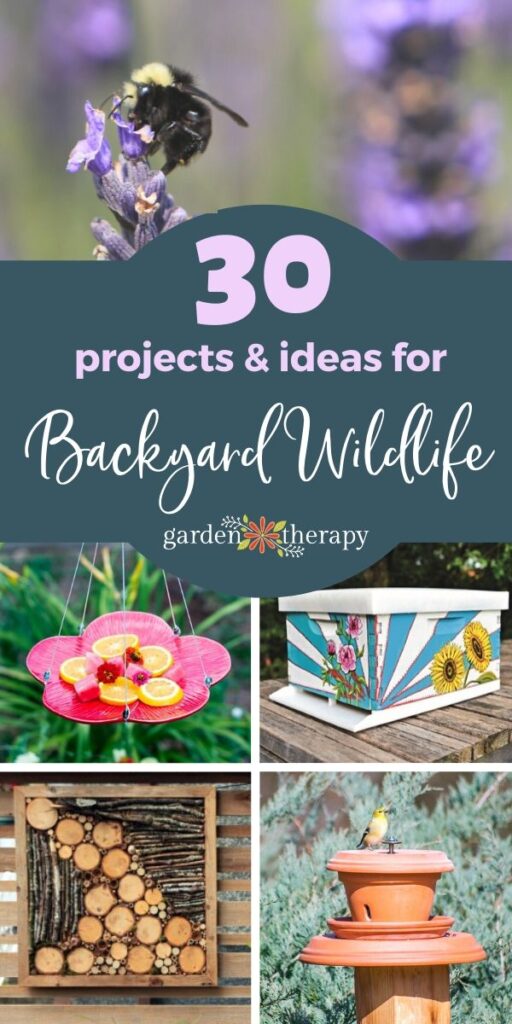
Imagine stepping into your backyard and being greeted by a symphony of chirping birds, the flutter of butterfly wings, and the gentle buzz of bees hard at work. It's more than just a pretty picture; it's a vibrant ecosystem you've created, a haven for local wildlife right outside your door.
Many of us long for a connection with nature, but the idea of transforming our yards into wildlife sanctuaries can feel overwhelming. Where do you even begin? What plants are best? Will it attract unwanted critters? And how do you balance creating a welcoming space for wildlife with maintaining a yard that's still enjoyable for you and your family?
This guide will walk you through the process of building a thriving backyard habitat for wildlife. We'll cover everything from the essential elements of a good habitat – food, water, shelter, and space – to choosing native plants, attracting specific species, and maintaining your wildlife-friendly yard. Get ready to create a little piece of paradise for both you and the creatures that call your neighborhood home!
Creating a backyard habitat involves providing food, water, shelter, and space for wildlife. By choosing native plants, minimizing pesticide use, and offering diverse habitats, you can attract birds, butterflies, bees, and other beneficial creatures. Regular maintenance ensures your habitat remains healthy and vibrant, providing a sustainable haven for local wildlife. So, let's get started building a backyard oasis that benefits both you and nature!
Providing Food Sources
My journey into backyard habitat creation began with birds. I loved watching them flit around my yard, but I realized I wasn't actively providing for their needs. I started with a simple bird feeder, filled with sunflower seeds, and was amazed at the variety of birds it attracted – cardinals, chickadees, finches, and even the occasional woodpecker. It was incredibly rewarding to see these creatures thriving in my yard because of something I had provided.
Beyond feeders, the key to a successful wildlife habitat is providing natural food sources through plants. Native plants are crucial because local wildlife has evolved alongside them and depend on them for sustenance. Berries from native shrubs like serviceberry and elderberry provide food for birds, while the nectar from wildflowers attracts butterflies and bees. Even seemingly "unattractive" plants, like milkweed, are essential for specific species, such as monarch butterflies.
When selecting plants, consider the different seasons. Choose species that provide food throughout the year, from spring blooms to fall berries. Leaving seed heads on plants over winter can also provide a valuable food source for birds during the colder months. By offering a diverse range of food sources, you can support a wider variety of wildlife and create a thriving ecosystem in your backyard.
Supplying Clean Water
Water is as essential as food for wildlife. Providing a clean and reliable water source is a simple yet impactful way to attract a variety of creatures to your backyard habitat. This doesn't have to be elaborate; even a simple birdbath can make a big difference. The key is to keep the water clean and accessible.
Consider adding a shallow dish of water to your garden, especially during dry spells. Butterflies, in particular, benefit from shallow water sources where they can easily access moisture. A small pond or water feature can also attract amphibians, reptiles, and even small mammals. Just be sure to provide an escape route, such as a ramp or rocks, so that animals don't get trapped.
Regular maintenance is essential for keeping your water sources clean. Empty and scrub birdbaths regularly to prevent the spread of diseases. If you have a pond, consider adding a filter to keep the water clear and healthy. By providing a clean and reliable water source, you'll not only attract wildlife but also contribute to their overall health and well-being.
Creating Shelter and Cover
Shelter is crucial for wildlife to escape predators, raise young, and weather harsh conditions. Providing a variety of shelter options in your backyard habitat can attract a wider range of species and create a more sustainable ecosystem. This can range from dense shrubs and trees to rock piles and brush piles.
Native shrubs and trees offer excellent shelter for birds, providing nesting sites, roosting spots, and protection from the elements. Consider planting a variety of species to provide different types of cover. Evergreen trees, for example, offer year-round shelter, while deciduous trees provide shade in the summer and allow sunlight to reach the ground in the winter.
Rock piles and brush piles offer shelter for smaller creatures, such as insects, amphibians, and reptiles. These structures provide a safe haven from predators and a place to overwinter during the colder months. Simply pile up rocks or branches in a corner of your yard to create these simple yet effective shelters. By providing a variety of shelter options, you can create a welcoming and secure environment for wildlife in your backyard.
Minimizing Pesticide Use
One of the most important things you can do to support wildlife in your backyard is to minimize or eliminate pesticide use. Pesticides can harm beneficial insects, such as pollinators, and can also have negative impacts on birds, amphibians, and other creatures that rely on insects for food.
Instead of using pesticides, consider adopting organic gardening practices. This includes using natural methods to control pests, such as hand-picking insects, using beneficial insects, and practicing crop rotation. You can also use organic pesticides, such as insecticidal soap or neem oil, as a last resort.
Another important step is to avoid using herbicides to control weeds. Herbicides can harm native plants and can also have negative impacts on soil health. Instead, consider using manual weeding, mulching, or cover cropping to control weeds. By minimizing pesticide use, you can create a healthier and more sustainable environment for wildlife in your backyard.
Choosing Native Plants
Choosing native plants is paramount when designing a backyard habitat for wildlife. These plants have evolved alongside local fauna, fostering a deep connection that benefits both flora and fauna. Native plants provide the ideal food, shelter, and nesting materials for native animals, creating a synergistic ecosystem that thrives.
One compelling reason to favor native plants is their superior adaptability to local climates and soil conditions. This translates to reduced water and fertilizer needs, making them a sustainable and environmentally friendly choice. Native plants also play a critical role in supporting biodiversity, attracting a wide array of pollinators, birds, and other beneficial creatures. By incorporating native plants into your landscape, you contribute to the preservation of regional ecosystems and create a haven for local wildlife.
When selecting native plants, consider the specific needs of your yard. Factors such as sunlight, soil type, and drainage influence plant selection. Consult with local nurseries or native plant societies for guidance on choosing the best species for your region. Embrace the beauty and ecological benefits of native plants, and watch your backyard transform into a vibrant sanctuary for wildlife.
Maintaining Your Habitat
Creating a backyard habitat is an ongoing process that requires regular maintenance. This includes weeding, pruning, mulching, and managing invasive species. Regular maintenance ensures that your habitat remains healthy and vibrant, providing a sustainable haven for wildlife.
Weeding is essential for preventing invasive plants from taking over your habitat. Invasive plants can outcompete native plants, reducing the availability of food and shelter for wildlife. Be sure to remove invasive plants as soon as you spot them. Pruning is also important for maintaining the health and shape of your plants. Prune trees and shrubs regularly to remove dead or diseased branches and to encourage new growth.
Mulching helps to suppress weeds, retain moisture, and improve soil health. Apply a layer of mulch around your plants to keep them healthy and thriving. Finally, be sure to monitor your habitat for invasive species and take steps to control them. Invasive species can disrupt the ecosystem and harm native wildlife. By maintaining your habitat regularly, you can ensure that it remains a healthy and sustainable environment for wildlife.
Attracting Specific Species
Once your habitat is established, you may want to focus on attracting specific species of wildlife. This can be done by providing the specific food, shelter, and water resources that these species need. For example, if you want to attract hummingbirds, you can plant nectar-rich flowers, such as salvia, bee balm, and trumpet vine. You can also put up a hummingbird feeder filled with sugar water.
If you want to attract butterflies, you can plant host plants for their caterpillars, such as milkweed for monarch butterflies and dill for swallowtail butterflies. You can also provide a butterfly puddling station, which is a shallow dish of water with some rocks or pebbles for the butterflies to land on.
If you want to attract birds, you can provide a variety of bird feeders, birdhouses, and nesting materials. You can also plant trees and shrubs that provide berries and seeds for birds. By providing the specific resources that these species need, you can create a welcoming and sustainable habitat for them in your backyard.
Fun Facts About Backyard Habitats
Did you know that a well-designed backyard habitat can increase property values? Studies have shown that homes with attractive landscaping and wildlife-friendly features are more desirable to buyers. Another fun fact is that backyard habitats can help to reduce your carbon footprint. By planting trees and shrubs, you can sequester carbon dioxide from the atmosphere and help to mitigate climate change.
Backyard habitats can also provide educational opportunities for children and adults. By observing wildlife in your own backyard, you can learn about the natural world and develop a greater appreciation for the environment. You can also use your backyard habitat as a living laboratory to conduct experiments and learn about ecology.
Finally, backyard habitats can be a source of joy and relaxation. Watching birds, butterflies, and other creatures in your backyard can be a therapeutic and rewarding experience. Creating a backyard habitat is a gift to yourself, to your community, and to the environment. It's a way to connect with nature and to make a positive impact on the world around you.
How to Certify Your Backyard Habitat
Several organizations offer certification programs for backyard habitats. These programs provide guidelines for creating a wildlife-friendly yard and recognize homeowners who have met those standards. Certifying your backyard habitat can be a rewarding experience and can help to promote wildlife conservation in your community.
One of the most well-known certification programs is the National Wildlife Federation's Certified Wildlife Habitat program. To become certified, you must provide food, water, shelter, and places to raise young for wildlife. You must also use sustainable gardening practices, such as minimizing pesticide use and conserving water.
Other organizations that offer certification programs include the Audubon Society and the Xerces Society. These programs have similar requirements and can help you to create a thriving habitat for birds, butterflies, and other beneficial creatures. By certifying your backyard habitat, you can demonstrate your commitment to wildlife conservation and inspire others to do the same.
What If You Don't Have a Backyard?
Even if you don't have a traditional backyard, you can still create a habitat for wildlife. Balcony gardens, container gardens, and even window boxes can provide food, water, and shelter for birds, butterflies, and other small creatures. The key is to choose plants that are appropriate for the space and to provide a water source, such as a shallow dish or birdbath.
Consider planting native wildflowers in containers to attract pollinators. You can also put up a bird feeder or hummingbird feeder on your balcony to provide food for birds. If you have a small balcony, you can even create a mini-pond using a plastic container and some rocks or pebbles.
Even small efforts can make a big difference in providing habitat for wildlife. By creating a balcony garden or container garden, you can help to support biodiversity in urban areas and create a more sustainable environment for everyone.
Top 5 Plants for Attracting Pollinators
Here's a listicle of top 5 plants that attract pollinators, crucial for a thriving backyard habitat:
- Milkweed: Monarch butterflies rely solely on milkweed as a host plant for their caterpillars. Plant several varieties to support these iconic butterflies throughout their life cycle.
- Bee Balm: This vibrant flower is a magnet for bees, butterflies, and hummingbirds. Its tubular blooms provide a rich source of nectar, making it an essential addition to any pollinator garden.
- Coneflower: These daisy-like flowers are popular with bees and butterflies. They come in a variety of colors and bloom for a long period, providing a continuous source of nectar.
- Lavender: The fragrant purple flowers of lavender attract a variety of pollinators, including bees, butterflies, and moths. Lavender is also drought-tolerant and easy to grow.
- Aster: Asters bloom in the fall, providing a late-season source of nectar for pollinators. They come in a variety of colors and are a valuable addition to any pollinator garden.
By incorporating these plants into your backyard habitat, you can attract a wide array of pollinators and create a vibrant ecosystem that benefits both you and the environment.
Question and Answer
Q: What are the most important elements of a backyard habitat?
A: The four essential elements are food, water, shelter, and space. Wildlife needs reliable sources of these resources to survive and thrive. Focus on providing these elements in your backyard to create a welcoming and sustainable habitat.
Q: How can I attract butterflies to my backyard?
A: Plant host plants for caterpillars, such as milkweed for monarch butterflies and dill for swallowtail butterflies. Also, provide nectar-rich flowers for adult butterflies, such as bee balm, coneflower, and aster. A butterfly puddling station, a shallow dish of water with rocks, can also attract butterflies.
Q: How do I keep my birdbath clean?
A: Empty and scrub your birdbath regularly, at least once a week, to prevent the spread of diseases. Use a stiff brush and soapy water to remove algae and debris. Rinse thoroughly before refilling with fresh water.
Q: What should I do about invasive plants in my backyard habitat?
A: Remove invasive plants as soon as you spot them. These plants can outcompete native plants, reducing the availability of food and shelter for wildlife. Dig up the entire plant, including the roots, or use an herbicide specifically designed for invasive plants. Dispose of invasive plants properly to prevent them from spreading.
Conclusion of How to Build a Backyard Habitat for Wildlife
Creating a backyard habitat for wildlife is a rewarding journey that connects you with nature and benefits the environment. By providing food, water, shelter, and space, you can attract a variety of creatures and create a thriving ecosystem in your own backyard. Remember to choose native plants, minimize pesticide use, and maintain your habitat regularly to ensure its long-term sustainability. So, get started today and transform your backyard into a haven for wildlife!