How Horses Changed Human Civilization
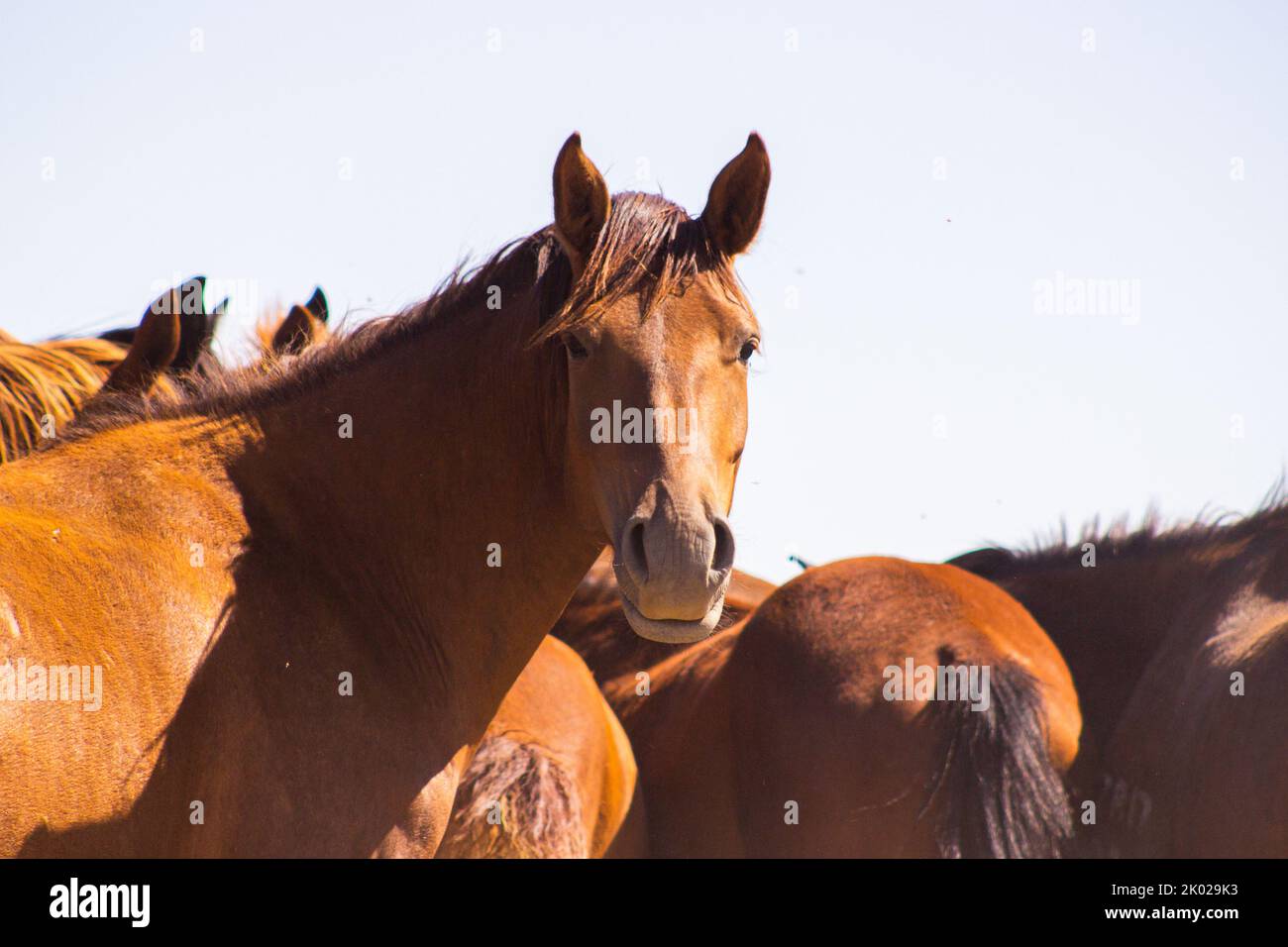
Imagine a world without cars, trains, or even bicycles. Travel across vast distances would be arduous, farming would be back-breaking labor, and warfare would be a very different, much slower affair. This was the reality for our ancestors before a powerful partnership emerged, one that would reshape societies and propel humanity forward: the domestication of the horse.
Consider the sheer weight of societal limitations before the horse's widespread use. Trade routes were limited, communication lagged, and the ability to cultivate large areas of land remained a significant obstacle to growth. Military campaigns were slow and often resulted in drawn-out sieges rather than swift victories. Daily life was a struggle against distance and the limitations of human strength.
Horses fundamentally changed human civilization by providing a revolutionary means of transportation, agriculture, and warfare. They allowed for faster travel and communication across long distances, transforming trade and diplomacy. They increased agricultural productivity by pulling plows and other equipment, leading to food surpluses and population growth. And they revolutionized warfare by providing cavalry forces with speed, mobility, and a significant tactical advantage.
From nomadic migrations to the rise of empires, the horse has been an indispensable partner in human progress. They facilitated trade, boosted agricultural output, and transformed warfare. Their impact is visible in our language, our mythology, and even our modern infrastructure. The story of humanity is inextricably linked to the story of the horse, a creature whose domestication spurred innovation and accelerated the pace of civilization itself.
The Dawn of Domestication: A Turning Point
I remember visiting a horse sanctuary a few years ago, watching these magnificent animals interact with such grace and power. It was a stark reminder of the bond humans have shared with horses for millennia. It’s easy to forget, surrounded by modern technology, that for a significant portion of our history, the horse wastheengine of progress.
The initial domestication of the horse, believed to have occurred in the Eurasian steppes around 4000-3500 BC, was a pivotal moment. These early horses were likely used for meat and milk, but it wasn't long before humans recognized their potential for transportation and labor. The ability to ride horses allowed for faster hunting and herding, leading to a more nomadic lifestyle and the expansion of human settlements. The use of horses to pull carts and plows dramatically increased agricultural productivity, leading to surplus food and supporting larger populations. This surplus, in turn, freed up individuals to pursue other skills and trades, fostering specialization and innovation. The horse, in essence, became a catalyst for social and economic development, paving the way for more complex societies.
Horses in Warfare: A Decisive Advantage
The image of a charging cavalry, knights in shining armor, is deeply ingrained in our historical consciousness. But the impact of horses in warfare goes far beyond romanticized notions. The introduction of the chariot, around 2000 BC, revolutionized warfare, providing a mobile platform for archers and spear throwers. The later development of mounted cavalry offered even greater tactical advantages, allowing armies to move quickly, strike unexpectedly, and overwhelm their enemies.
Consider the impact of horse-mounted warriors like the Mongols, who, under Genghis Khan, conquered vast swathes of Eurasia in the 13th century. Their superior horsemanship and mobility allowed them to outmaneuver and defeat larger, more established armies. The horse provided a strategic advantage that reshaped political landscapes and redrew the map of the world. Even in more recent history, cavalry played a significant role in military campaigns, providing reconnaissance, flanking support, and shock troops. The horse, therefore, became a crucial element of military power, influencing the outcome of countless battles and shaping the course of history.
The Hidden Secrets: Breed and Training
Beyond simply having horses, the true power lay in understanding their diverse abilities and tailoring their training to specific needs. Not all horses are created equal. Different breeds excel in different tasks. Draft horses, for example, are bred for strength and pulling power, making them ideal for agriculture and heavy transport. Light horses, on the other hand, are bred for speed and agility, making them suitable for riding and racing.
The development of specialized training techniques also played a crucial role in maximizing the potential of horses. Mastering the art of horsemanship allowed riders to communicate effectively with their animals, directing them with subtle cues and movements. Training horses for warfare involved instilling discipline, teaching them to respond to commands under pressure, and even training them to bite and kick at enemies. The hidden secret, therefore, lies in the combination of selective breeding and specialized training, which transformed the horse from a wild animal into a versatile and powerful tool.
Recommendations: Exploring Equestrian Culture
If you're looking to delve deeper into the fascinating world of horses and their impact on human civilization, there are countless avenues to explore. Visiting historical sites, such as battlefields where cavalry played a crucial role, can provide a tangible connection to the past. Museums dedicated to equestrian history offer a wealth of information about the development of horsemanship, the evolution of horse breeds, and the role of horses in different cultures.
Participating in equestrian activities, such as horseback riding or attending a horse show, can offer a deeper appreciation for the skill and athleticism of both horse and rider. Reading historical accounts of famous horses and their riders can provide insight into the bond between humans and animals and the impact they had on historical events. Finally, supporting organizations dedicated to the preservation of horse breeds and the welfare of horses can contribute to ensuring that these magnificent animals continue to thrive and enrich our lives. Explore the rich and diverse world of equestrian culture; you may be surprised at what you discover.
The Horse's Influence on Language and Culture
The impact of the horse extends far beyond the practical realms of transportation, agriculture, and warfare. Its influence is deeply embedded in our language, our art, and our mythology. Consider the numerous idioms and expressions that draw on equestrian imagery: "hold your horses," "one-horse town," "get off your high horse." These phrases, passed down through generations, reflect the pervasive presence of horses in our collective consciousness.
Horses also feature prominently in art and literature, often symbolizing power, freedom, and nobility. From the majestic steeds depicted in ancient Greek sculptures to the warhorses of medieval tapestries, horses have been a recurring motif in artistic expression. In mythology, horses are often associated with gods and goddesses, representing strength, speed, and divine power. Pegasus, the winged horse of Greek mythology, is a symbol of inspiration and creativity. The horse, therefore, has become a powerful cultural symbol, shaping our perceptions of ourselves and the world around us.
Tips for Appreciating the Horse's Legacy
To truly appreciate the horse's legacy, it's important to understand the challenges and triumphs of its domestication and integration into human society. Consider the immense effort required to train and care for these animals, the risks involved in riding and working with them, and the profound bond that can develop between horse and rider. Research the history of different horse breeds and their specific roles in agriculture, transportation, and warfare.
Explore the cultural significance of horses in different societies, from the nomadic tribes of Central Asia to the cowboys of the American West. Watch documentaries or read books about the history of horsemanship and the evolution of equestrian sports. By deepening your understanding of the horse's history and its impact on human civilization, you can gain a greater appreciation for the remarkable contribution these animals have made to our world. Seek to comprehend the past and enrich your understanding of our present.
The Future of the Horse-Human Relationship
While the horse is no longer as essential for transportation or agriculture as it once was, its role in human society continues to evolve. Horses are still used for recreation, sport, and therapy, providing companionship, exercise, and emotional support. Therapeutic riding programs have been shown to benefit individuals with physical, cognitive, and emotional disabilities. Horses also play an important role in conservation efforts, helping to manage grasslands and maintain biodiversity. As we move forward, it's crucial to ensure the welfare of horses and to preserve their cultural and historical significance.
Sustainable farming practices are re-embracing the use of horses for plowing and other agricultural tasks, decreasing reliance on fossil fuels and promoting soil health. Consider supporting farms and ranches that prioritize the humane treatment of their horses and contribute to sustainable agriculture. By recognizing the continued value of horses and promoting their well-being, we can ensure that this ancient partnership continues to thrive for generations to come. The relationship is far from over, merely evolving.
Fun Facts About Horses
Did you know that horses can sleep standing up? This adaptation allows them to quickly flee from predators. A horse's teeth take up more space in its head than its brain. The oldest known horse breed is the Arabian, which originated in the Middle East thousands of years ago. Horses can recognize themselves in a mirror and can differentiate between human emotions based on facial expressions.
Horses communicate through a variety of vocalizations and body language, including whinnies, neighs, snorts, and ear positions. The average lifespan of a horse is 25-30 years. The world's tallest horse was a Shire gelding named Sampson, who stood over 7 feet tall. Horses have a nearly 360-degree field of vision, allowing them to detect predators from almost any angle. Their unique anatomy and physiology make them truly remarkable creatures. These fun facts highlight the fascinating and complex nature of horses.
How to Support Ethical Horse Ownership
Supporting ethical horse ownership is crucial for ensuring the well-being of these magnificent animals. Research and choose riding stables, breeding farms, and horse rescues that prioritize humane treatment and adhere to ethical standards. Look for facilities that provide adequate space, nutrition, and veterinary care for their horses. Support organizations that advocate for horse welfare and work to prevent horse abuse and neglect.
Educate yourself about responsible horse ownership practices and promote awareness among your friends and family. When purchasing horse-related products, choose brands that are committed to sustainable and ethical sourcing. Consider adopting a rescued horse instead of purchasing one from a breeder. By making informed choices and supporting ethical practices, we can help to ensure that horses are treated with respect and compassion. The path to helping begins with you.
What if Horses Had Never Been Domesticated?
Imagine a world where the horse remained a wild animal, never brought under human control. Transportation would be drastically slower and more limited, hindering trade, communication, and exploration. Agriculture would rely solely on human labor, resulting in lower productivity and smaller populations. Warfare would lack the speed and mobility provided by cavalry, leading to different military tactics and potentially altering the course of history.
The development of societies would likely have followed a different trajectory, with less emphasis on nomadic lifestyles and potentially slower rates of technological advancement. The absence of the horse would have profoundly impacted our culture, our language, and our relationship with the natural world. It's impossible to know exactly what such a world would look like, but it's safe to say that it would be vastly different from the one we know today. The world would be markedly smaller, and the pace of life far slower.
Listicle: 5 Ways Horses Shaped the World
1.Revolutionized Transportation: Horses provided a faster and more efficient means of travel, enabling trade, communication, and exploration across vast distances.
2.Boosted Agricultural Productivity: Horses pulled plows and other farm equipment, increasing crop yields and supporting larger populations.
3.Transformed Warfare: Cavalry forces provided armies with speed, mobility, and a tactical advantage, influencing the outcome of countless battles.
4.Facilitated Cultural Exchange: Horses enabled the spread of ideas, technologies, and cultural practices between different societies.
5.Shaped Language and Mythology: Horses became powerful symbols of strength, freedom, and nobility, influencing our language, art, and mythology.
Question and Answer About How Horses Changed Human Civilization
Q: When were horses first domesticated?
A: Evidence suggests that horses were first domesticated around 4000-3500 BC in the Eurasian steppes.
Q: How did horses impact agriculture?
A: Horses were used to pull plows and other farm equipment, which significantly increased crop yields and allowed for larger-scale farming.
Q: What role did horses play in warfare?
A: Horses were used to create cavalry forces, providing armies with speed, mobility, and a tactical advantage. They also pulled chariots, which were used as mobile platforms for archers and spear throwers.
Q: How did horses influence culture and language?
A: Horses became powerful symbols of strength, freedom, and nobility, influencing our language, art, and mythology. Many idioms and expressions in our language draw on equestrian imagery.
Conclusion of How Horses Changed Human Civilization
The domestication of the horse stands as a monumental turning point in human history. From transforming agricultural practices to revolutionizing warfare and enabling unprecedented levels of trade and communication, the horse has indelibly shaped the world we inhabit. Its influence extends far beyond practical applications, permeating our language, mythology, and cultural values. Recognizing and appreciating the profound impact of the horse allows us to better understand the trajectory of human civilization and the enduring bond between humans and animals.
0 Response to "How Horses Changed Human Civilization"
Post a Comment