Educational Animal Documentaries for Kids
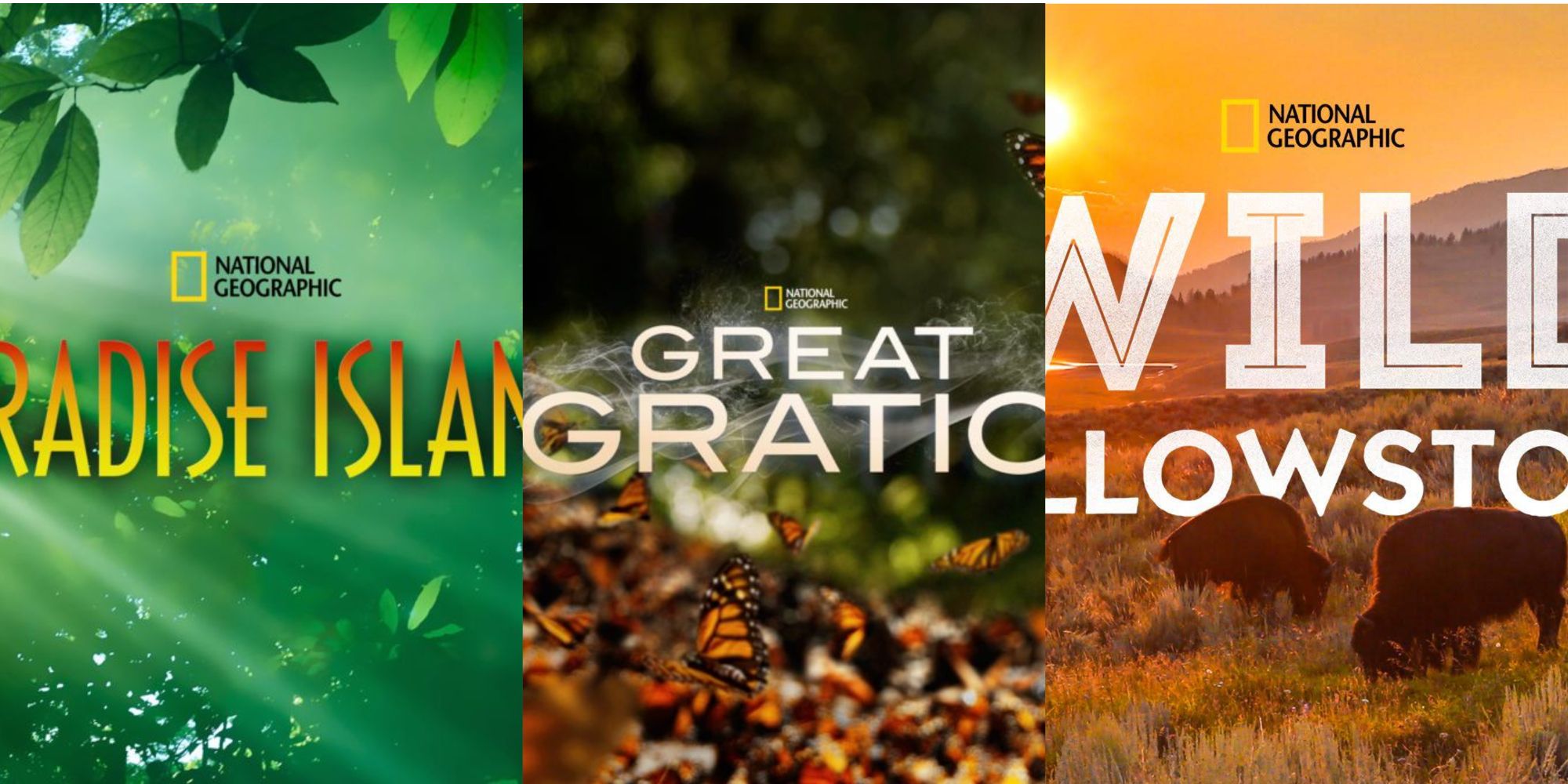
Imagine your child's eyes lighting up, not just from the glow of a screen, but from the wonder of discovering a hidden world teeming with incredible creatures! Forget mindless cartoons – we're talking about sparking a lifelong love of learning through the magic of animal documentaries.
Finding engaging and truly educational content for kids can sometimes feel like a real challenge. We want them to be entertained, but we also want them to absorb something meaningful. Sifting through endless options, ensuring age-appropriateness, and hoping they'll actuallywantto watch it can be exhausting.
This article is for parents, educators, and anyone who wants to introduce children to the amazing world of animals through captivating documentaries. We'll explore why these films are so beneficial, highlight some top choices, and offer tips on making the viewing experience even more enriching.
We'll dive into the benefits of animal documentaries, discuss specific recommendations, and give you practical advice for selecting the right films for your children's age and interests. We'll also debunk some common myths and explore some fun facts along the way. Get ready to unlock a world of animal adventures!
Why Animal Documentaries are a Great Choice for Kids
Animal documentaries offer a unique blend of entertainment and education, making them an incredibly valuable resource for children. They expose kids to diverse ecosystems, fascinating animal behaviors, and the importance of conservation. As a child, I remember being completely mesmerized by a documentary about dolphins. I was fascinated by their intelligence and playful nature. It sparked a lifelong interest in marine biology that I still cherish today. It wasn't just entertainment; it was a window into a world beyond my own, a world that instilled in me a sense of wonder and respect for nature. Educational animal documentaries aren't just about showing animals; they're about building empathy and understanding. They help children connect with the natural world, fostering a sense of responsibility for its preservation. They can introduce complex scientific concepts in an accessible way, making learning fun and engaging. From the smallest insects to the largest whales, these documentaries offer a captivating glimpse into the lives of animals, inspiring curiosity and a desire to learn more. They also provide opportunities for family bonding, as you can watch and discuss these documentaries together, creating shared experiences and lasting memories. The best documentaries often feature stunning visuals, captivating narratives, and engaging narration that keeps children hooked from beginning to end.
What Makes a Good Educational Animal Documentary?
A good educational animal documentary is more than just pretty pictures; it's a carefully crafted story that educates and engages. The key is finding a balance between entertainment and information. Look for documentaries that are visually appealing, with high-quality footage that captures the beauty and diversity of the animal kingdom. The narration should be clear and concise, using language that is appropriate for the target age group. Avoid documentaries that are overly technical or preachy; the goal is to inspire curiosity, not to overwhelm children with information. A good documentary will also have a strong narrative, telling a story that keeps children engaged and invested in the animals they are watching. It should also be factually accurate and up-to-date, based on solid scientific research. Look for documentaries that are produced by reputable organizations, such as the BBC, National Geographic, or PBS. These organizations have a proven track record of producing high-quality educational content. Finally, a good documentary should be age-appropriate, with content that is suitable for the child's developmental stage. Younger children may enjoy documentaries that focus on cute and cuddly animals, while older children may be interested in documentaries that explore more complex topics, such as animal behavior or conservation.
The History and Myth of Animal Documentaries
The history of animal documentaries is intertwined with the evolution of filmmaking itself. Early nature films were often more focused on showcasing exotic animals than on providing in-depth educational content. These films often featured staged scenes and anthropomorphic narratives, blurring the line between fact and fiction. One common myth is that all animal documentaries are completely accurate and unbiased. While most documentaries strive for accuracy, they are still created by humans with their own perspectives and biases. It's important to be aware of this and to encourage children to think critically about what they are seeing. Another myth is that animal documentaries are only for science enthusiasts. In reality, these films can appeal to a wide range of interests, from art and photography to history and culture. The best documentaries offer a holistic view of the animal kingdom, connecting it to broader themes and ideas. As technology has advanced, so too has the quality and accuracy of animal documentaries. Today, filmmakers use sophisticated equipment and techniques to capture stunning footage of animals in their natural habitats. They also work closely with scientists and researchers to ensure that their films are factually accurate and informative. This allows them to tell compelling stories that educate and inspire audiences of all ages.
Unveiling the Hidden Secrets of Animal Behavior
Animal documentaries often reveal hidden secrets about animal behavior that are truly fascinating. They can show us how animals communicate, how they hunt and forage for food, and how they raise their young. For example, some documentaries have revealed the intricate social structures of elephants, showing how they form strong family bonds and communicate through infrasound. One of the hidden secrets of animal behavior is the remarkable adaptability of animals to their environment. Documentaries often showcase how animals have evolved to survive in some of the most extreme conditions on Earth, from the scorching deserts to the frozen Arctic. They also reveal the complex relationships between animals and their environment, highlighting the importance of biodiversity and conservation. Another hidden secret is the incredible intelligence of many animals. Documentaries have shown that animals are capable of problem-solving, learning, and even using tools. For example, some primates have been observed using sticks to extract insects from trees, while some birds have been seen using breadcrumbs to lure fish. These discoveries challenge our anthropocentric view of the world and remind us that we are just one small part of a much larger ecosystem.
Recommended Educational Animal Documentaries for Kids
There are countless fantastic animal documentaries out there, but here are a few recommendations that are particularly well-suited for kids: Planet Earth (and its sequel, Planet Earth II) offers breathtaking visuals and a sweeping overview of the world's ecosystems. Blue Planet (and its sequel, Blue Planet II) dives deep into the ocean, revealing the wonders of marine life. Disneynature films offer engaging narratives and stunning cinematography, with a focus on specific animal species. "Winged Migration" is a visually stunning film that follows the journey of migratory birds across the globe. "March of the Penguins" tells the heartwarming story of emperor penguins as they brave the harsh Antarctic winter to raise their young. When selecting documentaries for your children, consider their age and interests. Younger children may enjoy documentaries that focus on cute and cuddly animals, while older children may be interested in documentaries that explore more complex topics. Also, be sure to preview the documentaries yourself to ensure that they are age-appropriate and free of any content that you may find objectionable. With a little research, you can find documentaries that will entertain and educate your children for hours on end.
Making the Most of the Viewing Experience
Watching a documentary shouldn't just be a passive activity. Engage with your children by asking questions, encouraging discussion, and doing further research on topics that pique their interest. Pause the documentary at interesting points to discuss what you are seeing. Ask your children what they think about the animals' behavior or the challenges they face. Encourage them to do further research on the topics that interest them most. This could involve reading books, visiting websites, or even going to a local zoo or aquarium. Make the viewing experience interactive by creating a "documentary night" with themed snacks and activities. For example, if you are watching a documentary about rainforests, you could serve tropical fruits and build a miniature rainforest diorama. You can also use documentaries as a springboard for other educational activities, such as writing reports, creating presentations, or drawing pictures. By making the viewing experience interactive and engaging, you can help your children develop a deeper understanding and appreciation for the animal kingdom.
Tips for Choosing the Right Documentary
Choosing the right documentary for your child depends on several factors, including their age, interests, and attention span. Start with shorter documentaries for younger children, and gradually increase the length as they get older. Look for documentaries that are visually appealing and have a clear and concise narrative. Consider your child's interests when selecting documentaries. If they are fascinated by dinosaurs, look for documentaries about prehistoric life. If they are interested in marine animals, look for documentaries about the ocean. Be sure to preview the documentaries yourself to ensure that they are age-appropriate and free of any content that you may find objectionable. Read reviews and ratings from other parents to get a sense of the documentary's quality and suitability for children. Some documentaries are more educational than others, while some are more entertaining. Choose the documentaries that best suit your goals and your child's learning style. Finally, don't be afraid to experiment. Try different types of documentaries and see what your child enjoys. You may be surprised by what they discover.
Navigating Sensitive Content
Animal documentaries often depict the harsh realities of the natural world, including predation, competition, and habitat loss. It's important to be prepared to discuss these topics with your children in a sensitive and age-appropriate way. Before watching a documentary, preview it yourself to identify any scenes that may be disturbing or upsetting to your child. Be prepared to pause the documentary and talk about what you are seeing. Encourage your child to ask questions and express their feelings. Explain that predation is a natural part of the food chain and that animals need to eat to survive. Talk about the challenges that animals face, such as habitat loss and climate change. Emphasize the importance of conservation and what we can do to protect animals and their habitats. Help your child develop empathy for animals by discussing their feelings and perspectives. Remind them that animals are sentient beings who deserve our respect and compassion. By addressing sensitive content in a thoughtful and compassionate way, you can help your child develop a deeper understanding of the natural world and their place in it.
Fun Facts About Animal Documentaries
Did you know that some animal documentaries take years to film? Filmmakers often spend months or even years in the field, patiently waiting for the perfect shot. Some documentaries use hidden cameras to capture candid footage of animals in their natural habitats. This allows viewers to see animals behaving in ways that they might not otherwise. Many animal documentaries use cutting-edge technology, such as drones and underwater cameras, to capture stunning visuals. Some documentaries feature behind-the-scenes footage that shows the challenges and triumphs of the filmmaking process. Animal documentaries have played a significant role in raising awareness about conservation issues and inspiring people to take action to protect animals and their habitats. The success of animal documentaries has led to the creation of numerous spin-offs and related media, such as books, websites, and educational programs.
How to Create Your Own Animal Documentary
Creating your own animal documentary can be a fun and educational project for kids of all ages. Start by choosing a topic that interests you. This could be anything from the birds in your backyard to the animals at your local zoo. Do some research on your chosen topic. Read books, visit websites, and talk to experts. Plan your documentary. Write a script, create a storyboard, and gather your equipment. This could include a camera, a microphone, and editing software. Film your documentary. Capture footage of the animals you are studying, as well as interviews with experts. Edit your documentary. Assemble your footage, add narration, and include music and sound effects. Share your documentary with others. Show it to your family, friends, and classmates. You can even upload it to You Tube or Vimeo. Creating your own animal documentary is a great way to learn about animals, develop your filmmaking skills, and share your passion for the natural world with others.
What If Animal Documentaries Didn't Exist?
Imagine a world without animal documentaries. Our understanding of the natural world would be significantly diminished. We would miss out on the opportunity to witness the incredible diversity and complexity of animal life. Our ability to connect with animals and feel empathy for them would be impaired. The conservation movement would lose a powerful tool for raising awareness about the threats facing animals and their habitats. Our children would grow up with a less complete and less inspiring view of the world. Animal documentaries play a vital role in educating us about the natural world, inspiring us to protect it, and enriching our lives in countless ways. Without them, our world would be a much less interesting and less meaningful place.
Top 5 Educational Animal Documentaries for Kids
Here's a quick list to get you started:
- Planet Earth (BBC): Breathtaking visuals of diverse ecosystems.
- Blue Planet (BBC): An immersive journey into the ocean's depths.
- Disneynature Films: Engaging narratives and stunning cinematography focusing on specific animal species.
- Winged Migration: A visually stunning film following migratory birds.
- March of the Penguins: The heartwarming story of emperor penguins.
These documentaries provide an excellent starting point for exploring the animal kingdom with your children. They offer a mix of entertainment, education, and stunning visuals that will captivate and inspire viewers of all ages. Remember to consider your child's age and interests when selecting documentaries, and be prepared to discuss the topics that are presented. With a little planning, you can create a memorable and educational viewing experience that will foster a lifelong love of learning and appreciation for the natural world.
Question and Answer about Educational Animal Documentaries for Kids
Q: At what age can I start showing my child animal documentaries?
A: You can start showing simple nature scenes and very short clips to toddlers. As they get older (around 4-5), they can handle longer, more structured documentaries.
Q: How do I make sure my child is actually learning something?
A: Ask questions during and after the documentary! Discuss what they saw, what they learned, and what they found interesting. Encourage them to do further research on topics that pique their interest.
Q: Are there any documentaries that focus on specific animals?
A: Yes! Many documentaries focus on specific species, such as lions, dolphins, or penguins. Look for films that align with your child's interests.
Q: Where can I find these documentaries?
A: Many streaming services, such as Netflix, Disney+, and Amazon Prime Video, offer a wide selection of animal documentaries. You can also find them on DVD or Blu-ray at libraries and online retailers.
Conclusion of Educational Animal Documentaries for Kids
Educational animal documentaries offer a fantastic way to introduce children to the wonders of the natural world. By choosing the right films, engaging with your children during viewing, and encouraging further exploration, you can foster a lifelong love of learning and a deep appreciation for the animal kingdom. So, grab some popcorn, settle in, and prepare to embark on an incredible adventure!
0 Response to "Educational Animal Documentaries for Kids"
Post a Comment