Dragons vs. Dinosaurs: What’s the Difference?
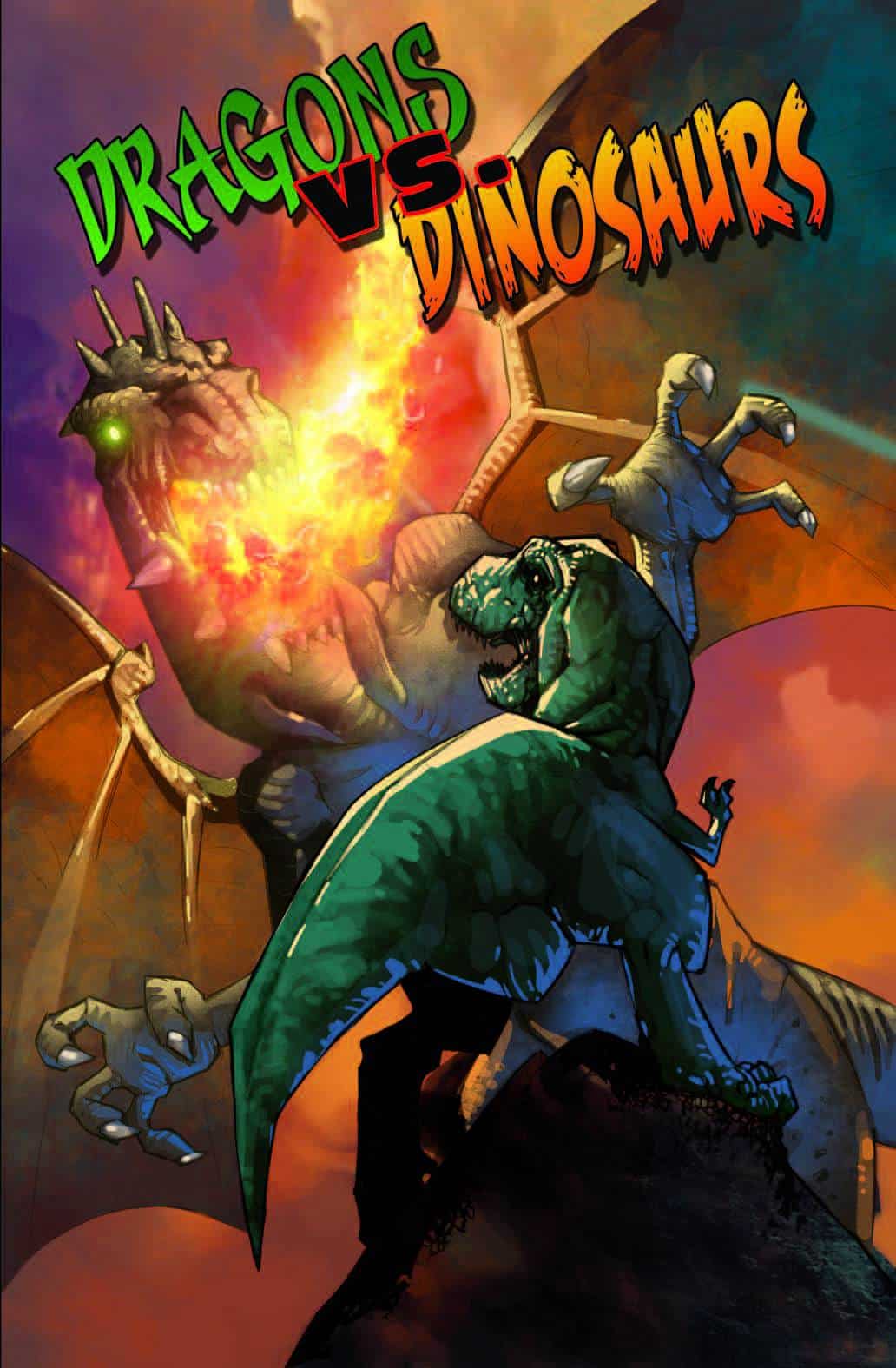
Scales, teeth, and colossal size – both dinosaurs and dragons capture our imaginations like few other creatures. But beyond the superficial similarities, lies a world of difference. Have you ever wondered what truly sets these titans apart?
It's easy to see why people get confused. They’re both depicted as large, powerful, and sometimes even scaly. This often leads to discussions filled with inaccurate assumptions and blurred lines. It can be frustrating to navigate the differences, especially when trying to explain it to kids or just wanting a clearer understanding yourself.
This blog post aims to clarify the distinctions between dragons and dinosaurs. We'll explore their origins, key characteristics, and how they've captured our imaginations in different ways. Get ready to embark on a journey through paleontology and mythology!
Ultimately, dragons are mythical creatures born from human imagination, while dinosaurs were real animals that roamed the Earth millions of years ago. Dragons possess magical abilities, intelligence, and cultural significance absent in dinosaurs. While both have captivated our imaginations, understanding their distinct origins and characteristics allows us to appreciate them in their own right. Key words: Dragons, dinosaurs, mythology, paleontology, mythical creatures, extinct animals, cultural impact.
The Defining Characteristics of Dragons
I remember being a kid and drawing endless pictures of dragons. They were always different, each with unique powers and personalities. Some breathed fire, others could control water, and a few even had the ability to shapeshift. That freedom of imagination is precisely what defines dragons. They aren’t bound by the laws of biology or the constraints of reality. They are creatures of pure fantasy, shaped by the cultures that created them.
Dragons are usually depicted as reptilian creatures, often with wings, scales, and sharp claws. However, their features can vary wildly depending on the specific myth or legend. Chinese dragons, for example, are often serpentine and lack wings, while European dragons are typically winged and quadrupedal. The ability to breathe fire is a common trait, but dragons can also be associated with other elements like water, earth, and air. Beyond their physical attributes, dragons are often portrayed as intelligent, powerful, and sometimes even benevolent beings. They play important roles in mythology, folklore, and literature across cultures worldwide.
The concept of a dragon allows for exploration of themes such as good versus evil, the power of nature, and the potential for both destruction and creation. Dragons embody the human capacity for imagination and storytelling, offering a canvas for exploring complex ideas and emotions through the lens of fantasy.
The Reality of Dinosaurs
Dinosaurs, on the other hand, are a product of scientific discovery. They were real animals that lived during the Mesozoic Era, millions of years ago. Their existence is based on fossil evidence and rigorous scientific analysis. Unlike dragons, which are defined by their variability, dinosaurs are categorized and understood through a systematic process of paleontological research.
Dinosaurs were a diverse group of reptiles that dominated terrestrial ecosystems for over 150 million years. From the colossal sauropods to the fearsome theropods, dinosaurs came in a wide variety of shapes and sizes. They inhabited diverse environments, from lush forests to arid deserts. Fossils of dinosaurs have been found on every continent, providing valuable insights into their evolution, behavior, and extinction.
The study of dinosaurs has revolutionized our understanding of Earth's history and the processes of evolution. Paleontologists continue to uncover new discoveries that challenge existing theories and provide a more complete picture of these magnificent creatures. Dinosaurs offer a tangible link to the past, reminding us of the vastness of time and the ever-changing nature of life on Earth. They represent a biological reality, a testament to the power of evolution and the diversity of life that has existed on our planet.
History and Myth: Tracing Their Origins
The history of dragons is intertwined with human civilization. From ancient Mesopotamian myths to medieval European legends, dragons have been a constant presence in our stories. Each culture has shaped the dragon myth to reflect its own values, beliefs, and fears. Dragons often serve as symbols of power, chaos, or wisdom, depending on the context.
The history of dinosaurs, on the other hand, is a much more recent discovery. While people have undoubtedly stumbled upon dinosaur fossils for centuries, it wasn't until the 19th century that dinosaurs were recognized as a distinct group of animals. The discovery of iconic dinosaurs like Iguanodon and Megalosaurus sparked a wave of scientific interest and ignited the public's imagination.
The contrast between the mythical origins of dragons and the scientific discovery of dinosaurs highlights the different ways humans interact with the world around them. Dragons represent our capacity for storytelling and the creation of meaning, while dinosaurs represent our quest for knowledge and our ability to unravel the mysteries of the natural world. Both, however, have shaped our understanding of ourselves and our place in the universe.
Unveiling Hidden Secrets
One of the hidden secrets of the dragon myth is its adaptability. Dragons can be symbols of hope, fear, destruction, or protection, depending on the narrative. This flexibility allows them to remain relevant and engaging across cultures and throughout history. Dragons are not simply monsters; they are reflections of our deepest desires and anxieties.
The hidden secrets of dinosaurs lie in the ongoing process of scientific discovery. Paleontologists are constantly uncovering new fossils, re-evaluating existing theories, and refining our understanding of these ancient creatures. The more we learn about dinosaurs, the more complex and fascinating they become. They challenge our assumptions about evolution, extinction, and the history of life on Earth.
The interplay between the mythical and the scientific reveals a fundamental truth about human nature. We are both storytellers and scientists, driven by a desire to understand the world around us and to create meaning from our experiences. Dragons and dinosaurs, in their own unique ways, represent the culmination of these two fundamental human impulses.
Recommended Resources
If you're interested in learning more about dragons, I recommend exploring the works of J.R.R. Tolkien, Ursula K. Le Guin, and Anne Mc Caffrey. These authors have created rich and imaginative worlds populated by dragons of all shapes and sizes. You can also delve into the mythology of different cultures, such as Chinese, Japanese, and European, to discover the diverse representations of dragons in folklore and legend.
For those seeking a deeper understanding of dinosaurs, I recommend visiting natural history museums, reading books by leading paleontologists, and watching documentaries that showcase the latest scientific discoveries. The websites of institutions like the American Museum of Natural History and the Smithsonian National Museum of Natural History offer a wealth of information and resources on dinosaurs.
By combining your exploration of dragons and dinosaurs, you can gain a richer appreciation for both the power of human imagination and the wonders of the natural world. They may be different in origin, but both continue to inspire awe and fascination in people of all ages.
Dragons in Popular Culture
Dragons have exploded in popular culture, appearing in countless books, movies, video games, and television shows. From the fearsome Smaug in "The Hobbit" to the loyal dragons of "Game of Thrones," dragons have captured the imagination of audiences worldwide. Their portrayal varies widely, from terrifying beasts to noble companions.
Dinosaurs have also experienced a resurgence in popularity, thanks to films like "Jurassic Park" and documentaries like "Walking with Dinosaurs." These portrayals have brought dinosaurs to life in a way that was never before possible, sparking renewed interest in paleontology and the prehistoric world.
The enduring appeal of both dragons and dinosaurs highlights our fascination with power, mystery, and the unknown. They represent the extremes of both imagination and reality, offering a glimpse into worlds beyond our own. Whether you're drawn to the magic of dragons or the scientific wonder of dinosaurs, there's no denying their impact on our culture and our imaginations.
Tips for Spotting the Difference
When trying to differentiate between dragons and dinosaurs, focus on their origins and characteristics. Ask yourself: Is this creature based on myth and legend, or is it based on fossil evidence? Does it possess magical abilities or unique physical adaptations? Does it breathe fire, or did it roam the Earth millions of years ago?
Another helpful tip is to consider the context in which the creature appears. Dragons are often found in fantasy stories, while dinosaurs are typically featured in scientific documentaries or educational materials. Pay attention to the narrative and the overall tone to help you identify whether you're dealing with a dragon or a dinosaur.
Ultimately, the key is to remember that dragons are imaginary, while dinosaurs were real. This fundamental difference is the foundation for understanding the distinctions between these two captivating creatures.
Key Differences in a Nutshell
To summarize the key differences, consider the following: Dragons are mythical creatures that originated in human imagination and folklore. They often possess magical abilities, intelligence, and symbolic significance. Dinosaurs, on the other hand, were real animals that lived during the Mesozoic Era. Their existence is based on fossil evidence and scientific analysis.
Dragons are typically depicted as reptilian creatures with wings, scales, and the ability to breathe fire. However, their physical appearance can vary widely depending on the specific myth or legend. Dinosaurs were a diverse group of reptiles that came in a wide variety of shapes and sizes. They inhabited diverse environments and lacked the magical abilities associated with dragons.
Understanding these fundamental distinctions will help you avoid confusion and appreciate both dragons and dinosaurs in their own unique ways. They represent different aspects of human experience: the power of imagination and the wonders of the natural world.
Fun Facts About Dragons and Dinosaurs
Did you know that the word "dragon" comes from the Greek word "drakon," which means "serpent" or "giant sea fish"? Or that some cultures believe dragons are benevolent creatures that bring good luck and prosperity?
On the dinosaur side, did you know that the largest dinosaur ever discovered was the Argentinosaurus, which measured over 100 feet long and weighed over 100 tons? Or that birds are actually the direct descendants of theropod dinosaurs, the same group that includes the fearsome Tyrannosaurus Rex?
These fun facts highlight the diverse and fascinating aspects of both dragons and dinosaurs. They offer a glimpse into the rich history and cultural significance of these creatures, inspiring curiosity and wonder in people of all ages.
How to Tell a Good Dragon Story
If you're writing a dragon story, focus on creating a compelling and believable character. Give your dragon unique motivations, personality traits, and backstories. Explore the dragon's relationship with humans, other dragons, and the world around it.
Consider the dragon's powers and abilities. How does it use its fire breath, wings, and other attributes? What are its strengths and weaknesses? Make sure the dragon's powers are consistent with the established rules of your world.
Finally, think about the dragon's role in the story. Is it a hero, a villain, or something in between? How does the dragon's actions affect the other characters and the overall plot? A well-developed dragon can add depth, complexity, and excitement to any story.
What If Dragons Were Real?
Imagine a world where dragons soared through the skies, their roars echoing across the land. How would human civilization be affected? Would we fear them, worship them, or try to tame them?
The existence of dragons would undoubtedly have a profound impact on our technology, culture, and even our understanding of the natural world. Scientists would study their biology, engineers would try to replicate their fire breath, and artists would depict them in countless forms.
Of course, the reality of dragons could also be terrifying. Imagine the devastation they could cause with their fire breath and powerful claws. The world would likely be a much more dangerous and unpredictable place. But even with the potential for destruction, the existence of dragons would undoubtedly be a source of awe and wonder.
Top 5 Dragons and Dinosaurs in Pop Culture
Here’s a quick list of some of the most famous dragons and dinosaurs in pop culture. For Dragons, Smaug from The Hobbit, Drogon from Game of Thrones, Mushu from Mulan, Falkor from The Never Ending Story, and Toothless from How to Train Your Dragon. For Dinosaurs, there's Tyrannosaurus Rex from Jurassic Park, the Brachiosaurus also from Jurassic Park, the Velociraptors from the Jurassic Parkfranchise, Godzilla from, well,Godzilla, and Barney from Barney & Friends.
Question and Answer Section
Q: Are dragons related to dinosaurs?
A: No, dragons are mythical creatures that exist in folklore and fantasy, while dinosaurs were real animals that lived millions of years ago.
Q: What's the biggest difference between dragons and dinosaurs?
A: The biggest difference is that dragons are imaginary, and dinosaurs were real.
Q: Do dragons breathe fire?
A: In most depictions, yes! Fire breathing is a common trait of dragons in mythology and fantasy.
Q: Did dinosaurs have feathers?
A: Yes, many dinosaurs had feathers, especially theropods, the group that includes birds and Tyrannosaurus Rex.
Conclusion of Dragons vs. Dinosaurs: What’s the Difference?
Dragons and dinosaurs both ignite our imaginations, but they exist in fundamentally different realms. Dragons are creatures of myth and fantasy, shaped by human storytelling and cultural symbolism. Dinosaurs were real animals that roamed the Earth millions of years ago, their existence supported by fossil evidence and scientific discovery. Understanding these distinctions allows us to appreciate both dragons and dinosaurs in their own unique ways, celebrating the power of human imagination and the wonders of the natural world.
0 Response to "Dragons vs. Dinosaurs: What’s the Difference?"
Post a Comment