Can Animals Understand Human Language?
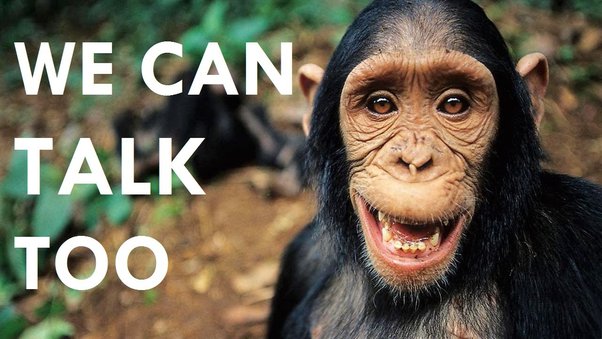
Have you ever looked into your pet's eyes and wondered if they truly understand what you're saying? We often talk to our furry, scaly, or feathered companions, sharing our joys, sorrows, and daily routines. But is it just wishful thinking, or is there real comprehension on the other end of the conversation?
The quest to understand the minds of animals is one that has captivated humans for centuries. We yearn to connect with creatures beyond our own species, but the language barrier often feels insurmountable. Are they simply reacting to our tone and body language, or do they grasp the actual meaning of our words? The challenges of truly knowing what an animal is thinking or understanding can be frustrating for animal lovers and researchers alike.
The question of whether animals can understand human language is complex. While they may not comprehend the nuances of grammar and syntax like humans do, many animals are capable of learning to associate specific words or phrases with actions, objects, or commands. This understanding is often context-dependent and based on learned associations rather than abstract thought.
This article explores the fascinating world of animal cognition and communication, examining the evidence for and against animals' ability to understand human language. We'll delve into the research on various species, from dogs and parrots to dolphins and apes, and uncover the surprising ways in which they interact with our words. We'll also explore the limitations of our understanding and the ongoing efforts to bridge the communication gap between humans and animals. We'll explore animal communication, animal cognition, language acquisition, animal behavior, and interspecies communication.
Do Pets Understand Words?
Absolutely! They understand things. I still remember the day we brought home our golden retriever puppy, "Buddy". He was a bundle of fluff and boundless energy. Early on, it was clear he responded to his name. Anytime we say his name, he would wag his tail excitedly and run towards us. He even learned the word "walk" very quickly. As soon as we grabbed his leash, his ears would perk up, and he'd do a little dance of anticipation. This wasn't just a reaction to the leash itself; he associated the word "walk" with the pleasurable experience of going outside. It wasn't about grammar or complex sentences. Instead, it was about associating specific sounds with specific outcomes. Training relies heavily on this. "Sit," "stay," "fetch" – these are all words we teach our pets to understand. The level of comprehension varies from species to species and even individual to individual. However, the basic principle remains the same: Animals can learn to associate human words with certain actions, objects, or experiences. This kind of understanding is usually related to how we use our tone and body language in order to emphasize the meaning of the language that we use.
The Science of Animal Language Comprehension
The scientific study of animal language comprehension goes far beyond anecdotes and observations of pet behavior. It involves rigorous experimentation and careful analysis to determine the extent to which animals can truly understand human language. Researchers use a variety of methods, including operant conditioning, preferential looking paradigms, and brain imaging techniques, to investigate how animals process and respond to human speech. Operant conditioning involves training animals to associate specific words or phrases with particular actions or rewards. Preferential looking paradigms measure how long animals look at different stimuli, such as pictures or videos, after hearing a specific word or phrase. Brain imaging techniques, such as f MRI, can provide insights into the neural activity that occurs when animals are exposed to human language. By combining these different approaches, scientists are gradually unraveling the mysteries of animal language comprehension. Some researchers believe that animals possess a rudimentary form of syntax, while others argue that their understanding is primarily based on associative learning. The debate continues, but one thing is clear: Animals are far more capable of understanding human language than we once thought.
History and Myths of Animal Communication
The idea that animals can understand and communicate with humans is deeply rooted in history and mythology. From ancient fables to modern-day folklore, stories abound of animals who can talk, reason, and even offer advice to their human companions. These tales often reflect our desire to connect with the natural world and to believe that we can overcome the barriers of language and species. In many cultures, animals are seen as spiritual guides or messengers, possessing wisdom and knowledge that humans have lost touch with. The myth of Dr. Doolittle, who could converse with animals of all kinds, captures the enduring appeal of this idea. While these stories are undoubtedly fanciful, they also raise important questions about the nature of communication and the potential for understanding between different species. Scientists are now exploring the possibility of creating devices that can translate animal communication into human language and vice versa. Whether or not we will ever be able to truly "talk" to animals remains to be seen, but the pursuit of this goal is driving exciting new research in the fields of animal cognition and communication.
Unveiling the Hidden Secrets of Animal Communication
Beyond the words we use, animals communicate in a myriad of ways that are often invisible or incomprehensible to us. They use scent, body language, vocalizations, and even subtle changes in their posture to convey information to one another. These communication signals can be highly complex and nuanced, conveying a wide range of emotions, intentions, and social information. For example, dogs use a complex system of body language, including tail wags, ear position, and facial expressions, to communicate with other dogs and with humans. Cats use scent marking to establish territory and to communicate their presence to other cats. Birds use elaborate songs and calls to attract mates and to defend their territory. Understanding these hidden secrets of animal communication can help us to better understand their behavior and to improve our relationships with them. Researchers are using advanced technologies, such as acoustic recording and video analysis, to decode animal communication signals and to gain new insights into their social lives and cognitive abilities. By learning to "listen" to what animals are really saying, we can gain a deeper appreciation for their intelligence and complexity.
Recommendations for Enhancing Communication with Animals
Building a Stronger Bond Through Understanding
If you're looking to improve your communication with your animal companions, there are several things you can do. The first and most important step is to pay attention to their body language and behavior. Learn to recognize the signs of stress, anxiety, and fear, as well as the signs of happiness and relaxation. This will help you to respond appropriately to their needs and to avoid putting them in situations that make them uncomfortable. Second, use positive reinforcement techniques, such as treats and praise, to reward desired behaviors. This will help them to learn what you want them to do and to associate positive feelings with your commands. Third, be consistent in your communication. Use the same words and phrases to refer to the same actions or objects, and avoid using confusing or contradictory signals. Fourth, be patient and understanding. Learning to communicate effectively with animals takes time and effort, and there will be setbacks along the way. Don't get discouraged, and remember that even small improvements in communication can make a big difference in your relationship with your animal companions. Finally, consider consulting with a professional animal trainer or behaviorist. They can provide you with personalized advice and guidance on how to improve your communication skills and to address any specific behavioral issues that your animals may be experiencing. In general, be aware of what is your tone because that is how animals will understand you.
Tips for Teaching Animals New Words
Teaching an animal to understand new words requires patience, consistency, and a good understanding of how animals learn. Start by choosing a simple word that is relevant to the animal's daily life, such as "food," "toy," or walk.Use the word consistently in conjunction with the object or activity that it represents. For example, when you are feeding your dog, say the word "food" clearly and repeatedly. When you are playing with your cat, say the word "toy" while you are holding or using the toy. Repeat this process many times, and eventually, the animal will begin to associate the word with the object or activity. Use positive reinforcement, such as treats or praise, to reward the animal when they respond correctly to the word. For example, if you say "sit" and the animal sits, give them a treat and tell them "good sit!" This will help them to learn that the word "sit" is associated with the action of sitting and that performing this action will result in a reward. Keep training sessions short and fun, and avoid getting frustrated if the animal doesn't learn the word right away. Some animals learn more quickly than others, and it may take several weeks or even months for an animal to fully understand a new word. However, with patience and persistence, you can teach your animal to understand a surprising number of words. Keep in mind that the animal learns better with short words, and emphasize the meaning of the word with your body language.
The Importance of Tone and Body Language
While animals can learn to associate words with specific meanings, they are often more attuned to our tone of voice and body language than to the words themselves. This is because animals rely heavily on nonverbal communication to understand the intentions and emotions of others. For example, a dog may not understand the words "no" or "bad," but they will quickly learn to recognize the difference between a scolding tone of voice and a praising tone of voice. Similarly, a cat may not understand the words "I'm going to pet you," but they will quickly learn to recognize the body language that precedes a petting session, such as a relaxed posture and a gentle approach. Therefore, it is important to be mindful of your tone of voice and body language when communicating with animals. Use a calm and reassuring tone of voice when you want to reassure them, and avoid using harsh or angry tones that could frighten them. Use gentle and non-threatening body language, such as approaching them slowly and avoiding direct eye contact, to put them at ease. By paying attention to these nonverbal cues, you can improve your communication with animals and build stronger relationships with them. Keep in mind that the animal will trust you more if your behavior is predictable, because they know what to expect.
Fun Facts About Animal Language
Did you know that some parrots can learn to speak hundreds of words and even use them in context? Alex, an African Grey Parrot, was famous for his ability to not only mimic human speech but also to understand the meaning of words and to use them to communicate his needs and desires. Did you know that dolphins use signature whistles to identify themselves to other dolphins? Each dolphin has its own unique whistle that serves as a name, allowing them to recognize and communicate with one another. Did you know that bees communicate with one another through a complex dance language? The waggle dance, performed by worker bees, conveys information about the location and distance of food sources to other bees in the hive. These are just a few examples of the amazing ways in which animals communicate with one another and with humans. The more we learn about animal communication, the more we appreciate their intelligence and complexity. There are even animals that are able to deceive other animals by imitating their sounds or behaviors. Animal language helps them survive, because it allows them to communicate any issues with each other, such as danger, food, or health.
How to Teach Your Dog to "Read"
Teaching your dog to "read" is a fun and rewarding activity that can strengthen your bond and improve their cognitive abilities. While dogs cannot literally read words, they can learn to associate written words with specific objects or actions. Start by choosing a few simple words that your dog already knows, such as "food," "toy," or walk.Write these words on index cards or pieces of paper, using large, clear letters. Show your dog the card and say the word aloud, then immediately give them the object or perform the action. For example, show your dog the card that says "food" and then give them a treat. Repeat this process many times, and eventually, your dog will begin to associate the written word with the object or action. Once your dog has learned to recognize a few words, you can start to test their knowledge by showing them the cards and asking them to identify the corresponding object or action. If they choose correctly, reward them with a treat or praise. You can also use this technique to teach your dog new commands. Write the command on a card and show it to your dog before giving the command verbally. This will help them to learn to associate the written word with the desired action. Remember to be patient and consistent, and to make the learning process fun and rewarding for your dog. This type of training helps stimulate the animal's brain and helps them feel safe with their owners.
What if Animals Truly Understood Human Language?
Imagine a world where animals could fully understand human language. What would the implications be for our relationships with them? How would it change the way we treat them? If animals could understand our words, they would be able to tell us what they need, what they want, and how they feel. We would be able to have meaningful conversations with them, and we would be able to understand their perspectives on the world. This could lead to a greater sense of empathy and compassion for animals, and it could inspire us to treat them with more respect and kindness. However, it could also raise some difficult ethical questions. If animals can understand our language, do they have the same rights as humans? Should they be allowed to vote? Should they be allowed to own property? These are complex questions that would need to be addressed if animals were able to fully understand human language. In general, if they truly understood humans, animals would be able to have better protection and better living conditions in the human world. This may also allow animal to understand when humans are a threat.
Top 5 Ways Animals Communicate
Here are five key ways animals communicate:
- Scent Marking: Many animals use scent to mark their territory, attract mates, or communicate their presence to others. Dogs, cats, and many other mammals use urine, feces, and other bodily secretions to leave scent trails that can be detected by other animals.
- Body Language: Animals use a variety of body postures, facial expressions, and gestures to communicate their emotions, intentions, and social status. Dogs, for example, use tail wags, ear position, and facial expressions to communicate with other dogs and with humans.
- Vocalizations: Animals use a wide range of sounds, including barks, howls, meows, chirps, and songs, to communicate with one another. These vocalizations can convey a variety of information, such as warnings, mating calls, and social signals.
- Visual Displays: Animals use visual displays, such as bright colors, elaborate plumage, and courtship dances, to attract mates and to signal their dominance or social status. Birds, fish, and insects often use visual displays to communicate with one another.
- Touch: Animals use touch to comfort, groom, and bond with one another. Primates, for example, often groom each other as a way of strengthening social bonds. Animals also use touch to communicate aggression or dominance.
Question and Answer about Can Animals Understand Human Language?
Question 1: Can my dog really understand everything I say?
Answer: While your dog may not understand every single word, they can learn to associate specific words and phrases with actions, objects, or commands. They also rely heavily on your tone of voice and body language to understand your intentions and emotions.
Question 2: Is it possible to teach a cat to understand human language?
Answer: Yes, it is possible to teach a cat to understand human language, although cats may be less receptive to training than dogs. Cats can learn to associate words with specific objects or actions, and they are also very sensitive to tone of voice and body language.
Question 3: What is the best way to communicate with my pet?
Answer: The best way to communicate with your pet is to use a combination of words, tone of voice, and body language. Be consistent in your communication, and use positive reinforcement techniques, such as treats and praise, to reward desired behaviors.
Question 4: Are some animals better at understanding human language than others?
Answer: Yes, some animals are better at understanding human language than others. Dogs, parrots, dolphins, and apes are all known for their ability to learn and understand human words and commands. However, even within these species, there is individual variation in language comprehension abilities.
Conclusion of Can Animals Understand Human Language?
While animals may not comprehend the intricacies of human language in the same way that we do, it's clear that they are capable of understanding far more than we often give them credit for. Through careful observation, scientific research, and a willingness to connect with them on their own terms, we can continue to unravel the mysteries of animal communication and build stronger, more meaningful relationships with the creatures that share our world. The journey to understand animal language is a journey of discovery, one that challenges our assumptions and expands our understanding of the natural world.
0 Response to "Can Animals Understand Human Language?"
Post a Comment