Ant Colonies: Superorganisms Beneath Our Feet
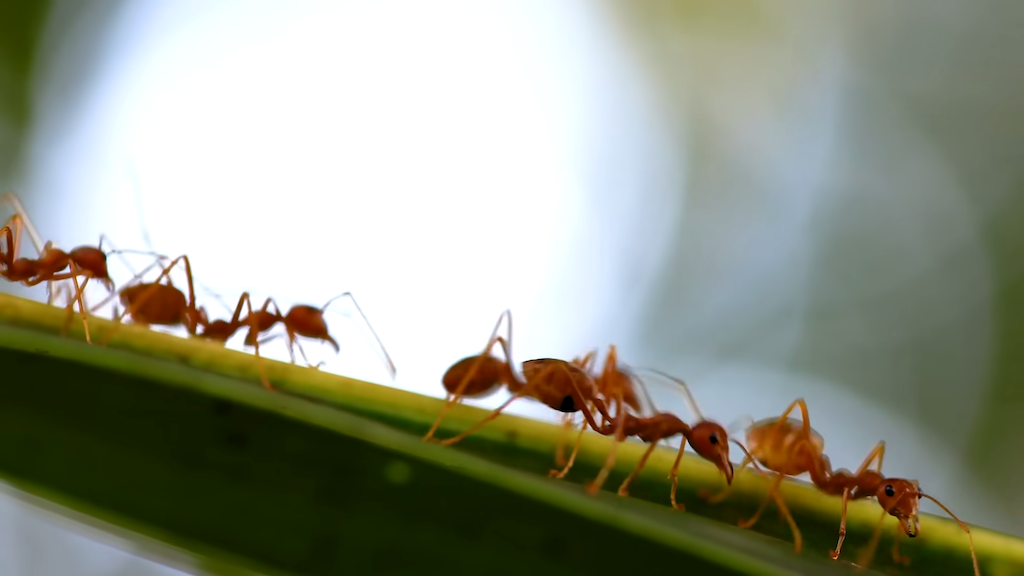
Have you ever stopped to consider the intricate society thriving right beneath your feet? It's a world of coordinated effort, specialized roles, and a collective intelligence that rivals some of the most complex organisms on the planet. We're talking about ant colonies – not just a bunch of insects, but superorganisms that function as a single, unified entity.
We often encounter ants as pests, an annoying line marching across our kitchen counter, or a mound disrupting our carefully manicured lawn. We might reach for the spray, seeing them as individual nuisances to be eradicated. But what if we shifted our perspective? What if we started to see them not as isolated insects, but as interconnected parts of a much larger, more fascinating whole?
This blog post aims to unravel the mysteries of ant colonies and explore the concept of them as superorganisms. We'll delve into their social structure, communication methods, and the remarkable ways they cooperate to ensure the survival of their colony. We'll discover how understanding their collective behavior can offer insights into the complexities of biology and even inspire innovative solutions in fields like computer science and engineering.
Ant colonies are more than just collections of individual ants; they are complex superorganisms, exhibiting a remarkable level of cooperation, communication, and division of labor. From the queen's central role to the worker ants' tireless efforts, each member contributes to the colony's overall success. Their sophisticated communication through pheromones, their ability to adapt to changing environments, and their inspiring examples of self-organization make them fascinating subjects of study. Key concepts explored include social insect behavior, pheromone communication, division of labor, and collective intelligence.
The Queen's Reign: More Than Just an Egg-Laying Machine
For years, I pictured the queen ant as some absolute monarch, sitting on a throne made of leaves, barking orders at her worker subjects. A David Attenborough documentary completely shattered that image. It turns out, her primary roleisegg-laying, but she's also a crucial chemical signal source, influencing the colony's behavior and development. Think of her as the colony's "information hub", rather than its supreme dictator. Without her specific pheromones, the intricate social structure could collapse. They need her to survive, and without her, there are no more ants to continue the colony.
Ant colonies are fascinating examples of social organization, and the queen ant is a central figure in this intricate system. While she is responsible for laying eggs and ensuring the colony's growth, her role extends beyond mere reproduction. The queen also produces pheromones that regulate the behavior of worker ants, influencing their tasks and maintaining the colony's overall stability. This chemical communication helps to coordinate the colony's activities, from foraging for food to defending against predators. In essence, the queen acts as a chemical signal source, guiding the colony's actions and ensuring its survival. As the colony's only reproductive female, the queen's health and well-being are paramount to the colony's success. She is carefully tended to by the worker ants, who provide her with food and care for her eggs. This symbiotic relationship highlights the interdependence of individuals within the colony and the importance of cooperation for their collective survival.
Division of Labor: A Specialized Workforce
Imagine a city where everyone does a little bit of everything – chaos would reign! Ant colonies avoid this by having a strict division of labor. Some ants are nurses, caring for the young. Others are foragers, venturing out to find food. Some are soldiers, defending the colony. This specialization maximizes efficiency and allows the colony to function as a well-oiled machine.
The division of labor in ant colonies is a remarkable example of social organization. Different castes of ants, such as workers, soldiers, and reproductive individuals, are specialized for specific tasks, allowing the colony to function more efficiently as a whole. Worker ants, typically the most numerous caste, are responsible for a wide range of tasks, including foraging for food, building and maintaining the nest, and caring for the young. Soldiers, with their larger size and powerful jaws, are specialized for defense against predators and rival colonies. Reproductive individuals, such as the queen and males, are responsible for reproduction and the continuation of the colony. This division of labor allows the colony to exploit resources more effectively, defend itself against threats, and ensure the survival of the species. It also highlights the importance of cooperation and interdependence within the colony, as each individual relies on the others to perform their specialized tasks and contribute to the overall success of the group. The intricate coordination of these different castes is a testament to the complex social organization of ant colonies.
Pheromone Communication: The Language of Ants
Ants don't use spoken language like we do. Instead, they communicate primarily through pheromones – chemical signals that trigger specific responses in other ants. A forager ant finding a food source leaves a pheromone trail, guiding other ants to the bounty. When danger threatens, alarm pheromones are released, alerting the colony to the threat.
Pheromone communication is a fundamental aspect of ant colony organization, enabling ants to coordinate their activities and respond to changing environmental conditions. Ants produce a variety of pheromones, each with a specific meaning or function. These chemical signals can be used to mark trails to food sources, signal alarm in response to threats, identify nestmates, and regulate social interactions. When an ant encounters a food source, it leaves a trail of pheromones on its way back to the nest, guiding other ants to the food. When danger threatens the colony, ants release alarm pheromones that trigger a defensive response in other ants. These pheromones can also be used to distinguish between nestmates and non-nestmates, preventing aggression between members of the same colony. The complexity and diversity of ant pheromone communication highlight the sophistication of their social organization and their ability to adapt to changing environments.
Colony Defense: Strength in Numbers
Ants are often small, but their collective strength makes them formidable. Some species have powerful mandibles to bite and sting, while others use chemical defenses. They work together, overwhelming larger predators with sheer numbers and coordinated attacks. The survival of the colony depends on their unwavering defense.
Colony defense is a critical aspect of ant colony survival, ensuring the protection of the nest and its inhabitants from predators and rival colonies. Ants have evolved a variety of defense mechanisms, including physical aggression, chemical defenses, and cooperative behaviors. Some ant species have powerful mandibles that can be used to bite and sting intruders, while others can spray or secrete noxious chemicals to deter attackers. In addition to these individual defense mechanisms, ants also engage in cooperative defense behaviors, such as swarming, nest sealing, and mutual grooming. When threatened, ants will often swarm together to overwhelm larger predators with sheer numbers. They may also seal off the nest entrances to prevent intruders from entering. Mutual grooming is used to remove parasites and pathogens from nestmates, promoting colony health and reducing the risk of disease outbreaks. These collective defense strategies highlight the importance of cooperation and coordination for colony survival.
Adapting to the Environment
Ant colonies are incredibly adaptable, thriving in a wide range of environments from deserts to rainforests. They adjust their foraging strategies, nest construction, and social behavior to suit the specific conditions of their habitat. Some species even exhibit unique adaptations, like storing food in specialized worker ants or building complex underground nests to regulate temperature and humidity.
Ant colonies have evolved remarkable adaptations to thrive in a diverse range of environments. In arid regions, ants may forage for food during the cooler hours of the night or construct deep underground nests to escape the heat. In tropical rainforests, ants may build arboreal nests suspended in trees or form symbiotic relationships with plants for food and shelter. Some ant species have developed specialized behaviors and physical adaptations to exploit specific food sources or defend against predators. For example, army ants form massive raiding columns that can decimate entire populations of insects and other arthropods. Leafcutter ants cultivate fungi in underground gardens, using the fungi as a primary food source. These adaptations allow ant colonies to colonize a wide range of habitats and play a crucial role in their respective ecosystems.
Lifespan
Ants have varying lifespans depending on their role within the colony. Worker ants typically live for a few months to a year, while queen ants can live for several years, even decades in some species. The queen's longevity is crucial for the long-term survival of the colony, as she is responsible for laying eggs and replenishing the population.
The lifespan of ants varies greatly depending on their caste and species. Worker ants, which are the most numerous members of the colony, typically live for a few months to a year. Their lifespan is influenced by factors such as workload, environmental conditions, and the availability of resources. Queen ants, on the other hand, can live for several years, even decades in some species. The queen's longevity is crucial for the long-term survival of the colony, as she is responsible for laying eggs and replenishing the population. Male ants, which are produced only during reproductive periods, have the shortest lifespan, typically dying shortly after mating. The varying lifespans of different ant castes reflect their specialized roles within the colony and the importance of maintaining a stable and productive workforce.
Ants in mythology
Ants appear in folklore and mythology across different cultures. Their industrious nature and organized societies have often been seen as symbols of diligence, cooperation, and community. In some cultures, ants are considered to be symbols of good luck, while in others, they are associated with negative traits such as greed and overwork.
Ants have played a significant role in mythology and folklore across various cultures, often symbolizing diligence, cooperation, and community. In ancient Greece, ants were associated with Demeter, the goddess of agriculture and fertility, and were seen as symbols of hard work and abundance. In some Native American cultures, ants are revered as powerful medicine animals, representing strength, perseverance, and teamwork. In other cultures, ants are associated with negative traits, such as greed and overwork. In Aesop's fable "The Ant and the Grasshopper," the ant is portrayed as a wise and industrious creature who prepares for the winter, while the grasshopper is depicted as lazy and improvident. Despite these varying interpretations, ants have consistently been recognized for their remarkable social organization and their ability to thrive in challenging environments.
Fun Facts About Ants
Did you know that ants can lift objects many times their own weight? Or that there are over 12,000 known species of ants? These are just a few of the fascinating facts about these tiny creatures. Their resilience, social complexity, and ecological importance make them truly remarkable.
Ants are truly remarkable creatures with a variety of fascinating facts that highlight their unique adaptations and social organization. For example, ants can lift objects many times their own weight, due to their strong muscles and exoskeletons. Some ant species are known for their aggressive behavior and their ability to form massive raiding columns that can decimate entire populations of insects and other arthropods. Other ant species cultivate fungi in underground gardens, using the fungi as a primary food source. Ants also play a crucial role in ecosystems around the world, contributing to nutrient cycling, seed dispersal, and pest control. Their complex social organization, remarkable adaptations, and ecological importance make them a fascinating subject of study.
How to Observe Ants Without Disturbing Them
If you're curious about ant colonies, you can observe them in their natural habitat without causing harm. Look for ant trails in your backyard or local park, and watch their behavior from a distance. You can also create a simple ant farm to observe them up close, but make sure to provide them with appropriate food and shelter, and release them back into their natural environment after a few weeks.
Observing ants in their natural habitat can be a fascinating and educational experience. To avoid disturbing their behavior, it is important to observe them from a distance and avoid interfering with their activities. Look for ant trails in your backyard or local park, and watch how the ants communicate, forage for food, and interact with their environment. You can also create a simple ant farm to observe them up close, but make sure to provide them with appropriate food and shelter, and release them back into their natural environment after a few weeks. By observing ants in a respectful and non-intrusive manner, you can gain a deeper appreciation for their complex social organization and their important role in the ecosystem.
What If Ants Disappeared?
The disappearance of ants would have significant consequences for ecosystems around the world. Ants play crucial roles in soil aeration, seed dispersal, nutrient cycling, and pest control. Their absence would disrupt these processes, leading to changes in plant communities, increased pest populations, and overall ecosystem instability.
The disappearance of ants would have profound and far-reaching consequences for ecosystems around the world. Ants play crucial roles in soil aeration, seed dispersal, nutrient cycling, and pest control. Their absence would disrupt these processes, leading to changes in plant communities, increased pest populations, and overall ecosystem instability. For example, many plant species rely on ants to disperse their seeds, and the loss of ants would lead to a decline in these plant populations. Ants also play a vital role in controlling populations of other insects, and their disappearance would lead to an increase in pest outbreaks. The ecological consequences of ant disappearance highlight the importance of these small but mighty creatures in maintaining the health and stability of ecosystems.
Top 5 Amazing Ant Facts
Let's recap some of the most astonishing facts about ant colonies:
- Ants can lift 50 times their own weight!
- Ant colonies can have millions of individuals.
- Some ants farm fungi for food.
- Ants use pheromones to communicate.
- Ants have been around for over 100 million years!
These facts highlight the extraordinary adaptations and social complexity of these tiny creatures.
Ants are truly remarkable creatures with a plethora of amazing facts that underscore their unique adaptations and social organization. Here are five of the most astonishing facts about ant colonies: 1. Ants can lift objects 50 times their own weight, thanks to their strong muscles and exoskeletons.
2. Ant colonies can have millions of individuals, working together in a highly coordinated and efficient manner.
3. Some ant species cultivate fungi in underground gardens, using the fungi as a primary food source.
4. Ants use pheromones to communicate with each other, marking trails, signaling alarm, and regulating social interactions.
5. Ants have been around for over 100 million years, evolving into a diverse range of species with remarkable adaptations to thrive in a variety of environments. These facts highlight the extraordinary adaptations and social complexity of these tiny creatures, and their vital role in ecosystems around the world.
Questions and Answers About Ant Colonies: Superorganisms
Here are some common questions about ant colonies and their superorganism nature:
Question 1: What makes an ant colony a "superorganism"?
Answer: An ant colony is considered a superorganism because it functions as a single, integrated unit, with individual ants acting as specialized cells within a larger organism. They exhibit coordinated behavior, division of labor, and a collective intelligence that surpasses the capabilities of individual ants.
Question 2: How do ants communicate within a colony?
Answer: Ants communicate primarily through pheromones, chemical signals that trigger specific responses in other ants. They use pheromones to mark trails to food sources, signal alarm in response to threats, identify nestmates, and regulate social interactions.
Question 3: What is the role of the queen ant in a colony?
Answer: The queen ant is responsible for laying eggs and ensuring the colony's growth. She also produces pheromones that regulate the behavior of worker ants, influencing their tasks and maintaining the colony's overall stability.
Question 4: Why are ants important for the environment?
Answer: Ants play crucial roles in soil aeration, seed dispersal, nutrient cycling, and pest control. Their activities contribute to the health and stability of ecosystems around the world.
Conclusion of Ant Colonies: Superorganisms Beneath Our Feet
Ant colonies, as superorganisms, offer a fascinating glimpse into the power of collective intelligence and social organization. By understanding their intricate societies, we can gain valuable insights into the complexities of biology and potentially apply these principles to solve problems in other fields. So, the next time you see an ant, remember that you're not just looking at a single insect, but a member of a highly organized and remarkably efficient superorganism thriving right beneath your feet.
0 Response to "Ant Colonies: Superorganisms Beneath Our Feet"
Post a Comment