Animals With the Strongest Bite Force
Ever wondered what creature on this planet packs the most powerful punch with its jaws? It's a fascinating, sometimes terrifying, thought to consider the sheer force some animals can generate with a single bite.
We're all drawn to the extremes, the biggest, the fastest, and definitely the strongest. But sometimes, the numbers can be overwhelming and difficult to contextualize. What does itreallymean to have the strongest bite force? How is it measured, and what makes one animal's bite so much more powerful than another's? It’s easy to get lost in the statistics and hard to understand the actual implications.
This blog post aims to explore the animal kingdom's heavy hitters, the creatures with the most bone-crushing, awe-inspiring bite forces. We'll delve into the science behind these powerful bites, the animals that wield them, and what makes them so formidable.
From saltwater crocodiles to great white sharks, we'll uncover the animals with the strongest bite forces on Earth. We'll explore the science behind their powerful jaws, the evolutionary adaptations that allow them to exert such pressure, and the reasons why such force is necessary for their survival. Get ready to meet the titans of the animal kingdom, measured not by size, but by the sheer power of their bite.
Saltwater Crocodile: The Reigning Champ
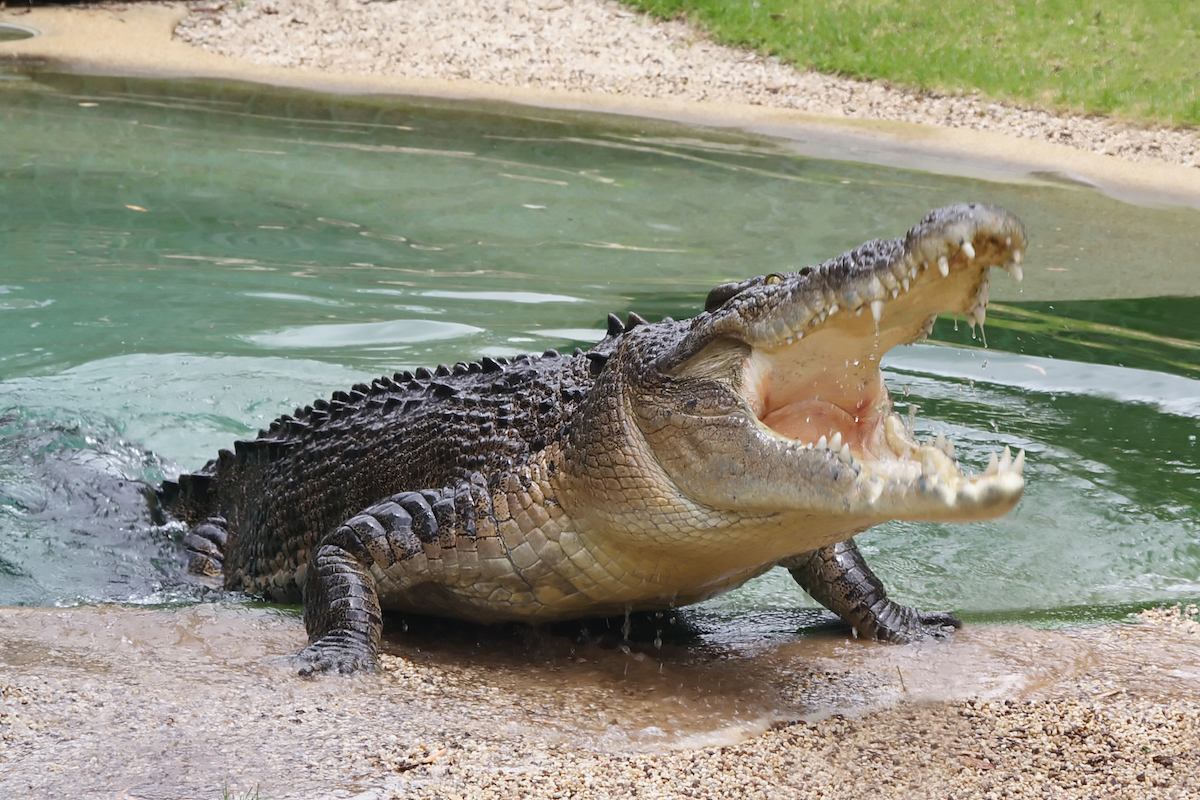
My first encounter with a crocodile was at a zoo as a child. Even from a safe distance, the sheer size and power radiating from the reptile were palpable. It was easy to imagine the devastating force it could unleash. Years later, learning about the saltwater crocodile's incredible bite force cemented that childhood impression. The bite force of a saltwater crocodile has been measured at over 3,700 PSI (pounds per square inch), making it the strongest bite of any living animal. This incredible power is due to their large jaw muscles and conical teeth, perfectly designed for gripping and crushing prey. They use this immense force to subdue animals much larger than themselves, often ambushing them near the water's edge. The saltwater crocodile, native to Southeast Asia, Australia, and the surrounding islands, isn't just a predator; it's a testament to the raw power of nature. Their bite force helps them survive in diverse environments, allowing them to consume a wide range of prey, from fish and turtles to larger mammals. The ability to exert such pressure is a key factor in their evolutionary success.
Great White Shark: Jaws of Legend
The great white shark is synonymous with terror, largely due to its powerful jaws and reputation as a fearsome predator. While its bite force isn't quite as strong as the saltwater crocodile's, it still clocks in at a respectable 4,000 PSI. What makes the great white's bite so effective is the combination of its serrated, razor-sharp teeth and its powerful jaw muscles. These teeth act like miniature saws, allowing the shark to tear through flesh and bone with relative ease. Great white sharks primarily feed on marine mammals like seals and sea lions, and their bite force is crucial for incapacitating these large, powerful prey. Their feeding strategy often involves a surprise attack from below, followed by a single, devastating bite. The shark then waits for its prey to bleed out before consuming it. This efficient hunting technique, coupled with their immense size and powerful bite, makes the great white shark one of the ocean's apex predators. The great white shark's fame is mostly from Jaws movie.
Jaguar: The Skull Crusher
Jaguars, the largest cats in the Americas, are renowned for their exceptionally strong bite. What sets them apart is their ability to deliver a killing bite directly to the skull of their prey. With a bite force of around 2,000 PSI, jaguars can pierce the skulls of animals like caiman, turtles, and even cattle. This remarkable ability allows them to access the brain, providing a quick and efficient kill. Jaguars are opportunistic hunters, adapting their diet to the available prey in their habitat. Their powerful bite gives them a distinct advantage in securing food, especially when competing with other predators. They are found in Central and South America, and their survival is increasingly threatened by habitat loss and human encroachment. The jaguar's bite force is a crucial adaptation that has allowed them to thrive in a diverse and challenging environment. The bite force allows Jaguar to eat hard-shelled animals.
Hyena: Bone-Crushing Power
Hyenas are often perceived as scavengers, but they are also highly skilled hunters with incredibly powerful jaws. Spotted hyenas, in particular, are known for their ability to crush bones, extracting the marrow and nutrients within. Their bite force, estimated at around 1,100 PSI, is the strongest of any land mammal. This bone-crushing ability is a key adaptation that allows hyenas to exploit a food source that is inaccessible to many other predators. They play a vital role in the ecosystem by cleaning up carcasses and preventing the spread of disease. Hyenas are social animals, living in clans that can number over 100 individuals. Their strong bite force is essential for both hunting and defending their territory. They are found in Africa, and their populations are threatened by habitat loss and human persecution. The hyena's bite is a symbol of its resilience and adaptability.
Why is Bite Force Important?
Bite force is a crucial factor in an animal's survival, influencing its ability to hunt, defend itself, and compete for resources. Animals with stronger bite forces can subdue larger prey, access more diverse food sources, and protect themselves from predators. The evolution of powerful jaws and teeth is often driven by the need to exploit specific ecological niches. For example, animals that feed on hard-shelled prey, such as turtles or crustaceans, require exceptionally strong bite forces to break through their protective armor. Similarly, predators that target large, powerful animals need a strong bite to incapacitate their prey quickly and efficiently. Bite force is also important for defense. Animals with strong bites can deter predators and defend their territory from rivals. In some species, bite force is even used in social interactions, such as establishing dominance hierarchies. Bite force is a key factor in an animal's ecological success.
Tips for Understanding Bite Force
Understanding bite force isn't just about memorizing numbers; it's about understanding the underlying biology and ecology that drive the evolution of powerful jaws. Consider the animal's diet, habitat, and social behavior when evaluating its bite force. For example, a herbivore with a strong bite might use it to strip bark from trees or crack open nuts, while a carnivore might use it to crush bones or tear through flesh. Also, keep in mind that bite force is not the only factor that determines an animal's predatory success. Other important factors include hunting strategy, speed, agility, and intelligence. A small animal with a relatively weak bite can still be an effective predator if it employs clever tactics or has specialized adaptations. Furthermore, it's important to note that bite force measurements can vary depending on the method used and the individual animal being tested. The PSI (pounds per square inch) is the most used measurement to determine the bite force.
The Physics of a Powerful Bite
The physics of a powerful bite is fascinating. It's not just about the size of the jaw muscles, but also about the leverage and mechanical advantage of the jaw structure. Animals with shorter, broader jaws tend to have stronger bites because they can generate more force at the point of contact. The shape and arrangement of the teeth also play a crucial role. Sharp, pointed teeth are ideal for piercing and tearing flesh, while flat, broad teeth are better for grinding and crushing. The skull also plays a crucial role, distributing the force of the bite evenly to prevent injury. The study of bite force is known as bite force analysis, and it involves using sophisticated techniques to measure and model the forces generated by an animal's jaws. This research can provide valuable insights into the evolution of feeding adaptations and the ecological roles of different species. Bite force analysis is a complex and interdisciplinary field that combines aspects of biology, physics, and engineering.
Fun Facts About Bite Force
Did you know that humans have a relatively weak bite force compared to other mammals? Our bite force is typically around 150-200 PSI, which is enough to chew food but not nearly enough to crush bones or inflict serious injury. Another interesting fact is that the extinct Megalodon shark is estimated to have had a bite force of over 18,000 PSI, making it one of the most powerful predators that ever lived. The evolution of bite force is a fascinating story, with different species developing unique adaptations to suit their specific ecological niches. Some animals have even evolved specialized structures to enhance their bite force, such as the bony crests on the skulls of some dinosaurs. The study of bite force is constantly evolving, with new research revealing surprising insights into the power and diversity of animal jaws. The most powerful bite force ever recorded belongs to the saltwater crocodile.
How to Measure Bite Force
Measuring bite force is a challenging task, requiring specialized equipment and careful methodology. One common method involves using a device called a bite sleeve, which is a pressure-sensitive pad that records the force exerted by an animal's jaws. The animal is encouraged to bite down on the sleeve, and the resulting data is used to calculate the bite force in PSI. Another method involves using computer models to simulate the forces generated by an animal's jaws. These models are based on anatomical data, such as the size and shape of the skull and jaw muscles. Both methods have their limitations, and the accuracy of the results depends on the quality of the data and the expertise of the researchers. Measuring bite force in wild animals can be particularly challenging, requiring specialized traps and handling techniques. Despite the challenges, bite force measurements are invaluable for understanding the evolution of feeding adaptations and the ecological roles of different species. A bite sleeve is like a pillow that calculates bite force.
What If Animals Bite Force Exceeded Expectations
Imagine a world where bite forces far exceed our current understanding. What if an animal evolved a bite force capable of crushing steel or shattering diamonds? The ecological consequences would be profound. Such an animal would likely become an apex predator, capable of dominating its ecosystem and reshaping the food web. The evolution of such a powerful bite would require significant adaptations, including reinforced skulls, massive jaw muscles, and specialized teeth. The sheer force generated by such a bite could also have unintended consequences, potentially damaging the animal's own jaws or teeth. The development of such an extreme bite force would likely be driven by intense competition for resources or the need to overcome formidable defenses. The possibility of such an animal evolving is remote, but it highlights the remarkable potential of natural selection to shape the evolution of life. The more powerful bite force an animal possess, the more ecological damage they can impose to an ecosystem.
Top 5 Animals With the Strongest Bite Force
Here is a list of the top 5 animals with the strongest bite force:
- Saltwater Crocodile: 3,700 PSI - The undisputed champion of bite force, these reptiles can crush bones with ease.
- Great White Shark: 4,000 PSI - The ocean's apex predator, equipped with razor-sharp teeth and a powerful bite.
- Jaguar: 2,000 PSI - The skull-crushing cat of the Americas, capable of piercing the skulls of its prey.
- Hyena: 1,100 PSI - The bone-crushing scavenger of Africa, able to extract marrow from the bones of carcasses.
- Gorilla: 1,300 PSI - A herbivore with a surprisingly strong bite, used for stripping bark and crushing tough vegetation. This list highlights the diversity of animals with strong bite forces, ranging from reptiles and sharks to mammals and primates. The evolution of these powerful bites is a testament to the power of natural selection.
Question and Answer
Q: What is PSI?
A: PSI stands for pounds per square inch, a unit of measurement for pressure. In the context of bite force, it indicates the amount of force exerted by an animal's jaws over a specific area.
Q: How do scientists measure bite force?
A: Scientists typically use a device called a bite sleeve, which is a pressure-sensitive pad that records the force exerted by an animal's jaws. Computer models are also used to simulate bite forces.
Q: Which animal had the strongest bite force ever?
A: The extinct Megalodon shark is estimated to have had a bite force of over 18,000 PSI, making it one of the most powerful predators that ever lived.
Q: Why is bite force important for animals?
A: Bite force is crucial for hunting, defense, and competition for resources. Animals with stronger bite forces can subdue larger prey, access more diverse food sources, and protect themselves from predators.
Conclusion of Animals With the Strongest Bite Force
The animal kingdom is full of fascinating adaptations, and the evolution of powerful bite forces is a prime example. From the bone-crushing jaws of the saltwater crocodile to the skull-piercing bite of the jaguar, these animals have evolved remarkable abilities to thrive in their respective environments. Understanding bite force provides valuable insights into the ecology, behavior, and evolution of these incredible creatures.
0 Response to "Animals With the Strongest Bite Force"
Post a Comment