The Surprising Intelligence of Octopuses: 7 Things You Didn’t Know
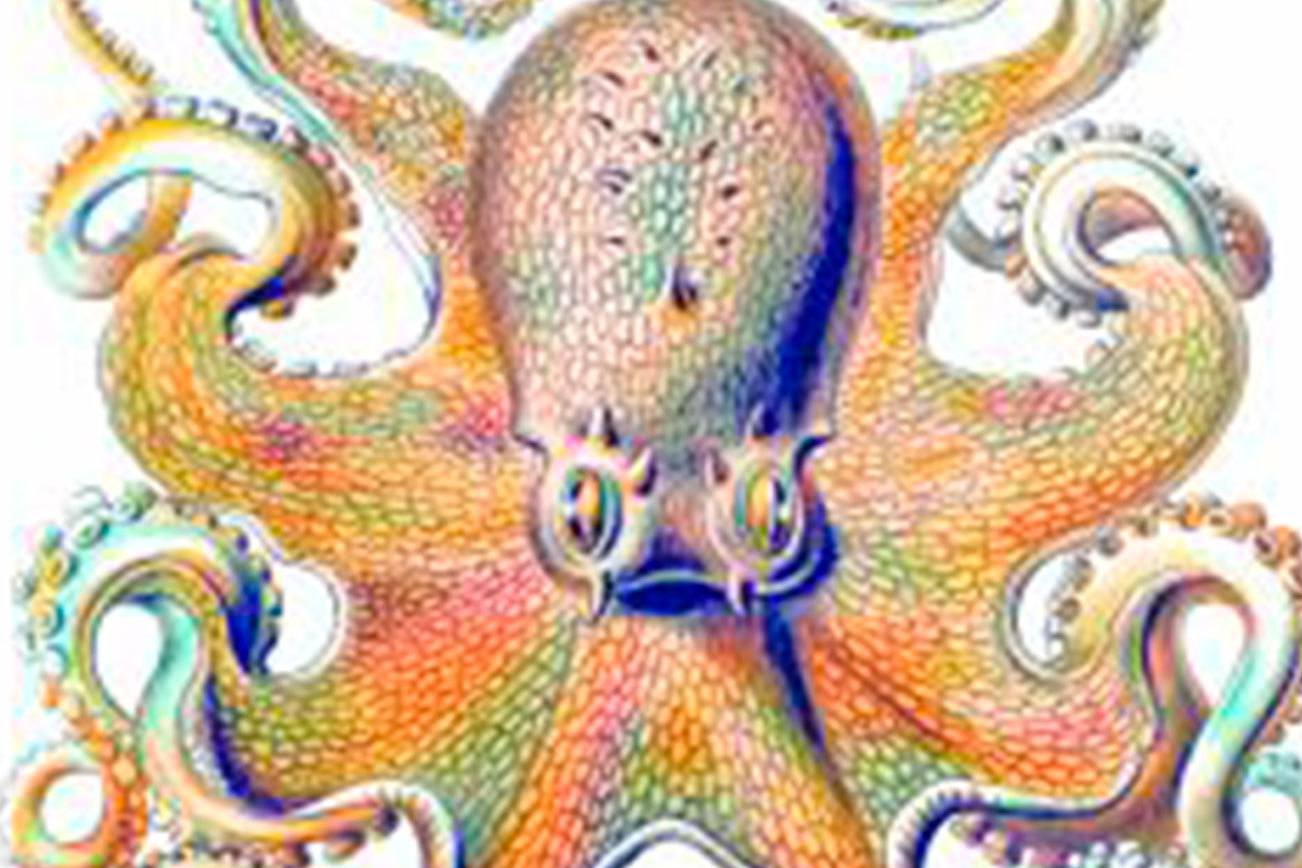
Imagine a creature that can open childproof pill bottles, escape from seemingly inescapable tanks, and even predict the outcome of soccer matches. Sounds like science fiction, right? Prepare to be amazed, because these are just a few of the incredible feats attributed to octopuses, nature's eight-armed enigmas.
We often underestimate the intelligence of creatures that are vastly different from ourselves. It's easy to assume that because they lack our familiar structures – warm blood, complex social systems, or even bones – they must also lack the cognitive abilities we value. But what if we're wrong? What if we've been overlooking a hidden world of intelligence, right beneath the surface of the ocean?
This post is dedicated to unraveling the mysteries surrounding octopus intelligence. We're going to dive deep (pun intended!) into seven surprising facts that will challenge your perceptions and reveal the astonishing cognitive abilities of these fascinating cephalopods. Get ready to be amazed!
We've explored the incredible cognitive abilities of octopuses, from their problem-solving skills and ability to use tools, to their unique nervous system and capacity for learning. We've touched on their camouflage abilities, their history in mythology, and even offered tips on how to appreciate these creatures responsibly. Key takeaways include the decentralised intelligence of their nervous system, their sophisticated camouflage techniques, and the ethical considerations surrounding their captivity. This is just a glimpse into the world of octopus intelligence.
Octopuses Can Solve Complex Problems
This one always blows my mind. I remember watching a documentary once where an octopus was presented with a clear container holding a tasty crab. The container was sealed with a screw-top lid. Within minutes, the octopus, using its tentacles and surprisingly strong grip, managed to unscrew the lid and claim its prize. It wasn't a lucky accident; it did it repeatedly! It really made me question what else these animals were capable of that we just didn't see.
Octopuses possess remarkable problem-solving abilities, often demonstrating a level of ingenuity that rivals some mammals. They can navigate mazes, open jars containing food, and even dismantle plumbing within aquarium tanks. This intelligence stems from their unique nervous system, which is decentralized. Instead of a single central brain controlling everything, each of their eight arms has a mini-brain of its own, allowing them to perform independent tasks simultaneously. This distributed intelligence allows for incredible flexibility and adaptability when faced with a challenge. Furthermore, octopuses learn through observation, mimicking the actions of other octopuses to acquire new skills. Their curiosity and persistent approach to problem-solving highlight a cognitive complexity that continues to surprise scientists. The ability to learn and adapt, coupled with their unique neurological structure, makes them truly exceptional problem solvers in the animal kingdom. They showcase a capacity to use past experiences to inform future actions, highlighting their impressive memories and cognitive flexibility.
They Have a Decentralized Nervous System
The octopus nervous system is unlike anything we see in vertebrates. Instead of a large, centralized brain controlling everything, octopuses have a smaller brain and ganglia (clusters of nerve cells) in each of their arms. This means each arm can act somewhat independently. For example, an octopus can be eating something with one arm while simultaneously exploring its environment with another, without the "brain" needing to consciously direct both actions.
This decentralized system allows for incredibly complex and rapid responses to stimuli. An octopus's arm can react to touch and taste without input from the main brain, allowing for immediate escape responses or intricate manipulation of objects. The octopus's brain is still essential for coordinating overall behavior and learning, but the independent action of the arms allows for remarkable dexterity and flexibility. Each arm contains about two-thirds of the octopus's neurons, highlighting the sheer processing power distributed throughout their body. Scientists believe this unique nervous system is crucial to their ability to camouflage themselves, manipulate objects, and solve problems with such efficiency. The decentralization also means that an arm, even when severed (which they can regenerate), can still perform basic movements and reactions. This unique neurological structure is a testament to the octopus's evolutionary adaptation to its environment, granting them an unparalleled level of control and responsiveness.
Octopus Camouflage Is Incredibly Sophisticated
For centuries, humans have been both fascinated and afraid of octopuses. In ancient Greek mythology, the Kraken was a legendary sea monster, often depicted as a giant octopus-like creature capable of dragging ships to the depths. Sailors throughout history have spun tales of encounters with massive octopuses, capable of crushing hulls and devouring entire crews. These stories, while often exaggerated, reflect a primal fear of the unknown and the immense power of the ocean.
Beyond the myths, octopuses have held a prominent place in various cultures. In some coastal communities, they are revered as symbols of intelligence and adaptability, their ability to camouflage representing resourcefulness and survival. They are also a staple in many cuisines, with octopus dishes found around the world. However, the increasing awareness of their intelligence and sentience has led to growing ethical concerns about their use as food. The cultural perceptions of octopuses are complex and multifaceted, ranging from fear and awe to respect and appreciation. As we continue to learn more about these incredible creatures, our relationship with them will undoubtedly continue to evolve. Their enigmatic nature, combined with their remarkable abilities, ensures their continued presence in our stories, our art, and our understanding of the natural world. They remain a potent symbol of the mysteries that lie beneath the waves.
They Can Taste with Their Skin
One of the most incredible hidden secrets of octopuses is their ability to taste with their skin. Imagine being able to identify objects just by touching them, not only feeling their texture but also knowing their chemical composition. This is a reality for octopuses, thanks to receptors on their suckers that can detect chemicals in the water. This allows them to "taste" what they're touching, helping them identify prey and navigate their environment.
This ability is particularly useful for octopuses that hunt in dark or murky waters where visibility is limited. By using their sense of taste, they can quickly identify edible items from inedible ones. The receptors on their suckers can distinguish between different types of prey, allowing them to target specific food sources. This tactile and chemoreceptive sense also plays a role in their camouflage. By tasting the surrounding environment, they can better match their skin color and texture to blend in seamlessly. Furthermore, the ability to taste with their skin contributes to their problem-solving abilities. They can use this sense to explore and understand the properties of objects, helping them figure out how to open jars or solve other puzzles. This unique sensory adaptation highlights the octopus's incredible ability to perceive and interact with the world around them in ways that are truly remarkable. It’s a testament to the power of evolution in creating organisms perfectly adapted to their specific environments.
Ethical Considerations of Octopus Captivity
Given everything we know about octopus intelligence and sensitivity, it's crucial to consider the ethical implications of keeping them in captivity. While aquariums can provide valuable opportunities for research and education, the complex needs of these animals often go unmet in artificial environments.
Octopuses require spacious and stimulating environments to thrive. Confined tanks can lead to boredom, stress, and even self-mutilation. The lack of natural enrichment, such as complex habitats and opportunities for exploration, can severely impact their well-being. Moreover, octopuses are solitary creatures and may experience stress from being housed with other individuals. Ensuring adequate care for octopuses in captivity requires a deep understanding of their behavioral and psychological needs. This includes providing ample space, a variety of enrichment activities, and carefully monitoring their behavior for signs of distress. Furthermore, the sourcing of octopuses for aquariums raises ethical concerns about the impact on wild populations. Sustainable practices and responsible breeding programs are essential to minimize the harm to these incredible creatures. Ultimately, the decision to keep an octopus in captivity should be made with careful consideration of their welfare and the ethical implications involved. We must strive to ensure that their needs are met and that their well-being is prioritized above all else.
Conservation Concerns: Protecting Octopus Habitats
The long-term survival of octopuses depends on our ability to protect their natural habitats. Threats such as pollution, overfishing, and climate change are having a significant impact on octopus populations around the world.
Pollution, particularly plastic pollution, poses a serious risk to octopuses and their prey. Plastic debris can entangle octopuses, contaminate their food sources, and disrupt their reproductive cycles. Overfishing can deplete octopus populations directly, as well as indirectly by reducing the availability of their prey. Climate change is also altering ocean temperatures and acidity, which can negatively impact octopus survival and reproduction. Protecting octopus habitats requires a multifaceted approach, including reducing pollution, implementing sustainable fishing practices, and mitigating climate change. Marine protected areas can provide safe havens for octopuses and other marine life, allowing them to thrive and reproduce without the threat of human interference. Furthermore, raising awareness about the importance of octopus conservation can help encourage responsible behavior and support for conservation efforts. By working together, we can ensure that these incredible creatures continue to thrive in our oceans for generations to come. Their intelligence and adaptability make them valuable members of the marine ecosystem, and we have a responsibility to protect their habitats and ensure their survival.
Tips for Respecting Octopuses in the Wild
If you're lucky enough to encounter an octopus in the wild, it's important to observe them respectfully and avoid disturbing their natural behavior. Here are a few tips:
Maintain a safe distance: Avoid approaching octopuses too closely, as this can stress them out. Observe them from a distance and allow them to interact with their environment without feeling threatened. Do not touch or handle them: Octopuses have delicate skin and can be easily injured by human contact. Additionally, handling them can disrupt their protective mucus layer and expose them to harmful bacteria. Avoid using flash photography: The bright light from a camera flash can disorient and startle octopuses. If you want to take photos, use natural light or a red filter, which is less disturbing to them. Do not feed them: Feeding octopuses can disrupt their natural foraging behavior and make them dependent on humans. Allow them to hunt for their own food and maintain their natural ecosystem roles. Leave their environment undisturbed: Avoid touching or moving rocks, shells, or other objects in their habitat. Octopuses use these objects for camouflage and shelter, and disturbing them can disrupt their natural environment. By following these simple tips, you can help ensure that octopuses remain safe and healthy in their natural habitats. Respecting their space and avoiding any interference with their behavior is essential for their well-being and the health of the marine ecosystem. Observing them from a distance and appreciating their beauty without causing harm is the best way to enjoy these incredible creatures.
The Future of Octopus Research
The study of octopus intelligence is a rapidly evolving field, with new discoveries being made all the time. Scientists are using a variety of techniques to unravel the mysteries of their complex minds, including behavioral experiments, neuroimaging, and genetic analysis.
Behavioral experiments are used to test octopus learning, memory, and problem-solving abilities. These experiments often involve presenting octopuses with puzzles or challenges and observing how they respond. Neuroimaging techniques, such as MRI and EEG, are used to study the structure and function of the octopus brain. These techniques can reveal insights into how octopuses process information and make decisions. Genetic analysis is used to study the octopus genome and identify genes that are associated with intelligence and other complex traits. This research can help us understand the evolutionary origins of octopus intelligence and how it compares to intelligence in other animals. The future of octopus research is bright, with many exciting discoveries on the horizon. As we continue to unravel the mysteries of their complex minds, we will gain a deeper understanding of intelligence, consciousness, and the evolution of life on Earth. The more we learn about octopuses, the more we appreciate their unique abilities and the importance of protecting them and their habitats. Their intelligence is a testament to the power of evolution and the diversity of life on our planet.
Fun Facts About Octopuses
Let's dive into some fun facts about these amazing creatures! Did you know that octopuses have three hearts? Two pump blood through the gills, while the third circulates blood to the rest of the body. This unique circulatory system is essential for their active lifestyle.
Another fascinating fact is that octopuses can change their skin color and texture in a fraction of a second. This incredible camouflage ability allows them to blend seamlessly with their surroundings, making them masters of disguise. They can even mimic the appearance of other animals, such as venomous sea snakes, to deter predators. Octopuses are also incredibly strong and agile. Their suckers can grip objects with tremendous force, and they can squeeze through incredibly small spaces. They have been known to escape from aquariums and even open jars containing food. Furthermore, octopuses are intelligent and curious creatures. They have been observed playing with toys, solving puzzles, and even recognizing individual humans. Their cognitive abilities are truly remarkable for an invertebrate. Octopuses are also short-lived animals, with most species living for only one to two years. This short lifespan means that they must reproduce quickly and efficiently. The female octopus lays thousands of eggs, which she guards and cares for until they hatch. After the eggs hatch, she typically dies. These fun facts highlight the incredible diversity and complexity of octopuses. They are truly remarkable creatures that continue to fascinate and amaze us.
How to Appreciate Octopuses Responsibly
Appreciating octopuses responsibly means being mindful of their welfare and the health of their environment. It starts with educating yourself about their unique needs and the threats they face.
Support sustainable seafood choices: Avoid consuming octopus that has been caught using destructive fishing practices. Look for sustainably sourced octopus or consider choosing other seafood options altogether. Reduce your plastic consumption: Plastic pollution is a major threat to octopuses and other marine life. Reduce your use of single-use plastics and properly dispose of plastic waste. Visit aquariums that prioritize octopus welfare: Choose aquariums that provide octopuses with spacious and stimulating environments. Support aquariums that are actively involved in octopus research and conservation. Respect their natural habitat: When diving or snorkeling in areas where octopuses live, avoid touching or disturbing them. Observe them from a distance and allow them to interact with their environment without feeling threatened. Support conservation organizations: Donate to organizations that are working to protect octopuses and their habitats. Your support can help fund research, conservation efforts, and educational programs. Share your knowledge: Educate others about the importance of octopus conservation and encourage them to adopt responsible practices. By working together, we can help ensure that these amazing creatures continue to thrive in our oceans for generations to come. Their intelligence and adaptability make them valuable members of the marine ecosystem, and we have a responsibility to protect them.
What if Octopuses Were Even Smarter?
Imagine a world where octopuses possessed even greater intelligence than they do now. What would the implications be? It's a fascinating thought experiment that forces us to reconsider our understanding of intelligence and our place in the natural world.
If octopuses were even smarter, they might be capable of complex communication, perhaps even developing their own language. They could potentially build tools, create art, and even develop their own culture. The possibilities are endless. However, greater intelligence could also come with greater challenges. Smarter octopuses might be more aware of their captivity and suffer more from the stress of confinement. They might also be more vulnerable to exploitation by humans. The ethical implications of dealing with highly intelligent octopuses would be profound. We would need to reconsider our relationship with them and ensure that their rights are respected. Perhaps we would even need to grant them legal personhood. The prospect of even smarter octopuses raises many questions about the nature of intelligence and our responsibility to other intelligent beings. It challenges us to think beyond our anthropocentric worldview and consider the potential for intelligence to arise in unexpected forms. The future of octopuses and their relationship with humans is uncertain, but one thing is clear: they are remarkable creatures that deserve our respect and protection.
Listicle: 7 Surprising Facts About Octopus Intelligence
Okay, let's break down those amazing octopus abilities into a neat and tidy list!
1. Problem-Solving Masters: They can open jars, solve mazes, and even dismantle aquarium equipment.
2. Decentralized Brainpower: Each arm has its own "mini-brain," allowing for independent action.
3. Camouflage Experts: They can change their skin color and texture in a fraction of a second to blend in with their surroundings.
4. Taste with Their Skin: Suckers contain receptors that can detect chemicals, allowing them to "taste" what they touch.
5. Three Hearts: Two pump blood through the gills, while the third circulates blood to the body.
6. Tool Use: Some octopuses have been observed carrying coconut shells for shelter.
7. Short Lifespan: Most species live for only one to two years, making their intelligence even more remarkable. These facts highlight the incredible diversity and complexity of octopuses. They are truly remarkable creatures that continue to fascinate and amaze us. Their intelligence is a testament to the power of evolution and the diversity of life on our planet. As we continue to learn more about octopuses, we will undoubtedly uncover even more surprising facts about their cognitive abilities. Their unique nervous system, their remarkable camouflage, and their problem-solving skills make them one of the most intelligent invertebrates on Earth. They are a reminder that intelligence can arise in unexpected forms and that we should always be open to new discoveries about the natural world.
Question and Answer
Here are some frequently asked questions about octopus intelligence:
Q: How intelligent are octopuses compared to other animals?
A: Octopuses are considered to be among the most intelligent invertebrates, rivaling some mammals in their problem-solving abilities and complex behaviors.
Q: How do octopuses learn?
A: Octopuses learn through observation, trial and error, and even social learning. They can mimic the actions of other octopuses to acquire new skills.
Q: Do octopuses feel pain?
A: While the extent to which octopuses experience pain is still under investigation, their complex nervous system and behavioral responses suggest that they are capable of feeling pain.
Q: What can I do to help protect octopuses?
A: You can help protect octopuses by supporting sustainable seafood choices, reducing your plastic consumption, and supporting conservation organizations that are working to protect their habitats.
Conclusion of The Surprising Intelligence of Octopuses: 7 Things You Didn’t Know
The world of octopus intelligence is a captivating and ever-evolving field. From their remarkable problem-solving skills to their unique nervous system and camouflage abilities, octopuses continue to challenge our understanding of intelligence and the animal kingdom. By appreciating their intelligence and being mindful of their welfare, we can ensure that these amazing creatures continue to thrive in our oceans for generations to come.
0 Response to "The Surprising Intelligence of Octopuses: 7 Things You Didn’t Know"
Post a Comment