The Role of Pollinators: Why Bees, Butterflies, and Bats Matter
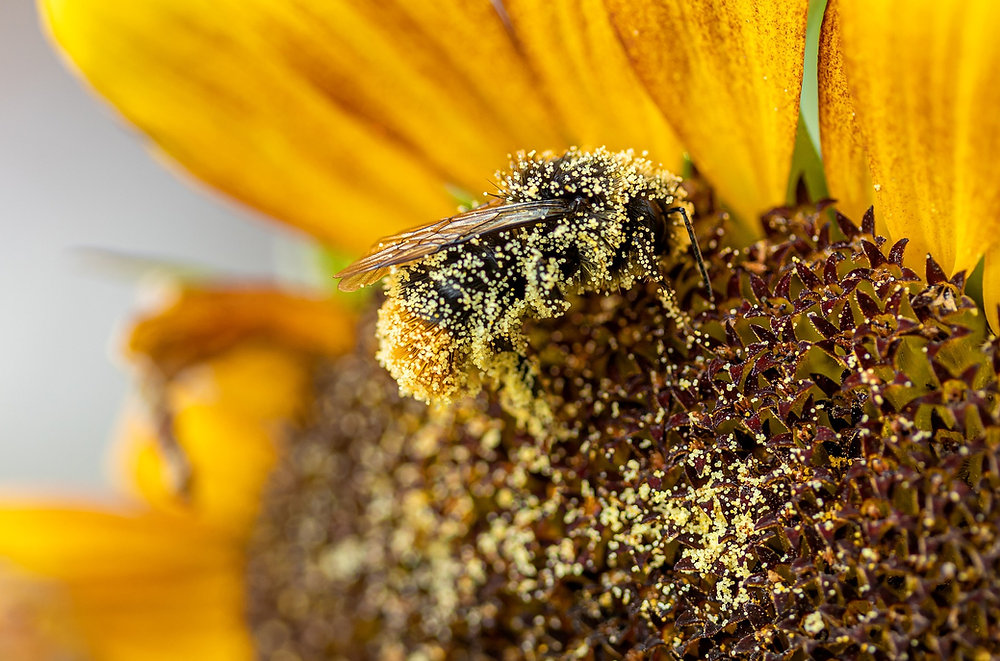
Imagine biting into a juicy apple, admiring a vibrant field of wildflowers, or enjoying a cup of coffee. These simple pleasures, which we often take for granted, are all thanks to the tireless work of pollinators – bees, butterflies, bats, and other creatures that play a vital role in our ecosystem.
Have you ever considered where your food comes from? Or why some years your garden explodes with blossoms while others it barely limps along? It’s easy to forget that our world is intricately connected, and that the health of our ecosystems, including our food supply, depends on these tiny creatures.
This blog post delves into the crucial role that pollinators play in our environment and why we should care about their well-being. We will explore the different types of pollinators, the challenges they face, and what we can do to help protect them. So, let's find out Why Bees, Butterflies, and Bats Matter.
Essentially, pollinators, especially bees, butterflies, and bats, are indispensable for a healthy planet and our very survival. Their tireless work ensures the reproduction of countless plant species, maintains biodiversity, and sustains our food supply. Understanding their importance and taking action to protect them is not just an environmental concern, but a necessity for future generations.
The Delicate Dance of Pollination
The delicate dance of pollination is a topic that resonates deeply with me. I remember when I was a child, my grandfather had a small apple orchard. Each spring, it was a spectacle of pink and white blossoms, buzzing with bees. He always emphasized the importance of those bees, explaining how they carried the pollen from one flower to another, ensuring a bountiful harvest in the fall. It wasn't until years later, when I learned about the decline of bee populations, that his words truly hit home. The orchard, a symbol of abundance and connection to nature, was suddenly vulnerable.
Pollination, at its core, is the transfer of pollen from the male part of a flower (the stamen) to the female part (the pistil). This process is essential for fertilization and the production of seeds and fruits. While some plants are self-pollinating, many rely on external agents to carry out this crucial task. This is where pollinators come in. Bees, with their fuzzy bodies that efficiently collect pollen, are arguably the most well-known pollinators. Butterflies, with their graceful flight and long tongues, are important for pollinating brightly colored flowers. Bats, often overlooked, are vital pollinators for many night-blooming plants, particularly in tropical regions.
Without these pollinators, many plant species would struggle to reproduce, leading to a decline in biodiversity and a disruption of entire ecosystems. Consider the impact on our food supply. Many of the fruits, vegetables, and nuts we enjoy – apples, blueberries, almonds, and countless others – depend on pollinators. The economic value of pollination is estimated to be in the billions of dollars annually, highlighting its profound impact on agriculture and global food security.
The Plight of Pollinators: Facing the Challenges
Pollinators are facing unprecedented challenges, leading to alarming declines in their populations. Habitat loss, pesticide use, climate change, and diseases are all contributing factors. As human populations grow and land is converted for agriculture and urban development, natural habitats are fragmented and destroyed, leaving pollinators with fewer places to nest, forage, and breed. The widespread use of pesticides, particularly neonicotinoids, has been shown to have devastating effects on bees and other insects, disrupting their navigation, weakening their immune systems, and even causing death.
Climate change is also playing a significant role, altering flowering times and disrupting the synchrony between pollinators and the plants they rely on. Warmer temperatures and changing precipitation patterns can also impact pollinator survival and reproduction. Diseases and parasites, such as Varroa mites in honeybees, further weaken pollinator populations, making them more vulnerable to other stressors.
The consequences of pollinator decline are far-reaching. Beyond the impact on agriculture and food security, the loss of pollinators can lead to a decline in plant biodiversity, disrupting entire ecosystems and affecting the countless species that depend on them. It is crucial that we address these challenges and take action to protect pollinators before it is too late. Simple steps like planting pollinator-friendly gardens, reducing pesticide use, and supporting sustainable agriculture can make a significant difference.
Pollinators in History and Mythology
The relationship between humans and pollinators extends far back into history and is reflected in various myths and cultural traditions. Bees, in particular, have held a special place in human societies for millennia. In ancient Egypt, bees were associated with royalty, and honey was used in offerings to the gods. The Greeks revered bees as symbols of diligence and community, and honey was considered a sacred food. In Roman mythology, bees were associated with the goddess Diana, the protector of nature.
Butterflies, too, have been imbued with symbolic meaning across different cultures. In many traditions, butterflies represent transformation, resurrection, and the soul. In Japan, butterflies are often seen as symbols of happiness and longevity. In Mexican culture, monarch butterflies are believed to be the souls of the deceased returning to visit their loved ones during the Day of the Dead.
Bats, while often feared and misunderstood, also play a significant role in some cultural traditions. In Chinese culture, bats are considered symbols of good fortune and happiness. In some Indigenous cultures in the Americas, bats are revered as guardians of the night and protectors of the natural world. These historical and mythological connections highlight the deep-rooted relationship between humans and pollinators and underscore the importance of preserving these creatures for future generations.
Unveiling the Hidden Secrets of Pollinators
Beyond their obvious role in pollination, pollinators possess a number of fascinating and often overlooked secrets. For example, bees communicate with each other through intricate dances that convey information about the location and quality of food sources. These dances, known as the waggle dance and the round dance, are a testament to the complex social structures of bee colonies.
Butterflies are masters of camouflage and mimicry, using their wings to blend in with their surroundings or to mimic the appearance of poisonous species, thus deterring predators. Some butterflies even have taste receptors on their feet, allowing them to determine whether a plant is suitable for laying their eggs. Bats, with their sophisticated echolocation abilities, can navigate and hunt in complete darkness, playing a crucial role in controlling insect populations and pollinating night-blooming plants.
These hidden secrets reveal the remarkable adaptations and complex behaviors that make pollinators such integral components of our ecosystems. By understanding these aspects of their lives, we can gain a deeper appreciation for their importance and be inspired to protect them.
Recommendations for Pollinator Conservation
Protecting pollinators requires a multifaceted approach that involves individual actions, community initiatives, and policy changes. On an individual level, planting pollinator-friendly gardens is a simple yet effective way to provide food and habitat for bees, butterflies, and other pollinators. Choose native plants that are adapted to your local climate and that bloom at different times of the year to provide a continuous source of nectar and pollen.
Reduce or eliminate the use of pesticides in your garden and yard. Opt for natural pest control methods, such as attracting beneficial insects or using organic sprays. Support local farmers and businesses that practice sustainable agriculture and avoid the use of harmful pesticides. Get involved in community initiatives, such as planting pollinator corridors or advocating for pollinator-friendly policies in your local government.
On a larger scale, governments and organizations need to implement policies that protect pollinator habitats, regulate pesticide use, and promote research on pollinator health. By working together, we can create a more sustainable and pollinator-friendly world.
The Importance of Native Plants
Native plants are essential for supporting pollinator populations because they have co-evolved with local pollinators over thousands of years. This means that native plants provide the specific types of nectar, pollen, and nesting sites that local pollinators need to thrive. When we plant non-native plants, we may be depriving pollinators of the resources they depend on.
For example, many native bees are specialists, meaning that they only feed on the pollen of a few specific plant species. If these plants are not available, the bees will struggle to survive. Native plants also provide important habitat for other wildlife, such as birds and butterflies. By planting native plants, we can create a more diverse and resilient ecosystem that supports a wide range of species.
When choosing native plants for your garden, be sure to select species that are appropriate for your local climate and soil conditions. You can consult with your local nursery or extension office to get recommendations. Avoid plants that have been treated with pesticides, as these can be harmful to pollinators.
Tips for Creating a Pollinator-Friendly Garden
Creating a pollinator-friendly garden is easier than you might think! Start by choosing a sunny location with well-drained soil. Select a variety of native plants that bloom at different times of the year to provide a continuous source of food for pollinators. Group plants together in clusters to make it easier for pollinators to find them.
Provide a source of water, such as a bird bath or a shallow dish filled with pebbles. Avoid using pesticides, herbicides, and other chemicals in your garden. Instead, opt for natural pest control methods, such as hand-picking pests or using beneficial insects. Leave some bare soil in your garden for ground-nesting bees. Provide nesting materials for other pollinators, such as twigs, hollow stems, and leaf litter.
Be patient and observe your garden. It may take some time for pollinators to find your garden, but once they do, you will be rewarded with a vibrant and buzzing ecosystem.
Why Avoid Pesticides?
Pesticides, while designed to kill unwanted insects, can have devastating effects on pollinators. Many pesticides are broad-spectrum, meaning that they kill both beneficial and harmful insects. Even small amounts of pesticides can be lethal to pollinators, or they can disrupt their navigation, weaken their immune systems, and impair their reproduction.
Neonicotinoids, a class of pesticides that are widely used in agriculture and gardening, are particularly harmful to bees. These pesticides are systemic, meaning that they are absorbed by the plant and can be found in the nectar and pollen. When bees consume contaminated nectar and pollen, they can suffer from a variety of neurological and physiological effects.
The best way to protect pollinators is to avoid using pesticides altogether. If you must use pesticides, choose products that are specifically designed for the pest you are trying to control and apply them carefully, following the instructions on the label. Avoid spraying pesticides when pollinators are active, such as during the day when bees are foraging. Consider using natural pest control methods, such as attracting beneficial insects or using organic sprays.
Fun Facts About Pollinators
Did you know that there are over 20,000 different species of bees in the world? Or that some butterflies migrate thousands of miles each year? Pollinators are full of surprises! Honeybees are the only insects that produce food that is eaten by humans. Bumblebees can fly in cold weather because they can shiver to generate heat.
Monarch butterflies migrate from Canada and the United States to Mexico each year, where they overwinter in large colonies. Some bats can eat up to their own weight in insects each night. Hummingbirds are the only birds that can fly backwards. These fun facts highlight the diversity and fascinating adaptations of pollinators.
Learning more about these creatures can inspire us to appreciate them and to take action to protect them.
How to Help Pollinators in Your Community
There are many ways to help pollinators in your community. You can start by educating yourself and others about the importance of pollinators and the challenges they face. Share information with your friends, family, and neighbors. Get involved in local pollinator conservation efforts. Volunteer at a community garden or participate in a pollinator count.
Advocate for pollinator-friendly policies in your local government. Encourage your elected officials to support initiatives that protect pollinator habitats and regulate pesticide use. Support local businesses that are committed to sustainability and pollinator conservation. By working together, we can create a more pollinator-friendly community.
Consider starting a pollinator garden in your school or workplace. This is a great way to educate others about the importance of pollinators and to provide habitat for these important creatures.
What If We Lost Our Pollinators?
The consequences of losing our pollinators would be devastating. Our food supply would be drastically reduced, and many of the fruits, vegetables, and nuts we enjoy would become scarce or disappear altogether. The cost of food would increase, and food security would be threatened.
Ecosystems would be disrupted, and many plant species would decline or go extinct. This would have cascading effects on the animals that depend on these plants for food and shelter. The beauty and diversity of our natural world would be diminished. The loss of pollinators would have profound economic, environmental, and social consequences. It is imperative that we take action to protect these creatures before it is too late.
The loss of pollinators would also have a significant impact on our mental and physical health. Studies have shown that spending time in nature, particularly in gardens and parks, can reduce stress, improve mood, and boost the immune system. The loss of pollinators would reduce the availability of these natural spaces and negatively impact our well-being.
Top 5 Things You Can Do to Help Pollinators
Here are the top 5 things you can do to help pollinators:
- Plant a pollinator-friendly garden with native plants.
- Reduce or eliminate the use of pesticides in your garden and yard.
- Provide a source of water for pollinators.
- Leave some bare soil in your garden for ground-nesting bees.
- Educate yourself and others about the importance of pollinators.
By taking these simple steps, you can make a significant difference in the lives of pollinators and help to protect our planet.
Remember that every little bit helps. Even if you only have a small balcony or patio, you can still plant a few pollinator-friendly plants in containers. Every flower counts!
Question and Answer
Here are some common questions and answers about pollinators:
Q: What is pollination?
A: Pollination is the transfer of pollen from the male part of a flower (the stamen) to the female part (the pistil), which is necessary for fertilization and the production of seeds and fruits.
Q: Why are pollinators important?
A: Pollinators are essential for the reproduction of many plant species, including many of the fruits, vegetables, and nuts we eat. They also play a crucial role in maintaining biodiversity and healthy ecosystems.
Q: What are the main threats to pollinators?
A: The main threats to pollinators include habitat loss, pesticide use, climate change, and diseases.
Q: What can I do to help pollinators?
A: You can help pollinators by planting a pollinator-friendly garden, reducing or eliminating pesticide use, providing a source of water, leaving some bare soil for ground-nesting bees, and educating yourself and others about the importance of pollinators.
Conclusion of The Role of Pollinators: Why Bees, Butterflies, and Bats Matter
Pollinators, often overlooked, are the unsung heroes of our ecosystems and our food supply. Bees, butterflies, bats, and other creatures play a vital role in ensuring the reproduction of countless plant species, maintaining biodiversity, and sustaining our agricultural systems. As we have explored in this post, these creatures are facing unprecedented challenges, from habitat loss and pesticide use to climate change and disease.
However, the good news is that we can all take action to help protect pollinators. By planting pollinator-friendly gardens, reducing pesticide use, supporting sustainable agriculture, and educating ourselves and others, we can make a significant difference in the lives of these important creatures. It is our collective responsibility to safeguard the future of pollinators and ensure a healthy and vibrant planet for generations to come.
Let's all do our part to create a world where bees, butterflies, and bats can thrive, ensuring a future filled with flowers, fruits, and a healthy planet.
0 Response to "The Role of Pollinators: Why Bees, Butterflies, and Bats Matter"
Post a Comment