How to Socialize Your Dog Properly
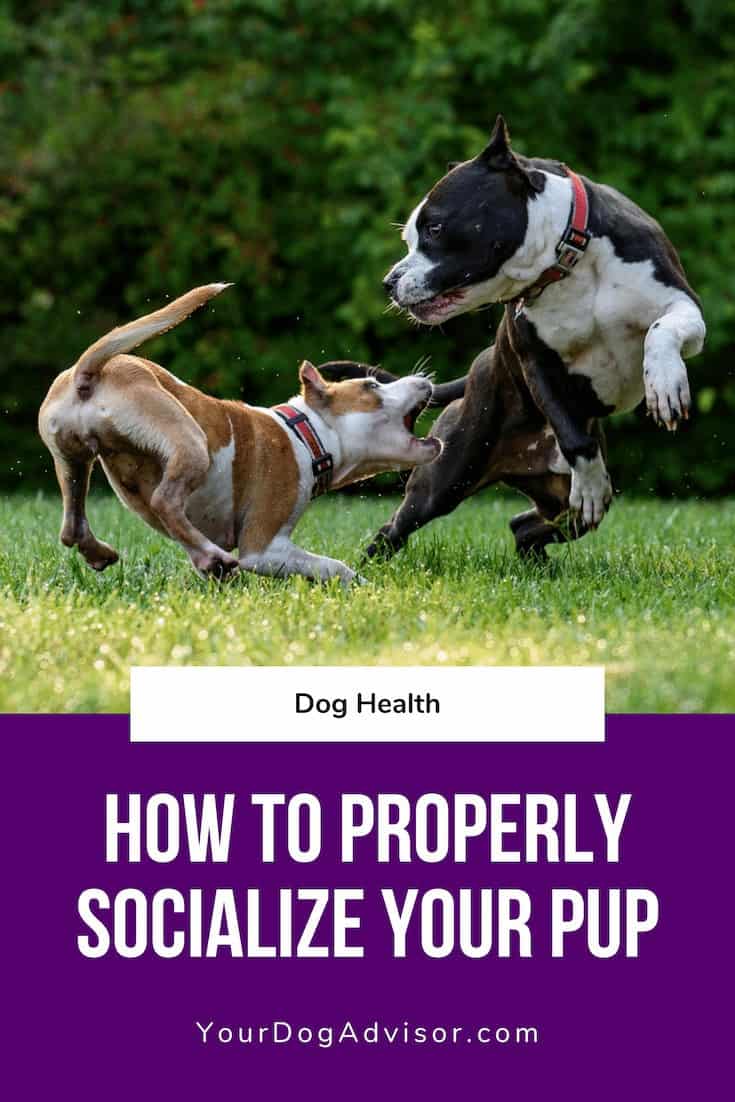
Bringing a new puppy or dog into your life is one of the most rewarding experiences. Their wagging tails, playful energy, and unconditional love quickly fill our homes and hearts. But beyond the cuddles and playtime, lies a crucial responsibility: ensuring they grow into well-adjusted, confident companions. That's where socialization comes in, and it's more important than you might think!
Many new dog owners find themselves overwhelmed. Juggling work, family, and the demands of a new pet can be challenging. Concerns about potential behavioral issues, fear of negative interactions with other dogs or people, and the sheer volume of conflicting advice online can leave you feeling lost and unsure where to start. You want the best for your furry friend, but the path to a well-socialized dog can seem daunting.
This blog post aims to guide you through the process of properly socializing your dog, providing practical tips, addressing common concerns, and empowering you to create positive experiences for your canine companion. We'll explore what socialization truly means, why it's vital for your dog's well-being, and how to navigate different stages of development to foster a happy and confident dog.
In short, socialization is about exposing your dog to a variety of sights, sounds, people, and places in a positive and controlled manner. This early exposure helps them develop into well-adjusted adults, less likely to be fearful or aggressive. We'll cover crucial topics like puppy socialization windows, safe exposure strategies, understanding dog body language, and overcoming potential challenges. Ultimately, the goal is to equip you with the knowledge and tools to raise a confident, happy, and well-behaved dog.
The Importance of Early Socialization
I remember when I first brought home my golden retriever, Charlie. He was this tiny, fluffy ball of energy, and I was so excited to show him the world. I pictured us going on hikes, playing in the park, and meeting all sorts of new friends. But I quickly realized that simply exposing him to new things wasn't enough. He was initially cautious, even a little scared, of loud noises and unfamiliar faces. I tried my best to show Charlie the world, but the first couple of times at the dog park didn't go to plan. He was barking at the larger dogs, and shying away from the small dogs. This experience showed me just how important it is to carefully guide him through new experiences. This is where the importance of early socialization came to play, it means exposing your dog to a variety of sights, sounds, people, and environments in a controlled and positive way, particularly during their critical socialization period (typically between 3 and 16 weeks of age). During this time, puppies are highly receptive to new experiences, and positive interactions can have a lasting impact on their behavior and temperament. Early socialization isn't just about playing with other puppies. It encompasses a wide range of experiences, including meeting different types of people (men, women, children), encountering various sounds (traffic, sirens, vacuum cleaners), and exploring diverse environments (parks, stores, car rides). The key is to make these experiences positive and rewarding, using treats, praise, and gentle encouragement. This ensures that your dog associates new things with positive emotions, reducing the likelihood of fear or anxiety later in life. If you don't have early socialization, your dog may develop bad habits, such as shying away from other dogs, barking at strangers, or even acting aggressively. But with early socialization, this will reduce their chances of having such issues.
What Does "Socialization" Actually Mean?
Socialization is more than just letting your dog run wild at the dog park. It's a carefully orchestrated process of exposing them to a variety of stimuli in a controlled and positive manner. Think of it as building a foundation of confidence and resilience. A well-socialized dog is comfortable and adaptable in different situations, less likely to be fearful or reactive, and better equipped to handle the stresses of daily life. Socialization isn't just about other dogs, it encompasses all aspects of your dog's environment, including people of all ages, sizes, and ethnicities. It includes exposure to different sounds like traffic, construction, children playing, and the doorbell. It also means exposing them to various surfaces like grass, concrete, tile, and wood floors. The goal is to create a dog who is confident and comfortable in a wide range of environments. Properly socialized dogs are better companions. They're easier to train, less likely to develop behavioral problems, and can participate more fully in your life. You can take them to restaurants with outdoor seating, visit friends and family without worry, and enjoy a wider range of activities together. Socialization makes life easier and more enjoyable for both you and your dog.
Debunking Socialization Myths
There are plenty of myths surrounding dog socialization, and believing them can actually hinder your dog's development. One common misconception is that you should keep your puppy isolated until they've completed their vaccinations. While protecting your puppy's health is crucial, complete isolation can be detrimental during their critical socialization period. Instead, focus on safe and controlled socialization experiences, like puppy classes or supervised playdates with vaccinated dogs. Another myth is that all socialization needs to happen before a certain age. While early socialization is undeniably important, it's a continuous process that should extend throughout your dog's life. Continue exposing them to new experiences and reinforcing positive associations as they grow. Some believe that socialization means forcing your dog into uncomfortable situations. This is absolutely incorrect. Socialization should always be positive and gentle. If your dog shows signs of fear or anxiety, remove them from the situation and try again later with a more gradual approach. Socialization should be fun and rewarding for your dog, not a source of stress. Another major myth is that only puppies need socialization. While the critical socialization period is between 3 and 16 weeks of age, it’s never too late to start. Adult dogs can also benefit from socialization, although it may require a more patient and gradual approach. Older dogs who haven’t had much socialization, can still be socialized, but it can take a little longer. Remember to prioritize positive experiences and avoid overwhelming your dog.
The Hidden Key to Successful Socialization
The real secret to successful socialization lies in understanding your dog's body language and respecting their boundaries. Learning to read the subtle cues of fear, stress, and discomfort is essential for creating positive experiences. A wagging tail doesn't always mean happiness. Look for other signs like a loose body posture, relaxed facial muscles, and soft eyes. Conversely, signs of stress include a tucked tail, flattened ears, whale eye (showing the whites of their eyes), lip licking, and yawning when they're not tired. If you notice any of these signs, it's time to remove your dog from the situation or create more distance. Never force your dog to interact with someone or something they're clearly uncomfortable with. Pushing them too hard can create negative associations and hinder their progress. Observe your dog's behavior closely and adjust your approach accordingly. Pay attention to their comfort level and move at their pace. Positive reinforcement is also key. Reward your dog with treats, praise, and affection when they exhibit calm and confident behavior in new situations. This helps them associate these experiences with positive emotions, making them more likely to approach similar situations with confidence in the future. The hidden key is patience, empathy, and a genuine understanding of your dog's individual needs and personality.
Recommended Socialization Activities
There are countless ways to socialize your dog, but some activities are particularly effective. Puppy classes are a great way to introduce your puppy to other dogs and people in a safe and structured environment. Look for classes that emphasize positive reinforcement and allow for off-leash play in a controlled setting. Supervised playdates with vaccinated dogs are another excellent option. Choose dogs with compatible temperaments and monitor their interactions closely to ensure that everyone is having a good time. Exposure to different environments is also crucial. Take your dog for walks in various locations, such as parks, downtown areas, and hiking trails. Introduce them to different surfaces like grass, concrete, gravel, and wood floors. Car rides are another great way to expose your dog to new sights and sounds. Start with short trips and gradually increase the duration as they become more comfortable. Meeting different types of people is also important. Introduce your dog to men, women, children, and people wearing hats or using mobility aids. Encourage people to offer treats and speak to your dog in a calm and friendly voice. The key is to create a variety of positive experiences that help your dog develop into a well-adjusted and confident companion. Just make sure the activities are fun for your dog and that they aren't too stressful. It is important to make sure the activities are fun for both you and your dog! This will allow you to continue doing it for a longer period of time.
Start Early and Be Consistent
The earlier you start socializing your dog, the better. The critical socialization period for puppies is between 3 and 16 weeks of age. During this time, puppies are highly receptive to new experiences, and positive interactions can have a lasting impact on their behavior and temperament. It's best to start socializing your dog by introducing them to a variety of sights, sounds, people, and places, this will help them develop into well-adjusted adults, less likely to be fearful or aggressive. Socialization shouldn't stop after the critical period. Continue exposing your dog to new experiences throughout their life to maintain their confidence and adaptability. Consistency is key to successful socialization. Make socialization a regular part of your routine, even if it's just a short walk in a new location or a brief interaction with a friendly stranger. The more consistent you are, the more comfortable your dog will become in different situations. Try to introduce new sights, sounds, and smells into your dog's life. This could involve something as simple as taking a walk in a different park, or introducing a new toy. This will help your dog to develop a more rounded sense of the world.
Tips for a Successful Socialization Journey
Successful socialization is not a one-size-fits-all approach. It requires patience, understanding, and a willingness to adapt to your dog's individual needs. Start slowly and gradually increase the level of exposure. Don't overwhelm your dog with too many new experiences at once. Observe their body language and adjust your approach accordingly. Keep socialization sessions short and positive. End on a high note, leaving your dog wanting more. Use positive reinforcement to reward calm and confident behavior. Treats, praise, and affection can go a long way in creating positive associations. Avoid forcing your dog into uncomfortable situations. If they show signs of fear or anxiety, remove them from the situation and try again later with a more gradual approach. Be patient and consistent. Socialization takes time and effort. Don't get discouraged if your dog doesn't immediately embrace every new experience. Focus on creating positive experiences and celebrating small victories. If you're struggling with socialization, consider seeking guidance from a professional dog trainer or behaviorist. They can provide personalized advice and support based on your dog's individual needs. Remember, socialization is an ongoing process, not a one-time event. Continue exposing your dog to new experiences throughout their life to maintain their confidence and adaptability. Socializing your dog is something that can be fun and rewarding for you as well!
Making it Fun for Everyone
Socializing your dog doesn't have to be a chore, it can be a fun and rewarding experience for both of you. Turn socialization into a game by creating challenges and rewarding your dog for completing them. For example, you could set up an obstacle course in your backyard or take your dog on a scavenger hunt in the park. Involve your friends and family in the socialization process. Have them offer treats to your dog or take them for walks together. This will help your dog learn to interact with different people in a positive way. Try to find a friend that has a dog and play with them! The best way to do this is at the dog park, but you need to make sure it's safe! Choose activities that you and your dog both enjoy. If you love hiking, take your dog with you on scenic trails. If you enjoy visiting local shops, bring your dog along for a stroll. The more fun you're having, the more positive the experience will be for your dog. Remember to be patient and celebrate small victories. Socialization takes time and effort, but the rewards are well worth it. A well-socialized dog is a happy and confident companion who can enrich your life in countless ways. Just make sure that socialization is fun for both you and your dog! If you are having a bad time, your dog will as well!
Fun Facts About Dog Socialization
Did you know that the critical socialization period for puppies is between 3 and 16 weeks of age? During this time, their brains are highly receptive to new experiences, making it the ideal time to introduce them to a variety of sights, sounds, people, and places. Puppies who are well-socialized during this period are more likely to grow into confident and well-adjusted adults. Socialization isn't just about other dogs. It also includes exposure to different types of people, environments, and sounds. A well-socialized dog is comfortable around men, women, children, people wearing hats, and people using mobility aids. They're also unfazed by loud noises like traffic, sirens, and construction. The breed of your dog can influence their socialization needs. Some breeds are naturally more social than others. However, all dogs benefit from socialization, regardless of their breed. Dog parks can be a great place to socialize your dog, but they're not always the best option. It's important to choose a dog park that is well-maintained and has dogs with compatible temperaments. Supervise your dog closely and be prepared to intervene if necessary. Positive reinforcement is key to successful socialization. Rewarding your dog with treats, praise, and affection when they exhibit calm and confident behavior can help them associate new experiences with positive emotions. This will make them more likely to approach similar situations with confidence in the future. With proper socialization, you'll create a happy and well-behaved dog!
How to Handle Setbacks in Socialization
Even with the best efforts, setbacks can happen during the socialization process. Your dog might have a negative experience or suddenly become fearful of something they previously enjoyed. Don't panic! Setbacks are a normal part of the process, and they don't mean that your socialization efforts have failed. Take a step back and reassess the situation. Identify what triggered the setback and try to avoid that trigger in the future. Gradual desensitization and counter-conditioning can help your dog overcome their fears. Start by exposing them to the trigger at a low intensity and gradually increase the intensity as they become more comfortable. Pair the trigger with positive reinforcement, such as treats or praise, to help them associate it with positive emotions. If your dog has a negative experience with another dog, don't force them to interact again immediately. Give them some time to recover and then reintroduce them to other dogs in a controlled and positive environment. Consider seeking guidance from a professional dog trainer or behaviorist. They can help you identify the root cause of the setback and develop a plan to address it. Be patient and consistent. Overcoming setbacks takes time and effort. Don't get discouraged if your dog doesn't immediately bounce back. Focus on creating positive experiences and celebrating small victories. The best way to address this is to take your dog slowly, and go at their pace.
What If Socialization Didn't Happen Early?
While early socialization is ideal, it's not always possible. Many adult dogs come from shelters or rescues and may not have had the opportunity to be properly socialized as puppies. Fortunately, it's never too late to start. Socializing an adult dog requires patience, understanding, and a more gradual approach. Start by creating a safe and comfortable environment for your dog. Avoid overwhelming them with too many new experiences at once. Introduce them to new sights, sounds, and people in a controlled and positive manner. Focus on building trust and creating positive associations. Gradual desensitization and counter-conditioning can be particularly helpful for adult dogs who are fearful or anxious. Expose them to their triggers at a low intensity and gradually increase the intensity as they become more comfortable. Pair the triggers with positive reinforcement, such as treats or praise, to help them associate them with positive emotions. Consider seeking guidance from a professional dog trainer or behaviorist. They can help you assess your dog's individual needs and develop a socialization plan that is tailored to their specific challenges. Be patient and consistent. Socializing an adult dog takes time and effort. Don't get discouraged if they don't immediately embrace every new experience. Focus on creating positive experiences and celebrating small victories. As long as you take it slow, they will get used to the world!
Top 5 Socialization Activities for Your Dog
Here's a listicle of five fantastic socialization activities to help your dog become a confident and well-adjusted companion:
1. Puppy Classes: Enroll in a puppy class that emphasizes positive reinforcement and provides opportunities for supervised play with other puppies. This is a great way to introduce your puppy to other dogs and people in a safe and structured environment.
2. Walks in Different Environments: Take your dog for walks in various locations, such as parks, downtown areas, and hiking trails. This will expose them to different sights, sounds, and smells, helping them become more comfortable in a variety of settings.
3. Supervised Playdates: Arrange playdates with vaccinated dogs who have compatible temperaments. This will allow your dog to practice their social skills and learn how to interact appropriately with other dogs.
4. Visits to Pet-Friendly Stores: Many pet stores allow dogs to come inside. This is a great opportunity to expose your dog to new sights, sounds, and smells, as well as to practice their obedience skills in a public setting.
5. Car Rides: Take your dog for car rides to different destinations. This will help them become more comfortable with car travel and expose them to new environments. Start with short trips and gradually increase the duration as they become more comfortable.
Remember to always prioritize positive experiences and avoid overwhelming your dog. The goal is to create a confident and well-adjusted companion who can thrive in a variety of situations. This listicle has been proven to be very good with dogs, and are some of the best ways to get your dog to socialize!
Question and Answer about Socialization
Here are some frequently asked questions about dog socialization:
Q: When should I start socializing my puppy?
A: The critical socialization period for puppies is between 3 and 16 weeks of age. It's best to start socializing your puppy as soon as they've received their first vaccinations.
Q: How do I know if my dog is stressed during socialization?
A: Signs of stress in dogs include a tucked tail, flattened ears, whale eye (showing the whites of their eyes), lip licking, and yawning when they're not tired. If you notice any of these signs, it's time to remove your dog from the situation or create more distance.
Q: What if my dog is fearful of other dogs?
A: Start by exposing them to other dogs at a distance where they feel comfortable. Gradually decrease the distance as they become more relaxed. Pair the presence of other dogs with positive reinforcement, such as treats or praise. Consider seeking guidance from a professional dog trainer or behaviorist.
Q: Is it ever too late to socialize a dog?
A: While early socialization is ideal, it's never too late to start. Socializing an adult dog may require a more patient and gradual approach, but it is possible. Focus on creating positive experiences and avoid overwhelming your dog.
Conclusion of How to Socialize Your Dog Properly
Socializing your dog is one of the most important things you can do for their well-being. It sets the foundation for a happy, confident, and well-adjusted life. By exposing your dog to a variety of sights, sounds, people, and places in a positive and controlled manner, you're helping them develop into a well-rounded companion who can thrive in any situation. Remember to start early, be patient, and always prioritize positive experiences. With a little effort and dedication, you can raise a dog who is a joy to be around and a valued member of your family. It makes the dog friendlier and less likely to become scared of things!
0 Response to "How to Socialize Your Dog Properly"
Post a Comment